
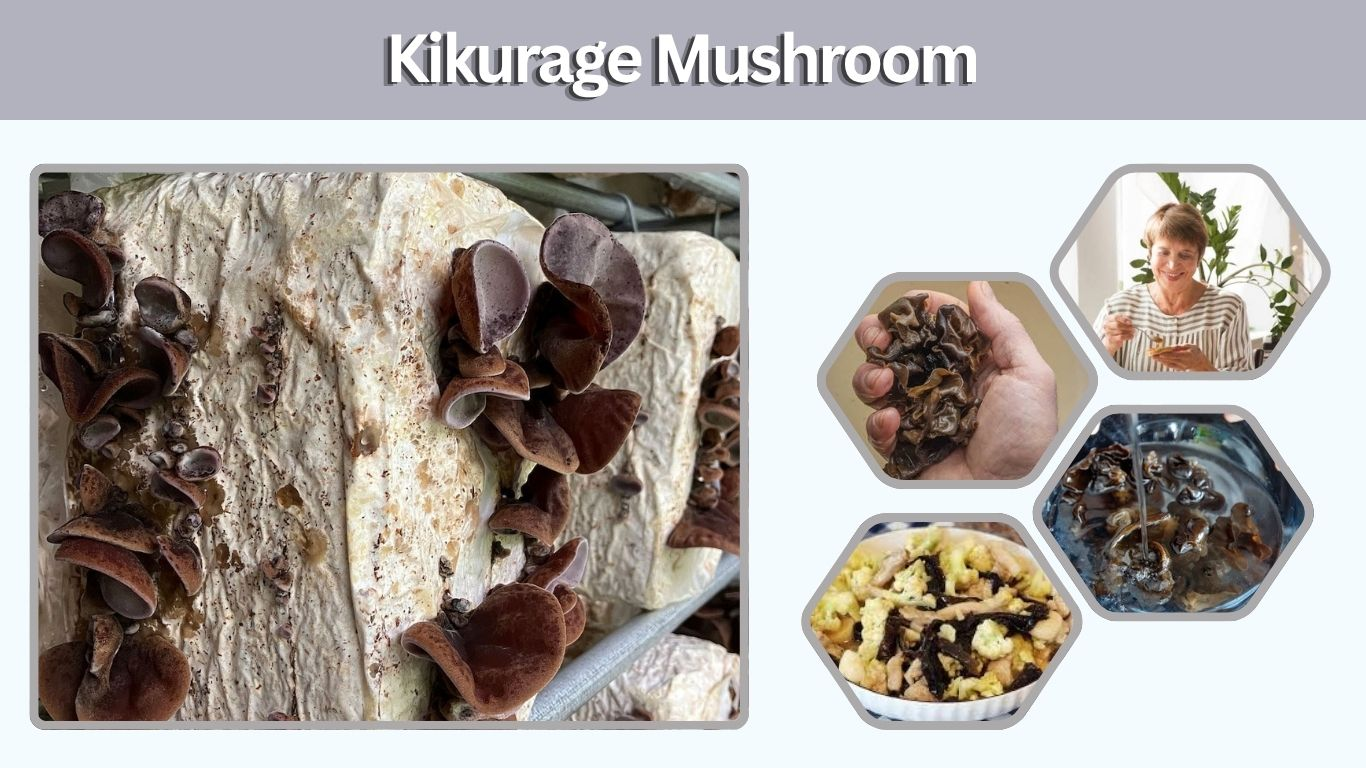
Kikurage mushroom is a chewy, crunchy mushroom best known as a ramen topping and a common ingredient in East Asian cooking. Also called wood ear mushroom, it has a mild taste, dark color, and unique ear-like shape. Many people first notice kikurage in a bowl of ramen, but this mushroom is also useful in soups, stir-fries, salads, and simple side dishes.
What Is Kikurage Mushroom?
Kikurage mushroom is the Japanese name for wood ear mushroom, an edible fungus with a soft, rubbery, and slightly crunchy texture. It is usually dark brown to black and has a thin, wrinkled shape that can look like a small ear. This appearance is where the English name “wood ear” comes from.
In Japanese food, kikurage is often sliced into thin strips and served in ramen. In Chinese cooking, similar mushrooms are often called black fungus, cloud ear, or mu’er. These names can sometimes refer to closely related mushrooms, but in everyday cooking they are often used in similar ways.
Kikurage is not usually eaten for a strong mushroom flavor. Instead, it is loved for texture. It adds a pleasant crunch to soft noodles, rich broths, and saucy stir-fries.
Kikurage Mushroom Pronunciation
Kikurage is usually pronounced as kee-koo-rah-geh. The word comes from Japanese, where “kiku” can refer to chrysanthemum and “kurage” means jellyfish. The name makes sense when you look at the mushroom’s wavy, jelly-like texture after soaking.
Kikurage Mushroom vs Wood Ear Mushroom
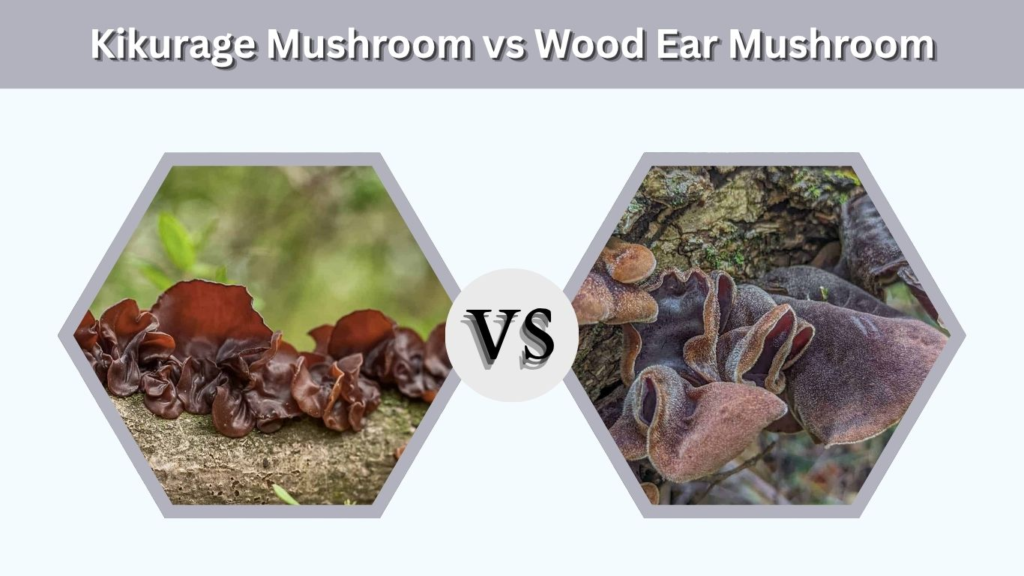
Kikurage mushroom and wood ear mushroom are generally the same ingredient in common food use. “Kikurage” is the Japanese name, while “wood ear mushroom” is the English name. You may also see it sold as dried black fungus, cloud ear mushroom, or dried fungus in Asian grocery stores.
There can be small differences between related varieties. Some are thinner and more delicate, while others are thicker and chewier. For home cooking, however, most dried wood ear or kikurage products can be prepared in the same way.
| Name on Package | Common Meaning | Best Use |
| Kikurage | Japanese-style wood ear mushroom | Ramen, soups, salads |
| Wood ear mushroom | General English name | Stir-fries, soups, noodles |
| Black fungus | Common Chinese grocery name | Hot and sour soup, stir-fries |
| Cloud ear mushroom | Related thinner variety | Soups, light stir-fries |
What Does Kikurage Mushroom Taste Like?
Kikurage mushroom has a very mild, earthy taste. It is not as rich as shiitake and not as delicate as enoki. Its main appeal is texture rather than flavor.
When cooked, kikurage is:
- Chewy but not tough
- Slightly crunchy
- Mild and earthy
- Good at absorbing broth, soy sauce, sesame oil, and spices
Because the flavor is subtle, kikurage works well with bold ingredients. It pairs nicely with garlic, ginger, chili oil, miso, soy sauce, sesame, vinegar, pork, chicken, tofu, eggs, and noodles.
Why Kikurage Mushrooms Are Popular in Ramen
Kikurage mushrooms are popular in ramen because they add contrast. A good bowl of ramen usually has soft noodles, rich broth, tender meat, and toppings with different textures. Thin strips of kikurage bring a light crunch that balances the bowl.
You will often find kikurage in tonkotsu ramen, especially Hakata-style ramen. The mushroom’s mild flavor does not overpower the pork broth. Instead, it absorbs the broth and gives each bite more texture.
How Kikurage Is Used in Ramen
Most ramen shops use dried kikurage. The mushrooms are soaked until soft, rinsed, trimmed, sliced thinly, and added as a topping. Some shops season them lightly with soy sauce, sesame oil, or chili.
At home, you can use kikurage in ramen by following these steps:
- Rinse dried kikurage to remove dust.
- Soak it in warm water until it expands.
- Trim away any hard pieces.
- Slice it into thin strips.
- Add it to hot ramen before serving.
A small amount goes a long way because dried kikurage expands after soaking.
Kikurage Mushroom Nutrition
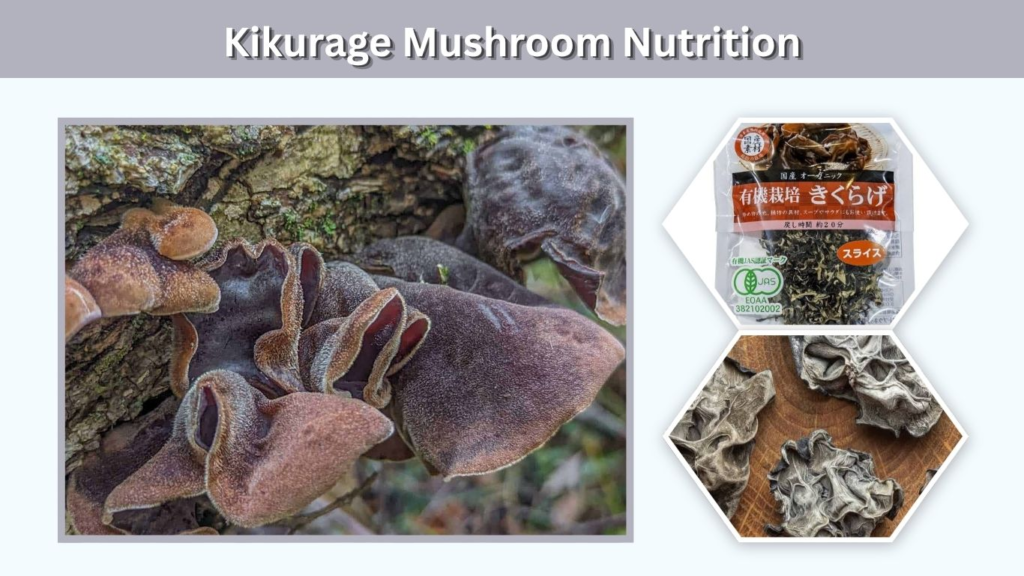
Kikurage mushroom is low in calories and contains fiber, minerals, and small amounts of vitamins. It is not a high-protein food, so it should not be treated as a meat replacement by itself. Its value comes more from its light nutrition profile and the way it improves meals without adding many calories.
Kikurage may provide:
- Dietary fiber
- Small amounts of iron
- Copper
- Selenium
- B vitamins
- Very little fat
- Low calories per serving
Because it is often sold dried, the nutrition can vary depending on how much you soak and serve. A cooked serving is usually light, especially when used as a ramen topping or soup ingredient.
Kikurage Mushroom Benefits
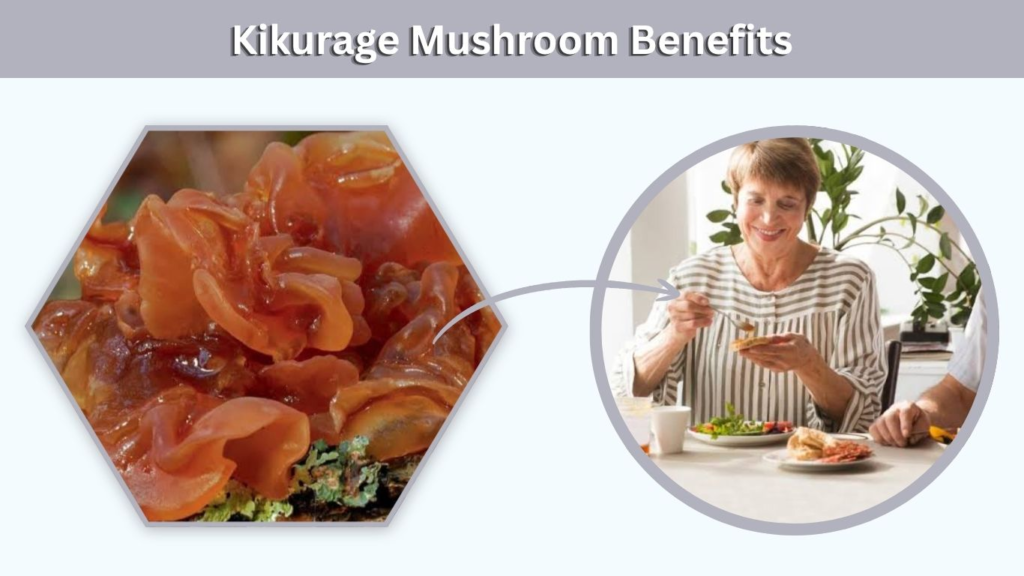
Kikurage mushroom can be a healthy addition to a balanced diet, especially when used in soups, stir-fries, and noodle dishes with vegetables and protein. However, it is important not to overstate its benefits. Kikurage is a food, not a cure or medicine.
Supports a Higher-Fiber Diet
Kikurage contains dietary fiber, which helps add bulk to meals. Fiber-rich foods can support digestion and help meals feel more satisfying. When added to ramen, kikurage can make the dish feel more complete, especially if paired with vegetables, egg, tofu, or lean protein.
Low in Calories
Kikurage is naturally low in calories when prepared without heavy sauces or frying. This makes it useful for adding texture to meals without making them too heavy. It can be added to soups, salads, and stir-fries when you want more volume and bite.
Adds Texture Without Strong Flavor
Some mushrooms have a strong earthy taste that not everyone enjoys. Kikurage is different. Its mild taste makes it easy to add to many dishes. This is helpful for people who want the benefits of mushrooms but prefer a less intense flavor.
Works Well in Plant-Based Meals
Kikurage is not a complete protein source, but it is useful in vegetarian and vegan cooking because of its chewy texture. It can make tofu dishes, noodle bowls, and vegetable stir-fries more interesting.
Is Kikurage Mushroom Safe to Eat?
Kikurage mushroom is safe for most people when properly cleaned, soaked, and cooked. Like other dried foods, it should be handled carefully. Buy it from a reliable source, check the package date, and avoid mushrooms that smell musty, sour, or spoiled.
Do not eat dried kikurage directly from the package. It should be rinsed, rehydrated, and cooked or added to hot dishes. Once soaked, it should be used soon and kept refrigerated if not cooked immediately.
Kikurage Mushroom Allergy
Mushroom allergies are not common, but they can happen. If you notice itching, swelling, stomach discomfort, rash, or breathing problems after eating kikurage, stop eating it and seek medical advice. People with known mushroom allergies should be careful before trying it.
Kikurage Mushrooms During Pregnancy
Pregnant people should only eat kikurage when it is properly cooked and handled safely. Avoid raw or poorly stored mushrooms. If you are pregnant and have a sensitive stomach, food allergy history, or medical concerns, ask a healthcare professional before adding unfamiliar mushrooms to your diet.
Kikurage Mushroom and Gout
People with gout often ask about mushrooms because some foods contain purines. Kikurage is usually eaten in small amounts, especially as a topping, but anyone managing gout should follow their doctor’s dietary advice. If mushrooms seem to trigger symptoms for you, it is best to limit them.
How to Cook Kikurage Mushroom
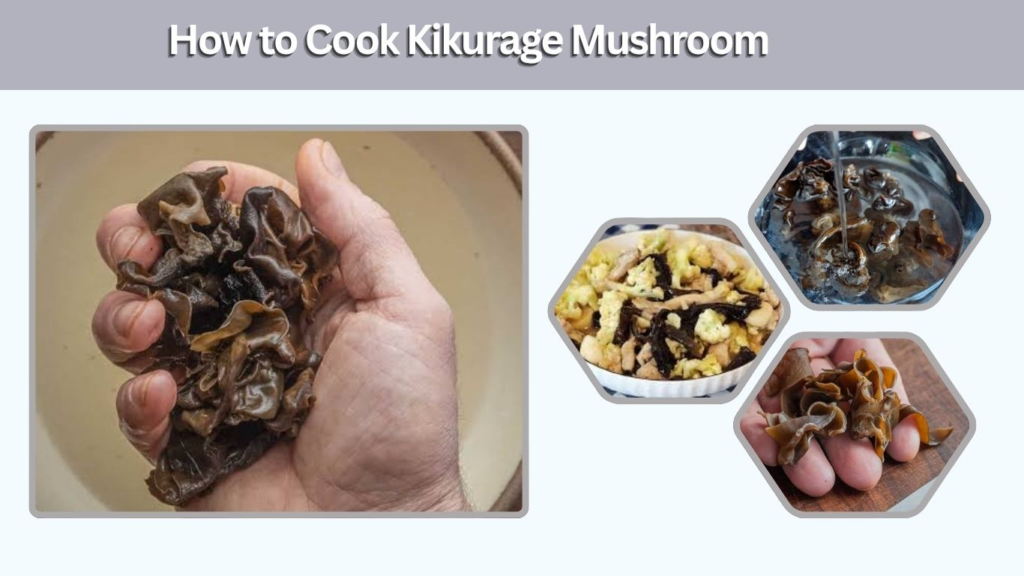
Dried kikurage is the most common form. It may look small and brittle in the package, but it expands after soaking. Always prepare it before adding it to recipes.
Basic Preparation
To prepare dried kikurage:
- Rinse the mushrooms under cool water.
- Place them in a bowl of warm water.
- Soak until soft and expanded.
- Drain and rinse again.
- Trim any hard stems or tough spots.
- Slice or chop as needed.
- Cook in soup, stir-fry, or sauce.
The soaking time depends on the thickness of the mushroom. Thin pieces may soften quickly, while thicker pieces may need more time.
Easy Kikurage Recipe Ideas
Kikurage is flexible and easy to use in everyday meals. Try it in:
- Ramen with egg, scallions, and chili oil
- Stir-fried vegetables with garlic and soy sauce
- Hot and sour soup
- Sesame kikurage salad
- Fried rice with egg and green onion
- Tofu and mushroom stir-fry
- Noodle bowls with miso or tahini sauce
For a simple sesame kikurage side dish, soak and cook the mushrooms, slice them thinly, then toss with sesame oil, soy sauce, rice vinegar, a little sugar, and toasted sesame seeds.
Kikurage vs Shiitake Mushrooms
Kikurage and shiitake are both popular in Asian cooking, but they are very different.
Shiitake mushrooms have a strong savory flavor and meaty texture. They are often used to add umami to soups, broths, rice dishes, and stir-fries. Kikurage has a much milder taste and a springy crunch. It is better when you want texture without changing the flavor of the dish too much.
Use shiitake when you want deep mushroom flavor. Use kikurage when you want crunch, chew, and visual contrast.
Buying and Storing Kikurage Mushrooms
You can find kikurage mushrooms in Asian grocery stores, Japanese markets, health food stores, and online. Dried kikurage is more common than fresh because it stores well and is easy to ship.
When buying dried kikurage, look for:
- Clean packaging
- No strange odor
- No visible mold
- Clear labeling
- Whole or sliced pieces depending on your recipe
Store dried kikurage in an airtight container in a cool, dry place. Keep it away from moisture. After soaking, treat it like fresh food. Refrigerate it and use it quickly.
FAQs
What is kikurage mushroom?
Kikurage mushroom is the Japanese name for wood ear mushroom. It is an edible fungus with a dark color, ear-like shape, mild taste, and chewy-crunchy texture. It is commonly used in ramen, soups, stir-fries, and Asian side dishes.
Are kikurage mushrooms good in ramen?
Yes, kikurage mushrooms are excellent in ramen because they add crunch without overpowering the broth. They are especially common in tonkotsu ramen, where their mild flavor and chewy texture balance the rich soup and soft noodles.
What does kikurage mushroom taste like?
Kikurage has a mild, slightly earthy taste. It is not strongly flavored like shiitake. Most people enjoy it for its texture, which is chewy, springy, and lightly crunchy after soaking and cooking.
Can you eat kikurage mushroom raw?
It is better not to eat kikurage raw, especially if it is dried. Rinse, soak, and cook it before eating. Proper preparation improves texture and helps reduce food safety risks from poor storage or contamination.
Is kikurage the same as black fungus?
Kikurage is often sold as wood ear mushroom or black fungus. In grocery stores, these names may be used for the same or closely related mushrooms. They are usually prepared similarly in ramen, soups, and stir-fries.