
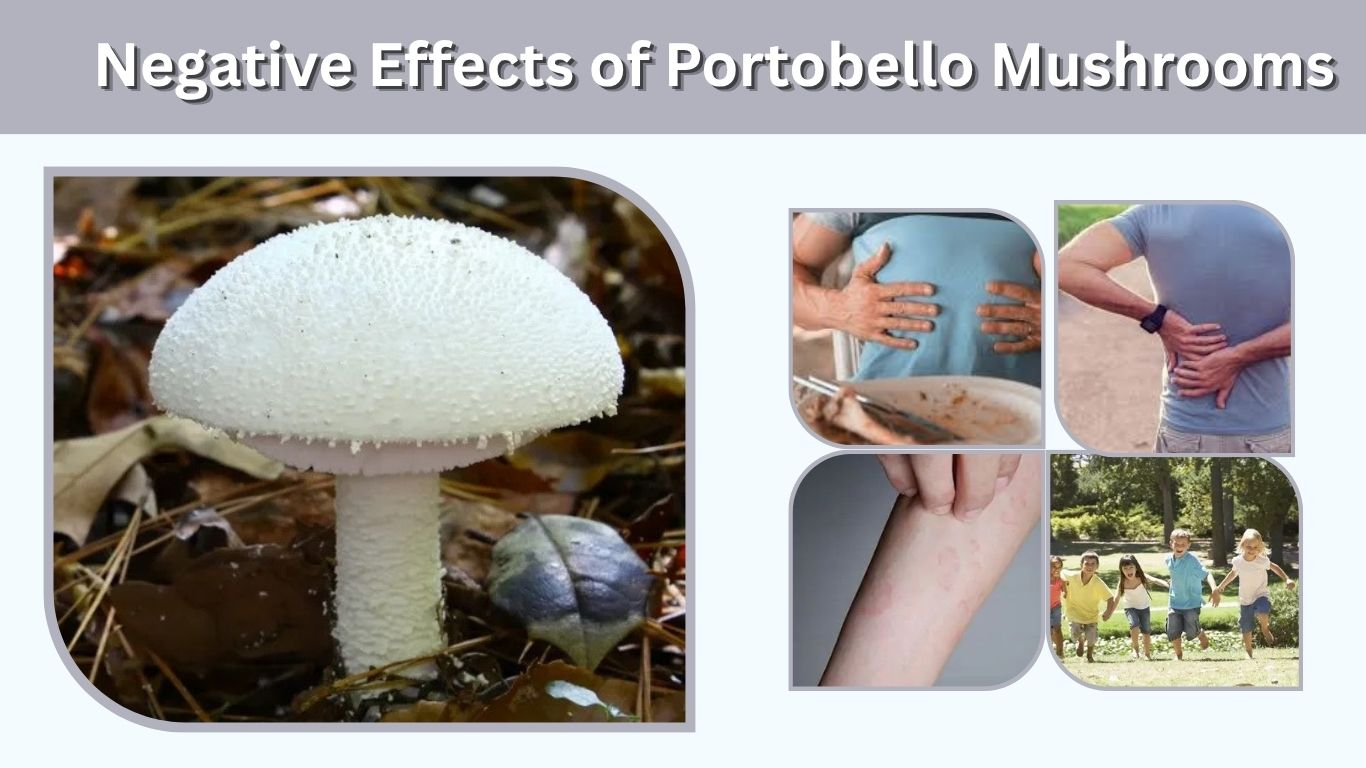
Portobello mushrooms are popular because they are meaty, flavorful, and easy to use in burgers, stir-fries, pasta, and grilled dishes. For most people, cooked portobellos are safe in normal food amounts. Still, they can cause problems for some people, especially when eaten raw, undercooked, spoiled, or in large portions. Here are the possible negative effects and how to reduce the risks.
Are Portobello Mushrooms Bad for You?
Portobello mushrooms are not naturally “bad” for most healthy adults. The main concern is not regular cooked mushrooms but how they are prepared, how fresh they are, and whether a person has allergies, digestive sensitivity, kidney issues, or a weakened immune system.
Portobellos are the mature form of Agaricus bisporus, the same species as white button and cremini mushrooms. They contain fiber, water, minerals, and B vitamins. But like many foods, they can still cause side effects in certain situations.
Some risks are real and practical, such as stomach upset, food poisoning from spoiled mushrooms, or allergic reactions. Other concerns, like online claims about “explosive” hidden dangers, are often exaggerated. The safest approach is simple: buy fresh mushrooms, clean them well, cook them properly, and avoid eating large amounts raw.
Common Negative Effects of Portobello Mushrooms
Most side effects are mild, but some can be serious for sensitive people. The reaction may depend on portion size, cooking method, and personal health condition.
| Possible negative effect | Main cause | Who may be more affected |
| Gas and bloating | Mushroom fiber and chitin | People with sensitive digestion |
| Nausea or stomach cramps | Raw, spoiled, or large portions | Anyone, especially sensitive eaters |
| Allergy symptoms | Mushroom proteins | People with mushroom allergy |
| Food poisoning | Poor storage or contamination | Children, elderly, pregnant people |
| Kidney diet concern | Potassium content | People on potassium restriction |
| Chemical concern | Agaritine in raw mushrooms | Frequent raw mushroom eaters |
1. Digestive Discomfort
Portobello mushrooms can cause gas, bloating, stomach cramps, or loose stool in some people. This happens because mushrooms contain chitin, a tough fiber found in fungal cell walls. Chitin is not easy for everyone to digest.
People with irritable bowel syndrome, weak digestion, or general food sensitivity may notice symptoms after eating a large mushroom cap. Raw portobello mushrooms may be harder to digest than cooked ones. Cooking softens the mushroom structure and makes it easier on the stomach.
Common digestive symptoms include:
- Gas after eating portobello mushrooms
- Bloating or pressure in the stomach
- Mild nausea
- Stomach cramps
- Loose stool in sensitive people
To reduce this effect, eat a smaller portion first. Cook the mushrooms until soft and avoid pairing them with too much oil, cheese, cream, or heavy sauces if your stomach is sensitive.
2. Problems from Eating Raw Portobello Mushrooms
Raw portobello mushrooms are not the best choice for regular eating. Some people eat thin raw slices in salads, but cooked mushrooms are usually safer and easier to digest.
Raw portobellos may contain small amounts of naturally occurring agaritine. This compound has caused debate because some lab and animal studies raised concerns about its breakdown products. However, the real-world risk from normal food amounts is not clearly proven in humans.
Still, cooking is the safer option because heat can reduce agaritine levels and improve digestibility. Cooking also helps reduce microbes that may be present on the mushroom surface.
Possible issues from raw or undercooked portobellos include:
- Harder digestion
- Higher chance of stomach upset
- Greater concern about agaritine exposure
- Possible exposure to surface bacteria
- Unpleasant rubbery texture
If you enjoy portobellos often, it is better to grill, roast, sauté, or bake them instead of eating them raw.
3. Allergy Reactions
Mushroom allergy is not very common, but it can happen. Some people may react to portobello mushrooms even if they can eat other vegetables without trouble. A reaction may appear quickly after eating or may develop within a few hours.
Mild symptoms can include itching, rash, hives, swelling of the lips, nausea, or stomach pain. In rare cases, a serious allergic reaction can cause breathing trouble, throat swelling, dizziness, or fainting.
Do not ignore strong symptoms after eating mushrooms. A serious allergic reaction needs urgent medical attention.
Signs of a possible portobello mushroom allergy include:
- Itchy skin or hives
- Swelling around the mouth or face
- Vomiting or diarrhea
- Wheezing or shortness of breath
- Tight feeling in the throat
People who work around mushrooms, mushroom farms, or spores may also develop sensitivity through repeated exposure. If mushrooms repeatedly cause symptoms, avoid them and speak with a doctor.
4. Food Poisoning Risk
Portobello mushrooms can become unsafe if they are old, slimy, moldy, or stored badly. Like other fresh foods, mushrooms can collect bacteria during handling, transport, or storage. Eating spoiled mushrooms may cause nausea, vomiting, stomach cramps, or diarrhea.
Fresh portobellos should feel firm and smell earthy, not sour or rotten. The surface should not be wet, sticky, or heavily darkened. A little natural browning can be normal, but slimy texture is a warning sign.
Avoid mushrooms that have:
- A sour or fishy smell
- Slimy surface
- Visible mold
- Soft or collapsing caps
- Dark liquid in the package
Store portobellos in the refrigerator. Keep them dry and ventilated. Do not leave cooked mushrooms at room temperature for many hours. Leftovers should be refrigerated quickly and reheated well before eating.
Why Cooking Portobello Mushrooms Matters
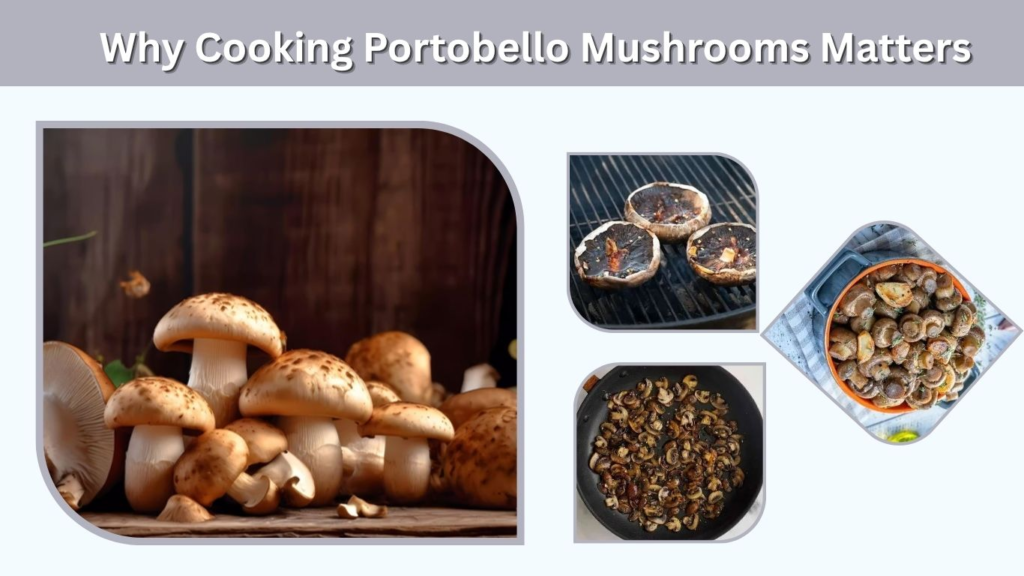
Cooking is one of the easiest ways to lower the negative effects of portobello mushrooms. It improves taste, softens the tough cell walls, reduces surface microbes, and lowers some natural compounds that are higher in raw mushrooms.
You do not need a complicated method. Sautéing, grilling, roasting, or baking can work well. The goal is to heat the mushroom fully, not just warm the surface.
Good cooking methods include:
- Grilling portobello caps until tender
- Sautéing sliced mushrooms in a pan
- Roasting mushrooms in the oven
- Baking stuffed portobello mushrooms
- Adding cooked slices to pasta or rice
Avoid burning them. Very high heat can create bitter flavors and reduce quality. Cook until the cap becomes tender and the released moisture has mostly evaporated.
Agaritine and Hydrazine Concerns
Many searches about the negative effects of portobello mushrooms mention agaritine and hydrazines. Agaritine is a naturally occurring compound found in Agaricus mushrooms, including portobello, cremini, and white button mushrooms.
The concern is mostly about raw mushrooms and high exposure. Some studies have discussed possible toxic or carcinogenic effects from agaritine-related compounds. However, this does not mean a cooked portobello burger is dangerous.
The key points are:
- Portobellos contain agaritine naturally.
- Cooking can reduce agaritine levels.
- Normal cooked food portions are not the same as high-dose lab exposure.
- Regular raw mushroom eating may be less wise than cooked consumption.
For everyday eating, the practical advice is simple: do not panic, but cook portobello mushrooms before eating them regularly.
The Joe Rogan and Paul Stamets Rumor
Some people search for “negative effects of portobello mushrooms Joe Rogan” or “Paul Stamets negative effects of portobello mushrooms” because of an interview where the topic sounded mysterious. That moment created online curiosity, but it did not prove that portobello mushrooms are secretly deadly.
The real discussion is about compounds like agaritine, especially in raw Agaricus mushrooms. It is not proof that cooked portobellos are unsafe for normal people.
So, the balanced answer is this: there are reasonable food safety concerns, but many viral claims are overstated. Cooking portobellos and eating them in moderate amounts is the sensible middle ground.
Who Should Be Careful with Portobello Mushrooms?
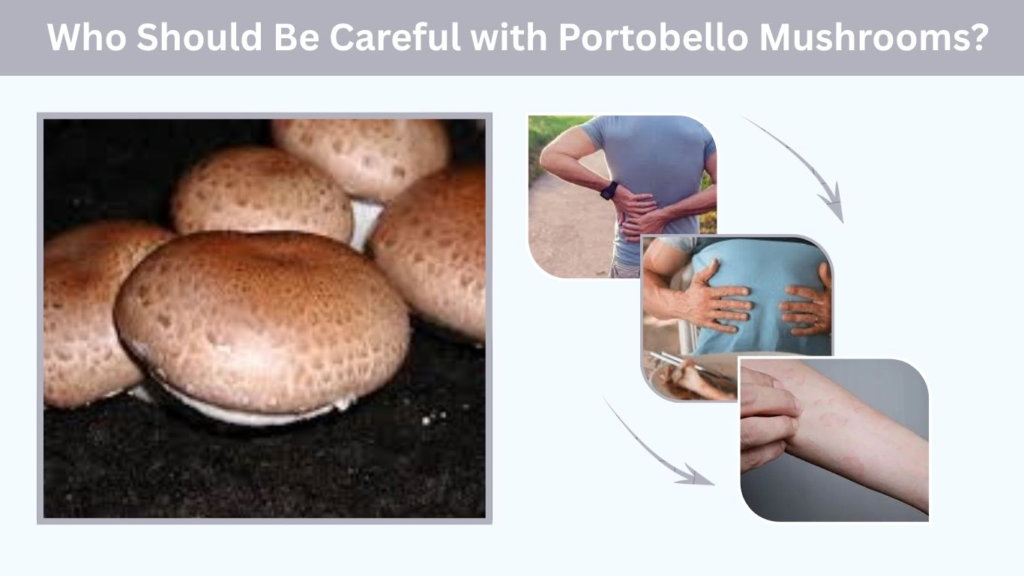
Most adults can eat cooked portobellos without issue. However, some groups should be more careful because they may react more strongly to contamination, digestive load, or mineral content.
People who should be cautious include:
- People with mushroom allergies
- People who get bloating from mushrooms
- People with kidney disease on a potassium-restricted diet
- Pregnant people avoiding foodborne illness risks
- Older adults with weaker immunity
- Young children
- People with immune system problems
This does not mean all these groups must avoid portobello mushrooms completely. It means they should avoid raw mushrooms, eat only fresh and fully cooked mushrooms, and follow personal medical advice.
Kidney and Potassium Concerns
Portobello mushrooms contain potassium. For healthy people, potassium is an important mineral. But for people with kidney disease, high-potassium foods may need to be limited.
One serving of portobello mushrooms is not usually considered extremely high in potassium compared with many other foods, but it can still matter if someone is tracking potassium closely. People on a kidney diet should ask a doctor or dietitian how much mushroom is safe for them.
This is especially important if they also eat other potassium-rich foods in the same meal, such as potatoes, beans, spinach, bananas, or tomato sauce.
Medication and Diet Considerations
Portobello mushrooms are not known as a common dangerous food-drug interaction. However, people on strict medical diets should still be careful. The issue is usually not the mushroom alone but the full meal.
For example, portobello dishes may include high-sodium sauces, cheese, butter, processed buns, or salty marinades. These additions may be more problematic than the mushroom itself for people with high blood pressure, kidney disease, or heart concerns.
If you are following a medical diet, check the whole recipe, not only the mushroom.
How to Eat Portobello Mushrooms More Safely
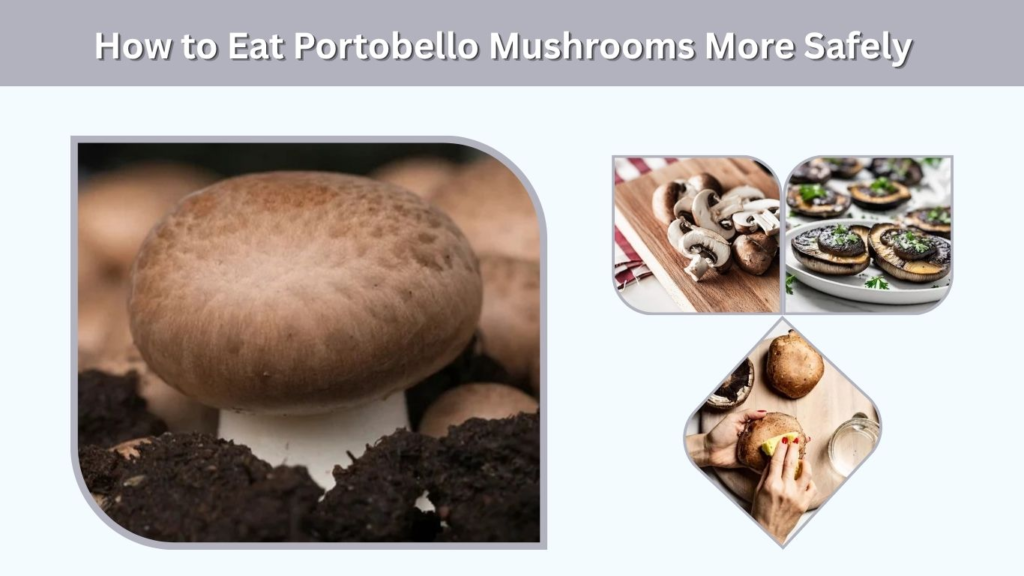
You can reduce most negative effects with simple preparation and storage habits. Portobellos are not difficult to handle, but they should be treated like a fresh perishable food.
Helpful safety tips:
- Choose firm mushrooms with an earthy smell.
- Avoid slimy, sour-smelling, or moldy mushrooms.
- Store them in the refrigerator.
- Clean off dirt before cooking.
- Cook them fully before regular eating.
- Do not eat large amounts raw.
- Refrigerate leftovers quickly.
- Throw away mushrooms that look spoiled.
Some people remove the dark gills before cooking. This is not always necessary for safety, but it can reduce excess moisture, make the flavor milder, and improve the look of the dish.
Best Portion Size
There is no single perfect portion for everyone. For many people, one medium portobello cap is a normal serving. If you are new to mushrooms or have a sensitive stomach, start with a smaller amount.
Eating a large plate of mushrooms may cause bloating even if the mushrooms are fresh and cooked. Moderation is a smart way to enjoy the flavor without upsetting your digestion.
Raw vs Cooked Portobello Mushrooms
Cooked portobellos are the better choice for most people. Raw mushrooms may be harder to digest and may keep more of their natural agaritine content. Cooking also improves texture and flavor.
If you still want to use raw slices in a salad, keep the portion small, use very fresh mushrooms, clean them well, and avoid serving them raw to high-risk people.
FAQs
What are the main negative effects of portobello mushrooms?
The main negative effects are bloating, gas, stomach cramps, nausea, allergy symptoms, and possible food poisoning from spoiled mushrooms. Raw portobellos may also raise more concern because they contain agaritine and are harder to digest. Most problems are reduced when mushrooms are fresh, cleaned, cooked, and eaten in moderate portions.
Are portobello mushrooms dangerous to eat raw?
Raw portobello mushrooms are not usually treated as highly poisonous, but eating them raw is not the best habit. They may be harder to digest and contain more agaritine than cooked mushrooms. Cooking lowers safety concerns, improves texture, and reduces microbes. Regular raw consumption should be avoided, especially by sensitive people.
Can portobello mushrooms cause allergic reactions?
Yes, portobello mushrooms can cause allergic reactions in some people. Symptoms may include itching, hives, swelling, stomach pain, vomiting, or breathing trouble. Severe reactions are rare but possible. Anyone who gets repeated symptoms after eating mushrooms should avoid them and speak with a healthcare professional.
Why do portobello mushrooms upset my stomach?
Portobellos contain chitin, a tough fiber that some people digest poorly. Large portions, raw mushrooms, oily recipes, or spoiled mushrooms can also upset the stomach. Cooking them well and eating smaller portions may help. If symptoms happen every time, you may have a sensitivity or allergy.
Are cooked portobello mushrooms safe?
Cooked portobello mushrooms are generally safe for most healthy people when they are fresh and properly prepared. Cooking makes them easier to digest and reduces some natural compounds found in raw mushrooms. People with mushroom allergy, kidney restrictions, pregnancy-related food safety concerns, or weak immunity should be more cautious.