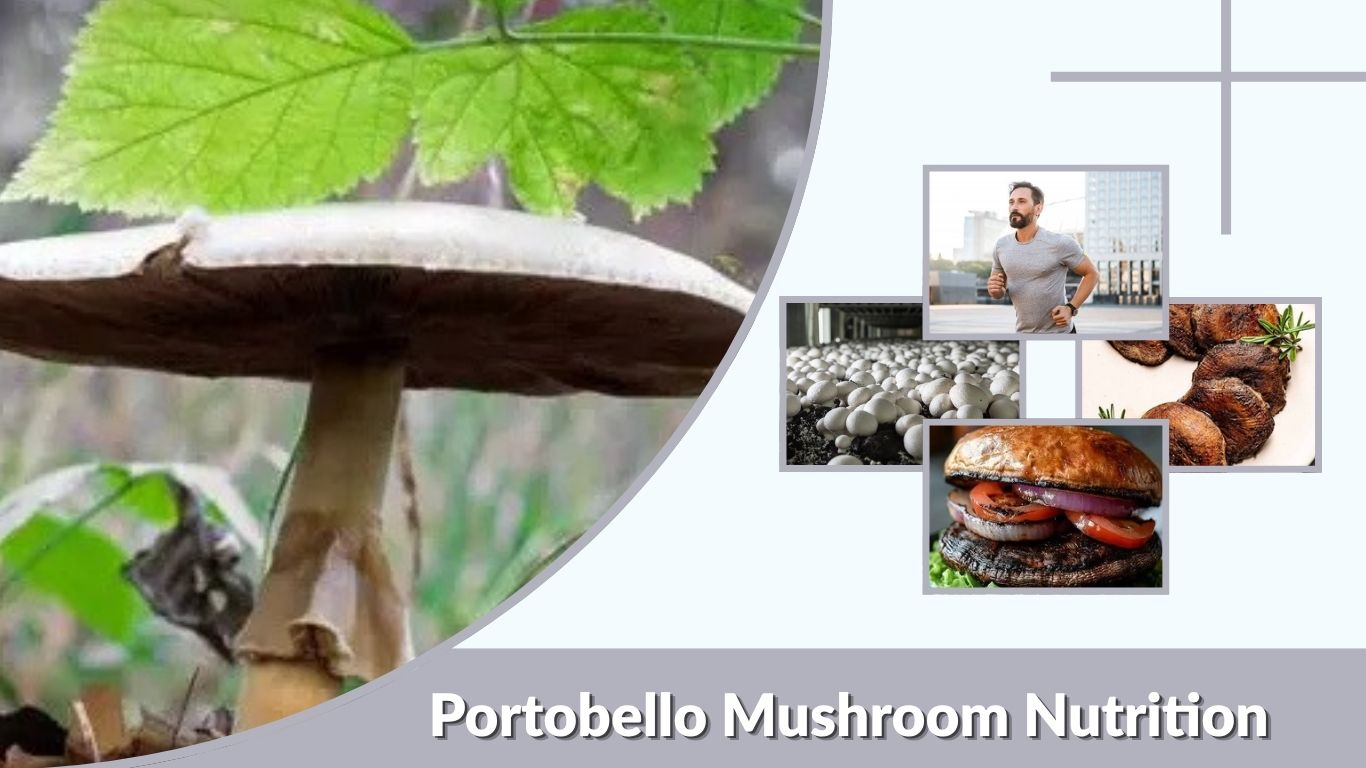
Portobello mushrooms are large, meaty mushrooms known for their rich flavor and firm texture. They are often used in burgers, grilled dishes, stuffed recipes, and low-calorie meals. Nutritionally, portobello mushrooms are low in calories but provide useful minerals, B vitamins, fiber, and a small amount of protein. Their savory taste also makes them a helpful ingredient for people who want more flavor without adding too much fat or sodium.
What Are Portobello Mushrooms?
Portobello mushrooms are the mature form of Agaricus bisporus, the same species that includes white button mushrooms and cremini mushrooms. When this mushroom is harvested young, it may be sold as white button or brown cremini. When allowed to grow larger and mature, it becomes a portobello mushroom with a wide cap, darker gills, and deeper flavor.
Portobello mushrooms are popular because their texture is firm and almost meat-like after cooking. This makes them useful in vegetarian burgers, grilled sandwiches, stuffed mushroom caps, pasta, and roasted vegetable dishes. They are not high in calories, but they can make meals feel filling because of their size and umami flavor.
Identification
- Large, round, flat cap with a brown surface.
- Cap may be smooth, slightly dry, or lightly wrinkled.
- Dark brown gills are visible underneath the cap.
- Thick, short stem that may be trimmed before cooking.
- Firm texture when fresh.
- Mild earthy smell, not sour or rotten.
- Usually sold as whole caps, sliced mushrooms, or baby portobellos.
- Avoid mushrooms that are slimy, very soft, or strongly unpleasant in smell.
Portobello Mushroom Nutrition Facts
Portobello mushrooms are mostly water, which keeps them low in calories. They also provide carbohydrates, fiber, a little protein, and several micronutrients. According to USDA-linked nutrition data, raw portobello mushrooms are low in fat and calories, while grilled portobellos remain a light food with around 29 calories and more than 3 grams of protein per 100 grams.
The exact nutrition can change by size, weight, cooking method, and whether oil, butter, cheese, breadcrumbs, or sauces are added. A plain grilled portobello cap is very different from a breaded, fried, or cheese-stuffed portobello dish.
| Nutrition Point | What It Means |
| Calories | Naturally low, especially when cooked without heavy oil |
| Protein | Small amount, helpful but not a complete meal protein |
| Carbohydrates | Mostly light carbs with some fiber |
| Fat | Very low unless cooked with butter, oil, or cheese |
| Potassium | Helps add mineral value to meals |
| Selenium | Supports antioxidant-related body functions |
| B vitamins | Help the body use energy from food |
| Vitamin D | Varies widely depending on UV exposure |
Calories in Portobello Mushrooms
Portobello mushrooms are a low-calorie food. A plain mushroom cap can add bulk and flavor to a meal without adding many calories. This is why portobello mushrooms are often used in lighter recipes, especially as a burger bun alternative, meat substitute, or grilled vegetable centerpiece.
However, calories increase quickly when portobello mushrooms are cooked with oil, butter, cheese, cream sauce, breadcrumbs, or fried coatings. A plain grilled cap is light, while a stuffed or fried portobello can become much higher in calories.
Protein in Portobello Mushrooms
Portobello mushrooms contain a small amount of protein. They are not as protein-rich as meat, eggs, fish, tofu, lentils, or beans, but they can still add extra protein to a meal. Per 100 grams, grilled portobello mushrooms provide a little over 3 grams of protein in USDA-linked nutrition data.
For a balanced meal, pair portobello mushrooms with a stronger protein source. Good options include eggs, chicken, fish, tofu, lentils, beans, chickpeas, cheese, Greek yogurt sauce, or whole grains.
Portobello Mushroom Nutritional Value
Portobello mushrooms are valuable because they provide flavor, texture, and nutrients while staying light. They are not a high-energy food, but they are useful in healthy meal planning. Their mineral content and savory taste make them a good addition to vegetable-based meals.
They also contain compounds found in many edible mushrooms, including beta-glucans and antioxidants. Harvard’s Nutrition Source notes that mushrooms can contain B vitamins and minerals, while vitamin D levels vary widely depending on UV light exposure.
Vitamins and Minerals
Portobello mushrooms can provide several important nutrients in small to moderate amounts. These may include niacin, riboflavin, pantothenic acid, copper, selenium, phosphorus, and potassium. These nutrients support normal body functions such as energy metabolism, cell protection, and fluid balance.
They should not be treated as a complete nutrition source, but they are a helpful part of a varied diet. Eating them with other vegetables, whole grains, and protein foods creates a more complete meal.
Vitamin D in Portobello Mushrooms
Vitamin D in portobello mushrooms depends heavily on exposure to ultraviolet light. Mushrooms grown in dark conditions may contain very little vitamin D, while UV-treated mushrooms can contain much more. Harvard explains that mushroom vitamin D levels vary widely based on UV exposure.
If vitamin D is important for your diet, check the package label. Some mushrooms are sold as “UV-treated” or “high in vitamin D.” Regular portobello mushrooms may not provide much vitamin D unless they have been exposed to UV light.
Portobello Mushroom Benefits
Portobello mushrooms offer several nutrition and cooking benefits. They are low in calories, naturally savory, and easy to use in many meals. Their large size makes them especially useful for people who want a filling vegetable-based dish.
They can support healthier cooking because they add depth without requiring much salt or fat. Their meaty texture also helps reduce the need for processed meat in some recipes.
Key Benefits
- Low in calories when cooked plain.
- Naturally low in fat.
- Provides minerals such as selenium and potassium.
- Adds B vitamins to meals.
- Offers a firm, satisfying texture.
- Works well as a meat substitute in some dishes.
- Adds savory umami flavor.
- Helps increase vegetable and mushroom intake.
- Can be grilled, roasted, sautéed, or stuffed.
- Suitable for many vegetarian and weight-conscious recipes.
Are Portobello Mushrooms Healthy?
Yes, portobello mushrooms can be healthy when prepared simply. They are low in calories, low in fat, and provide useful nutrients. They are especially healthy when grilled, roasted, or sautéed with a small amount of oil and paired with vegetables, lean protein, or whole grains.
They become less healthy when heavily fried, covered in creamy sauces, or stuffed with high amounts of cheese and processed meat. The mushroom itself is light; the cooking method decides much of the final nutrition.
Portobello Mushroom Cap Nutrition
The cap is the main edible part of a portobello mushroom. It is large, broad, and often used as the base for burgers or stuffed recipes. The cap contains water, fiber, carbohydrates, small amounts of protein, and micronutrients.
Large portobello caps vary in weight, so nutrition can change from one mushroom to another. A small cap and a giant cap will not have the same calories or protein. For the most accurate calculation, weigh the mushroom before cooking.
Large Portobello Mushroom Nutrition
A large portobello mushroom cap is still relatively low in calories when plain. It can feel filling because of its size and texture, even though it does not contain many calories. This makes it useful for people who want a larger-looking meal without adding heavy ingredients.
When using a large cap for a burger, remember that toppings matter. Cheese, mayonnaise, creamy sauce, fried onions, and buns can add far more calories than the mushroom itself.
Whole Portobello Mushroom Nutrition
A whole portobello mushroom may include the cap, stem, and gills. The stem is edible but can be tough, so many cooks remove it. The gills are also edible, though some people scrape them out because they can darken sauces or make stuffed mushrooms look muddy.
Removing the gills does not dramatically change the basic nutrition. It mostly changes appearance, texture, and moisture.
Cooked Portobello Mushroom Nutrition
Cooking changes the weight and texture of portobello mushrooms because water evaporates. As the mushroom shrinks, nutrients may appear more concentrated per cooked weight. A grilled portobello also develops a deeper flavor and firmer bite.
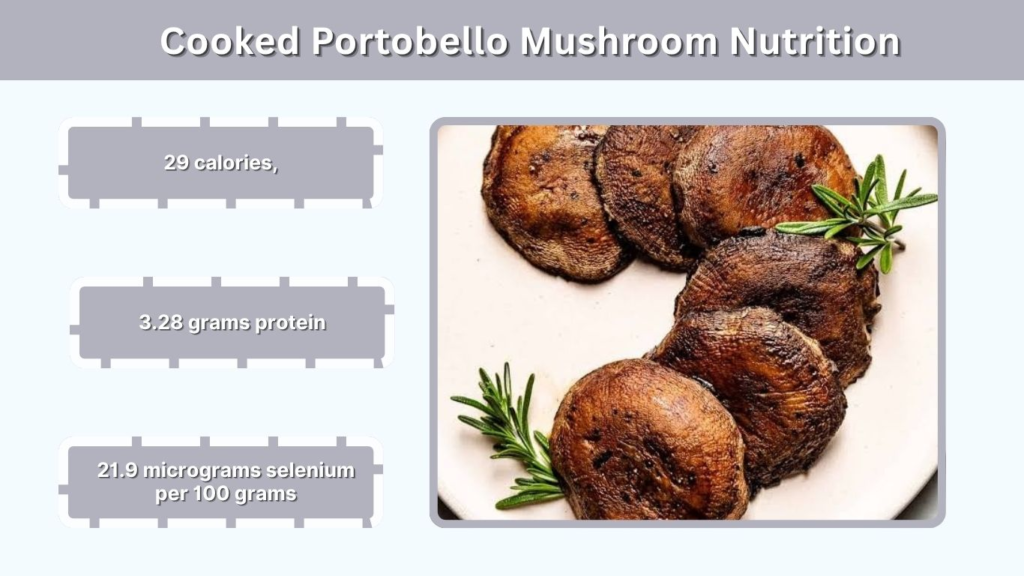
Plain grilled mushrooms stay low in calories. USDA-linked data for grilled portobello mushrooms lists about 29 calories, 3.28 grams protein, and 21.9 micrograms selenium per 100 grams.
Grilled Portobello Mushroom Nutrition
Grilled portobello mushrooms are one of the best options for light eating. Grilling brings out their smoky, savory flavor without needing much added fat. A little olive oil, garlic, black pepper, lemon juice, and herbs can be enough.
Avoid soaking them in too much marinade. Portobello mushrooms absorb liquid quickly, and sugary or oily marinades can change the nutrition. A light coating is usually better than a heavy sauce.
Fried Portobello Mushroom Nutrition
Fried portobello mushrooms are usually much higher in calories. Breaded and fried mushrooms absorb oil, and the coating adds carbohydrates. If cheese or creamy dip is added, the dish becomes even heavier.
For a healthier version, bake or air-fry breaded portobello slices instead of deep-frying. This keeps some crunch while reducing added fat.
Portobello Mushroom Burger Nutrition
A portobello mushroom burger can be a lighter alternative to a meat burger, but it depends on the full recipe. A grilled mushroom cap is low in calories, but the bun, cheese, sauce, and toppings can make the final burger much higher.
A simple version with a grilled mushroom cap, lettuce, tomato, onion, and mustard is lighter. A version with cheese, mayonnaise, fried toppings, and a large bun will be more calorie-dense.
How to Make It Healthier
Use a whole-grain bun or lettuce wrap, grill the mushroom instead of frying it, and use lighter toppings. Add protein if needed, because the mushroom alone does not provide as much protein as a meat patty.
Good additions include hummus, beans, tofu, grilled chicken, egg, or a yogurt-based sauce. These ingredients can make the meal more balanced while keeping the portobello flavor strong.
Portobello vs White Mushroom Nutrition
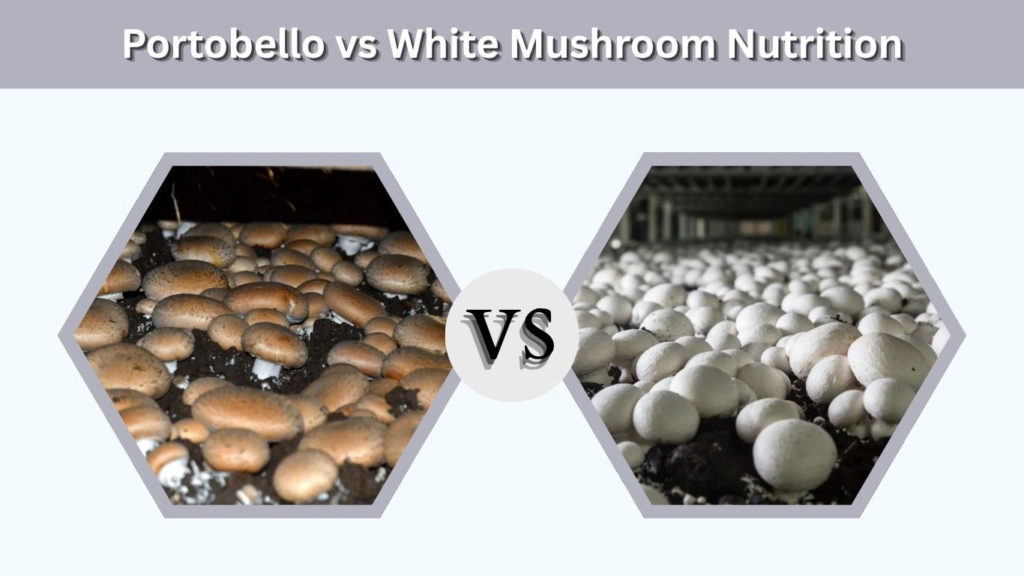
Portobello mushrooms and white button mushrooms come from the same species, but they are harvested at different stages. White button mushrooms are younger and milder. Portobellos are mature, larger, darker, and stronger in flavor.
Nutritionally, both are low-calorie mushrooms with useful minerals and B vitamins. The biggest difference is usually texture and flavor, not a huge nutrition gap.
Main Differences
- Portobellos are larger and more mature.
- White button mushrooms are smaller and milder.
- Portobellos have a stronger, earthier taste.
- White mushrooms are softer and lighter in flavor.
- Portobellos work better for grilling and stuffing.
- White mushrooms work well in soups, salads, and light sauces.
- Both are low in calories and naturally low in fat.
- Both can provide B vitamins and minerals.
Baby Portobello Mushroom Nutrition
Baby portobello mushrooms are usually cremini mushrooms. They are the younger brown form of Agaricus bisporus. They have a similar flavor to portobellos but are smaller and easier to slice.
Nutritionally, baby portobellos are also low in calories and provide useful micronutrients. They are excellent for stir-fries, omelets, soups, pasta, and side dishes. Because they are smaller, they cook faster than large portobello caps.
How to Use Portobello Mushrooms in Meals
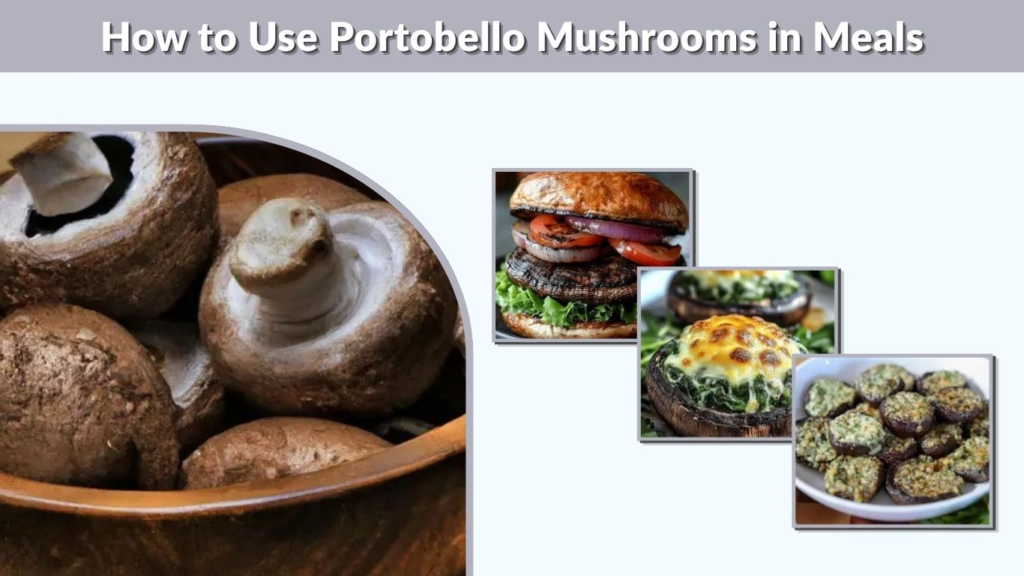
Portobello mushrooms are versatile and easy to use. Their strong flavor works well with garlic, herbs, onions, cheese, balsamic vinegar, soy sauce, lemon, black pepper, and olive oil.
They can be the main ingredient or a side dish. Their large cap also makes them perfect for stuffing with vegetables, grains, cheese, or lean protein.
Meal Ideas
- Grilled portobello mushroom burger.
- Stuffed portobello caps with spinach and cheese.
- Sliced portobello stir-fry.
- Portobello mushroom pasta.
- Roasted portobello with garlic and herbs.
- Portobello fajitas with peppers and onions.
- Portobello mushroom soup.
- Portobello slices in grain bowls.
- Portobello pizza caps.
- Portobello with eggs for breakfast.
Storage and Food Safety
Fresh portobello mushrooms should be stored in the refrigerator. Keep them in a breathable package or paper bag, not sealed tightly in wet plastic. Do not wash them before storing because extra moisture can make them spoil faster.
Before cooking, wipe them with a damp cloth or rinse quickly and dry well. Throw them away if they become slimy, mushy, sour-smelling, or heavily discolored. Cooked mushrooms should be refrigerated in a sealed container and eaten within a safe leftover period.
FAQs
How many calories are in a portobello mushroom?
A plain portobello mushroom is low in calories, but the exact number depends on size and weight. A large cap has more calories than a small cap, but it is still light compared with many burger patties or fried foods. Added oil, cheese, and sauces increase calories.
Are portobello mushrooms high in protein?
Portobello mushrooms contain some protein, but they are not a high-protein food. Grilled portobello mushrooms provide a little over 3 grams of protein per 100 grams in USDA-linked nutrition data. For a high-protein meal, pair them with eggs, tofu, beans, fish, chicken, or lentils.
Do portobello mushrooms have vitamin D?
They may contain vitamin D, but the amount depends on UV exposure. Regular mushrooms grown in dark conditions may have very little vitamin D. UV-treated mushrooms can have much higher levels. Check the package label if you are buying mushrooms specifically for vitamin D.
Is a portobello mushroom burger healthy?
A portobello mushroom burger can be healthy if it is grilled and served with lighter toppings. The mushroom cap itself is low in calories and fat. The final nutrition depends on the bun, cheese, sauce, oil, and side dishes served with it.
Are portobello mushroom gills nutritious?
Portobello mushroom gills are edible and contain similar mushroom material, but many cooks remove them for texture and appearance. The dark gills can make sauces or fillings look muddy. Removing them is optional and does not make the mushroom unhealthy.