
Button mushrooms are one of the most common mushrooms used in everyday cooking. They are small, mild in flavor, and easy to add to soups, salads, omelets, pasta, rice dishes, and stir-fries. Beyond their taste and texture, button mushrooms are also valued for their nutrition. They are low in calories, naturally low in fat, and provide useful vitamins, minerals, and antioxidants that can support a balanced diet.
What Are Button Mushrooms?
Button mushrooms are the young form of Agaricus bisporus, the same species that later develops into cremini and portobello mushrooms. White button mushrooms are harvested early, before the cap opens fully. Their mild flavor makes them suitable for both raw and cooked recipes.
These mushrooms are technically fungi, not vegetables, but they are often used like vegetables in meals. They contain water, fiber, protein, B vitamins, selenium, copper, potassium, and other nutrients. Because they are light but filling, they are often used in weight-friendly meals and plant-forward diets.
Button Mushroom Nutrition Facts
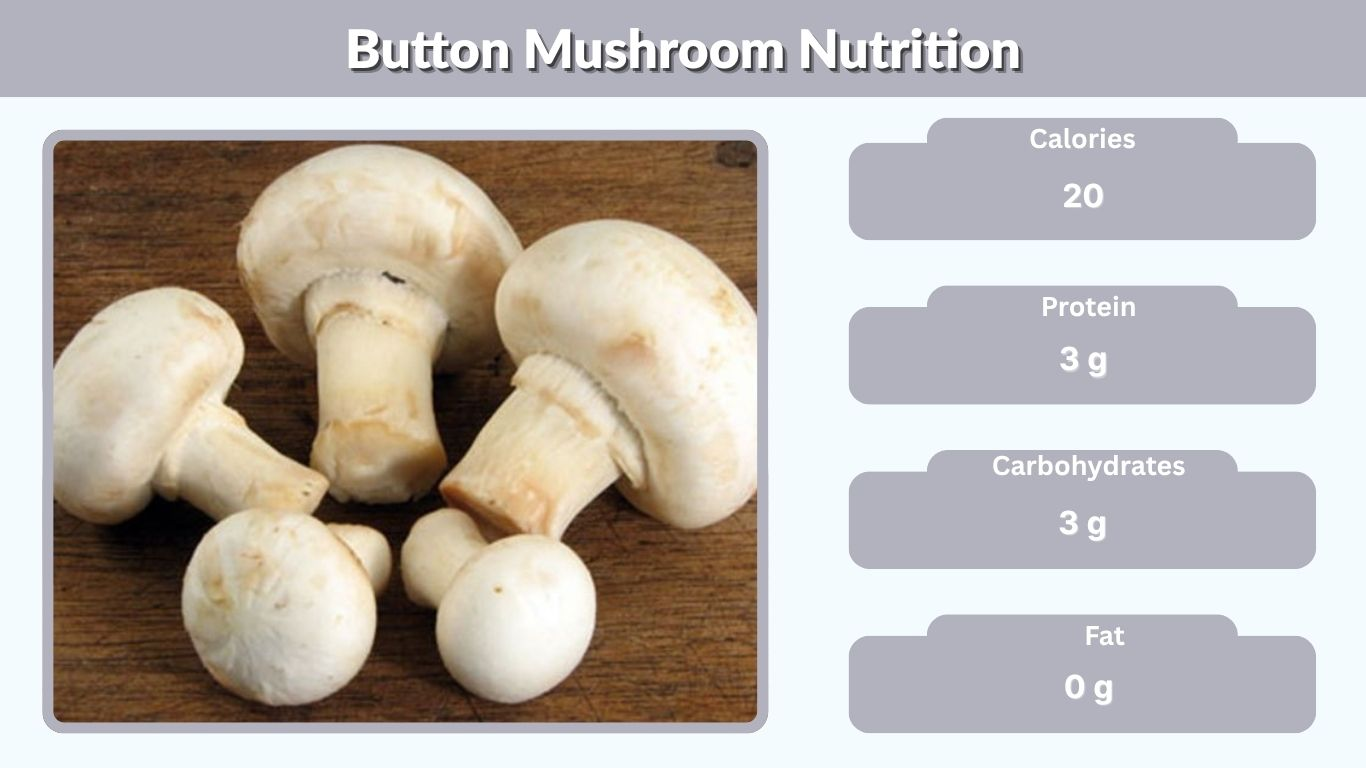
Button mushrooms are low in calories but still provide several important nutrients. A typical serving of about 5 medium raw white button mushrooms, or around 90 grams, contains roughly 20 calories, 3 grams of protein, 3 grams of carbohydrates, and almost no fat.
| Nutrient | Approximate Amount in 5 Medium Raw Button Mushrooms |
|---|---|
| Calories | 20 |
| Protein | 3 g |
| Carbohydrates | 3 g |
| Fat | 0 g |
| Vitamin D | Small amount, higher if UV-exposed |
| Potassium | Moderate amount |
| Selenium | Good source |
| Copper | Good source |
| B Vitamins | Present in useful amounts |
The exact nutrition can vary based on mushroom size, growing method, freshness, and whether the mushrooms have been exposed to ultraviolet light. UV-exposed mushrooms can contain much more vitamin D than regular mushrooms.
Calories and Macronutrients
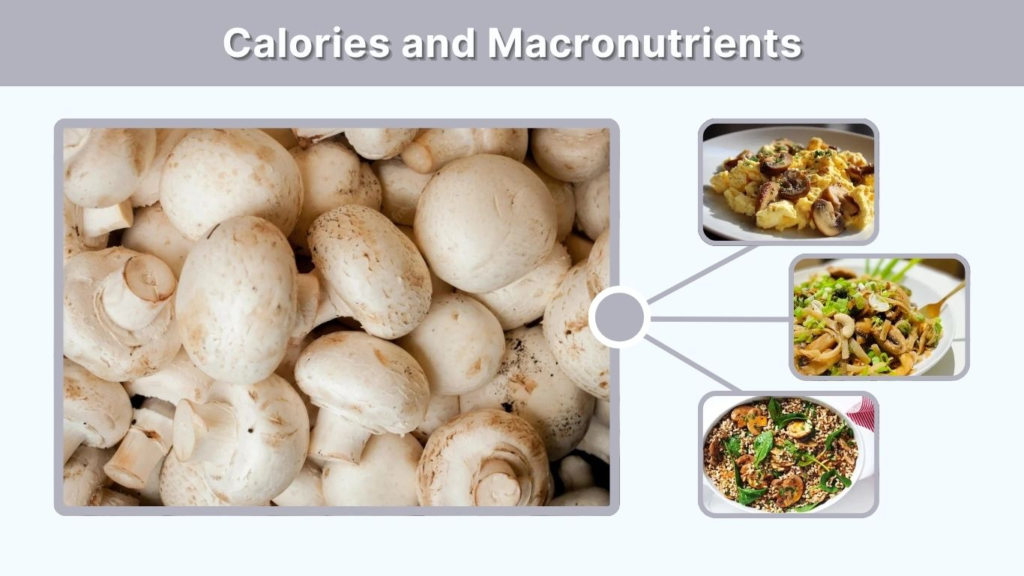
Button mushrooms are a good choice for people who want flavorful food without adding many calories. They are mostly water, which helps explain why they are so low in energy. This makes them useful in meals where you want more volume without making the dish heavy.
Low in Calories
A serving of button mushrooms adds bulk and texture to meals while keeping calories low. This can be helpful for people trying to manage weight, build balanced plates, or reduce high-calorie ingredients without losing flavor.
They can be added to:
- Omelets and scrambled eggs
- Stir-fries and noodles
- Soups and stews
- Salads and grain bowls
- Sandwiches and wraps
Because mushrooms have a savory taste, they can also help reduce the need for extra salt, butter, or heavy sauces.
Moderate Plant-Based Protein
Button mushrooms are not a high-protein food like beans, lentils, eggs, fish, or chicken. However, they do provide a small amount of protein for very few calories. This makes them a useful supporting ingredient in meals.
For a more filling meal, pair button mushrooms with protein-rich foods such as eggs, tofu, lentils, chicken, fish, Greek yogurt, beans, or cottage cheese.
Vitamins in Button Mushrooms
Button mushrooms contain several B vitamins that help the body use energy from food. These vitamins also support normal cell function and metabolism.
B Vitamins
Button mushrooms naturally contain B vitamins such as riboflavin, niacin, and pantothenic acid. These nutrients play roles in energy production, skin health, nervous system function, and red blood cell support.
Although mushrooms should not be your only source of B vitamins, they can contribute meaningfully when eaten regularly as part of a varied diet.
Vitamin D Potential
One of the most interesting parts of mushroom nutrition is vitamin D. Mushrooms can produce vitamin D2 when exposed to ultraviolet light. Regular button mushrooms may contain only a small amount, while UV-exposed button mushrooms can provide much more.
Vitamin D supports bone health, immune function, and calcium absorption. If you are buying mushrooms for vitamin D, check the package label. Some products clearly mention “UV-exposed” or “high in vitamin D.”
Minerals in Button Mushrooms
Button mushrooms provide several minerals that support everyday health. They are especially known for selenium and copper, while also contributing potassium and phosphorus.
Selenium
Selenium is a trace mineral that helps support antioxidant activity in the body. It also plays a role in thyroid function and immune health. Button mushrooms can be a useful food source of selenium, especially for people who eat a varied diet with grains, eggs, seafood, nuts, and vegetables.
Copper
Copper helps the body form red blood cells, maintain connective tissue, and support normal immune function. Button mushrooms provide copper in useful amounts, making them a simple way to add this mineral to meals.
Potassium
Potassium helps support normal fluid balance, nerve function, and muscle activity. Button mushrooms do not contain as much potassium as foods like bananas, potatoes, beans, or spinach, but they still contribute to daily intake.
Health Benefits of Button Mushrooms
Button mushrooms are not a magic food, but they can support health when included in a balanced eating pattern. Their benefits come from their low calorie content, nutrients, fiber, and natural plant-like compounds.
Supports Weight-Friendly Meals
Because button mushrooms are low in calories and high in water, they can make meals feel larger and more satisfying. Adding mushrooms to pasta, rice, eggs, or meat dishes can increase volume without greatly increasing calories.
Some people also use finely chopped mushrooms mixed with ground meat. This method, sometimes called “blending,” can reduce calories and saturated fat while keeping a rich, savory texture.
Provides Antioxidant Compounds
Button mushrooms contain antioxidant compounds, including selenium-related antioxidants and other natural substances found in fungi. Antioxidants help protect cells from oxidative stress. This does not mean mushrooms prevent disease by themselves, but they can be part of an overall nutrient-rich diet.
Supports Heart-Friendly Eating
Button mushrooms are naturally cholesterol-free, very low in fat, and low in sodium. They can fit well into heart-friendly meals when cooked with healthy methods. The benefits are strongest when mushrooms replace or reduce higher-fat ingredients instead of being cooked in large amounts of butter or cream.
Helpful for Plant-Forward Diets
Button mushrooms have a savory, umami flavor that works well in vegetarian and flexitarian meals. They can make meatless dishes feel more satisfying. Their texture also helps them work as a filling ingredient in burgers, tacos, sauces, and casseroles.
Raw vs Cooked Button Mushrooms
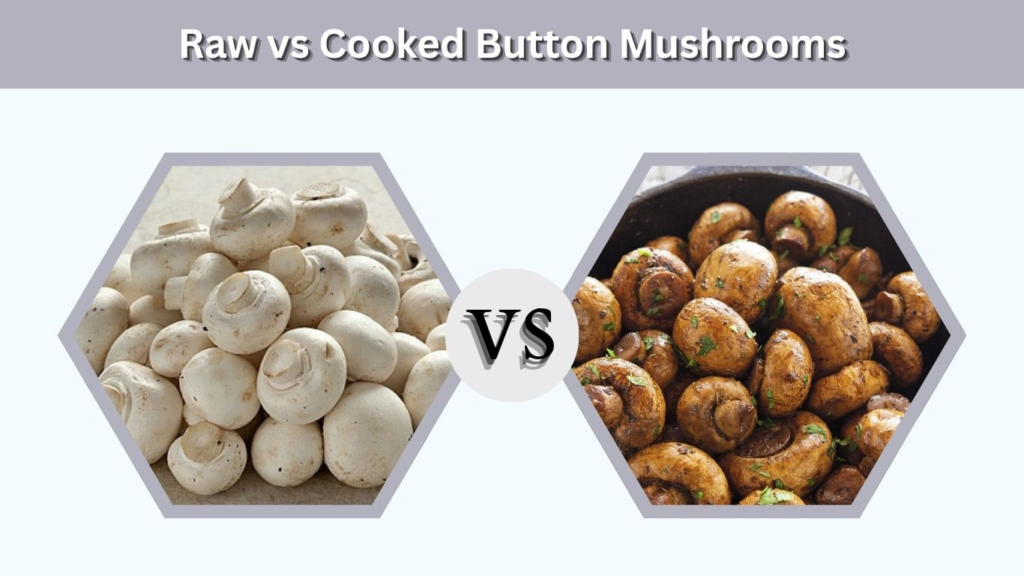
Button mushrooms can be eaten raw or cooked, but cooking often improves flavor and texture. Raw mushrooms are commonly used in salads, while cooked mushrooms are popular in hot dishes.
Raw Button Mushrooms
Raw button mushrooms have a firm texture and mild taste. They work well when sliced thinly and added to salads or sandwiches. Always clean them properly and use fresh mushrooms with no slimy texture, dark wet spots, or unpleasant smell.
Cooked Button Mushrooms
Cooking mushrooms brings out their savory flavor. It also reduces their water content, making the taste more concentrated. Sautéing, roasting, grilling, and adding them to soups are common ways to prepare them.
Healthier cooking tips include:
- Use a small amount of olive oil instead of too much butter
- Avoid drowning mushrooms in heavy cream sauces
- Add garlic, herbs, black pepper, or lemon for flavor
- Cook over medium-high heat to reduce excess water
- Pair with vegetables, lean protein, or whole grains
Are Button Mushrooms Good for Weight Loss?
Button mushrooms can be a smart food for weight management because they are low in calories and add volume to meals. They are not a weight-loss solution by themselves, but they can help replace higher-calorie ingredients.
For example, adding mushrooms to an omelet, soup, pasta sauce, or stir-fry can make the meal more filling. They also provide a meaty texture, which may help reduce the amount of processed meat or high-fat toppings in some dishes.
The key is preparation. Mushrooms remain light when grilled, roasted, steamed, or sautéed with a small amount of oil. They become much higher in calories when cooked with lots of butter, cheese, cream, or deep-fried coatings.
Who Should Be Careful with Button Mushrooms?
Button mushrooms are safe for most people when bought from reliable stores and prepared properly. However, some people should be cautious.
People with mushroom allergies should avoid them. Anyone with digestive sensitivity may need to start with small amounts, especially if mushrooms cause bloating or discomfort. People on special medical diets should follow advice from a doctor or dietitian.
Never eat wild mushrooms unless they have been identified by a qualified expert. Some poisonous wild mushrooms can look similar to edible varieties, and mistakes can be dangerous.
Easy Ways to Add Button Mushrooms to Meals
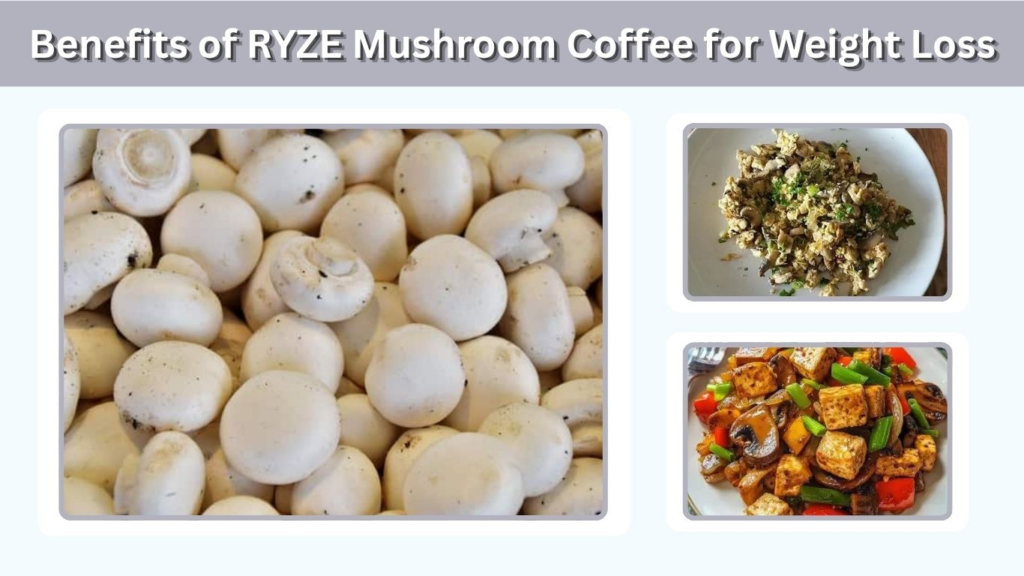
Button mushrooms are flexible and quick to prepare. Their mild taste allows them to blend with many flavors.
Simple meal ideas include:
- Add sliced mushrooms to scrambled eggs
- Mix chopped mushrooms into pasta sauce
- Roast mushrooms with garlic and herbs
- Add them to chicken, beef, or tofu stir-fries
- Use them in vegetable soups
- Put raw slices into salads
- Add them to pizza, wraps, or sandwiches
- Mix them with lentils or beans for a filling dish
For the best texture, avoid soaking mushrooms in water. Wipe them with a damp cloth or rinse quickly and dry them before cooking.
FAQs
Are button mushrooms healthy?
Yes, button mushrooms are healthy for most people. They are low in calories, very low in fat, and provide nutrients such as B vitamins, selenium, copper, and potassium. They also contain antioxidants and can add flavor and volume to meals without making them heavy.
How many calories are in button mushrooms?
Button mushrooms are very low in calories. About 5 medium raw white button mushrooms, or roughly 90 grams, contain around 20 calories. The number can change slightly based on size and preparation. Cooking with butter, oil, cheese, or cream will increase the total calories.
Do button mushrooms have vitamin D?
Regular button mushrooms may contain only a small amount of vitamin D. However, mushrooms exposed to ultraviolet light can provide much higher levels of vitamin D2. If you want mushrooms for vitamin D, check the package label for terms like “UV-exposed” or “high in vitamin D.”
Can I eat button mushrooms every day?
Many people can eat button mushrooms daily as part of a balanced diet. They work well in eggs, soups, salads, stir-fries, and pasta dishes. However, variety is still important. Rotate mushrooms with other vegetables, legumes, whole grains, fruits, and protein foods for broader nutrition.
Are raw button mushrooms safe to eat?
Raw button mushrooms are generally safe when they are fresh, clean, and bought from a reliable source. Slice them into salads or sandwiches, and avoid any mushrooms that smell bad, feel slimy, or show signs of spoilage. Cooking is often preferred because it improves flavor and texture.