
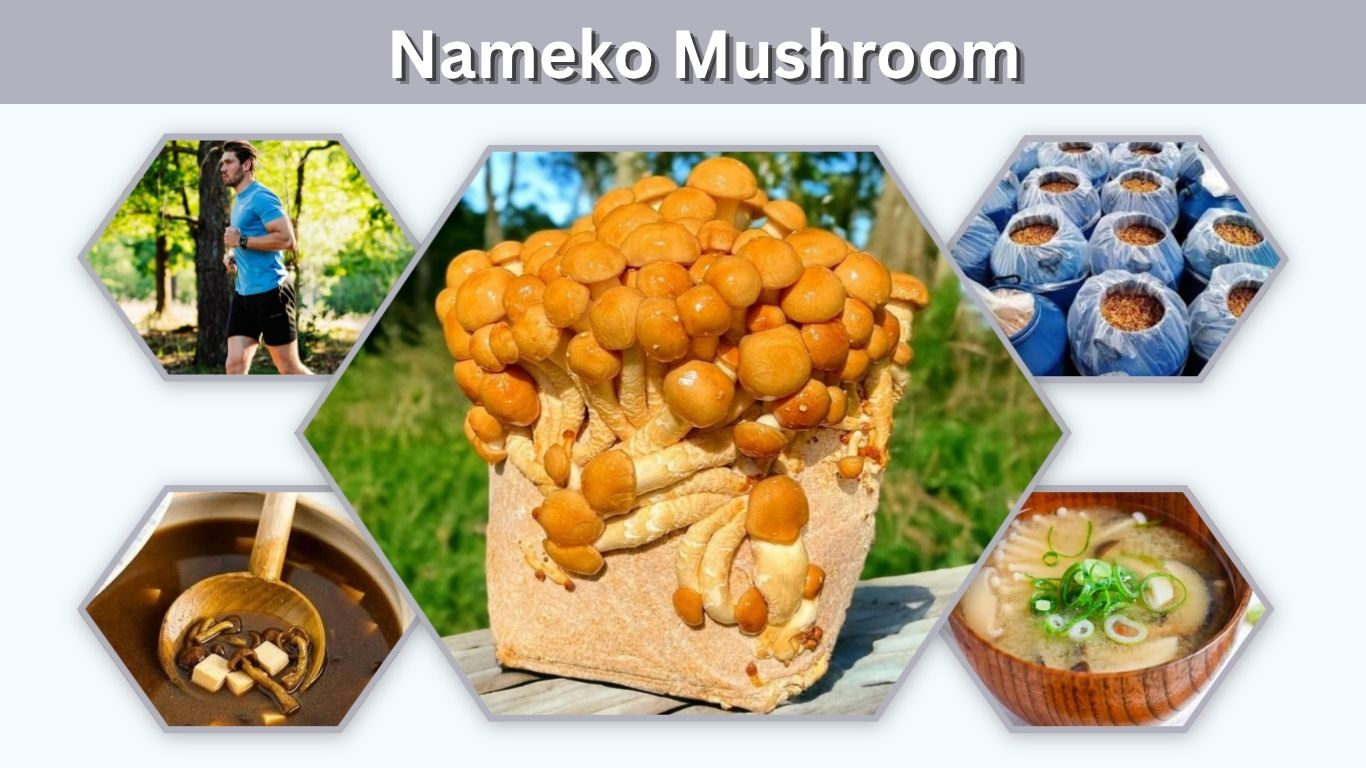
Nameko mushroom is a small amber-brown mushroom best known for its glossy cap, mild earthy flavor, and naturally slippery texture. Popular in Japanese cooking, nameko mushrooms are often added to miso soup, hot pots, rice bowls, sauces, and stir-fries. They are also becoming more familiar to home cooks, growers, and specialty food buyers looking for mushrooms with unique texture, umami flavor, and versatile kitchen uses.
What Is Nameko Mushroom?
Nameko mushroom is an edible mushroom commonly associated with Japanese cuisine. It is often sold fresh, canned, dried, brined, or frozen depending on the market. The mushroom is small, with a rounded orange to amber-brown cap and a pale stem.
The feature that makes nameko different from many other mushrooms is its glossy coating. This coating gives the mushroom a slippery feel, which may seem unusual at first. However, that same texture is one reason cooks use nameko in soups and sauces, because it can lightly thicken broths without flour, cream, or cornstarch.
Nameko Mushroom vs Nameko Mushrooms
Both “nameko mushroom” and “nameko mushrooms” refer to the same ingredient. The singular version is often used when people search for general information, while the plural version is common in recipes, shopping searches, and cooking guides.
For SEO, both keywords should be used naturally. A good article should not repeat one phrase too often. Instead, it should include variations such as nameko mushrooms, Japanese nameko mushrooms, forest nameko mushroom, dried nameko mushrooms, and how to cook nameko mushrooms.
Is Forest Nameko a Wild Mushroom?
The phrase “forest nameko mushroom” can refer to nameko growing in a natural woodland environment, but many products sold as forest nameko mushrooms are cultivated. Nameko naturally grows on decaying hardwood, which is why it is strongly connected with forest-style cultivation.
Consumers should avoid foraging nameko or any lookalike mushroom unless they have expert identification skills. Many small brown or orange mushrooms can look similar, and some wild mushrooms are unsafe to eat. For most people, the safest choice is to buy nameko mushrooms from a trusted grocery store, Asian market, mushroom farm, or verified supplier.
Nameko Mushroom Taste and Texture
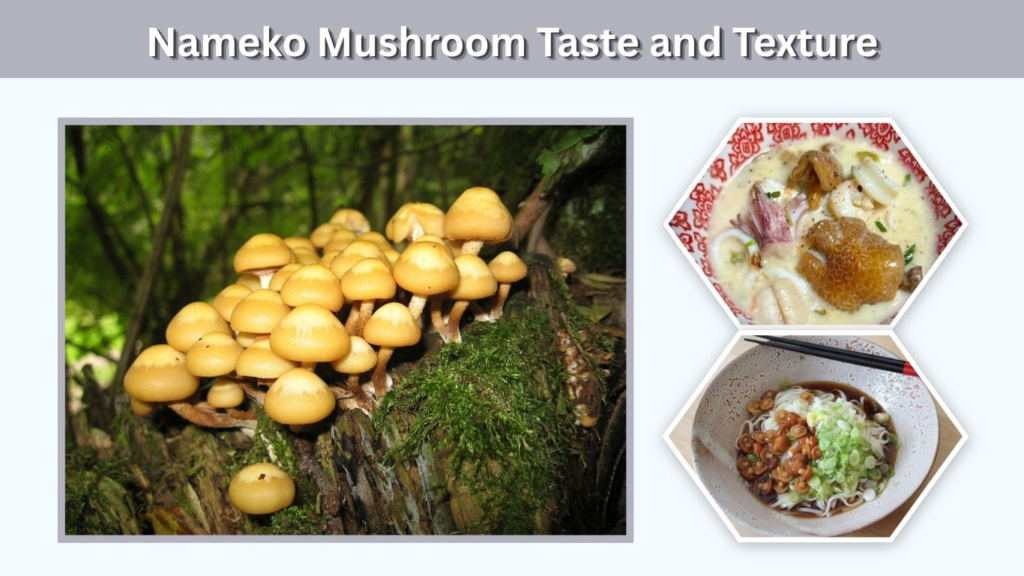
Nameko mushroom has a mild, earthy, slightly nutty flavor. It is not as bold as shiitake and not as delicate as enoki. Its biggest culinary feature is texture.
Fresh nameko has a smooth cap with a gelatinous coating. When cooked, this texture becomes pleasant in soups, noodle bowls, and rice dishes. It gives broth a silky feel and helps sauces cling to ingredients.
What Does Nameko Mushroom Taste Like?
Nameko mushroom taste is usually described as:
- Mild and earthy
- Lightly nutty
- Savory but not overpowering
- Slightly woodsy
- Silky when cooked in liquid
Because the flavor is gentle, nameko works well with miso, soy sauce, ginger, garlic, sesame oil, green onion, rice, noodles, tofu, fish, chicken, and vegetables.
Can You Eat Nameko Mushroom Stems?
Yes, nameko mushroom stems are generally edible when the mushrooms come from a reliable food source. The stems are small and tender compared with tougher mushroom stems such as some shiitake stems. Trim off any dry or dirty ends before cooking.
If using canned, brined, or marinated nameko mushrooms, check the texture first. Some preserved mushrooms may have softer stems than fresh ones.
How to Cook Nameko Mushrooms
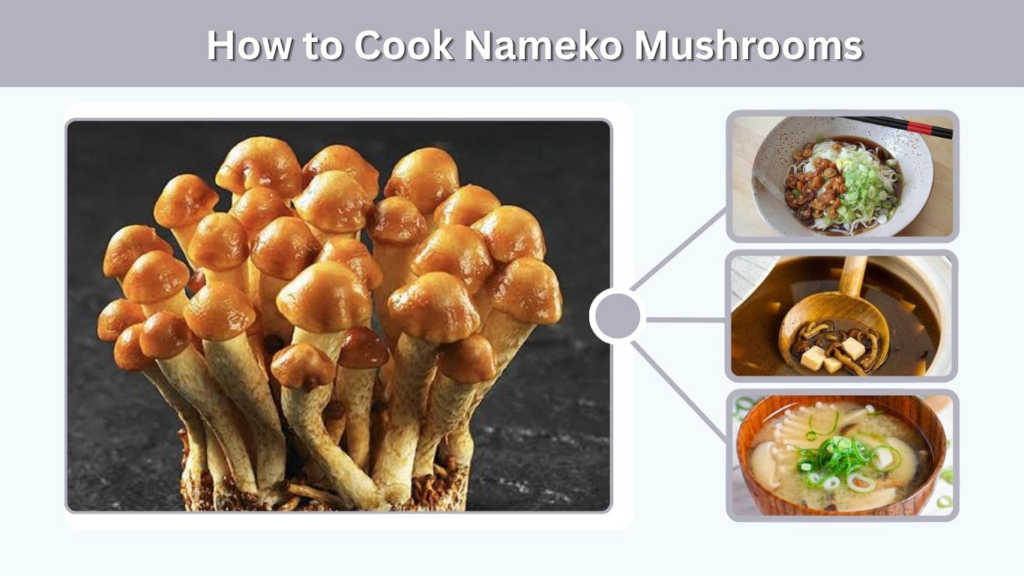
Nameko mushrooms are easy to cook, but they should not be overhandled. Their slippery coating is natural and useful, especially in soups. Do not wash them aggressively unless they are dirty. A quick rinse or gentle wipe is usually enough.
The best cooking methods are simple. Nameko does not need long cooking time, and its texture can become too soft if boiled for too long.
Simple Cooking Tips
Use these tips when cooking nameko mushrooms:
- Add them near the end of soup cooking.
- Simmer gently instead of boiling hard.
- Use them in broth-based dishes where their texture can shine.
- Pair them with umami-rich seasonings like miso, soy sauce, or dashi.
- Drain and rinse canned or brined nameko if the liquid tastes too salty.
- Avoid deep frying unless the mushrooms are well dried first.
Nameko Mushroom Miso Soup
Nameko mushroom miso soup is one of the most popular ways to use this ingredient. The mushroom’s slippery cap gives the soup a silky body, while the earthy flavor works well with miso paste and dashi.
A simple version includes dashi, miso paste, nameko mushrooms, tofu, wakame, and green onion. Add the nameko mushrooms shortly before turning off the heat. Then dissolve the miso gently so it does not boil heavily.
Nameko Mushroom Stir Fry
Nameko mushroom stir fry is best when cooked quickly over medium-high heat. Because nameko releases moisture and has a naturally slick texture, it works well with vegetables, noodles, tofu, or thinly sliced meat.
A basic stir fry can include garlic, ginger, sesame oil, soy sauce, green onion, and a small amount of rice vinegar. Cook the mushrooms briefly so they stay tender and glossy.
Nameko Mushroom Soup Recipe Idea
For a simple nameko mushroom soup, simmer vegetable or chicken broth with ginger, garlic, tofu, and greens. Add nameko mushrooms in the final few minutes. Season with soy sauce or miso, then finish with scallions.
This type of soup is light, warming, and quick enough for a weeknight meal.
Nameko Mushroom Recipes and Food Ideas
Nameko mushrooms can be used in more than miso soup. Their texture makes them especially useful in dishes where a silky sauce or broth is welcome.
| Dish Idea | Best Form to Use | Why It Works |
| Miso soup | Fresh, frozen, or canned | Adds silkiness and mild umami |
| Hot pot | Fresh or frozen | Holds shape in broth |
| Rice bowl | Simmered or marinated | Adds savory topping |
| Stir fry | Fresh | Cooks quickly with vegetables |
| Mushroom gravy | Fresh or dried | Helps thicken sauce naturally |
| Risotto | Fresh or rehydrated dried | Adds earthy depth |
| Noodle soup | Fresh, canned, or brined | Pairs well with broth and soy sauce |
Nameko Mushroom Gravy
Nameko mushroom gravy is a good option for people who want a mushroom sauce with body. Because nameko has a slippery coating, it can help create a smoother texture. Combine sautéed nameko with butter or oil, onion, garlic, stock, and a small amount of flour or starch if needed.
This gravy can be served over mashed potatoes, rice, roasted vegetables, chicken, or tofu.
Nameko Mushroom Risotto
Nameko mushroom risotto works best when the mushrooms are added near the end. Cook the rice with broth as usual, then fold in sautéed nameko mushrooms before finishing with butter or cheese. Their earthy flavor adds depth without overpowering the dish.
Nameko Mushroom Pasta
For pasta, sauté garlic in olive oil, add nameko mushrooms, then season with soy sauce, miso butter, or a small splash of cream. Toss with noodles and finish with black pepper, parsley, or green onion.
Fresh, Dried, Canned, Brined, and Marinated Nameko
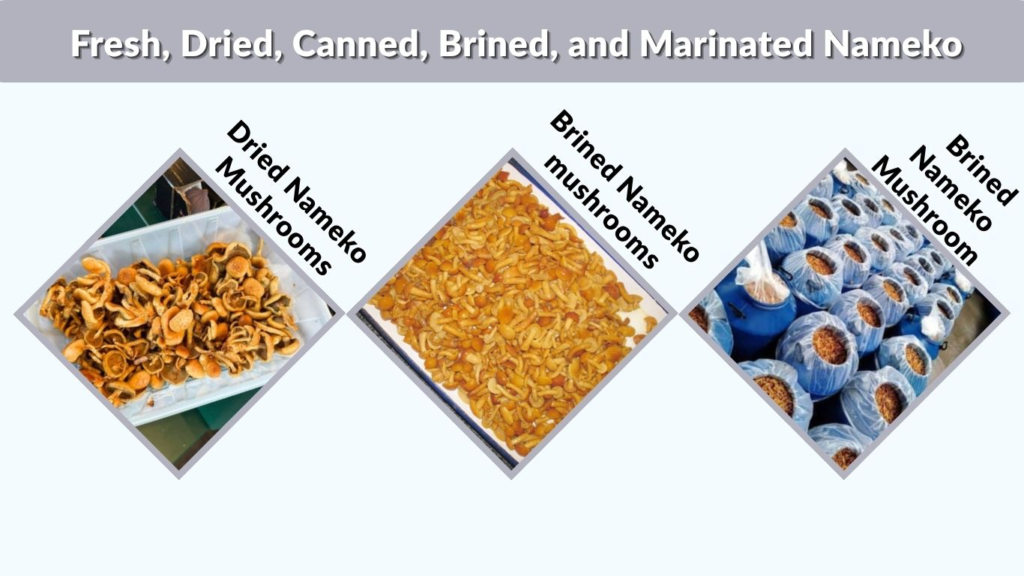
Nameko mushrooms appear in several product forms. The best choice depends on how you plan to use them.
Fresh nameko is ideal for soups, stir-fries, and hot pots. Dried nameko is useful for storage and concentrated mushroom flavor. Canned nameko mushrooms are convenient for quick meals. Brined or salted nameko mushrooms are common in commercial packaging, including drums for foodservice buyers.
Dried Nameko Mushrooms
Dried nameko mushrooms should be rehydrated before cooking. Soak them in warm water until softened, then strain the soaking liquid if you want to use it in broth. The liquid can add mushroom flavor to soups, sauces, and risotto.
Dried nameko is useful for people who cannot find fresh mushrooms locally. It also works well for online sellers because it is lighter and easier to ship than fresh mushrooms.
Canned Nameko Mushrooms
Canned nameko mushrooms are already preserved in liquid. They are convenient for miso soup, noodle bowls, and quick side dishes. Drain them first, then taste before adding extra salt because canned products may already contain sodium.
Brined or Salted Nameko Mushrooms in Drum
Keywords such as “brined nameko mushrooms in drum,” “salted nameko mushrooms in drum,” and “preserve nameko mushrooms in drum” show commercial buying intent. These searches are likely from wholesalers, restaurants, importers, or food manufacturers.
For commercial content, pages should include product form, packaging size, origin, storage method, shelf life, food safety certifications, and shipping options.
Nameko Mushroom Benefits and Nutrition

Nameko mushrooms are valued mainly as a food, not a medicine. Like many edible mushrooms, they are low in calories and can contribute fiber, minerals, and beneficial plant compounds to the diet.
Their natural polysaccharides, including beta-glucans, are often discussed in relation to mushroom nutrition. However, nameko mushroom benefits should be presented carefully. It is better to say they can be part of a balanced diet rather than claiming they cure or prevent disease.
Potential Benefits of Nameko Mushrooms
Nameko mushrooms may support a healthy diet in several practical ways:
- They add umami flavor with few calories.
- Their texture can thicken soups without heavy cream.
- They provide dietary fiber.
- They pair well with vegetables, tofu, grains, and lean proteins.
- They can help make simple meals more satisfying.
Nameko Mushroom Medicinal Uses
Some people search for nameko mushroom medicinal uses, but food articles should avoid exaggerated health claims. Nameko can be described as a nutritious edible mushroom with traditional culinary use and interesting mushroom compounds. It should not be promoted as a treatment for medical conditions.
Anyone using mushroom supplements or concentrated extracts should speak with a healthcare professional, especially if they are pregnant, breastfeeding, taking medication, or managing a health condition.
Growing Nameko Mushrooms
Growing nameko mushrooms is a popular topic among mushroom hobbyists. Search terms such as “growing nameko mushrooms,” “how to grow nameko mushrooms,” “nameko mushroom cultivation,” “nameko mushroom spawn,” and “nameko mushroom logs” all point to cultivation intent.
Nameko can be grown on hardwood logs or supplemented sawdust blocks. It prefers cool, moist conditions during fruiting. Compared with beginner-friendly mushrooms like oyster mushrooms, nameko can be more demanding because it requires good humidity, cleanliness, and patience.
Growing Nameko Mushrooms on Logs
Log cultivation is a traditional method. Hardwood logs are inoculated with nameko mushroom spawn, sealed, and left to colonize. Fruiting may take many months depending on the log, climate, and conditions.
This method is attractive for outdoor growers because logs can produce over more than one season. However, it requires space, shade, moisture, and correct identification at harvest.
Growing Nameko Mushrooms Indoors
Indoor growers often use sterilized sawdust blocks. This method gives more control over temperature, humidity, and contamination. Growers need clean technique, a suitable substrate, and a fruiting area with high humidity.
For beginners, a nameko mushroom kit may be easier than starting from culture or spawn. Kits usually include a prepared block that is already colonized and ready for fruiting.
Are Nameko Mushrooms from China Safe?
Some users search questions like “are nameko mushrooms from China safe” or “are nameko mushroom product of China safe.” The answer depends on the supplier, not only the country.
Buy from brands that provide clear labeling, food safety standards, batch information, and proper packaging. For canned, brined, dried, or marinated mushrooms, check the expiry date, ingredient list, storage instructions, and whether the container is damaged.
Avoid products with swollen cans, broken seals, strange odors, or unclear origin details.
Buying Nameko Mushroom Products
Nameko mushrooms may be available at Asian grocery stores, specialty mushroom farms, online food shops, and wholesale suppliers. Availability depends heavily on location.
Fresh nameko may be harder to find than canned or dried nameko. Foodservice buyers may search for IQF nameko mushroom suppliers, marinated nameko mushrooms, or bulk brined nameko in drums.
What to Look for When Buying
When buying nameko mushroom products, check:
- Product form: fresh, dried, canned, frozen, brined, or marinated
- Country of origin and supplier details
- Packaging size and storage instructions
- Expiry or best-before date
- Sodium level in canned or brined products
- Food safety certifications for wholesale orders
Nameko Mushroom Character, Game, and Cartoon Searches
Some keywords, such as “nameko mushroom cartoon,” “nameko mushroom character,” “nameko mushroom game,” and “mushroom garden nameko,” do not show food intent. These searches are likely related to the Japanese character or game franchise connected with nameko mushrooms.
A food website should not target these keywords too heavily unless it has a separate article about nameko in pop culture. Mixing game and recipe intent on the same page may confuse readers and search engines.
For this article, the focus should remain on the edible mushroom, cooking, recipes, benefits, growing, and buying options.
FAQs
What are nameko mushrooms used for?
Nameko mushrooms are commonly used in miso soup, hot pots, noodle bowls, rice dishes, stir-fries, sauces, and mushroom gravy. Their slippery texture makes them especially good in broths because they add a silky feel without needing heavy cream or extra starch.
How do you cook nameko mushrooms?
Cook nameko mushrooms gently and briefly. Add them near the end of soups, simmer them in soy-based sauces, or stir-fry them with garlic, ginger, vegetables, and noodles. Avoid overcooking because the mushrooms are small and can become too soft.
Are nameko mushrooms healthy?
Nameko mushrooms can be part of a healthy diet. They are low in calories, add umami flavor, and provide fiber and mushroom compounds such as polysaccharides. However, they should be treated as food, not as a cure or medical treatment.
Can you grow nameko mushrooms at home?
Yes, nameko mushrooms can be grown at home on hardwood logs or sawdust blocks. However, they are more challenging than some beginner mushrooms. A ready-to-fruit nameko mushroom kit is usually the easiest option for new growers.
What does nameko mushroom taste like?
Nameko mushroom has a mild, earthy, slightly nutty flavor. Its texture is more noticeable than its flavor because the cap has a natural glossy coating. When cooked in soup or sauce, it creates a smooth, silky mouthfeel.