
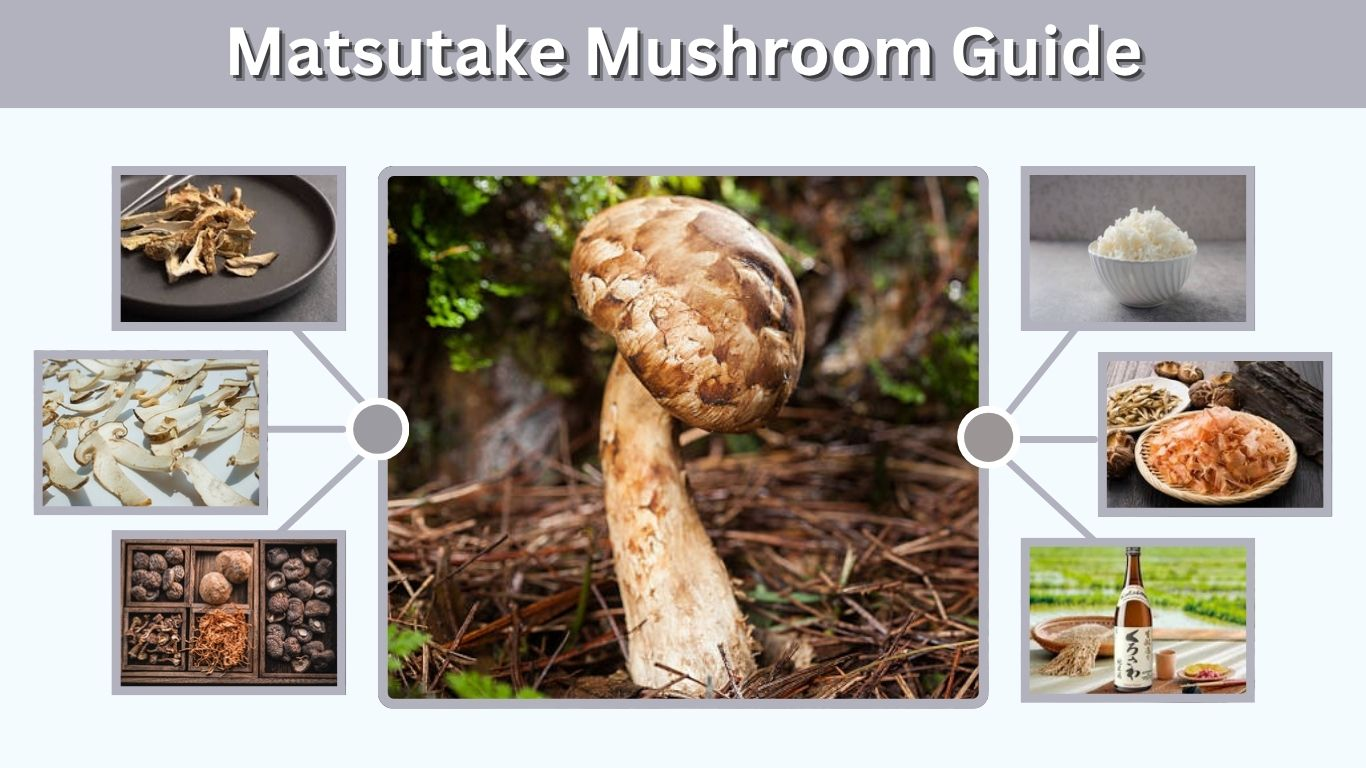
Matsutake mushroom is one of the most prized wild mushrooms in the world. Known for its spicy pine aroma, firm texture, and deep savory flavor, it is especially popular in Japanese, Korean, Chinese, and Pacific Northwest cooking. Many people search for matsutake mushrooms because they want to know why they are expensive, how to cook them, where they grow, and whether they are safe to forage.
What Is a Matsutake Mushroom?
Matsutake mushroom is a wild edible mushroom famous for its strong fragrance and premium market value. The name “matsutake” is closely linked with pine forests, because these mushrooms often grow near certain trees, especially pine and other conifers. In Japan, matsutake mushrooms are considered a seasonal delicacy and are often used in simple dishes that highlight their aroma.
Unlike common button mushrooms or oyster mushrooms, matsutake mushrooms are not usually bought for everyday cooking. They are more of a specialty ingredient. Their appeal comes from their rare seasonal availability, unique smell, and cultural importance.
Matsutake mushrooms are often described as earthy, spicy, woodsy, and slightly cinnamon-like. Some people compare their luxury status to truffles, although the flavor is very different.
Why Are Matsutake Mushrooms So Expensive?
Matsutake mushroom price is one of the biggest reasons people search for this ingredient. The price can vary widely depending on country, season, grade, freshness, size, and origin. Fresh premium matsutake mushrooms usually cost more than dried matsutake mushrooms, and Japanese matsutake is often much more expensive than imported varieties.
The high price comes from several factors. Matsutake mushrooms are difficult to cultivate commercially, so most are wild-harvested. They are also seasonal, fragile, and strongly affected by weather, forest conditions, and supply. Once harvested, they need careful handling because their aroma fades with time.
In many markets, buyers pay more for mushrooms that are firm, clean, unopened, fragrant, and visually attractive. Smaller, broken, older, or less aromatic mushrooms usually sell for less.
Matsutake Mushroom Price Per Pound
Matsutake mushroom price per pound changes constantly. Fresh mushrooms may be priced differently at specialty markets, online sellers, farmers markets, and wholesale suppliers. Prices also depend on whether the mushrooms are domestic, imported, premium-grade, or dried.
If you are comparing the price of matsutake mushrooms, check these details before buying:
- Fresh or dried form
- Country or region of origin
- Harvest season
- Grade and size
- Shipping cost
- Whether the seller offers same-day delivery
- Condition of the mushrooms
- Aroma and freshness
For most home cooks, a small amount is enough because matsutake mushrooms are aromatic. You do not need a large quantity to flavor rice, soup, broth, noodles, or a simple grilled dish.
What Do Matsutake Mushrooms Taste Like?
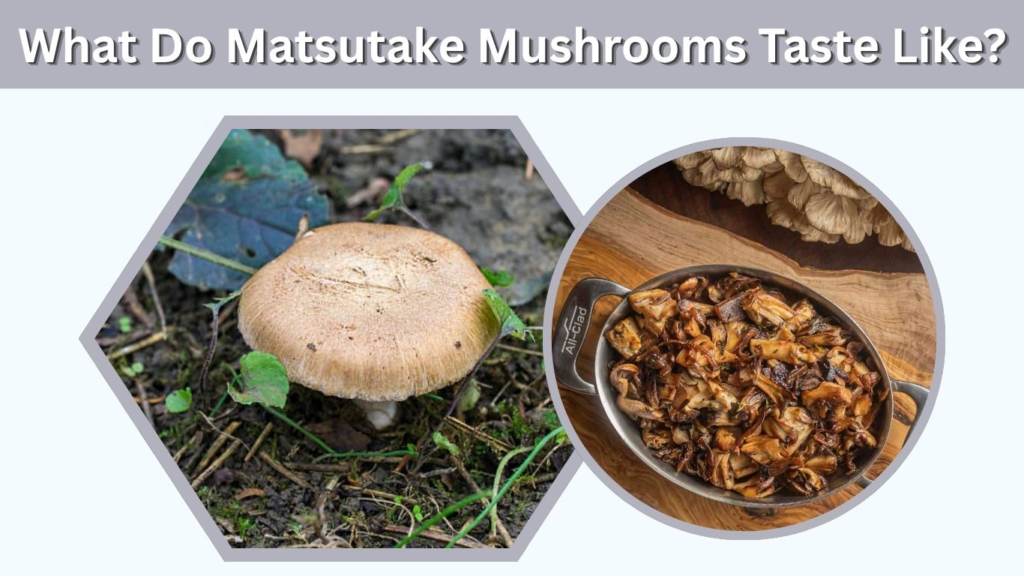
Matsutake mushrooms have a strong, unusual flavor. They are not mild like button mushrooms. Their taste is earthy, spicy, pine-like, and deeply savory. The aroma is usually the most important part of the experience.
Fresh matsutake mushrooms smell stronger than dried ones. When cooked gently, they release a warm forest-like fragrance. Their texture is firm and slightly meaty, so they work well in dishes where the mushroom should stay noticeable.
Because their flavor is delicate but distinct, matsutake mushrooms are often cooked simply. Strong sauces, heavy cream, too much garlic, or powerful spices can hide their natural aroma.
Where Do Matsutake Mushrooms Grow?
Matsutake mushrooms grow in forest environments and are often associated with pine and other trees. They are found in parts of Japan, Korea, China, North America, and Europe. In the United States, matsutake mushrooms are especially connected with the Pacific Northwest.
Matsutake Mushroom in Oregon
Oregon matsutake mushrooms are well known among foragers and buyers. Oregon has forest habitats where matsutake can grow, especially in areas with suitable trees, soil, climate, and seasonal moisture. Searches like “matsutake mushroom Oregon,” “matsutake mushrooms in Oregon,” and “Oregon matsutake mushrooms” usually come from people interested in foraging, buying, or learning about local harvests.
However, foraging rules can vary by forest, land type, and season. Some areas require permits, and some places may restrict commercial harvesting. Anyone interested in finding matsutake mushrooms in Oregon should check local regulations before collecting anything.
Matsutake Mushroom in Washington and Other Regions
Matsutake mushrooms are also searched with locations such as Washington State, California, Colorado, British Columbia, and the UK. Availability depends heavily on local ecology. Even in good regions, matsutake mushrooms are seasonal and may not appear in the same quantity every year.
Matsutake Mushroom Identification
Matsutake mushroom identification is a serious topic. These mushrooms can be valuable, but wild mushroom identification can also be risky. Never eat a wild mushroom based only on an online article, photo, app, or general description.
Matsutake mushrooms are usually identified by a combination of traits, including their cap, stem, gills, aroma, habitat, season, and relationship with nearby trees. The famous spicy-pine smell is an important clue, but smell alone is not enough for safe identification.
Matsutake Mushroom Look-Alikes
Matsutake mushroom look-alikes can be dangerous. Some toxic mushrooms may grow in similar habitats or have similar colors. This is why wild matsutake should only be eaten after confirmation by a qualified local mushroom expert.
If you are new to foraging, join a local mycological society, take guided walks, and learn from experienced identifiers. Foraging can be rewarding, but guessing is never worth the risk.
How to Clean Matsutake Mushrooms
Matsutake mushrooms should be cleaned carefully because their aroma is part of their value. Avoid soaking them in water. Too much moisture can weaken their texture and reduce flavor.
To clean matsutake mushrooms:
- Brush off soil with a soft brush or dry towel.
- Trim away tough or dirty parts at the base.
- Use a slightly damp cloth for stubborn dirt.
- Avoid peeling unless the surface is damaged or very dirty.
- Cut only when you are ready to cook.
Many cooks prefer to keep pieces thick so the mushroom’s texture and aroma remain noticeable.
How to Cook Matsutake Mushrooms
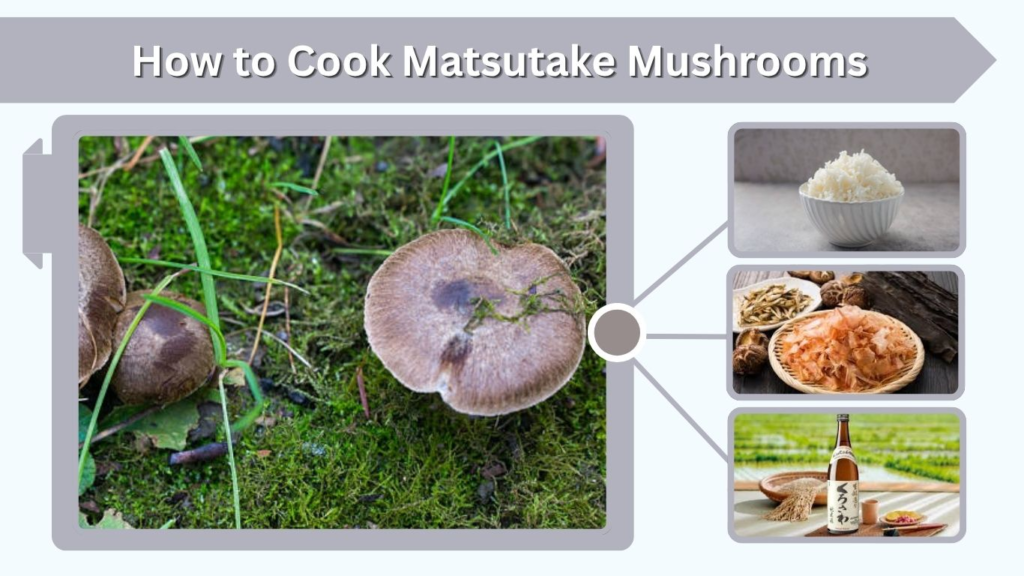
The best way to cook matsutake mushrooms is usually the simplest way. Because they are expensive and aromatic, the goal is to highlight their natural flavor instead of covering it.
Good cooking methods include grilling, steaming, simmering in soup, cooking with rice, or lightly sautéing. Avoid overcooking because the aroma can fade.
Simple Cooking Tips
Use gentle heat and minimal seasoning. Salt, light soy sauce, sake, mirin, butter, or a mild broth can work well. If you use garlic, chili, or strong herbs, use them lightly.
Matsutake mushrooms pair well with:
- Rice
- Dashi
- Sake
- Soy sauce
- Butter
- Tofu
- Chicken
- Seafood
- Noodles
- Clear soups
- Mild vegetables
Easy Matsutake Mushroom Recipe
One of the best matsutake mushroom recipes is matsutake rice, also called matsutake gohan. It is simple, aromatic, and ideal for showing the mushroom’s flavor.
Matsutake Mushroom Rice
Ingredients:
- 2 cups Japanese short-grain rice
- 1 or 2 fresh matsutake mushrooms
- 2 cups dashi or light broth
- 1 tablespoon soy sauce
- 1 tablespoon sake
- 1 teaspoon mirin
- Pinch of salt
Instructions:
Gently clean the matsutake mushrooms and slice them into thin pieces. Rinse the rice until the water runs mostly clear, then drain. Add rice, dashi, soy sauce, sake, mirin, and salt to a rice cooker or pot. Place sliced matsutake mushrooms on top. Cook as usual. Let the rice rest for 10 minutes after cooking, then gently mix before serving.
This dish works because the rice absorbs the mushroom aroma. It is simple, elegant, and one of the most traditional ways to enjoy matsutake.
Other Matsutake Mushroom Dishes
Matsutake mushroom dishes are usually simple. The ingredient is special, so recipes often use fewer seasonings.
Popular ideas include:
- Grilled matsutake mushroom with salt
- Matsutake mushroom soup
- Matsutake clear broth
- Matsutake mushroom rice
- Matsutake with noodles
- Matsutake mushroom broth
- Lightly sautéed matsutake with butter
- Matsutake hot pot
- Dried matsutake mushroom soup
- Matsutake with steamed seafood
If using dried matsutake mushrooms, soak them first and use the soaking liquid in soup, rice, or broth for extra flavor.
Fresh vs Dried Matsutake Mushrooms
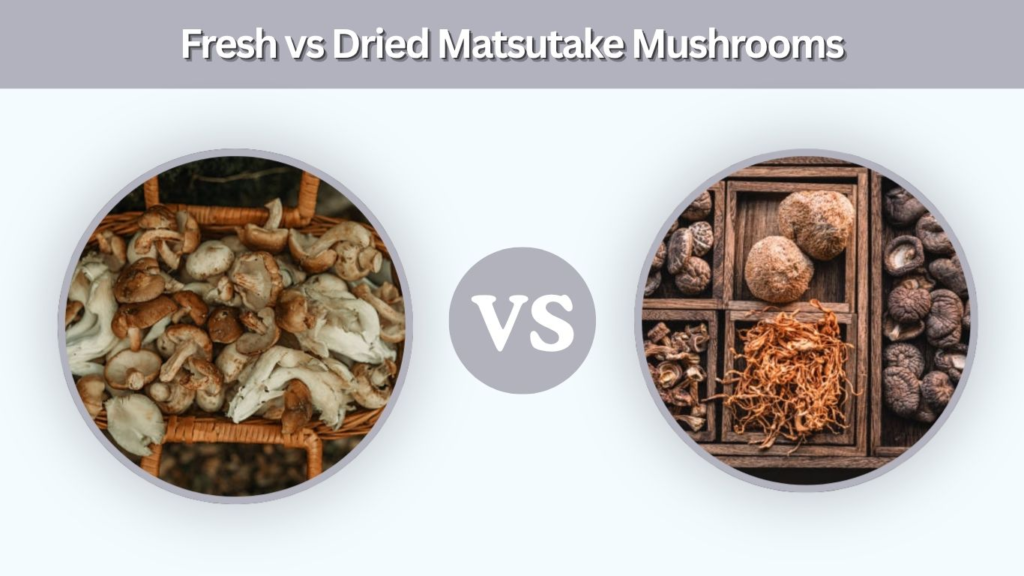
Fresh matsutake mushrooms have the strongest aroma and best texture. They are ideal for grilling, rice dishes, and simple soups. However, they are seasonal and can be expensive.
Dried matsutake mushrooms are more shelf-stable and easier to ship. They are useful for broth, soup, rice, and sauces. The flavor is different from fresh matsutake, but dried mushrooms can still add a pleasant earthy aroma.
Choose fresh matsutake when aroma and texture matter most. Choose dried matsutake when you want convenience, longer storage, or a more affordable option.
How to Store Matsutake Mushrooms
Fresh matsutake mushrooms should be used as soon as possible. Their aroma fades over time, so they are best cooked soon after purchase or harvest.
Store them in the refrigerator in breathable packaging. A paper bag or a container lined with paper towel is better than a sealed plastic bag. Avoid washing them before storage because extra moisture can make them spoil faster.
Signs of poor quality include sliminess, sour smell, soft spots, dark wet patches, or mold. If the mushroom smells unpleasant instead of aromatic and forest-like, it should not be used.
Can You Freeze Matsutake Mushrooms?
Yes, matsutake mushrooms can be frozen, but freezing may change their texture. For best results, clean them first, slice or tear them into pieces, and freeze in a sealed bag. Some cooks prefer freezing them raw, while others lightly cook them first.
Frozen matsutake mushrooms are best used in cooked dishes such as rice, soup, broth, and noodles. They may not have the same texture as fresh mushrooms after thawing.
How to Dry Matsutake Mushrooms
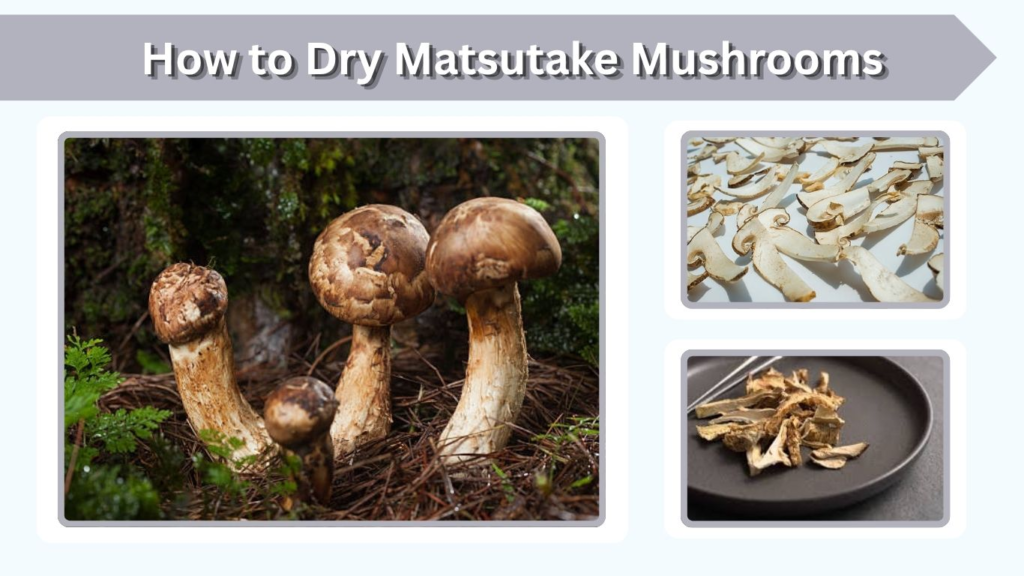
Drying matsutake mushrooms is a good way to preserve them. Clean them carefully, slice them thinly, and dry them using a dehydrator or a low-temperature method until fully dry. Store dried matsutake in an airtight container away from heat, light, and moisture.
To use dried matsutake mushrooms, soak them in warm water until softened. Do not throw away the soaking liquid. Strain it and use it in soup, broth, rice, or sauce.
Can You Grow Matsutake Mushrooms?
Many people search for how to grow matsutake mushrooms at home, but this mushroom is not easy to cultivate. Matsutake grows in a complex relationship with trees and forest soil. This makes it very different from easier home-grown mushrooms such as oyster mushrooms or lion’s mane.
For most people, growing matsutake mushrooms indoors is not realistic. Buying from a trusted seller or learning responsible local foraging is more practical.
Matsutake Mushroom Benefits
Matsutake mushrooms can be part of a healthy diet when properly identified, fresh, and cooked. Like many mushrooms, they are low in fat and can add flavor without needing heavy sauces. They also bring variety to meals and may help people enjoy more seasonal, plant-based ingredients.
However, matsutake mushroom benefits should not be exaggerated. They are best viewed as a nutritious gourmet food, not a cure or medical treatment. Anyone with mushroom allergies or health concerns should be cautious.
Where to Buy Matsutake Mushrooms
You may find matsutake mushrooms at specialty grocery stores, Asian markets, farmers markets, online mushroom sellers, or gourmet food suppliers. Search terms like “matsutake mushrooms near me,” “matsutake mushroom for sale,” “fresh matsutake mushroom buy online,” and “matsutake mushrooms delivery” usually show local and online options.
Before buying, check freshness, shipping time, seller reputation, and whether the mushrooms are fresh or dried. For fresh mushrooms, fast shipping matters because aroma and quality decline with time.
FAQs
What is matsutake mushroom?
Matsutake mushroom is a prized wild mushroom known for its spicy pine aroma, firm texture, and savory flavor. It is especially valued in Japanese cuisine and is often used in rice, soup, grilled dishes, and seasonal recipes.
Why is matsutake mushroom so expensive?
Matsutake mushroom is expensive because it is seasonal, mostly wild-harvested, difficult to cultivate, and highly valued for its aroma. Price depends on freshness, grade, origin, size, and market demand.
How do you cook matsutake mushrooms?
Cook matsutake mushrooms simply. Grill them, add them to rice, simmer them in clear soup, or lightly sauté them. Avoid strong sauces or overcooking because their prized aroma can fade quickly.
Can you eat matsutake mushrooms raw?
It is better to cook matsutake mushrooms before eating. Cooking improves texture and flavor. Wild mushrooms should never be eaten unless they are correctly identified by a qualified expert.
What do matsutake mushrooms taste like?
Matsutake mushrooms taste earthy, spicy, woodsy, and slightly pine-like. Their aroma is stronger than their flavor, which is why they are often used in simple dishes like rice and clear soup.
How should you store matsutake mushrooms?
Store fresh matsutake mushrooms in the refrigerator in breathable packaging, such as a paper bag. Do not wash them before storage. Use them quickly because their aroma and quality decline over time.
Are matsutake mushrooms found in Oregon?
Yes, matsutake mushrooms are associated with parts of Oregon and the Pacific Northwest. However, foraging may require permits and safe identification. Always check local rules and consult experts before eating wild mushrooms.