
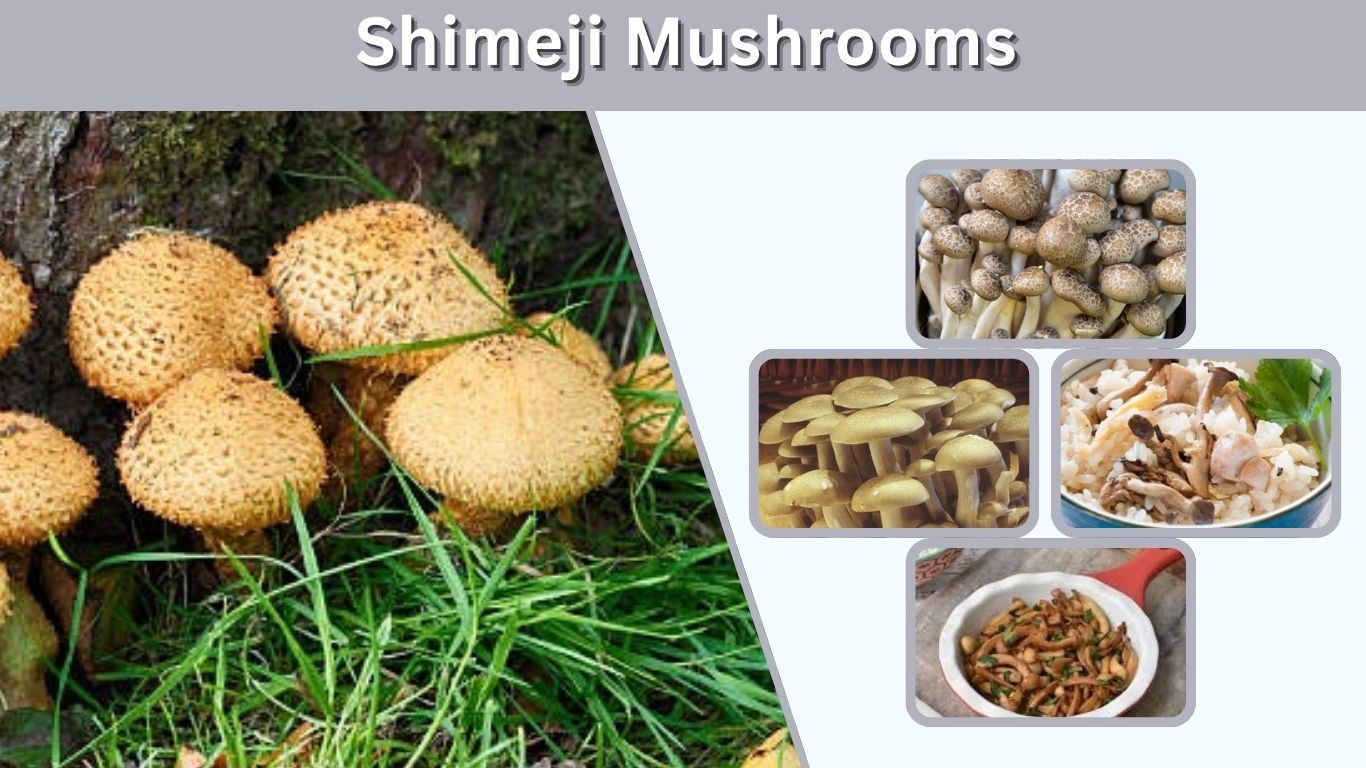
Shimeji mushrooms are small, clustered mushrooms known for their firm texture, nutty flavor, and wide use in Asian cooking. They are popular in stir-fries, soups, ramen, rice bowls, and simple sautéed dishes. Although they look delicate, shimeji mushrooms hold their shape well during cooking and add a pleasant bite to everyday meals.
What Are Shimeji Mushrooms?
Shimeji mushrooms are edible mushrooms that usually grow in tight clusters with long stems and small rounded caps. They are commonly used in Japanese, Korean, Chinese, and other Asian cuisines. You may also see them called beech mushrooms because some varieties naturally grow near beech trees.
These mushrooms are valued for their mild but savory flavor. When cooked, they become slightly chewy, juicy, and earthy with a gentle nuttiness. Unlike some soft mushrooms that shrink heavily, shimeji mushrooms stay pleasantly firm, making them useful in dishes where texture matters.
Are Shimeji Mushrooms the Same as Beech Mushrooms?
Yes, in many grocery stores, shimeji mushrooms and beech mushrooms refer to the same general type. Brown and white beech mushrooms are two of the most common cultivated forms sold in packages. However, names can vary by region, brand, and mushroom species.
The key thing to know is that packaged shimeji mushrooms usually come as a connected cluster at the base. Before cooking, the tough base is trimmed away, and the individual stems are separated.
Types of Shimeji Mushrooms
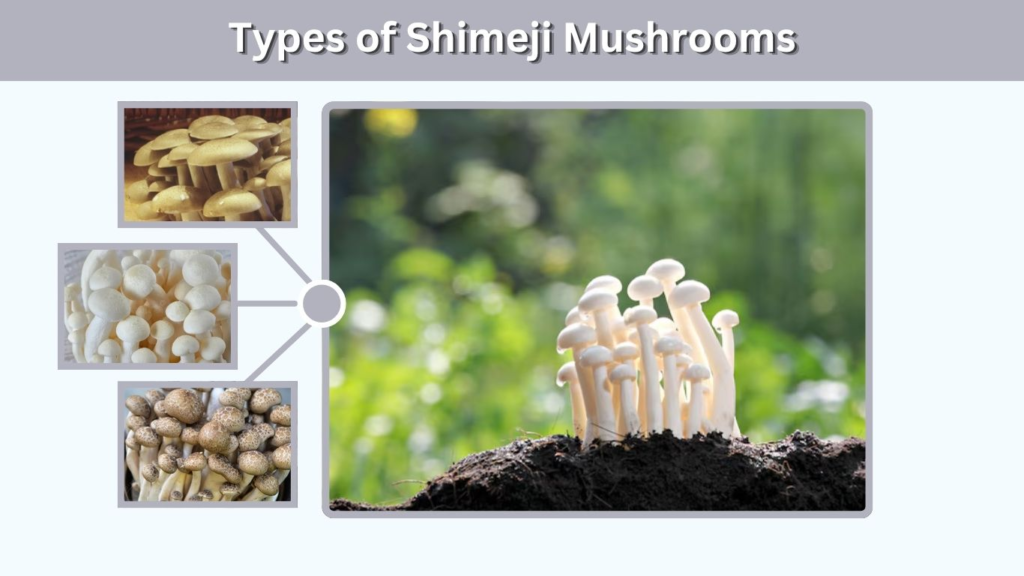
There are several types of shimeji mushrooms, and many keywords show people searching for specific colors and varieties. The most common options are brown shimeji, white shimeji, and hon shimeji.
Brown Shimeji Mushroom
Brown shimeji mushrooms have tan to brown caps and pale stems. They usually have a deeper, nuttier flavor than white shimeji mushrooms. Their earthy taste works especially well in stir-fries, noodle dishes, fried rice, soups, hot pots, and butter-sautéed recipes.
Brown shimeji mushrooms are a great choice when you want a stronger mushroom flavor without overpowering the dish.
White Shimeji Mushroom
White shimeji mushrooms have creamy white caps and stems. Their flavor is milder and slightly sweeter than brown shimeji. Because of their pale color and clean look, they are popular in soups, ramen, creamy pasta, vegetable sautés, and light broths.
White shimeji mushrooms are also easy to pair with garlic, soy sauce, butter, sesame oil, miso, chicken, tofu, seafood, and leafy greens.
Hon Shimeji Mushrooms
Hon shimeji mushrooms are often considered a premium type of shimeji. They are known for a rich umami taste and firm texture. In Japanese cooking, hon shimeji is prized for its deep savory flavor, especially in rice dishes, soups, and simple preparations that let the mushroom stand out.
Depending on where you live, hon shimeji mushrooms may be harder to find than standard brown or white shimeji mushrooms.
Shimeji Mushroom Taste and Texture
Shimeji mushrooms have a mild earthy flavor with a nutty, savory finish. They are not as bold as shiitake mushrooms, but they have more bite and structure than many button mushrooms. Their flavor becomes more noticeable after cooking, especially when sautéed with oil, butter, garlic, soy sauce, or miso.
Raw shimeji mushrooms can taste bitter and unpleasant. Cooking removes much of that bitterness and brings out their natural umami flavor. Their stems stay firm, while the caps become tender and juicy.
| Type | Flavor | Best Uses |
| Brown shimeji | Earthy, nutty, savory | Stir-fries, fried rice, ramen, hot pot |
| White shimeji | Mild, delicate, slightly sweet | Soups, pasta, light sautés, noodle bowls |
| Hon shimeji | Rich, umami, firm | Rice dishes, broth, simple Japanese recipes |
How to Clean Shimeji Mushrooms
Cleaning shimeji mushrooms is quick because they are usually sold in clean, cultivated clusters. The main step is trimming off the firm base where the stems connect.
Follow these steps:
- Remove the mushrooms from the package.
- Slice off the hard bottom base with a knife.
- Separate the mushrooms gently with your fingers.
- Wipe away visible dirt with a damp paper towel.
- Rinse quickly only if needed, then dry well before cooking.
Avoid soaking shimeji mushrooms in water. Like many mushrooms, they can absorb moisture, which may make them steam instead of brown during cooking.
How to Cook Shimeji Mushrooms
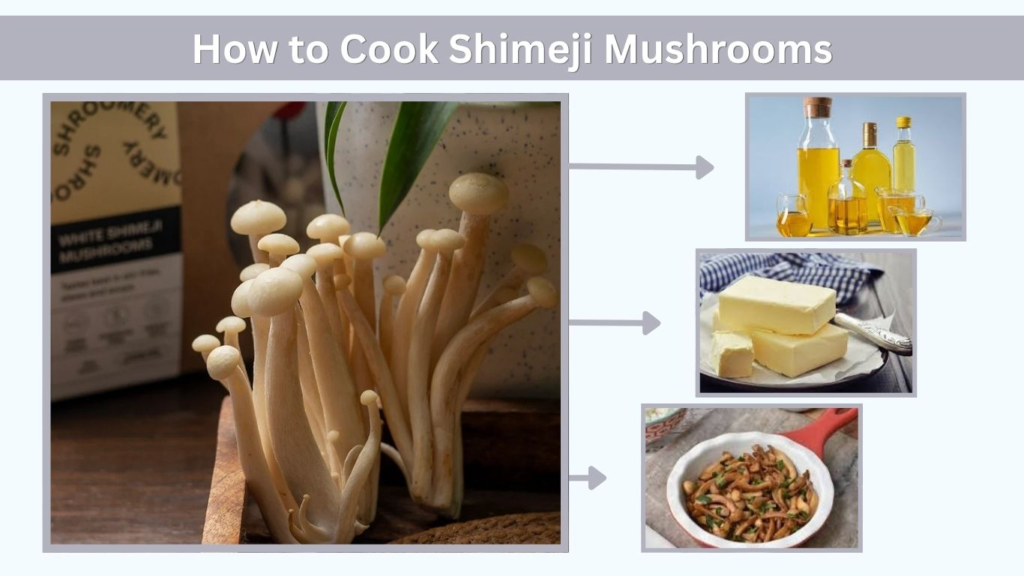
Shimeji mushrooms should be cooked before eating. Cooking improves their flavor, softens their texture, and removes the raw bitterness. They cook quickly and work well with both simple and flavorful seasonings.
A basic cooking time is around 5 to 7 minutes for sautéing, though this depends on heat level and the recipe. In soups or ramen, they usually need about 3 to 5 minutes. For roasting or air frying, they may take closer to 8 to 12 minutes.
Best Ways to Cook Shimeji Mushrooms
You can cook shimeji mushrooms in several easy ways:
- Sautéed: Cook with oil, butter, garlic, and soy sauce for a fast side dish.
- Stir-fried: Add to vegetables, noodles, tofu, chicken, beef, or shrimp.
- Boiled in soup: Drop into ramen, miso soup, hot pot, or clear broth.
- Roasted: Toss with oil and seasoning, then roast until lightly browned.
- Air fried: Cook until crisp around the edges for a snack or topping.
For the best flavor, cook them until the stems are tender but still slightly firm. Overcooking can make them dry or rubbery.
Easy Shimeji Mushroom Recipe
This simple sautéed shimeji mushroom recipe is one of the easiest ways to enjoy their flavor. It works as a side dish, rice bowl topping, ramen topping, or quick vegetable plate.
Ingredients
- 1 pack shimeji mushrooms
- 1 tablespoon oil or butter
- 1 garlic clove, minced
- 1 teaspoon soy sauce
- ½ teaspoon sesame oil
- Black pepper to taste
- Optional: green onion, chili flakes, or lemon juice
Instructions
Trim off the base of the shimeji mushroom cluster and separate the stems. Heat oil or butter in a pan over medium-high heat. Add the mushrooms and cook for 3 to 4 minutes, stirring occasionally. Add garlic and cook for another minute. Stir in soy sauce and sesame oil. Cook for 1 more minute until the mushrooms are glossy and tender. Finish with pepper and green onion.
This recipe is simple, but it brings out the mushrooms’ savory, nutty flavor. For a richer version, use butter and a small splash of mirin. For a spicy version, add chili oil or crushed red pepper.
How to Use Shimeji Mushrooms in Meals
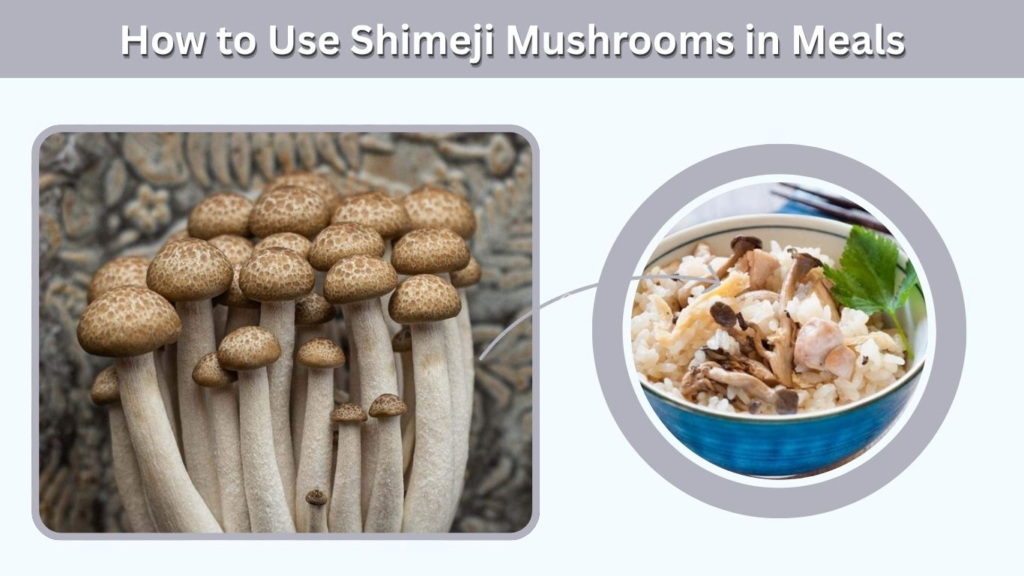
Shimeji mushrooms are versatile and can fit into many everyday dishes. Because they have a neat shape and firm bite, they work well as both a main ingredient and a garnish.
Try them in:
- Ramen, udon, soba, or noodle soup
- Fried rice, garlic rice, or mushroom rice
- Stir-fried vegetables with tofu or chicken
- Miso soup, hot pot, or clear broth
- Pasta with butter, garlic, cream, or soy sauce
- Omelets, rice bowls, and grain bowls
- Pickled or marinated mushroom side dishes
They pair especially well with soy sauce, miso, ginger, garlic, sesame oil, butter, scallions, tofu, eggs, chicken, seafood, and leafy greens.
Can You Eat Shimeji Mushrooms Raw?
It is better not to eat shimeji mushrooms raw. Raw shimeji mushrooms can taste bitter and may be harder to digest. Cooking improves their flavor and makes them more enjoyable to eat.
If you are using shimeji mushrooms in salads, cook them first, let them cool, and then mix them with dressing. A quick sauté or blanching is usually enough.
Shimeji Mushroom Benefits and Nutrition
Shimeji mushrooms are low in calories and can be part of a balanced diet. Like many edible mushrooms, they provide fiber and small amounts of vitamins and minerals. They are also useful for adding savory flavor to meals without needing heavy sauces or large amounts of fat.
Their biggest everyday benefit is culinary: they help make simple dishes more satisfying. Their firm texture can add substance to soups, noodles, stir-fries, and vegetarian meals.
Are Shimeji Mushrooms Good for You?
Yes, shimeji mushrooms can be a healthy food when cooked properly and eaten as part of a balanced diet. They are naturally low in fat and can help add flavor, texture, and volume to meals.
However, they should not be treated as a cure or medical food. If you have mushroom allergies, digestive sensitivities, or a special medical diet, it is best to be cautious.
How to Store Shimeji Mushrooms
Fresh shimeji mushrooms should be stored in the refrigerator. Keep them in their original package if unopened, or place them in a breathable paper bag after opening. Avoid sealing wet mushrooms in an airtight plastic bag because trapped moisture can make them spoil faster.
Most fresh shimeji mushrooms last several days in the fridge, but exact shelf life depends on freshness when purchased. Use them while the stems are firm and the caps look fresh.
Signs Shimeji Mushrooms Have Gone Bad
Do not use shimeji mushrooms if you notice:
- Slimy texture
- Strong sour or rotten smell
- Dark wet spots
- Mold
- Mushrooms that feel mushy or collapsed
A slight earthy smell is normal, but a sharp or unpleasant odor is a sign they should be discarded.
Can You Freeze Shimeji Mushrooms?
Yes, you can freeze shimeji mushrooms, but it is better to cook them first. Raw mushrooms can become watery after freezing and thawing. For better results, trim and separate the mushrooms, sauté or blanch them briefly, cool them completely, and freeze in a sealed freezer-safe container.
Frozen cooked shimeji mushrooms are best used in soups, stir-fries, sauces, and noodle dishes rather than recipes where a fresh crisp texture is needed.
White vs Brown Shimeji Mushroom
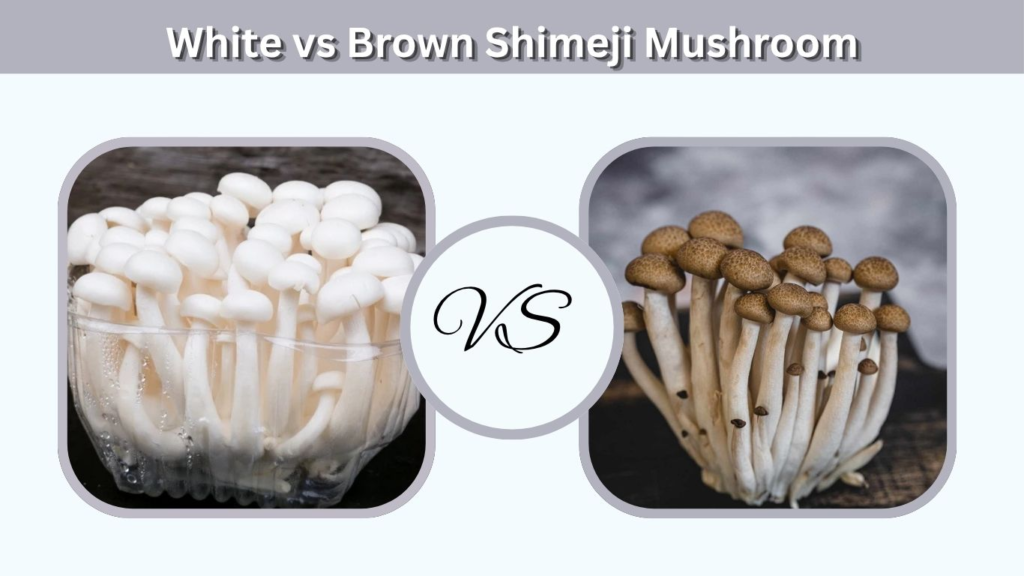
White and brown shimeji mushrooms are similar in shape and cooking method, but they have slightly different flavors. White shimeji mushrooms are milder and more delicate, while brown shimeji mushrooms are nuttier and more earthy.
Choose white shimeji for light soups, creamy pasta, and clean-looking dishes. Choose brown shimeji for stronger mushroom flavor in stir-fries, fried rice, ramen, and roasted recipes.
Both types should be cooked before eating and can often be used interchangeably.
Shimeji Mushroom Substitutes
If you cannot find shimeji mushrooms, you can use other mushrooms depending on the recipe. Good substitutes include enoki, oyster mushrooms, maitake, shiitake, cremini, or button mushrooms.
For texture, enoki and oyster mushrooms are closer in delicate dishes. For deeper flavor, shiitake or maitake may work better. For everyday cooking, cremini mushrooms are easy to find and affordable, though they do not have the same clustered look.
FAQs
How long do shimeji mushrooms take to cook?
Shimeji mushrooms usually take 5 to 7 minutes to cook in a pan. In soups or ramen, they often need only 3 to 5 minutes. Roast or air fry them for about 8 to 12 minutes, depending on heat and desired texture.
Do you need to wash shimeji mushrooms?
You do not usually need to wash shimeji mushrooms heavily. Trim off the firm base, separate the stems, and wipe away dirt with a damp paper towel. If they need rinsing, rinse quickly and dry them well before cooking.
What is the best way to cook shimeji mushrooms?
Sautéing is one of the best ways to cook shimeji mushrooms. Heat oil or butter, add the mushrooms, cook until tender, then season with garlic, soy sauce, sesame oil, or black pepper. This method brings out their nutty, savory flavor.
Are shimeji mushrooms safe to eat?
Shimeji mushrooms are safe to eat when they are fresh and cooked properly. Avoid eating them raw because they can taste bitter and may be harder to digest. Discard mushrooms that smell sour, feel slimy, or show mold.
What do shimeji mushrooms taste like?
Shimeji mushrooms taste mild, earthy, nutty, and savory after cooking. Brown shimeji mushrooms have a stronger flavor, while white shimeji mushrooms are milder and slightly sweeter. Their texture is firm, tender, and pleasantly chewy.