
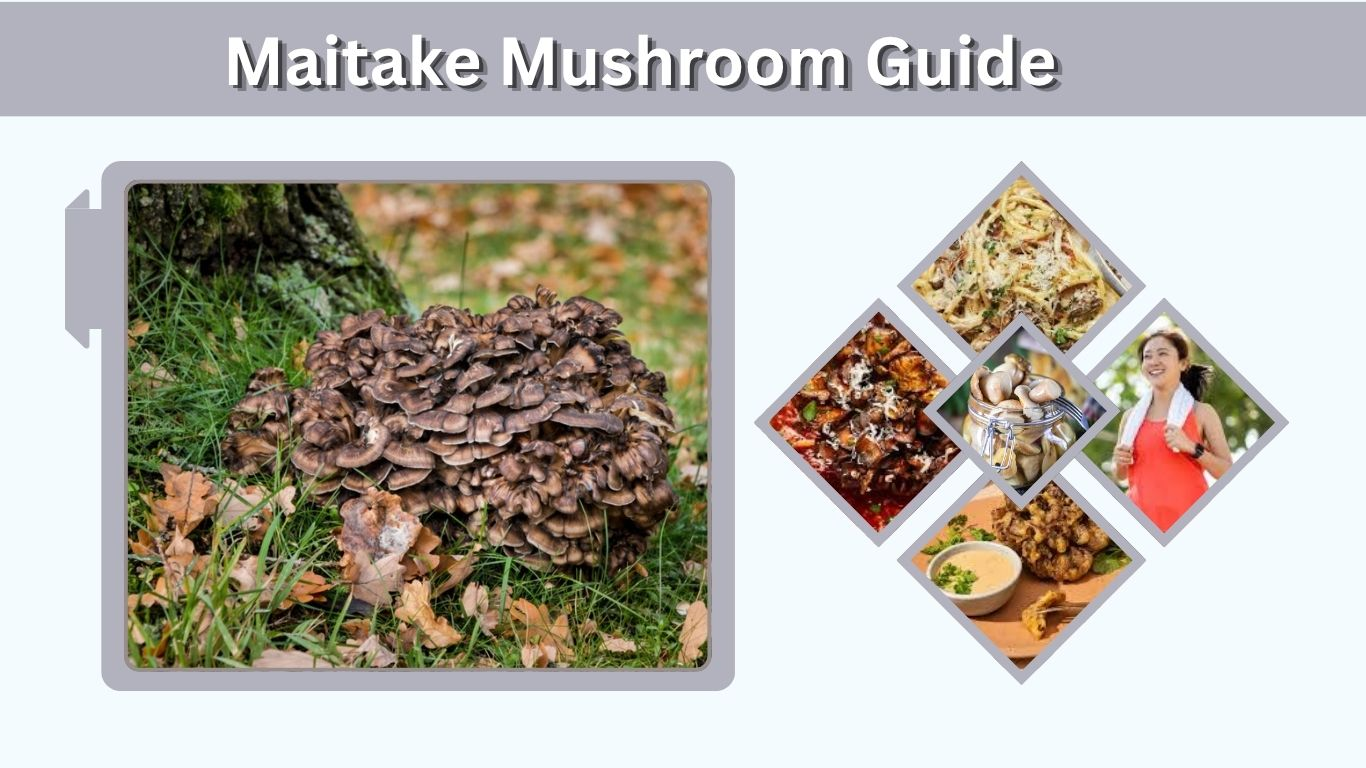
Maitake mushroom is a flavorful, ruffled mushroom known for its rich umami taste, tender texture, and impressive culinary versatility. Also called “hen of the woods,” maitake mushrooms are popular in soups, stir-fries, pasta, roasted dishes, and crispy mushroom recipes. Beyond cooking, many people search for maitake mushroom benefits, nutrition, supplements, and side effects, making this mushroom both a kitchen ingredient and a wellness topic.
What Is Maitake Mushroom?
Maitake mushroom, scientifically known as Grifola frondosa, is an edible mushroom that grows in large, layered clusters. Its frilly shape looks similar to feathers, which is why it is commonly called hen of the woods. In Japanese, “maitake” is often translated as “dancing mushroom,” a name linked to its value and popularity.
Maitake mushrooms can be found fresh, dried, powdered, or as extracts and supplements. Fresh maitake mushrooms are commonly used for cooking, while dried maitake mushroom powder and maitake mushroom extract are usually sold for wellness use.
Maitake Mushroom Taste and Texture
Maitake mushrooms have a deep, earthy, savory flavor. Compared with mild button mushrooms, maitake tastes more complex and slightly peppery. When roasted or sautéed, the edges become crispy while the inside stays tender.
The texture is one of the main reasons cooks love maitake. Its layered petals crisp beautifully in a hot pan or oven, making it ideal for roasted maitake mushrooms, fried maitake mushrooms, grilled maitake mushrooms, and crispy maitake mushroom recipes.
Maitake Mushroom Nutrition Facts
Maitake mushrooms are naturally low in calories and fat while offering fiber, minerals, and plant compounds. They are also known for containing vitamin D, especially when exposed to light. Nutrition may vary depending on whether the mushrooms are fresh, dried, cooked, or powdered.
| Nutrient or Feature | Why It Matters |
| Low fat | Useful for light meals and vegetable-forward recipes |
| Dietary fiber | Supports fullness and digestive health |
| Potassium | Helps support normal body function |
| Vitamin D | Maitake can be a notable mushroom source of vitamin D |
| Umami flavor | Adds savory depth without relying heavily on meat |
| Beta-glucans | Mushroom fibers studied for immune and metabolic support |
Maitake mushroom nutrition is one reason it works well in everyday meals. It can add flavor, texture, and nutrients to pasta, soups, grain bowls, eggs, noodles, and roasted vegetable dishes.
Maitake Mushroom Benefits
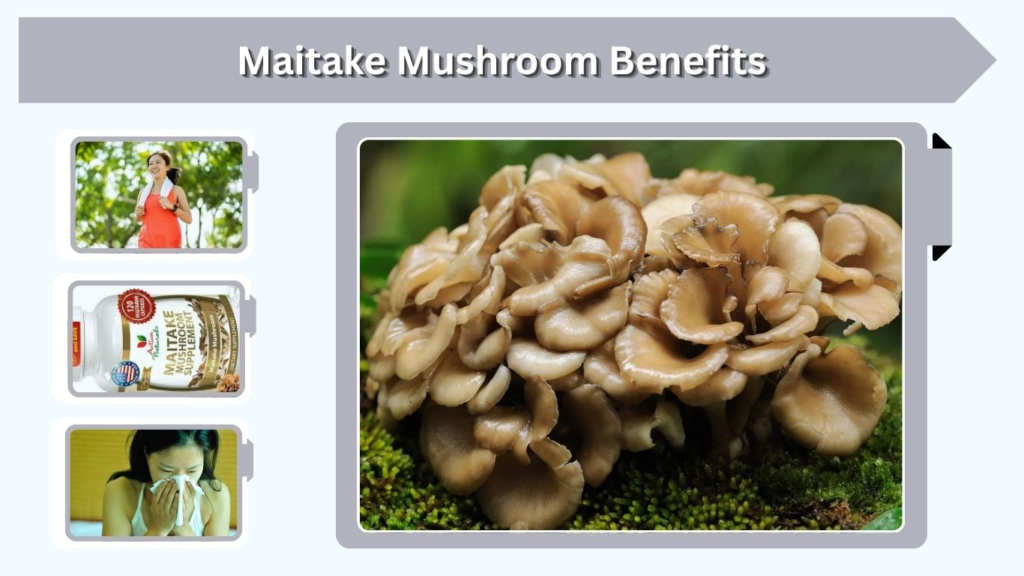
Many people search for maitake mushroom benefits because this mushroom has a long history of culinary and traditional use. It is important to separate food benefits from supplement claims. Eating maitake as part of a balanced diet is different from taking concentrated maitake mushroom extract, D-fraction, or supplements.
1. Supports a Nutrient-Rich Diet
Maitake mushrooms are a smart addition to meals because they are flavorful, low in fat, and easy to pair with vegetables, grains, eggs, seafood, poultry, or tofu. Their savory taste can make plant-forward meals more satisfying.
You can use maitake mushrooms to:
- Add umami flavor to soups and broths
- Replace some meat in pasta or rice dishes
- Increase vegetable variety in weekly meals
- Add texture to roasted and grilled recipes
2. Contains Mushroom Fibers
Maitake contains beta-glucans, a type of fiber found in certain mushrooms and other foods. These compounds are often discussed in relation to immune and metabolic health. However, research on mushroom extracts does not always translate directly to the same effects from normal food portions.
For everyday eating, the practical benefit is simple: maitake adds fiber, flavor, and variety to your diet.
3. May Support Immune Health
Maitake mushroom health benefits are often linked to immune support. Some laboratory and early studies have looked at maitake extracts and beta-glucan fractions. Still, maitake should not be treated as a cure or replacement for medical care.
For most people, the safest way to enjoy maitake is as a food. Supplements should be discussed with a healthcare professional, especially for people taking medications or managing chronic conditions.
4. Adds Vitamin D to Meals
Mushrooms are one of the few non-animal foods that can provide vitamin D, especially when exposed to ultraviolet light. Maitake mushroom vitamin D content can vary, but it is one reason this mushroom stands out nutritionally.
Vitamin D is important for bone and immune health, but a person’s vitamin D needs depend on diet, sun exposure, age, and medical status.
Maitake Mushroom Side Effects and Safety
Maitake mushrooms are commonly eaten as food, but side effects and precautions matter, especially with supplements.
Fresh cooked maitake is usually well tolerated by many people. However, some people may experience digestive discomfort, allergy-like reactions, or nausea. Supplements may carry more risk because they are concentrated and can interact with health conditions or medications.
Maitake Mushroom Liver Damage: Is It a Concern?
People sometimes search for “maitake mushroom liver damage” because they are concerned about supplement safety. There is not enough strong evidence to say that normal cooked maitake mushrooms cause liver damage in healthy people. The bigger concern is usually concentrated supplements, unknown product quality, high doses, or combining supplements with medication.
To stay safe:
- Buy supplements only from reputable brands
- Avoid high-dose extracts unless advised by a professional
- Talk to a doctor if you have liver disease
- Stop use and seek medical advice if symptoms appear
- Do not use maitake supplements as a replacement for treatment
Who Should Be Careful?
Speak with a healthcare provider before using maitake mushroom supplement products if you are pregnant, breastfeeding, preparing for surgery, taking blood sugar medication, using blood pressure medication, or receiving treatment for a serious condition.
How to Cook Maitake Mushrooms
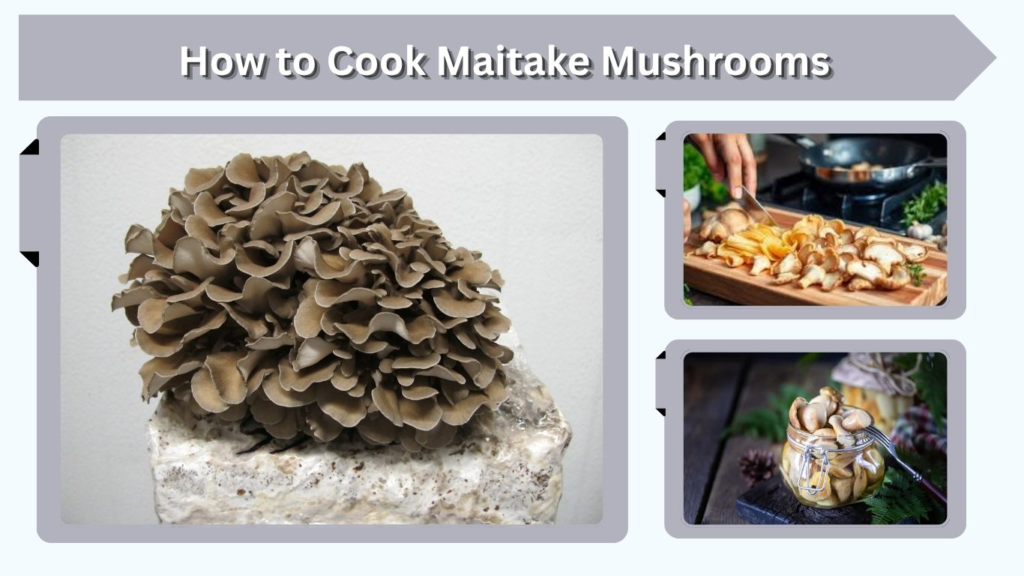
The best way to cook maitake mushrooms is with high heat and enough space for moisture to evaporate. Maitake contains water, so overcrowding the pan can make it steam instead of brown.
How to Prepare Maitake Mushrooms
Before cooking, clean maitake gently. Avoid soaking it in water because the frilly edges can absorb moisture.
Simple preparation steps:
- Trim away any tough base
- Separate the mushroom into smaller clusters
- Brush off dirt with a dry towel or soft brush
- Rinse quickly only if needed
- Pat dry very well before cooking
Once cleaned, maitake mushrooms are ready for roasting, sautéing, frying, grilling, or adding to soups.
Sautéed Maitake Mushrooms
Sautéed maitake mushrooms are quick and flavorful. Heat oil or butter in a skillet, add the mushroom clusters, and cook without moving them too much. Let the edges brown before flipping.
Season with salt, black pepper, garlic, soy sauce, lemon juice, parsley, thyme, or chili flakes. Sautéed maitake mushrooms work well with eggs, steak, noodles, rice bowls, and toast.
Roasted Maitake Mushrooms
Roasted maitake mushrooms are one of the easiest ways to bring out their flavor. Tear the mushrooms into clusters, toss with oil, salt, and pepper, then roast at high heat until the edges are crisp.
For extra flavor, add:
- Garlic butter
- Miso glaze
- Lemon zest
- Parmesan
- Smoked paprika
- Fresh herbs
Roasted maitake mushroom is excellent as a side dish or as a topping for pasta, risotto, salads, and grain bowls.
Crispy Maitake Mushroom Recipe
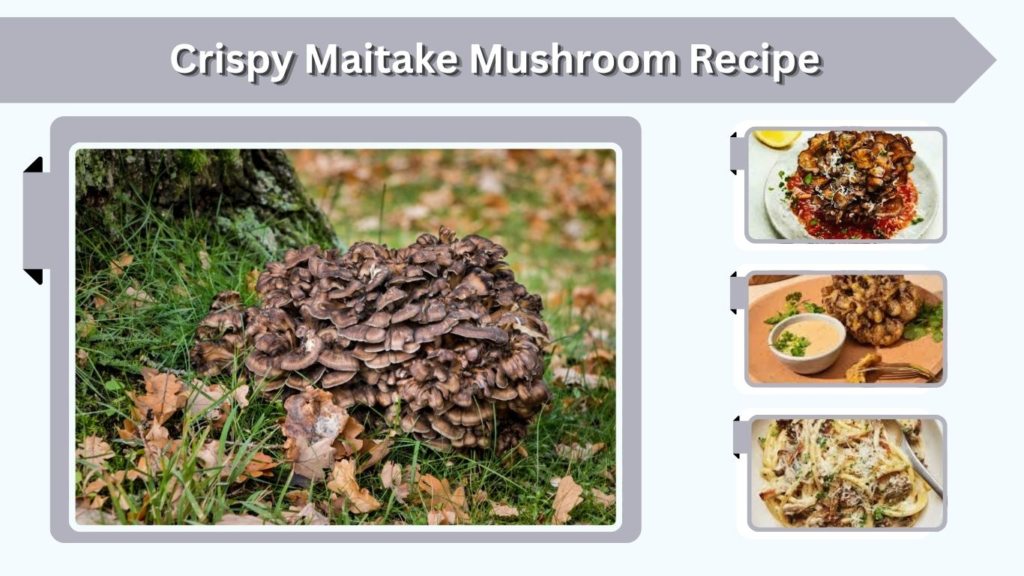
This crispy maitake mushroom recipe is simple, savory, and ideal for beginners.
Ingredients
- 1 large fresh maitake mushroom cluster
- 2 tablespoons olive oil
- 1 tablespoon butter
- 2 garlic cloves, minced
- Salt and black pepper
- 1 teaspoon soy sauce
- 1 teaspoon lemon juice
- Fresh parsley or thyme
Instructions
- Trim the tough base and separate the maitake into medium clusters.
- Pat the mushrooms dry with a clean towel.
- Heat olive oil in a large skillet over medium-high heat.
- Add maitake in a single layer and cook for 3 to 4 minutes without stirring.
- Flip and cook until golden and crisp on the edges.
- Add butter and garlic, then cook for 1 minute.
- Season with soy sauce, lemon juice, salt, and pepper.
- Finish with herbs and serve hot.
This recipe works as a side dish, appetizer, pasta topping, or filling for tacos and sandwiches.
More Maitake Mushroom Recipes
Maitake mushroom recipes can be simple or creative. Because maitake has a bold flavor, it does not need complicated seasoning.
Maitake Mushroom Soup
Maitake mushroom soup is warm, earthy, and comforting. Use fresh or dried maitake mushrooms with onion, garlic, vegetable broth, miso, cream, or noodles. Dried maitake mushrooms are especially useful for soup because they create a deep broth after soaking.
Maitake Mushroom Pasta
Maitake mushroom recipe pasta is a great option for weeknight cooking. Sauté maitake with garlic and olive oil, then toss with pasta, parmesan, black pepper, lemon, and pasta water. For a richer version, add cream, butter, or mascarpone.
Grilled Maitake Mushrooms
Grilled maitake mushrooms develop smoky flavor and crispy edges. Brush clusters with oil, season with salt, and grill until charred in spots. Serve with chimichurri, garlic butter, or a soy-sesame glaze.
Fried Maitake Mushrooms
Fried maitake mushrooms can be made like crispy mushroom “wings.” Dip clusters in seasoned flour or batter, fry until golden, and serve with spicy mayo, ranch, hot honey, or lemon aioli.
Maitake Mushroom Substitute
If you cannot find maitake mushrooms near you, use another mushroom with good texture and savory flavor.
Good substitutes for maitake mushrooms include:
- Oyster mushrooms for delicate texture
- Shiitake mushrooms for deep umami flavor
- King oyster mushrooms for meaty texture
- Cremini mushrooms for easy availability
- Portobello mushrooms for grilling or roasting
For recipes where crispy edges matter, oyster mushrooms are usually the closest substitute. For soups and broths, shiitake mushrooms are a strong alternative.
Maitake Mushroom vs Shiitake
Maitake and shiitake are both flavorful mushrooms, but they cook differently. Maitake has a frilly, layered shape and crisps well when roasted or sautéed. Shiitake has a firmer cap and a stronger, woodsy flavor.
Use maitake when you want crispy texture and dramatic presentation. Use shiitake when you want a deep broth, stir-fry flavor, or chewy bite.
Maitake vs Oyster Mushroom
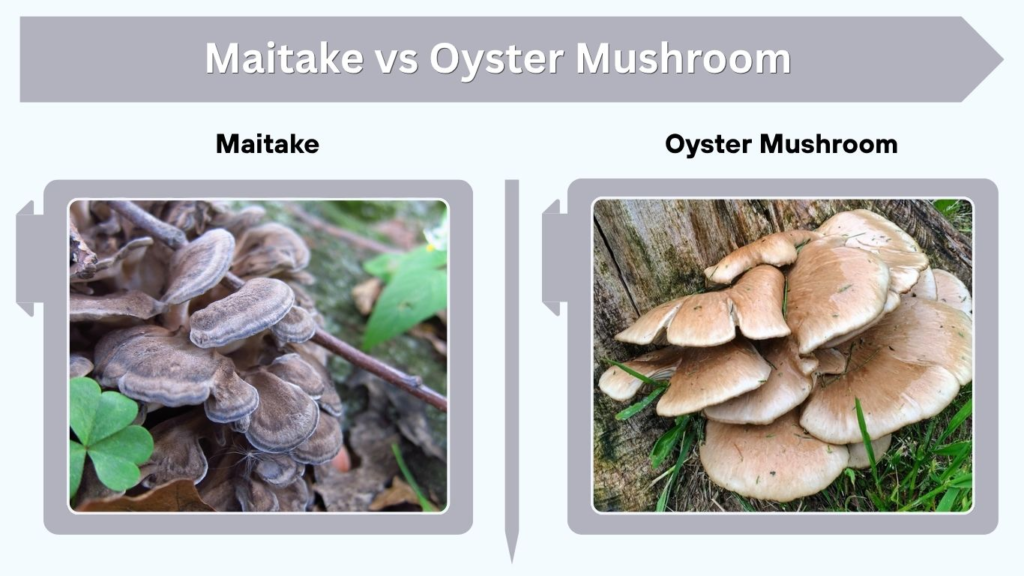
Maitake and oyster mushrooms are both great for crispy recipes. Oyster mushrooms are usually softer and more delicate, while maitake has a richer, earthier taste. Oyster mushrooms may be easier to find and cheaper in many grocery stores.
For fried mushroom recipes, both work well. For roasted dishes, maitake often has a more complex flavor.
Where to Buy Maitake Mushrooms
Fresh maitake mushrooms may be available at farmers markets, Asian grocery stores, specialty produce shops, organic markets, and some supermarkets. People often search for “maitake mushrooms near me” or “where can I buy maitake mushrooms” because availability depends on location and season.
You may also find:
- Fresh maitake mushrooms
- Dried maitake mushroom
- Dried maitake mushroom powder
- Organic maitake mushroom
- Maitake mushroom extract
- Maitake mushroom supplement
- Maitake mushroom growing kit
The price of maitake mushrooms varies by region, season, freshness, and whether they are wild or cultivated. Wild maitake mushrooms may cost more than cultivated ones.
Growing Maitake Mushrooms
Growing maitake mushrooms at home is possible, but it is more challenging than growing oyster mushrooms. Maitake prefers specific conditions and often grows slowly. Beginners may have better success with a maitake mushroom growing kit from a trusted supplier.
If you want to grow maitake mushrooms, pay attention to temperature, humidity, airflow, cleanliness, and the growing medium. Because contamination can ruin mushroom projects, follow kit instructions carefully.
Maitake Mushroom Look-Alikes
Wild maitake mushrooms should only be collected by people with proper identification skills. Although maitake is considered a prized wild edible, mushroom foraging can be risky. Some mushrooms can cause serious illness if misidentified.
If you are new to wild maitake mushrooms, learn from an experienced local forager or mycology group. Never eat a wild mushroom based only on pictures of maitake mushrooms online.
FAQs
What is maitake mushroom good for?
Maitake mushroom is good for adding rich umami flavor, fiber, and nutrients to meals. It is often used in roasted dishes, soups, pasta, and stir-fries. Maitake is also studied for potential wellness benefits, but supplements should be used carefully and not as medical treatment.
How do you cook maitake mushrooms?
The best way to cook maitake mushrooms is with high heat. Tear them into clusters, dry them well, and sauté or roast until the edges are crisp. Use oil, butter, garlic, salt, pepper, lemon, soy sauce, or herbs for simple flavor.
What do maitake mushrooms taste like?
Maitake mushrooms taste earthy, savory, rich, and slightly peppery. They have a deep umami flavor that becomes stronger when roasted or sautéed. Their frilly edges turn crispy, while the center stays tender and juicy.
Are maitake mushroom supplements safe?
Maitake mushroom supplements may be safe for some people, but they are more concentrated than food. They may cause side effects or interact with medications. People with medical conditions, pregnant or breastfeeding individuals, and anyone taking medication should ask a healthcare provider first.
Can dogs have maitake mushrooms?
Dogs should not be given wild mushrooms, and new foods should be discussed with a veterinarian. Plain, cooked, store-bought maitake may not be the same risk as wild mushrooms, but avoid seasoning, butter, garlic, onion, and sauces that can be harmful to dogs.