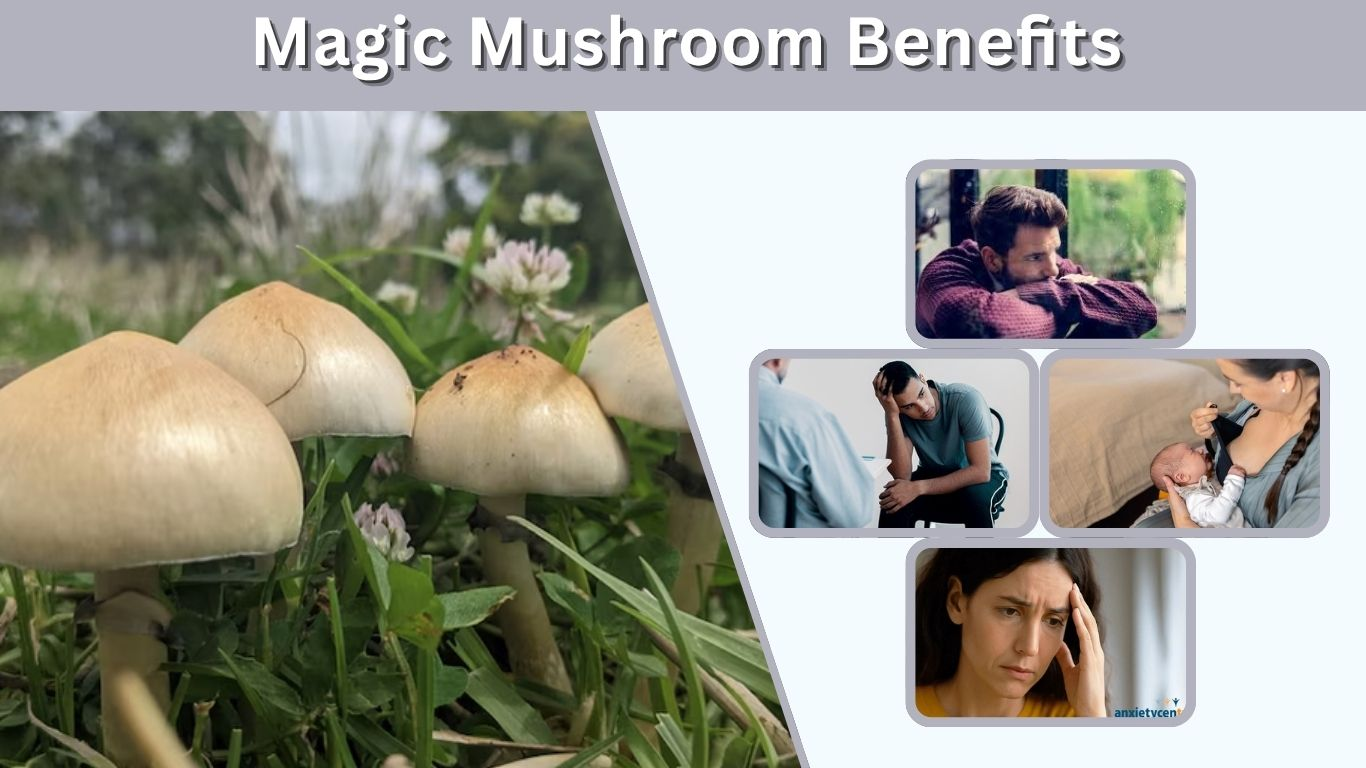
Magic mushroom benefits are widely discussed because psilocybin, the main psychedelic compound in many “magic mushrooms,” is being studied for mental health conditions, brain function, addiction, and emotional well-being. However, possible benefits are mostly linked to controlled research settings, not casual use. Magic mushrooms can also cause side effects, legal problems, and psychological risks, so it is important to understand both the benefits and disadvantages.
What Are Magic Mushrooms?
Magic mushrooms are fungi that contain psilocybin, a psychedelic substance that affects perception, mood, and thought patterns. After ingestion, the body converts psilocybin into psilocin, which interacts with serotonin receptors in the brain.
This can produce changes in sensory experience, time perception, emotions, memory, and self-reflection. Some people describe the experience as meaningful or spiritual, while others may experience fear, panic, confusion, or distress.
Why People Search for Magic Mushroom Benefits
Interest in magic mushroom health benefits has grown because researchers are studying psilocybin-assisted therapy for depression, anxiety, addiction, and distress related to serious illness. Some studies suggest potential benefits when psilocybin is used with professional screening, preparation, supervision, and therapy.
This does not mean magic mushrooms are a safe do-it-yourself treatment. Research settings are carefully controlled, and participants are screened for health risks.
Medical Use vs Recreational Use
Magic mushroom medical benefits are usually discussed in the context of psilocybin-assisted therapy. This means the substance is used as part of a structured clinical process, often with trained professionals present.
Recreational use is different. It may involve uncertain mushroom strength, unsafe environments, no medical screening, and no support if a person panics or has a bad reaction. These differences matter when discussing benefits.
Magic Mushroom Benefits for Brain
Magic mushroom benefits for brain health are one of the most researched areas. Psilocybin appears to affect brain networks involved in mood, self-focus, emotional processing, and flexible thinking.
Some researchers believe psilocybin may temporarily increase psychological flexibility, allowing people to view thoughts, emotions, or life patterns from a different perspective. This may help explain why it is being studied for depression and anxiety.
Brain Connectivity and Flexibility
Psilocybin may change how brain regions communicate during the psychedelic experience. Some research suggests it may reduce rigid patterns of thinking and increase openness to new perspectives.
This is one reason psilocybin is being studied alongside psychotherapy. The substance alone is not the whole treatment. The therapeutic setting and integration afterward may play an important role.
Neuroplasticity Research
Neuroplasticity refers to the brain’s ability to change and adapt. Early research suggests psychedelics may influence neuroplasticity-related processes, but scientists are still studying how this works in humans.
It is important not to overstate this point. “Brain change” does not automatically mean benefit. The environment, mindset, dose, and mental health history can strongly shape whether the experience is helpful or harmful.
Magic Mushroom Medical Benefits
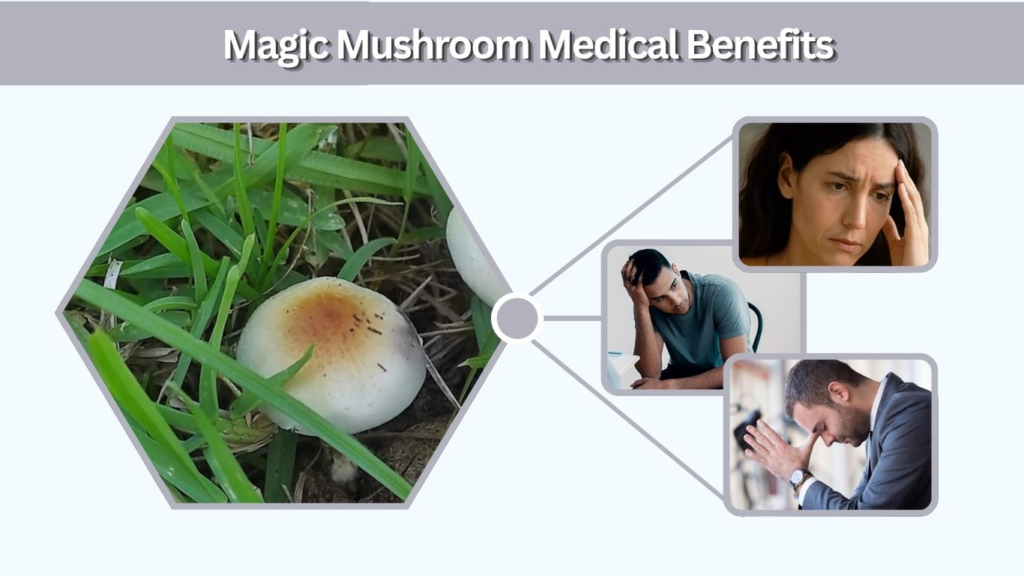
Magic mushroom medical benefits are still under investigation. Psilocybin is not a standard approved treatment for most conditions in many countries, but clinical trials are exploring its potential.
The most discussed areas include depression, anxiety, substance use disorders, and emotional distress in people facing serious illness.
Depression Research
Psilocybin-assisted therapy has been studied for depression, including treatment-resistant depression. Some participants in clinical studies have reported reduced depressive symptoms after carefully supervised sessions.
However, this does not mean psilocybin works for everyone. Some people may not respond, and others may experience anxiety, confusion, or worsening symptoms. Medical supervision is especially important for people with mood disorders.
Anxiety and Serious Illness Distress
Psilocybin has also been studied for anxiety, depression, and existential distress in people with serious illnesses, including cancer-related distress. In these settings, therapy support is central.
The potential benefit may come from emotional processing, reduced fear, and changes in how people relate to illness or mortality. More research is needed to understand who benefits most and how long effects last.
Addiction and Substance Use Research
Researchers are also studying psilocybin for certain substance use disorders. The theory is that a powerful psychological experience, combined with therapy, may help some people change harmful patterns.
This area is promising but still developing. Psilocybin should not be viewed as a guaranteed cure for addiction.
Microdosing Magic Mushroom Benefits
Microdosing magic mushroom benefits are a popular topic online. Microdosing means taking very small amounts of psilocybin, usually below the level that causes a full psychedelic experience.
People claim microdosing may improve mood, creativity, focus, energy, or emotional balance. However, scientific evidence is mixed, and placebo effects may play a role.
Claimed Benefits of Microdosing
Commonly claimed microdosing benefits include:
- Better mood
- Increased creativity
- Improved focus
- More emotional awareness
- Reduced stress
- Greater motivation
- Improved social openness
- Less mental rigidity
These claims are not the same as proven medical effects. Controlled studies are still needed to separate real benefits from expectation effects.
Microdosing Side Effects
Microdosing can still cause side effects. Some people report anxiety, irritability, sleep problems, headaches, stomach upset, emotional sensitivity, or unwanted changes in perception.
Because mushroom potency varies, a “small dose” may not always be small. This makes self-directed microdosing unpredictable.
Magic Mushroom Benefits for Men
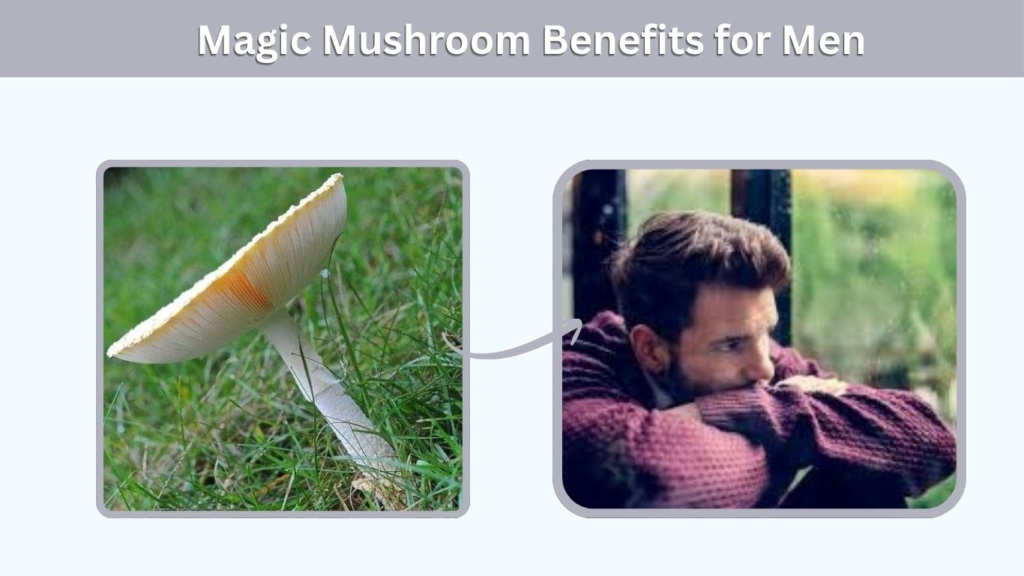
Magic mushroom benefits for men are not completely separate from benefits for women. Most potential effects relate to the brain, emotions, mood, and behavior rather than male-specific biology.
Men may be interested in psilocybin for stress, depression, emotional openness, trauma processing, or substance use patterns. However, benefits depend on individual health, mindset, support, and risk factors.
Mental Health and Emotional Processing
Some men may struggle to talk about emotions, grief, trauma, or anxiety. In therapy-based research, psilocybin may help some people access and process difficult emotions.
This does not make it safe to self-medicate. Men with untreated depression, anger issues, panic, bipolar disorder, or substance use problems should seek professional help rather than experimenting alone.
Substance Use and Behavior Change
Men have higher rates of some substance use disorders in many populations, so research into psilocybin and addiction may be relevant. Psilocybin-assisted therapy may one day become a tool for selected people, but it is not a replacement for evidence-based addiction treatment.
Professional support, screening, and follow-up are essential.
Magic Mushroom Benefits for Women
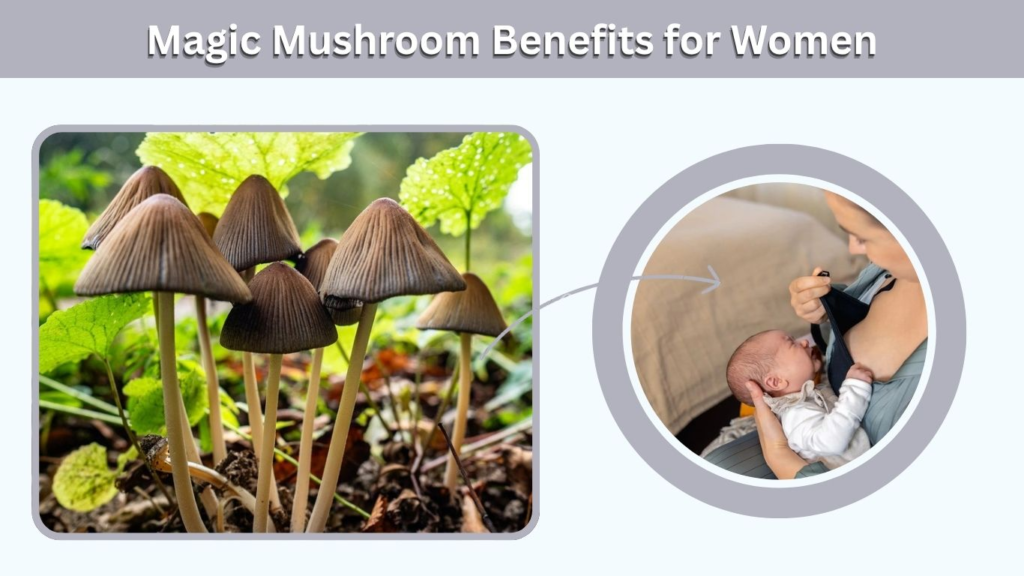
Magic mushroom benefits for women are also mainly related to mental health, emotional well-being, and psychological flexibility. Women may search for psilocybin benefits for anxiety, depression, trauma, stress, or life transitions.
However, women also need to consider health factors such as pregnancy, breastfeeding, hormone-related mood changes, medication use, and trauma history.
Emotional Well-Being and Stress
Some women may be interested in psilocybin because of reports of emotional insight or reduced anxiety. In clinical contexts, these experiences are supported by preparation and integration.
Without support, intense emotions can feel overwhelming. People with trauma histories may need extra caution because psychedelics can bring up difficult memories.
Pregnancy and Breastfeeding Caution
Magic mushrooms should be avoided during pregnancy and breastfeeding unless a qualified medical professional gives specific guidance in a legal clinical setting. The risks to pregnancy, fetal development, and infants are not well understood.
Women taking antidepressants, mood stabilizers, or anxiety medications should also avoid combining substances without medical advice.
Magic Mushroom Health Benefits and Wellness Claims
Magic mushroom health benefits are often exaggerated online. Some wellness claims suggest psilocybin can improve everything from creativity to spirituality to relationships. While some people report meaningful experiences, not every claim is medically proven.
A balanced view is important. Psilocybin may have therapeutic potential, but it also has risks.
Possible Wellness Benefits People Report
Some people report:
- Feeling more connected
- Greater self-reflection
- Emotional release
- More openness
- Reduced fear
- New perspective on problems
- Increased appreciation for nature or relationships
- Spiritual or meaningful experiences
These reports are personal and subjective. They may be valuable to the person, but they do not replace medical evidence.
Why Context Matters
The same substance can produce very different experiences depending on context. A calm, supervised setting may reduce risk. A chaotic environment, high dose, or unstable mental state may increase the chance of panic or harm.
This is why clinical studies use screening, preparation, trained guides, and follow-up support.
Magic Mushroom Benefits and Side Effects
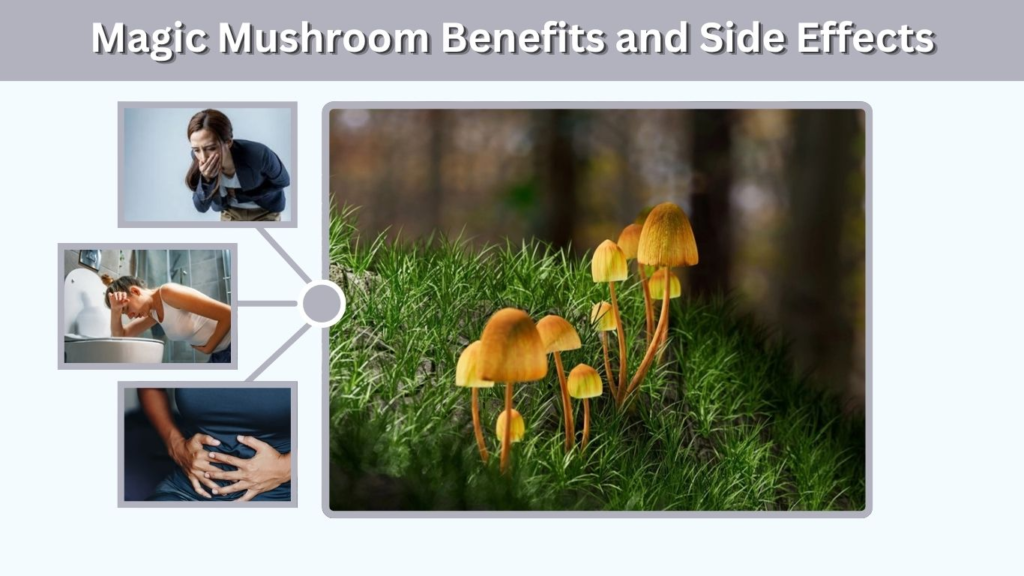
Magic mushroom benefits and side effects must be considered together. Even when potential benefits exist, side effects can be serious.
Common Side Effects
Possible side effects include:
- Nausea
- Vomiting
- Dizziness
- Sweating
- Chills
- Anxiety
- Panic
- Confusion
- Paranoia
- Increased heart rate
- Blood pressure changes
- Poor coordination
- Distorted perception
- Risky behavior
Some people may also have difficult next-day effects, such as fatigue, headache, emotional sensitivity, or lingering anxiety.
Serious Risks
Serious risks may include:
- Severe panic or agitation
- Psychosis-like symptoms
- Worsening bipolar disorder or psychosis
- Accidents while impaired
- Harmful decisions during a trip
- Hallucinogen persisting perception disorder symptoms
- Poisoning from misidentified mushrooms
People with personal or family histories of psychosis or bipolar disorder may face higher risk.
Magic Mushroom Benefits and Disadvantages
Magic mushroom benefits and disadvantages should be weighed carefully. The potential upside is mostly being studied in clinical settings. The disadvantages are more likely when used casually, illegally, or without screening.
Main Benefits Being Studied
Potential benefits being studied include:
- Reduced depression symptoms
- Reduced anxiety in some settings
- Help with serious illness distress
- Addiction treatment support
- Emotional insight
- Increased psychological flexibility
- Possible effects on brain network patterns
These benefits are not guaranteed, and more research is needed.
Main Disadvantages
Disadvantages include:
- Legal risk in many places
- Unpredictable strength
- Possible bad trips
- Nausea and vomiting
- Mental health worsening
- Unsafe behavior while impaired
- Risk of misidentifying mushrooms
- Possible interactions with medications
- Lack of medical supervision
For many people, the risks outweigh possible benefits outside a legal clinical setting.
Can Magic Mushroom Benefits Be Achieved Safely?
The safest way to explore possible psilocybin benefits is through legal, regulated clinical research or approved medical programs where available. These settings include screening, controlled dosing, trained supervision, and follow-up care.
Self-treatment is risky because people may misjudge dose, setting, mental health risks, or drug interactions.
Who Should Avoid Magic Mushrooms?
People should avoid magic mushrooms if they have:
- Personal or family history of psychosis
- Bipolar disorder
- Severe anxiety or panic disorder
- Severe depression with suicidal thoughts
- Heart disease or uncontrolled high blood pressure
- Pregnancy or breastfeeding
- Current use of interacting medications
- History of unsafe reactions to psychedelics
Anyone considering psilocybin for mental health reasons should talk to a qualified healthcare professional.
FAQs
What are the main magic mushroom benefits?
The main potential benefits being studied include reduced depression symptoms, reduced anxiety in some clinical settings, emotional insight, psychological flexibility, and support for some substance use treatments. These benefits are mostly linked to supervised psilocybin-assisted therapy, not casual use.
Are magic mushrooms good for the brain?
Psilocybin affects brain networks related to mood, perception, and self-focused thinking. Some studies suggest it may increase psychological flexibility, but research is still developing. Brain effects can be helpful or harmful depending on the person, dose, setting, and mental health history.
What are microdosing magic mushroom benefits?
People claim microdosing may improve mood, creativity, focus, and emotional balance. However, scientific evidence is mixed, and placebo effects may contribute. Microdosing can also cause anxiety, headaches, sleep problems, irritability, and stomach discomfort.
Are magic mushroom benefits different for men and women?
Most potential benefits are not strictly gender-specific. Men and women may both seek benefits for mood, stress, emotional processing, or mental health. Women should be especially cautious during pregnancy, breastfeeding, or when using hormone-related or psychiatric medications.
What are the disadvantages of magic mushrooms?
Disadvantages include nausea, vomiting, panic, confusion, legal risk, unpredictable potency, unsafe behavior, possible worsening of mental health conditions, medication interactions, and poisoning risk from misidentified mushrooms. People with psychosis or bipolar risk should avoid unsupervised use.