
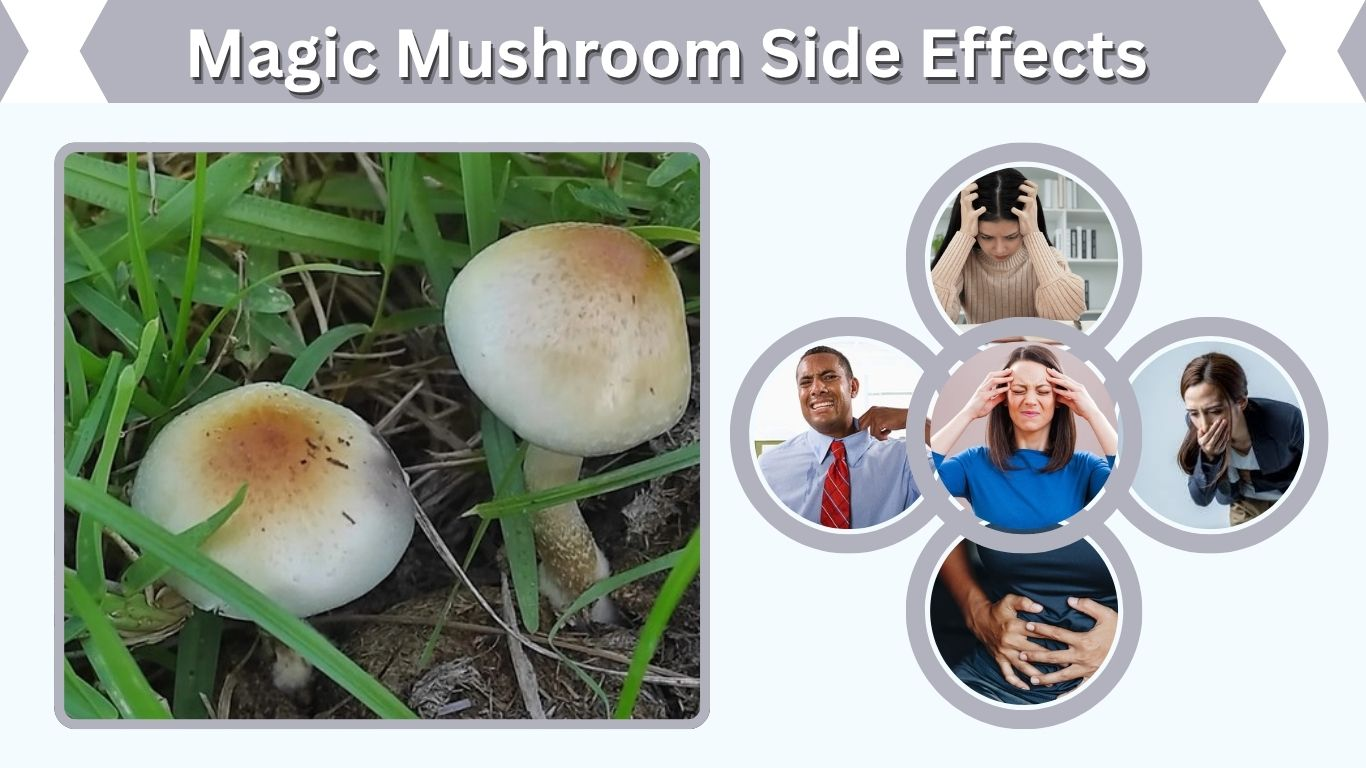
Magic mushroom side effects can affect the mind, body, stomach, sleep, and emotions. These mushrooms contain psilocybin, a psychedelic compound that can change perception, mood, and thinking. Some people seek them for spiritual, recreational, or mental health reasons, but side effects can be unpredictable. Understanding the possible health effects, next-day symptoms, and long-term risks is important before considering any use.
What Are Magic Mushrooms?
Magic mushrooms are mushrooms that contain psilocybin or related psychedelic compounds. After ingestion, psilocybin is converted in the body into psilocin, which affects serotonin receptors in the brain. This can change how a person experiences time, sound, color, emotions, memories, and self-awareness.
The effects are often described as a “trip.” Some people report pleasant or meaningful experiences, while others experience fear, confusion, panic, or distress. The same person may react differently at different times.
Does Magic Mushroom Have Side Effects?
Yes, magic mushrooms can have side effects. These may be physical, emotional, psychological, or social. The effects depend on dose, mushroom strength, body size, mental state, environment, other substances, and personal health history.
Even when someone expects a positive experience, side effects can happen suddenly. Strong anxiety, nausea, disorientation, or panic can turn the experience into a frightening event.
Why Effects Can Be Unpredictable
Magic mushroom strength can vary widely. Two mushrooms that look similar may contain different amounts of psilocybin. Misidentification is also a serious risk because some poisonous mushrooms can be mistaken for psilocybin mushrooms.
The setting also matters. A calm, safe environment may reduce risk, while crowded, stressful, unfamiliar, or unsafe places may increase panic, accidents, or harmful decisions.
Common Magic Mushroom Side Effects on Health
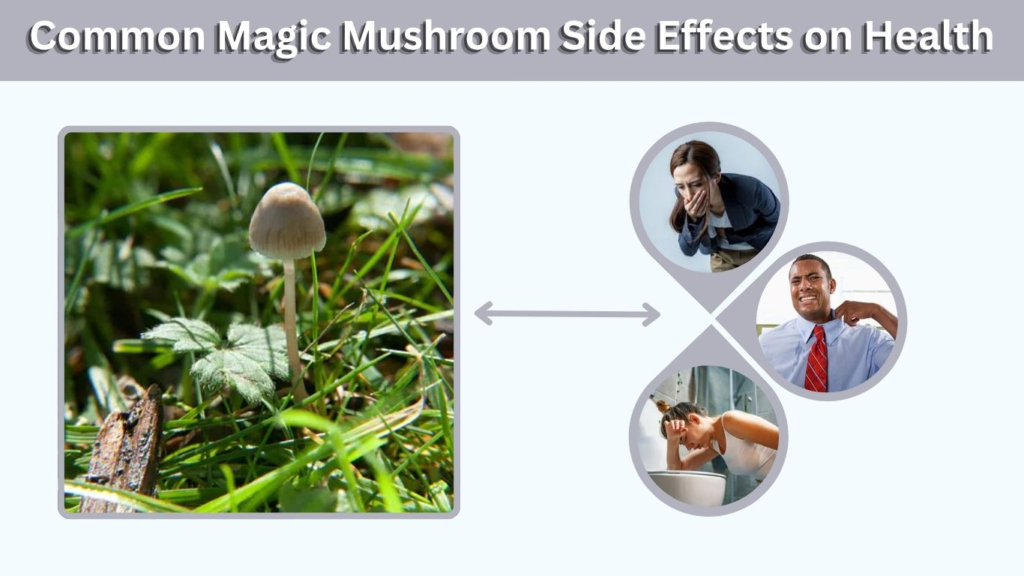
Magic mushroom side effects on health can include both body symptoms and mental effects. Some are mild and temporary, while others may require medical attention.
Physical Side Effects
Common physical side effects may include:
- Nausea
- Vomiting
- Stomach cramps
- Sweating
- Chills
- Dilated pupils
- Dizziness
- Increased heart rate
- Changes in blood pressure
- Trembling or weakness
- Headache
- Poor coordination
These effects may be more concerning for people with heart problems, blood pressure issues, seizure disorders, or other medical conditions.
Psychological Side Effects
Psychological side effects may include:
- Anxiety
- Fear or panic
- Confusion
- Paranoia
- Distorted time perception
- Hallucinations
- Mood swings
- Feeling detached from reality
- Difficulty communicating
- Disturbing thoughts or memories
- Risky decision-making
A difficult psychedelic experience can feel overwhelming and may leave a person shaken afterward.
Magic Mushroom Side Effects on Stomach
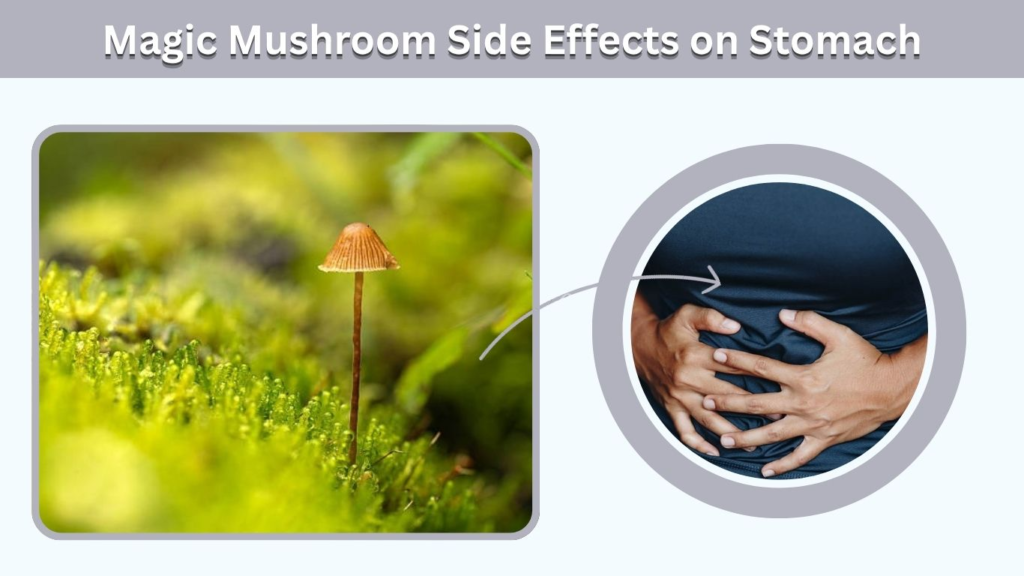
Stomach side effects are among the most common complaints. Many people report nausea after taking magic mushrooms. Some vomit, especially if the mushrooms are eaten raw or in larger amounts.
The stomach reaction may come from the mushroom material itself, the body’s response to psilocybin, anxiety during the experience, or contamination.
Why They Cause Nausea
Mushrooms can be hard to digest. Dried mushrooms may have a strong taste and texture that triggers gagging. Psilocybin-related changes in the nervous system may also affect the gut.
Some people feel stomach discomfort before the psychedelic effects peak. For others, nausea continues for much of the experience.
When Stomach Symptoms Are Concerning
Seek medical help if vomiting is severe, prolonged, bloody, or linked with confusion, fainting, severe abdominal pain, fever, or dehydration. Medical help is also urgent if there is any chance the mushroom was misidentified.
Poisonous mushroom ingestion can be life-threatening and may not always cause immediate severe symptoms.
Magic Mushroom Side Effects on Skin
Magic mushroom side effects on skin are less commonly discussed than stomach or mental effects, but some people notice sweating, flushing, chills, goosebumps, itching, or rash-like reactions.
Skin symptoms may be related to anxiety, body temperature changes, allergic reactions, or another substance mixed with the mushrooms.
Possible Skin Reactions
Skin-related effects may include:
- Sweating
- Warm or flushed skin
- Chills
- Tingling sensations
- Itching
- Hives or rash
- Goosebumps
- Pale or clammy skin during panic
Mild sweating or flushing may pass as the drug wears off. However, hives, swelling, trouble breathing, or facial swelling may suggest an allergic reaction and need urgent medical care.
Skin Picking and Scratching
During a strong experience, a person may become unusually focused on body sensations. This can lead to scratching, skin picking, or worry about normal sensations.
If someone becomes highly distressed, confused, or unable to stop harming their skin, they should be supported calmly and kept safe. Medical help may be needed if behavior becomes unsafe.
Magic Mushroom Side Effects Next Day
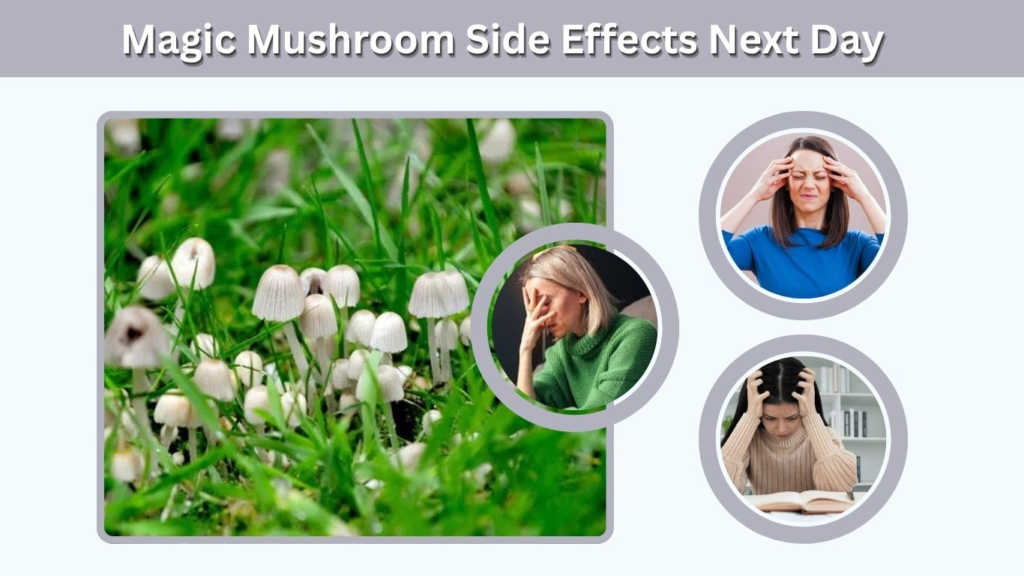
Next-day side effects can happen after the main trip ends. Some people feel tired, emotionally sensitive, or mentally foggy. Others may feel calm or reflective. The next-day experience depends on sleep, dose, emotional intensity, hydration, and overall health.
Common Next-Day Effects
Possible next-day side effects include:
- Fatigue
- Headache
- Low mood
- Anxiety
- Emotional sensitivity
- Trouble concentrating
- Poor sleep
- Vivid dreams
- Stomach discomfort
- Muscle tension
- Feeling mentally drained
- Confusion about the experience
These effects often improve with rest, hydration, food, and a calm environment. However, lingering anxiety or confusion should not be ignored.
When Next-Day Symptoms Need Help
Seek medical or mental health support if next-day symptoms include severe anxiety, panic attacks, suicidal thoughts, hallucinations that continue, paranoia, inability to sleep for a long time, or feeling disconnected from reality.
A distressing trip can sometimes trigger deeper mental health symptoms, especially in people with personal or family histories of psychosis, bipolar disorder, or severe anxiety.
How Long Do Magic Mushroom Side Effects Last?
The main effects of psilocybin mushrooms often last several hours, but the timeline can vary. Side effects may begin within 20 to 60 minutes after ingestion, peak after a few hours, and gradually fade.
Some aftereffects may last into the next day. Psychological effects can last longer if the experience was frightening or destabilizing.
Typical Timeline
| Time Period | Possible Effects | Notes |
|---|---|---|
| 20–60 minutes | Nausea, body changes, early mood shifts | Onset varies by person and form |
| 1–3 hours | Strongest perceptual and emotional effects | Panic or confusion may occur |
| 3–6 hours | Gradual fading of peak effects | Fatigue may begin |
| 6–24 hours | Sleep changes, headache, emotional aftereffects | Next-day symptoms possible |
| Days or longer | Lingering anxiety or distress in some people | Seek help if symptoms continue |
This timeline is general. Mushroom strength, dose, other substances, and health conditions can change the experience.
Magic Mushroom Side Effects Long Term
Magic mushroom side effects long term are less predictable than short-term symptoms. Many people do not report lasting physical problems after occasional use, but long-term psychological effects can occur in some cases.
The main long-term concerns are mental health effects, persisting perceptual changes, risky use patterns, and distress after difficult experiences.
Possible Long-Term Psychological Effects
Long-term or lasting effects may include:
- Lingering anxiety
- Panic episodes
- Depression after a difficult experience
- Increased fear or paranoia
- Sleep disruption
- Flashback-like experiences
- Hallucinogen persisting perception disorder symptoms
- Worsening of underlying mental illness
- Trauma-like response after a frightening trip
People with a history of psychosis, bipolar disorder, severe depression, or strong family history of psychotic disorders may face higher risk.
Can Magic Mushrooms Cause Addiction?
Psilocybin is not generally considered physically addictive in the way opioids, alcohol, or nicotine can be. However, psychological patterns of repeated use can still develop. Some people may chase intense experiences or use psychedelics to avoid emotional problems.
Frequent use can also increase tolerance, meaning the same amount may produce weaker effects for a time. This can lead some people to take more, increasing risk.
Microdosing Magic Mushroom Side Effects
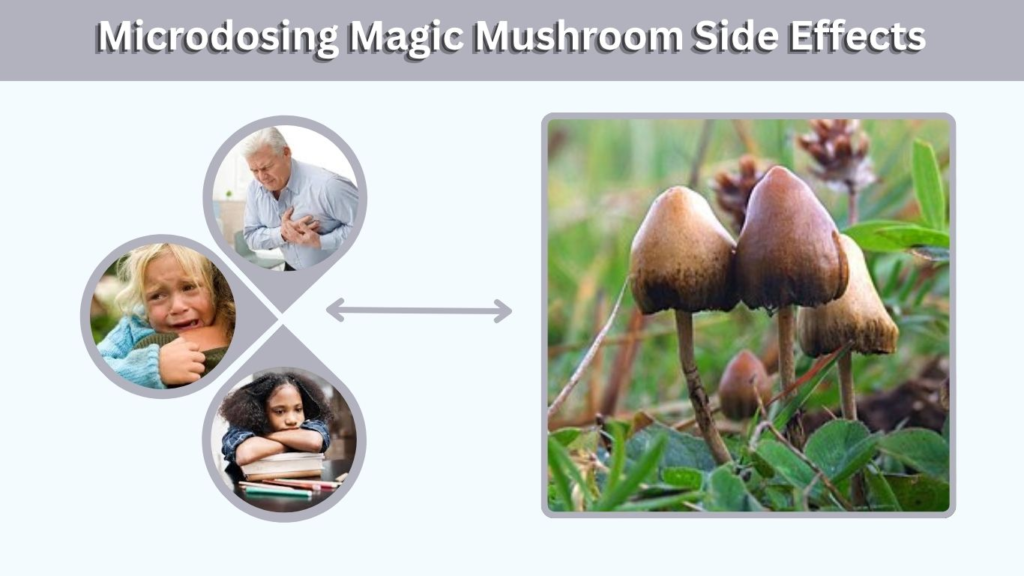
Microdosing means taking very small amounts of a psychedelic, usually below the level expected to cause strong hallucinations. Some people claim it improves mood, creativity, or focus, but research is still developing and effects can vary.
Microdosing magic mushroom side effects can still occur, especially with repeated use or uncertain dosing.
Possible Microdosing Side Effects
Microdosing may cause:
- Anxiety
- Irritability
- Sleep problems
- Headache
- Nausea
- Stomach discomfort
- Increased heart rate
- Emotional sensitivity
- Distractibility
- Unwanted perceptual changes
Because mushroom potency is inconsistent, a planned microdose can become stronger than expected.
Risks of Self-Treating
Some people use microdosing to self-treat depression, anxiety, ADHD, or trauma. This can be risky without medical guidance. Symptoms may worsen, and untreated mental health conditions may become more complicated.
Anyone taking prescription medications, especially antidepressants, mood stabilizers, stimulants, or heart medications, should not mix substances without professional advice.
Who Has Higher Risk of Side Effects?
Magic mushrooms can affect people differently. Some groups may have higher risk of harmful reactions.
Higher-Risk Groups
Extra caution is important for people with:
- Personal or family history of psychosis
- Bipolar disorder
- Severe anxiety or panic disorder
- Severe depression or suicidal thoughts
- Heart disease
- High blood pressure
- Seizure disorders
- Pregnancy or breastfeeding
- Use of psychiatric medications
- History of substance misuse
Young people may also be more vulnerable because the brain continues developing into young adulthood.
Mixing With Other Substances
Combining magic mushrooms with alcohol, cannabis, stimulants, antidepressants, or other drugs can increase risk. Mixing substances may make effects more unpredictable and harder to manage.
Some combinations can raise medical or psychological danger. If someone becomes severely confused, agitated, unconscious, overheated, or physically unwell after mixing substances, emergency help is needed.
Safety and Harm Reduction
The safest way to avoid magic mushroom side effects is not to use them. They are illegal in many places and can carry legal risk. If someone is already experiencing side effects, the priority is safety, calm support, and medical help when needed.
If Someone Is Having a Bad Reaction
Helpful steps include:
- Move them to a calm, quiet space.
- Speak gently and clearly.
- Remind them the effects are temporary.
- Keep them away from roads, heights, water, and sharp objects.
- Do not leave them alone if they are confused or panicking.
- Avoid arguing with frightening beliefs.
- Call emergency services if symptoms are severe.
If there is any chance of poisonous mushroom ingestion, seek urgent medical care.
When to Get Emergency Help
Get emergency help if there is chest pain, trouble breathing, seizures, fainting, severe agitation, violent behavior, suicidal thoughts, severe confusion, persistent vomiting, high fever, or suspected poisoning.
Mental health crisis support is also important if someone feels unsafe or at risk of self-harm after use.
FAQs
Does magic mushroom have side effects?
Yes, magic mushrooms can cause side effects, including nausea, vomiting, dizziness, anxiety, panic, hallucinations, increased heart rate, blood pressure changes, and next-day fatigue. Some people may also experience longer-lasting psychological distress, especially after a frightening or intense experience.
How long do magic mushroom side effects last?
The main effects often last several hours, but side effects may continue into the next day. Fatigue, headache, emotional sensitivity, or sleep changes can last 24 hours or more. Lingering anxiety, paranoia, or perceptual changes need medical or mental health support.
What are magic mushroom side effects on the stomach?
Stomach side effects may include nausea, cramps, vomiting, and digestive discomfort. These symptoms can come from the mushroom material, psilocybin’s effects, anxiety, or contamination. Severe vomiting, dehydration, fever, or suspected poisonous mushroom ingestion requires urgent medical care.
Can microdosing magic mushrooms cause side effects?
Yes, microdosing can still cause side effects such as anxiety, irritability, headache, nausea, sleep problems, emotional sensitivity, or unexpected perceptual changes. Mushroom potency varies, so a small amount may be stronger than intended.
What are long-term side effects of magic mushrooms?
Possible long-term side effects include lingering anxiety, panic, sleep disruption, flashback-like experiences, worsening of mental health conditions, or hallucinogen persisting perception disorder symptoms. People with psychosis, bipolar disorder, or severe anxiety may be at higher risk.