
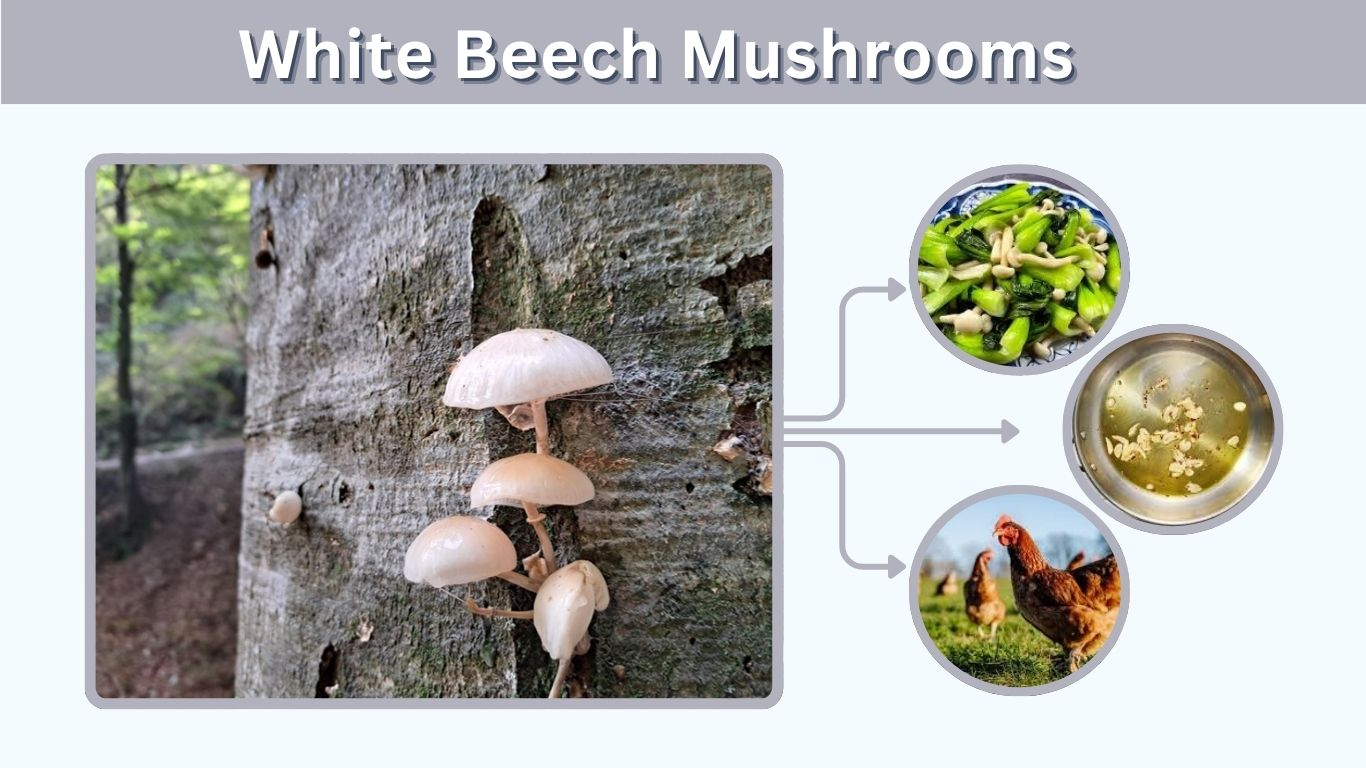
White beech mushrooms are popular edible fungi known for their delicate flavor, firm texture, and impressive nutritional value. Native to East Asia and commonly used in Japanese cuisine, these mushrooms have gained worldwide popularity among home cooks and health-conscious consumers. Often sold in clusters, white beech mushrooms are versatile ingredients suitable for soups, stir-fries, ramen, and roasted dishes. They are low in calories, rich in nutrients, and easy to prepare, making them an excellent addition to a balanced diet and a variety of culinary creations.
What Are White Beech Mushrooms?
White beech mushrooms, scientifically known as Hypsizygus tessellatus, are cultivated mushrooms recognized for their small white caps and long slender stems. They belong to the shimeji mushroom family and are widely used in Asian cooking. Their mild, nutty flavor develops fully when cooked, making them a favorite ingredient in many savory dishes.
Scientific Classification
White beech mushrooms belong to the following classification:
- Kingdom: Fungi
- Division: Basidiomycota
- Class: Agaricomycetes
- Family: Lyophyllaceae
- Genus: Hypsizygus
- Species: Hypsizygus tessellatus
Physical Characteristics
These mushrooms are easy to recognize due to several unique features:
- Small white rounded caps
- Long thin stems
- Cluster-growing structure
- Firm and slightly crunchy texture
- Mild earthy aroma
White Beech Mushroom Taste and Flavor Profile
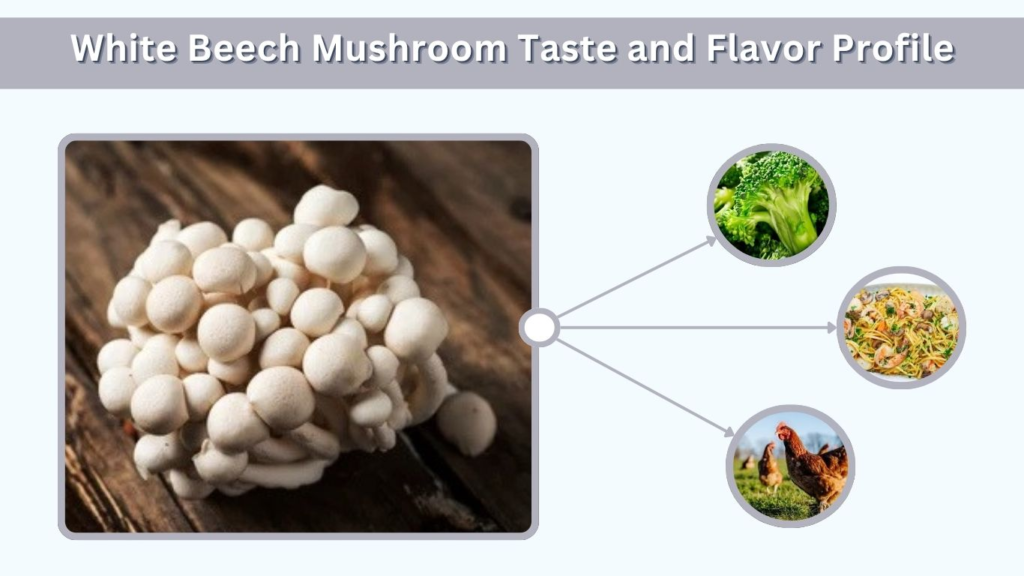
White beech mushrooms are valued for their balanced flavor and pleasant texture. Unlike stronger mushroom varieties, they have a subtle taste that complements many ingredients without overpowering a dish. Their flavor becomes richer and sweeter after cooking, while their texture remains firm and slightly crisp.
What Do White Beech Mushrooms Taste Like?
The flavor of white beech mushrooms is often described as mild, nutty, and slightly sweet. When cooked, they develop a savory umami quality that enhances soups, noodle dishes, and stir-fries. Their delicate flavor allows them to pair well with vegetables, seafood, poultry, and plant-based recipes.
Why Cooking Improves Flavor
Raw white beech mushrooms can have a slightly bitter taste. Cooking helps remove this bitterness while bringing out their natural sweetness and nutty characteristics. This is why most recipes recommend sautéing, roasting, or simmering them before serving.
White Beech Mushroom Nutrition Facts
White beech mushrooms are a nutrient-dense food that provides essential vitamins and minerals while remaining low in calories. They are often included in healthy meal plans because they contribute valuable nutrients without adding significant fat or sugar.
Key Nutrients
White beech mushrooms contain several important nutrients, including:
- Dietary fiber
- Plant-based protein
- B vitamins
- Potassium
- Copper
- Selenium
Calories and Macronutrients
A typical serving of white beech mushrooms is naturally low in calories and fat. They provide small amounts of protein and carbohydrates while supplying fiber that supports digestive health. This nutritional profile makes them suitable for weight-management and wellness-focused diets.
Health Benefits of White Beech Mushrooms
The nutritional composition of white beech mushrooms contributes to several potential health benefits. While they should not be considered a replacement for medical treatment, they can be a valuable part of a nutritious eating pattern.
Rich in Antioxidants
White beech mushrooms contain naturally occurring antioxidant compounds that help protect cells from oxidative stress. Antioxidants play an important role in maintaining overall health and supporting normal body functions.
Supports Digestive Health
The dietary fiber found in white beech mushrooms may help support healthy digestion. Fiber contributes to regular bowel function and can promote a balanced gut environment when consumed as part of a varied diet.
May Support Immune Function
Like many edible mushrooms, white beech mushrooms contain bioactive compounds that are being studied for their role in supporting immune system health. Their vitamin and mineral content also contributes to overall wellness.
How to Clean and Prepare White Beech Mushrooms
Proper preparation helps ensure the best flavor and texture when cooking white beech mushrooms. Fortunately, they require very little cleaning and can be ready for use in just a few minutes.
How to Clean White Beech Mushrooms
White beech mushrooms should be handled gently because they absorb water easily. Instead of soaking them, lightly brush away debris or wipe them with a damp paper towel if necessary. This method preserves their texture and prevents excess moisture during cooking.
How to Trim White Beech Mushrooms
The mushrooms are usually sold in clusters attached to a firm base. Before cooking, simply cut off the bottom portion of the cluster and separate the individual stems. Once separated, they can be added directly to recipes such as stir-fries, soups, and noodle dishes.
How to Cook White Beech Mushrooms
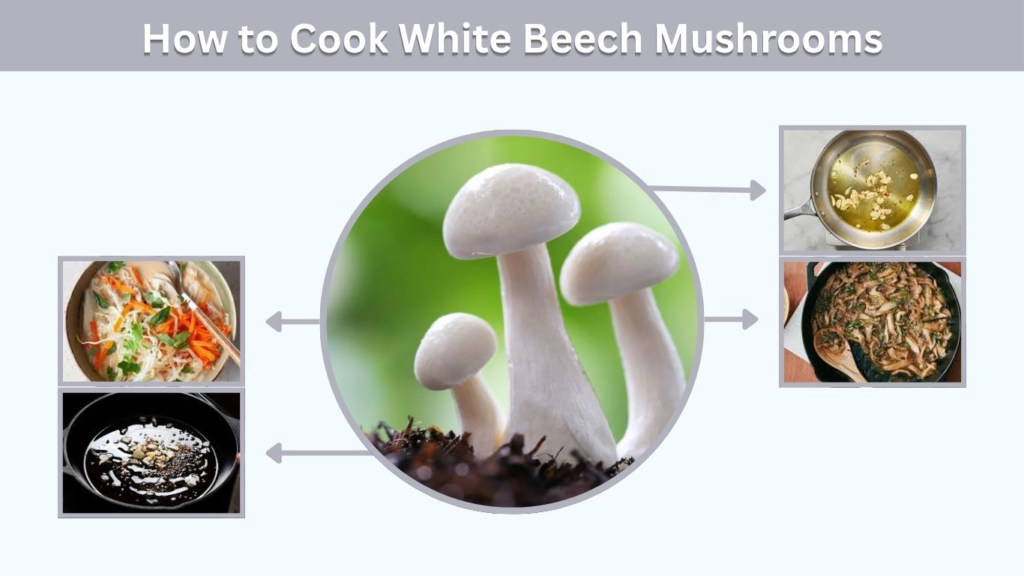
White beech mushrooms are easy to cook and adapt well to various cuisines. Their firm texture allows them to retain their shape during cooking, while heat enhances their naturally sweet and nutty flavor. Whether sautéed, roasted, or added to soups, these mushrooms require only a few minutes of cooking time to become tender and flavorful.
Best Cooking Methods
Several cooking methods work particularly well for white beech mushrooms:
- Sautéing with garlic and olive oil
- Stir-frying with vegetables and sauces
- Roasting in the oven
- Adding to soups and broths
- Incorporating into ramen and noodle dishes
How Long to Cook White Beech Mushrooms
Most white beech mushrooms cook quickly. Sautéing typically takes 5 to 7 minutes, while roasting may require 10 to 15 minutes depending on the temperature. The mushrooms are ready when they become tender and slightly golden while still maintaining their structure.
Common Cooking Mistakes
Overwashing mushrooms can cause them to absorb excess moisture, resulting in a soggy texture. Overcooking may also reduce their firmness and flavor. For the best results, cook them over medium-high heat and avoid overcrowding the pan.
Best White Beech Mushroom Recipes
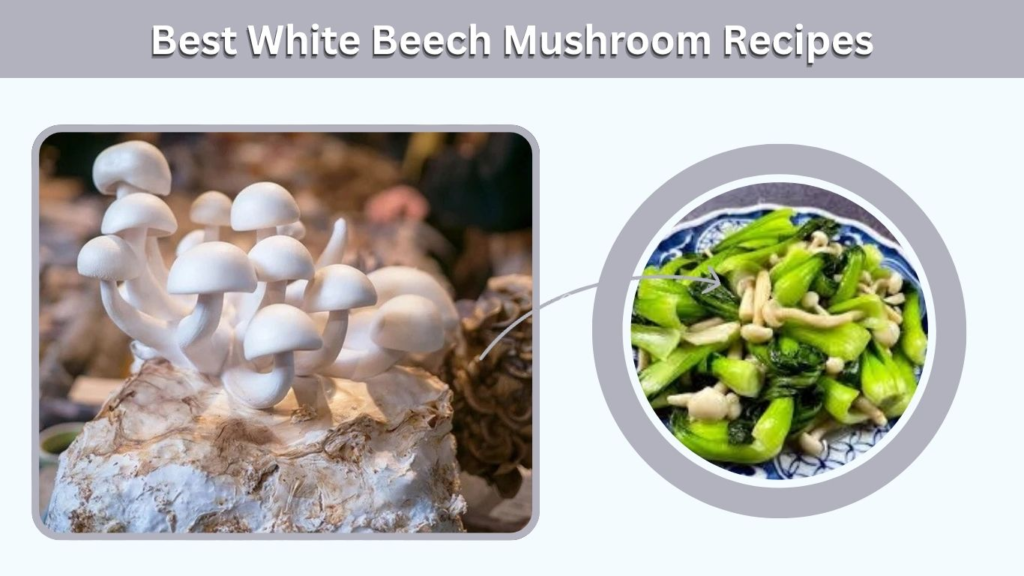
White beech mushrooms are versatile ingredients that complement a wide range of dishes. Their mild flavor makes them suitable for both simple weeknight meals and more elaborate recipes.
White Beech Mushroom Stir Fry
A stir-fry is one of the easiest ways to enjoy white beech mushrooms. The mushrooms cook quickly alongside vegetables and absorb sauces beautifully, creating a flavorful and nutritious meal.
White Beech Mushroom Soup
These mushrooms add depth and texture to soups. Their subtle umami flavor enhances vegetable broths, miso soups, and creamy mushroom soups without overwhelming other ingredients.
White Beech Mushroom Ramen
White beech mushrooms are commonly used in Japanese ramen. Their delicate texture pairs well with noodles, broth, soft-boiled eggs, and various vegetables, creating a satisfying bowl of comfort food.
Roasted White Beech Mushrooms
Roasting intensifies the natural sweetness of the mushrooms. A simple combination of olive oil, garlic, and herbs can transform them into a delicious side dish that pairs well with many meals.
White Beech Mushrooms vs Enoki Mushrooms
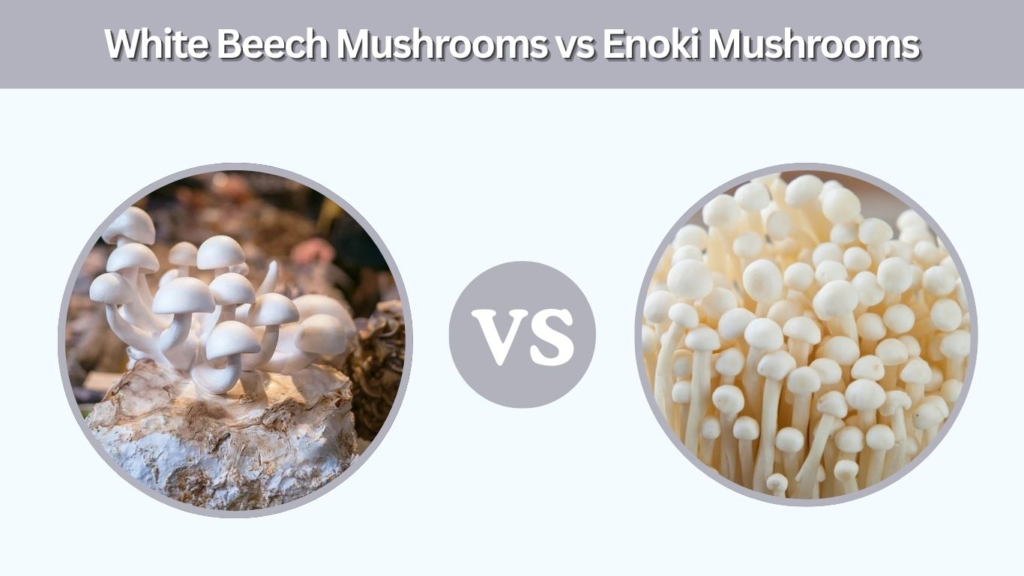
White beech mushrooms and enoki mushrooms are both popular in Asian cuisine, but they differ in appearance, texture, and flavor. Understanding these differences can help cooks choose the right mushroom for specific recipes.
Appearance Comparison
White beech mushrooms grow in dense clusters with small rounded caps and thicker stems. Enoki mushrooms have tiny caps and extremely long, thin stems that create a distinctive appearance.
Flavor Comparison
White beech mushrooms offer a nutty, mildly sweet flavor with a pleasant umami taste when cooked. Enoki mushrooms have a much milder flavor and are often valued more for their texture than their taste.
Texture Comparison
One of the biggest differences is texture. White beech mushrooms remain firm and slightly crunchy after cooking, while enoki mushrooms are more delicate and tender.
Growing White Beech Mushrooms
Cultivating white beech mushrooms requires controlled environmental conditions, but dedicated growers can successfully produce them at home. Commercial cultivation is common throughout Asia and increasingly popular in other regions.
Ideal Growing Conditions
Successful cultivation depends on maintaining proper temperature, humidity, and airflow. White beech mushrooms typically prefer cool growing conditions and consistent moisture levels throughout their development cycle.
Common Growing Substrates
Several substrates can be used for cultivation:
- Hardwood sawdust
- Supplemented wood-based media
- Commercial mushroom blocks
- Sterilized organic growing mixtures
Home Cultivation Basics
Home growers often begin with pre-inoculated mushroom kits. These kits simplify the process and provide a practical introduction to mushroom cultivation without requiring advanced equipment.
Buying and Storing White Beech Mushrooms
Fresh white beech mushrooms are increasingly available in supermarkets, specialty grocery stores, and Asian food markets. Selecting quality mushrooms and storing them correctly helps preserve their flavor and texture.
How to Choose Fresh Mushrooms
When shopping for white beech mushrooms, look for:
- Bright white color
- Firm stems
- Dry surfaces
- Fresh aroma
- No slimy or discolored areas
Storage Tips
Store white beech mushrooms in the refrigerator in their original packaging or a paper bag. Properly stored mushrooms typically remain fresh for several days. Avoid sealing them in airtight plastic containers, as trapped moisture may accelerate spoilage.
FAQs
Are white beech mushrooms healthy?
Yes, white beech mushrooms are low in calories and contain fiber, vitamins, minerals, and antioxidants that support overall health.
Can you eat white beech mushrooms raw?
While they can technically be eaten raw, cooking is recommended because it improves flavor, reduces bitterness, and enhances texture.
What do white beech mushrooms taste like?
They have a mild, nutty, slightly sweet flavor with subtle umami notes that become more pronounced after cooking.
How long should white beech mushrooms be cooked?
Most cooking methods require only 5 to 10 minutes, depending on the recipe and preparation technique.
Are white beech mushrooms the same as shimeji mushrooms?
White beech mushrooms are a type of shimeji mushroom. They are often referred to as white shimeji and belong to the species Hypsizygus tessellatus.