
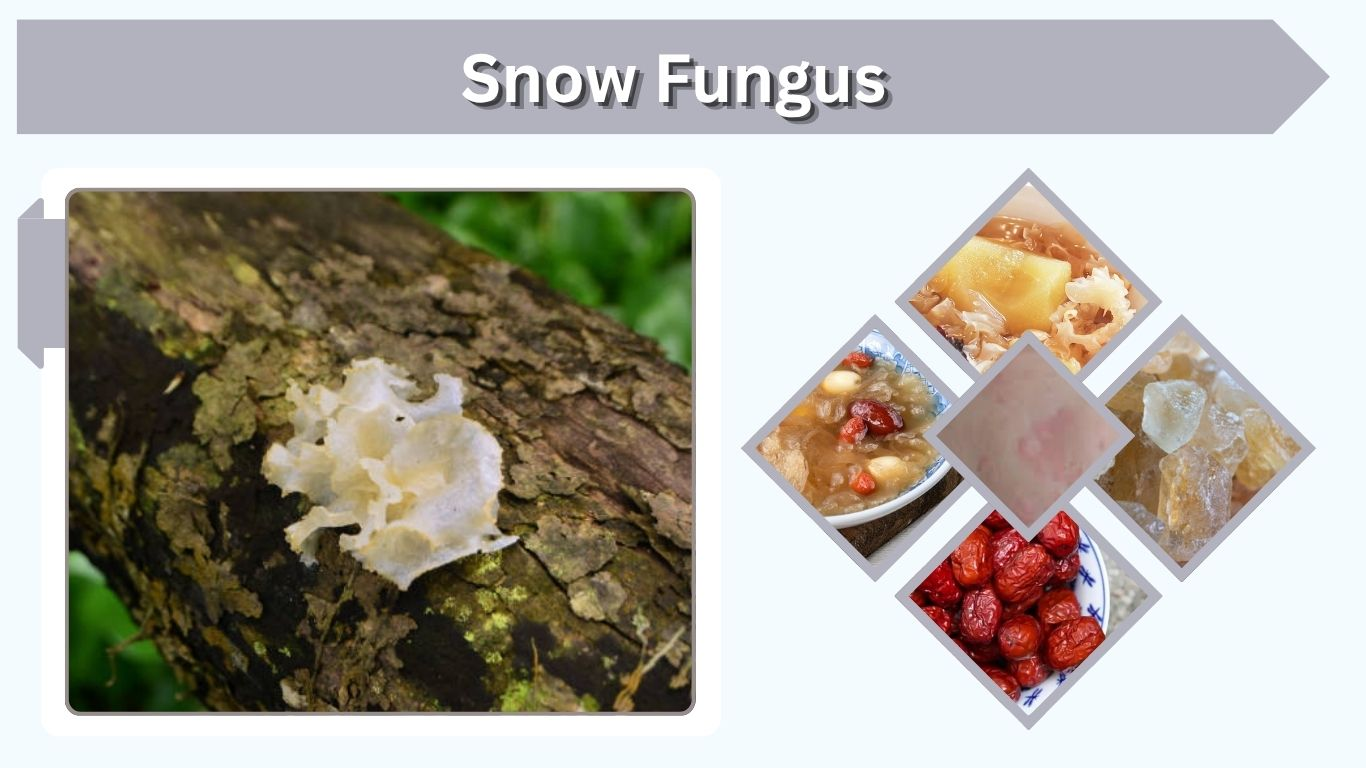
Snow fungus is a unique edible mushroom prized for its jelly-like texture, mild flavor, and impressive nutritional profile. Scientifically known as Tremella fuciformis, it has been used for centuries in Chinese cuisine and traditional wellness practices. Today, snow fungus is gaining popularity worldwide as a superfood ingredient found in soups, desserts, teas, supplements, and skincare products. Rich in polysaccharides and low in calories, it is valued for its potential health benefits, culinary versatility, and ability to absorb the flavors of other ingredients.
What Is Snow Fungus?
Snow fungus, also called white fungus, snow ear fungus, or silver ear mushroom, is an edible fungus that grows naturally on decaying wood in tropical and subtropical regions. It is most commonly sold in dried form and becomes soft and gelatinous after soaking and cooking. Because of its delicate appearance and unique texture, snow fungus is widely used in both sweet and savory dishes throughout Asia.
Scientific Classification
Snow fungus belongs to the following classification:
- Kingdom: Fungi
- Division: Basidiomycota
- Class: Tremellomycetes
- Order: Tremellales
- Family: Tremellaceae
- Genus: Tremella
- Species: Tremella fuciformis
Is White Fungus the Same as Snow Fungus?
Yes, white fungus and snow fungus generally refer to the same edible species, Tremella fuciformis. Depending on the region, it may also be called snow ear fungus, silver ear mushroom, or white jelly mushroom. These names all describe the same fungus known for its translucent appearance and culinary uses.
What Does Snow Fungus Taste Like?
Unlike many edible mushrooms, snow fungus is appreciated more for its texture than its flavor. It has a very mild taste that allows it to absorb the flavors of ingredients cooked alongside it. This characteristic makes it a versatile addition to soups, desserts, herbal teas, and traditional Chinese recipes.
Flavor Profile
Snow fungus has a subtle flavor that can be described as neutral with a slight sweetness. Because it does not have a strong earthy or mushroom-like taste, it works exceptionally well in both sweet and savory dishes. Its mild flavor allows ingredients such as pears, red dates, goji berries, and herbs to stand out.
Texture After Cooking
After soaking and cooking, snow fungus develops a soft, gelatinous texture that resembles a delicate jelly. This unique consistency is one reason it is commonly used in Chinese dessert soups and nourishing beverages.
Snow Fungus Nutrition Facts
Snow fungus is naturally low in calories and fat while providing dietary fiber and beneficial plant compounds. It is often included in health-conscious diets because it contributes nutrients without significantly increasing calorie intake. Although it is not a major source of protein, it contains valuable compounds that support overall wellness.
Key Nutrients
Snow fungus contains a variety of nutrients and bioactive compounds, including:
- Dietary fiber
- Polysaccharides
- Small amounts of protein
- Potassium
- Calcium
- Magnesium
Calories and Macronutrients
Snow fungus is considered a low-calorie food. Most of its calories come from carbohydrates and fiber, while its fat content remains extremely low. This makes it a suitable ingredient for people seeking nutrient-rich foods that fit into balanced eating plans.
Health Benefits of Snow Fungus
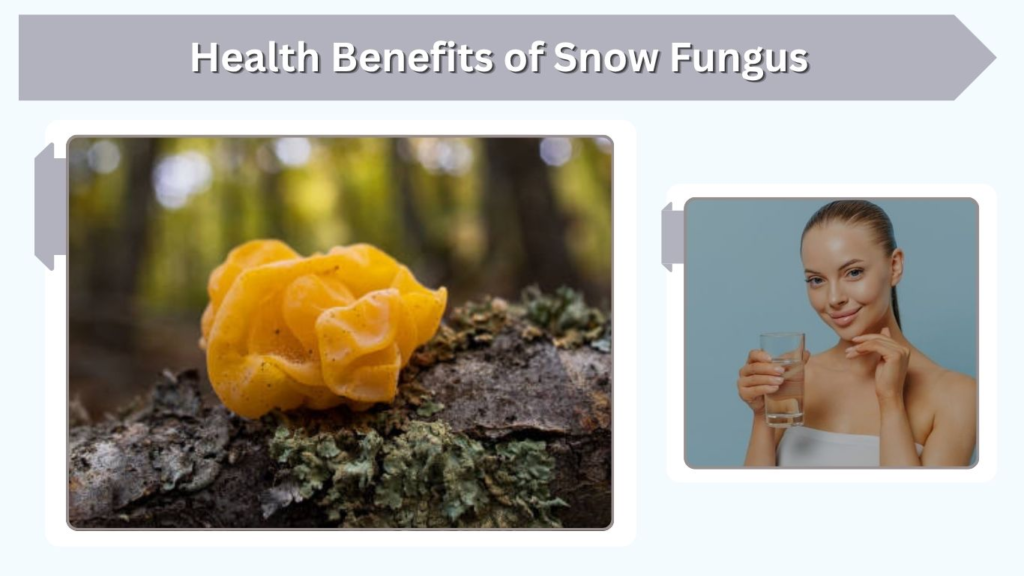
Snow fungus has been consumed for centuries in traditional Chinese cuisine and wellness traditions. Modern research has focused on its naturally occurring polysaccharides and antioxidant compounds, which may contribute to various health-supporting properties. While more studies are needed, snow fungus remains a popular ingredient among people interested in functional foods.
Rich in Antioxidants
Snow fungus contains antioxidant compounds that help protect cells from oxidative stress. Antioxidants play an important role in supporting overall health by reducing damage caused by free radicals in the body.
May Support Skin Hydration
One of the most discussed benefits of snow fungus is its potential role in skin hydration. Its naturally occurring polysaccharides have attracted attention in both nutrition and skincare industries. As a result, snow fungus extracts are increasingly used in beauty products designed to support moisture retention.
Supports Overall Wellness
Regular consumption of nutrient-rich foods such as snow fungus may contribute to a balanced diet and healthy lifestyle. Its low-calorie profile, fiber content, and beneficial compounds make it a valuable addition to soups, teas, desserts, and other recipes.
Snow Fungus Side Effects and Safety
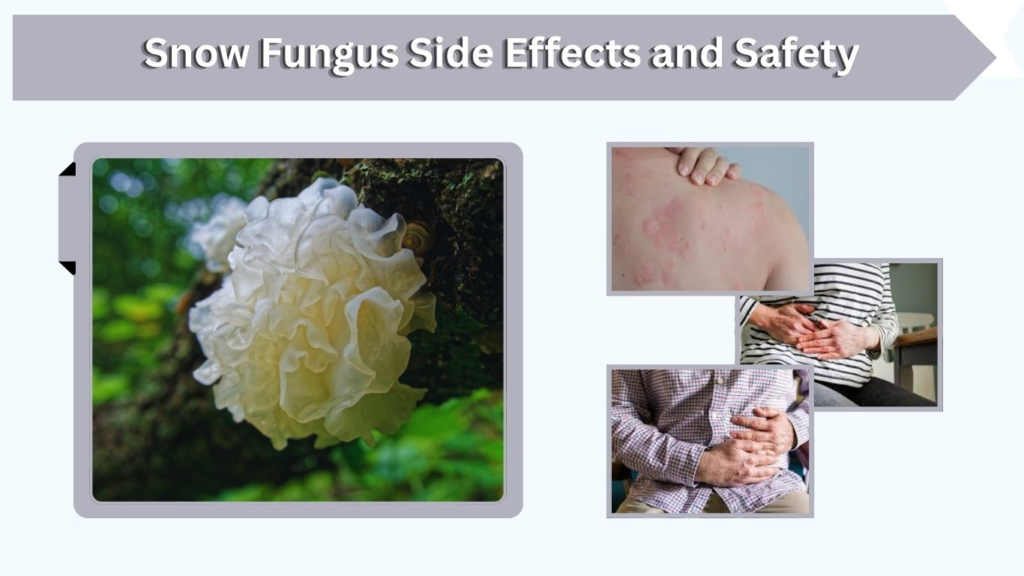
Snow fungus is generally regarded as safe when consumed as food. It has been eaten for centuries across Asia and is widely available in dried, fresh, and supplemental forms. Most people tolerate snow fungus well when it is prepared properly and consumed in moderation.
Is Snow Fungus Safe to Eat?
For healthy individuals, snow fungus is considered safe and nutritious. It should always be cleaned, soaked, and cooked according to recipe instructions to achieve the best texture and quality.
Possible Side Effects
Although uncommon, some individuals may experience:
- Digestive discomfort from excessive consumption
- Allergic reactions in sensitive individuals
- Interactions with specific dietary restrictions
- Mild stomach upset if improperly prepared
How to Prepare Snow Fungus
Most snow fungus is sold in dried form and must be prepared before cooking. Fortunately, the preparation process is simple and requires only a few basic steps. Proper soaking helps the fungus expand, soften, and develop the texture that makes it so popular in soups and desserts.
How to Soak Snow Fungus
To prepare dried snow fungus, place it in a bowl of clean water and allow it to soak until it expands completely. Depending on the size and thickness of the fungus, soaking usually takes between 30 minutes and 2 hours.
Cleaning and Trimming
After soaking, rinse the fungus thoroughly and inspect it for any debris. Remove the tough yellow or brown base attached to the center, as this portion can remain firm even after cooking. Once trimmed, break the fungus into smaller bite-sized pieces before adding it to recipes.
How Long to Cook Snow Fungus
Cooking time varies depending on the recipe and desired texture. For most soups and desserts, simmering for 30 to 60 minutes allows the fungus to become soft, tender, and pleasantly gelatinous.
Best Snow Fungus Recipes
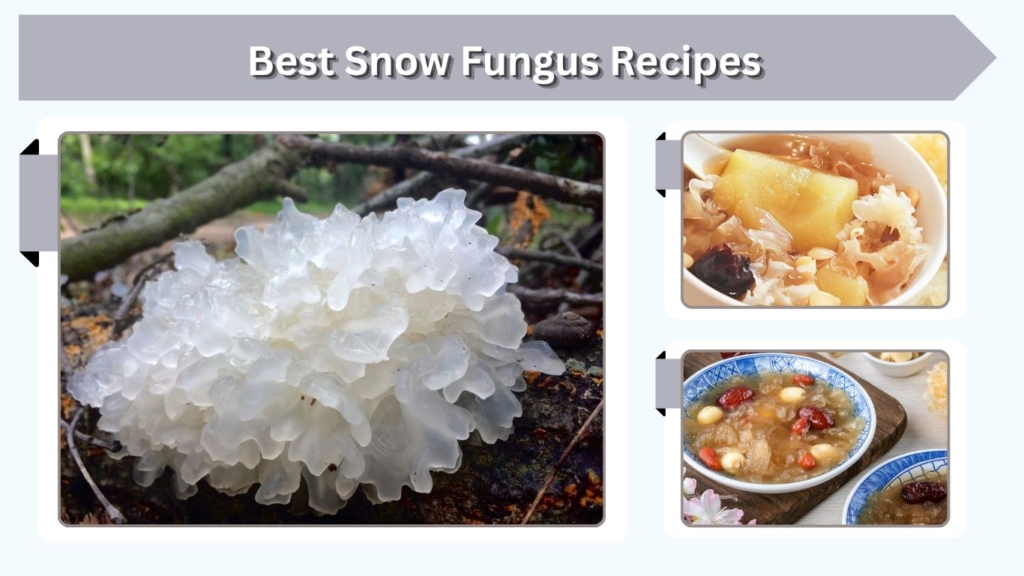
Snow fungus is an incredibly versatile ingredient that can be used in traditional Chinese desserts, soups, teas, and modern wellness recipes. Its ability to absorb flavors makes it an excellent addition to a variety of dishes.
Chinese Snow Fungus Soup
This traditional soup is one of the most popular ways to enjoy snow fungus. It is often prepared with red dates, goji berries, and rock sugar to create a nourishing and lightly sweet dish.
Snow Fungus Dessert Soup
Dessert soups featuring snow fungus are common throughout Asia. The fungus provides a delicate texture while ingredients such as lotus seeds, longan fruit, and pears add sweetness and flavor.
Snow Fungus and Red Date Soup
This comforting recipe combines snow fungus with red dates to create a rich and satisfying dessert. Many people enjoy it as a warm snack or after-meal treat.
Snow Fungus Pear Soup
Pear and snow fungus soup is especially popular during cooler months. The natural sweetness of pears pairs perfectly with the soft texture of cooked snow fungus.
Snow Fungus Tea
Snow fungus can also be used in herbal teas and wellness beverages. It is often simmered with dried fruits and herbs to create a refreshing drink with a subtle sweetness.
Chinese Snow Fungus Soup Benefits
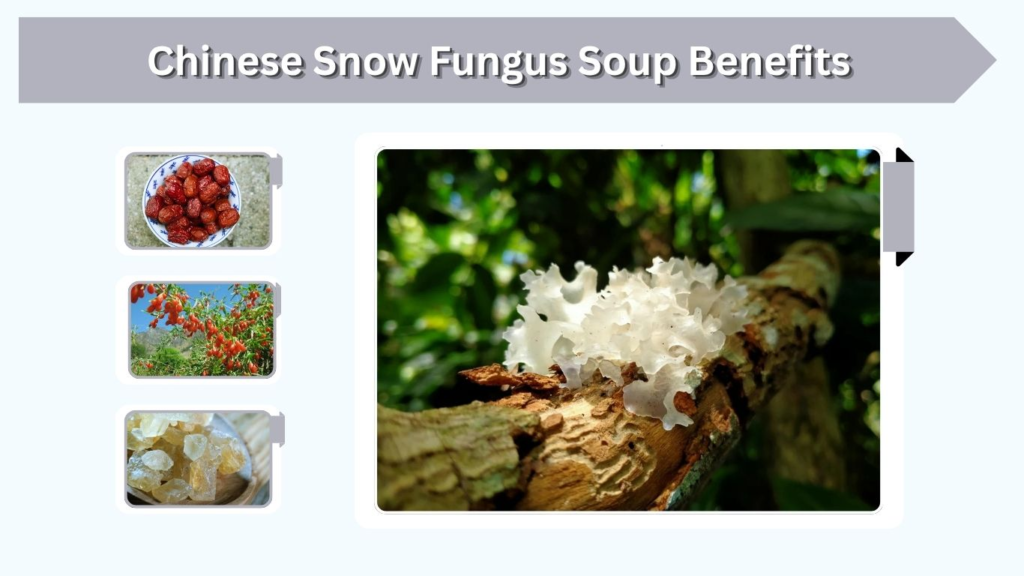
Chinese snow fungus soup has been enjoyed for generations because of its flavor, texture, and nourishing ingredients. While recipes vary, many versions combine snow fungus with fruits, herbs, and natural sweeteners that complement its mild taste.
Traditional Uses
In traditional Chinese cuisine, snow fungus soup is commonly served as a dessert or wellness food. It is appreciated for its soothing texture and ability to blend with a wide range of ingredients.
Popular Ingredients
Many traditional recipes include ingredients such as:
- Red dates
- Goji berries
- Asian pears
- Lotus seeds
- Rock sugar
Why It Remains Popular
The combination of simple preparation, pleasant texture, and nutritional value has helped snow fungus soup remain a favorite dish across generations. Today, it continues to be enjoyed both at home and in restaurants.
Snow Fungus Supplements and Extracts
As interest in functional foods grows, snow fungus has expanded beyond traditional cooking. It is now available in supplement and cosmetic forms that offer alternative ways to incorporate its beneficial compounds into daily routines.
Snow Fungus Powder
Snow fungus powder is produced by drying and processing the fungus into a fine form that can be added to smoothies, beverages, and recipes. It provides a convenient option for people who do not regularly cook with whole fungus.
Snow Fungus Extract
Extracts contain concentrated compounds derived from snow fungus. These products are commonly marketed as dietary supplements and wellness ingredients.
Snow Fungus in Skincare
Snow fungus has gained popularity in skincare because of its moisture-retaining properties. It is increasingly included in serums, creams, masks, and other cosmetic products designed to support skin hydration.
Where to Buy Snow Fungus
Snow fungus is widely available in dried form and can be found through several retail channels. It is often sold in packages that can be stored for extended periods before use.
Places to Buy Snow Fungus
Consumers can commonly find snow fungus at:
- Asian grocery stores
- Health food stores
- Specialty mushroom retailers
- Online marketplaces
- Organic food suppliers
Choosing High-Quality Snow Fungus
Look for snow fungus that appears clean, light in color, and free from excessive discoloration. High-quality dried fungus should have a fresh appearance and expand significantly after soaking.
FAQs
What is snow fungus?
Snow fungus is an edible fungus known scientifically as Tremella fuciformis. It is commonly used in Chinese cuisine and is recognized for its soft, jelly-like texture.
Is snow fungus good for you?
Snow fungus is low in calories and contains fiber, polysaccharides, minerals, and antioxidant compounds that may support overall wellness.
Does snow fungus contain collagen?
Snow fungus does not contain collagen. However, it contains polysaccharides that are often associated with skin hydration and moisture retention.
Can you eat snow fungus every day?
Most healthy individuals can enjoy snow fungus regularly as part of a balanced diet. Moderation is recommended, as with any food.
Can you freeze snow fungus soup?
Yes, snow fungus soup can be frozen in airtight containers. Proper freezing helps preserve the soup for future use while maintaining much of its texture and flavor.