
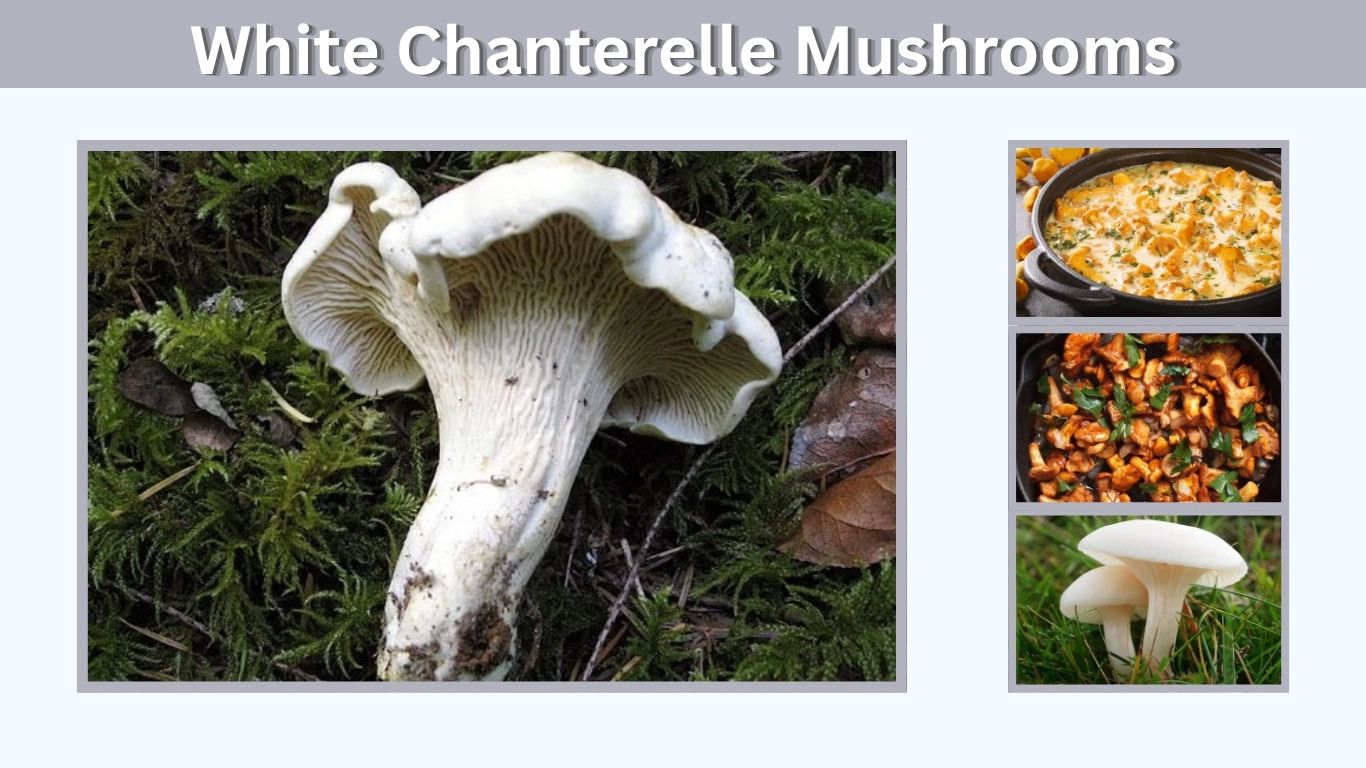
White chanterelle mushrooms are pale, wild edible mushrooms known for their firm texture, delicate flavor, and unusual cream-white color. They are often compared with golden chanterelles, but they need careful identification because several pale mushrooms can look similar. Foragers usually value them for sauces, soups, pasta, and risotto. This guide explains what white chanterelles are, how to identify them, where they grow, and what safety points to remember before cooking or eating them.
What Is a White Chanterelle Mushroom?
White chanterelles are pale members of the chanterelle group, usually appearing white, ivory, cream, or light yellowish. They are not simply faded golden chanterelles. In western North America, the name often refers to the Pacific white chanterelle. These mushrooms are prized by foragers because they are flavorful, attractive, and less common in markets than golden chanterelles.
Scientific Name and Common Names
The best-known white chanterelle is commonly called the Pacific white chanterelle. Its scientific name is often given as Cantharellus subalbidus. Depending on location, people may also call it white chanterelle, white chanterelle mushroom, or white chanterelles.
These names can cause confusion because not every pale chanterelle-like mushroom is the same species. A pale mushroom found in Oregon, British Columbia, or northern California may not be the same as a pale chanterelle-like mushroom found in New England, Florida, the UK, or Costa Rica. Local identification matters.
Are White Chanterelles Real?
Yes, white chanterelles are real. Chanterelles do not always have to be golden orange. Some species can be white, cream, pale yellow, or slightly yellowing with age. This answers common questions such as “can chanterelles be white?” and “are there white chanterelles?”
Are White Chanterelles Albino?
White chanterelles are not usually considered albino mushrooms. Their pale color is a natural feature of the mushroom. Some specimens may develop yellowish tones, especially with age, handling, or weather exposure, but they remain different from typical golden chanterelles.
White Chanterelle Identification
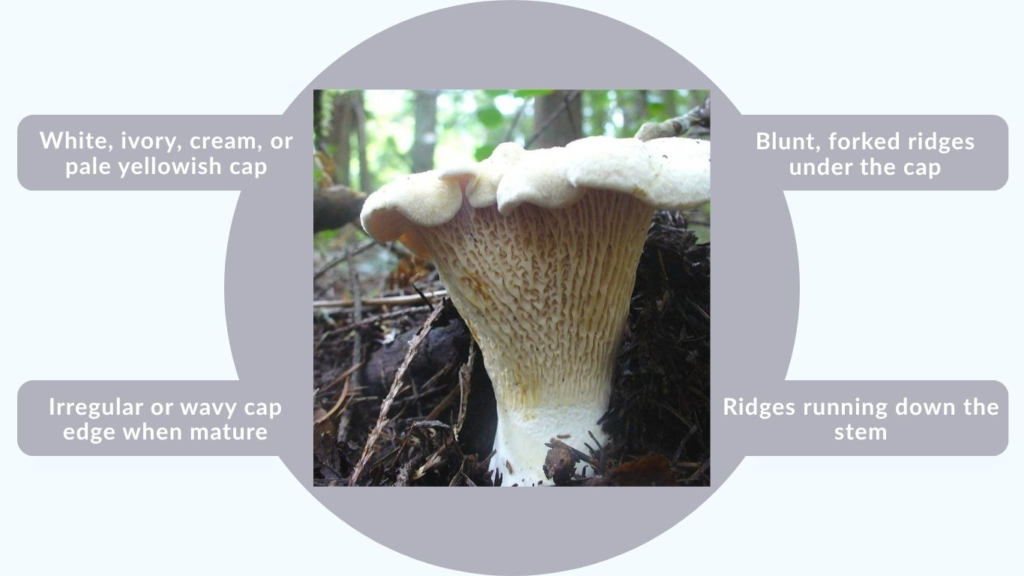
Identifying white chanterelle mushrooms requires more than checking color. The most important features include the underside, cap shape, stem texture, smell, and habitat. Beginners should never rely on one clue alone. A true chanterelle has blunt ridges rather than thin blade-like gills, and this feature is one of the strongest starting points for safe identification.
Key Identification Features
Look for these features when studying a possible white chanterelle:
- White, ivory, cream, or pale yellowish cap
- Irregular or wavy cap edge when mature
- Blunt, forked ridges under the cap
- Ridges running down the stem
- Solid stem rather than hollow stem
- Firm flesh with a dense texture
- Fruity, sweet, or apricot-like smell in many specimens
- Growth from the ground, usually near trees
These features should be used together. A mushroom that is white and grows near trees is not automatically a white chanterelle.
Cap
The cap of a white chanterelle is usually pale and may become uneven as it matures. Young caps can look rounded or slightly domed, while older caps may become wavy, irregular, or vase-shaped. The surface may look smooth or slightly dull rather than shiny.
Underside
The underside is one of the most important parts to inspect. White chanterelles have false gills, which are blunt ridges rather than thin, sharp, separate gills. These ridges often fork and run down the stem. If the underside has thin, blade-like gills, the mushroom should not be treated as a white chanterelle.
Stem and Flesh
The stem is usually solid, pale, and connected smoothly with the cap. The flesh is firm and not fragile like many thin-gilled mushrooms. Some white chanterelles may show slight yellowing or discoloration with age or handling.
White Chanterelle vs Golden Chanterelle
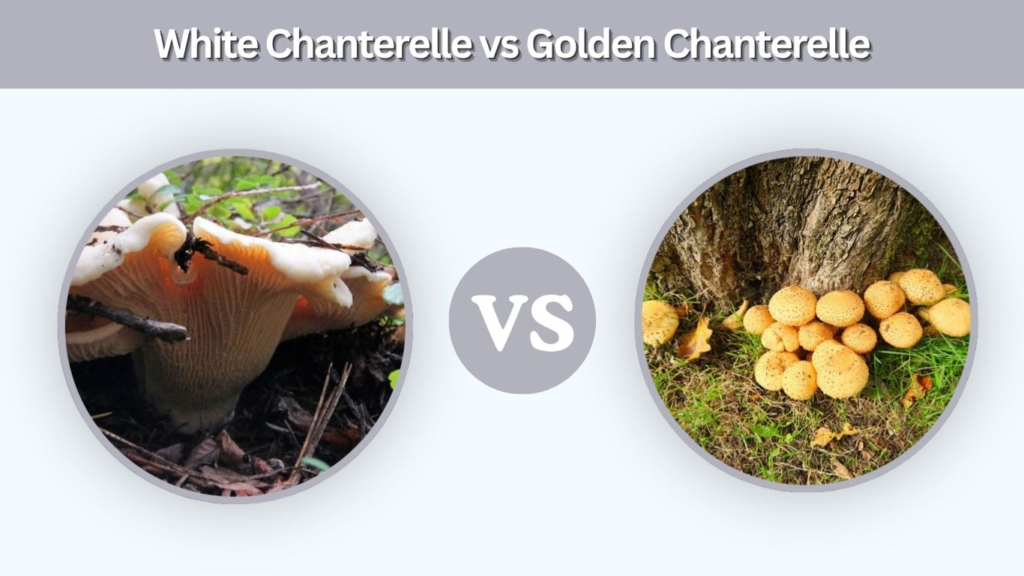
White chanterelles and golden chanterelles are close in culinary use, but they differ in color, appearance, and sometimes habitat. Golden chanterelles are more familiar to many foragers because of their bright orange or yellow color. White chanterelles are paler and can be easier to overlook among leaves, needles, and forest litter.
Main Differences
- White chanterelles are cream-white to pale yellow
- Golden chanterelles are yellow, orange, or golden
- White chanterelles are often associated with western conifer forests
- Golden chanterelles may appear in a wider range of regions
- Both have blunt ridges instead of true gills
- Both are valued for sauces, soups, pasta, and sautéed dishes
Flavor Comparison
White chanterelles are often described as mild, nutty, earthy, and slightly sweet. Golden chanterelles may taste more fruity or peppery depending on the species and growing conditions. In cooking, both work well with butter, cream, herbs, garlic, and white wine.
White Chanterelle Look-Alikes
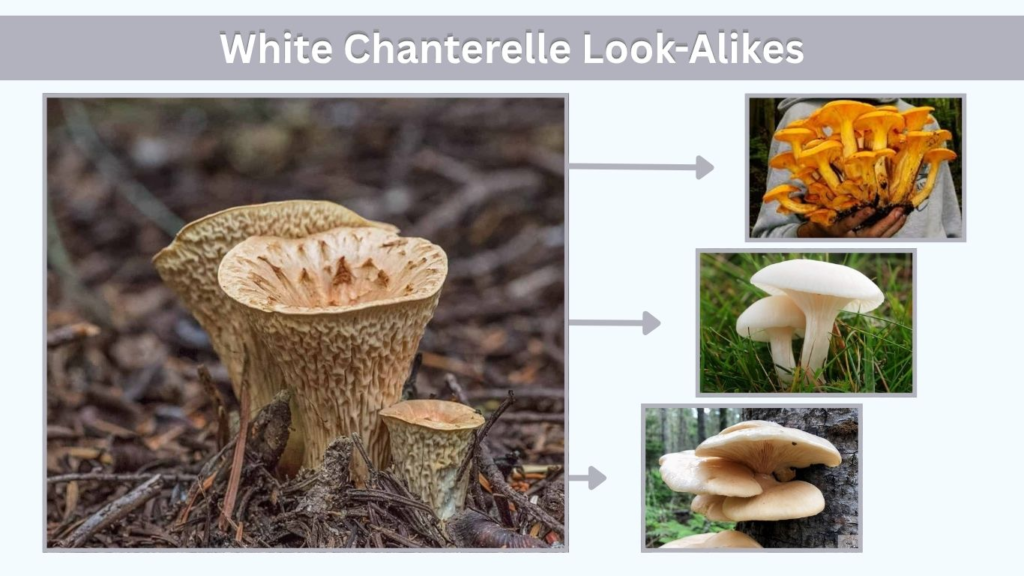
White chanterelle look-alikes are a serious topic because some pale mushrooms can be unsafe. The biggest danger is assuming that a white mushroom with a similar shape is edible. Color alone is never enough. Foragers should carefully inspect the underside, growth habit, texture, and habitat, and uncertain mushrooms should always be checked by a local expert.
Common Look-Alikes to Know
Possible white chanterelle look-alikes include:
- False chanterelles
- Jack-o’-lantern mushrooms
- Pale waxcaps
- Oyster mushrooms
- White Clitocybe-like mushrooms
- Other pale gilled mushrooms
Some of these may have true gills, grow from wood, or have a different texture. Any mushroom with thin, blade-like gills should be treated with caution.
False Chanterelle
False chanterelles can confuse beginners because they may share a similar general shape. However, they usually have thinner, more blade-like gills rather than blunt ridges. Their texture, color pattern, and growth habit may also differ from true chanterelles.
Oyster Mushroom Confusion
Oyster mushrooms are usually white or pale and can be mistaken for chanterelles by beginners. However, oyster mushrooms commonly grow on wood and often have a shelf-like shape. White chanterelles usually grow from the ground and have blunt ridges rather than true gills.
Are White Chanterelles Edible?
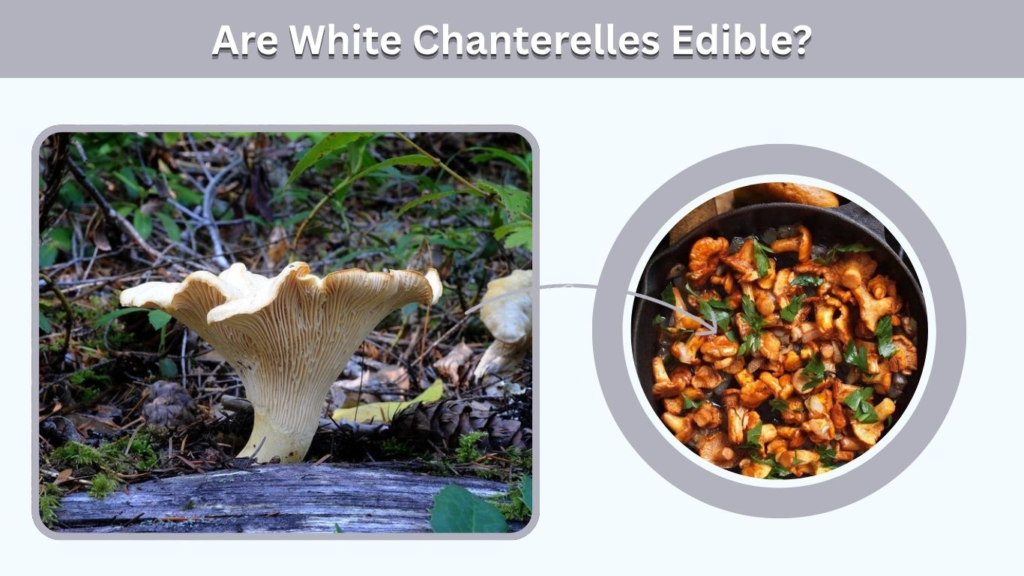
White chanterelles are considered edible when correctly identified. However, wild mushroom safety should always come first. A mistaken identification can be dangerous, especially when pale gilled mushrooms are involved. No one should eat a wild mushroom based only on an online article, photo comparison, or color match.
Safety Rules Before Eating
Follow these safety rules before cooking white chanterelles:
- Confirm the mushroom with a local expert
- Check the underside for blunt ridges
- Avoid mushrooms with true blade-like gills
- Do not eat old, slimy, or damaged specimens
- Cook wild mushrooms before eating
- Try a small amount first if eating a confirmed species
- Never mix unknown mushrooms with edible ones
Are White Chanterelles Psychedelic?
No, white chanterelles are not psychedelic mushrooms. They are culinary wild mushrooms, not hallucinogenic mushrooms. Their value comes from their flavor and texture, not from psychoactive effects.
Can You Eat White Chanterelles Raw?
It is better to cook white chanterelles. Cooking improves their flavor, softens the texture, and makes them easier to digest. Many foragers dry-sauté them first to remove moisture, then add butter, oil, herbs, or wine.
Where Do White Chanterelles Grow?
White chanterelles usually grow in forests where they form natural relationships with tree roots. They are not farmed like common button mushrooms, so they appear only when weather, soil, moisture, and tree partners are right. Their range depends on species, but the best-known white chanterelle is strongly linked with western North American forests.
Pacific Northwest and Oregon
The Pacific Northwest is one of the best-known regions for white chanterelles. Foragers often associate them with Oregon, Washington, British Columbia, and northern California. They may appear in conifer forests, especially where the soil stays moist after seasonal rain.
New England, Vermont, and the Northeast
Searches for white chanterelles in New England, Vermont, and the Northeast are common, but foragers should be careful. A pale chanterelle-like mushroom in this region may be a different species or a look-alike. Local mushroom guides and regional experts are important because species names and habitats vary by location.
Midwest, Minnesota, Florida, UK, and Costa Rica
White chanterelle searches also appear for the Midwest, Minnesota, Florida, the UK, and Costa Rica. These regions may have pale chanterelle-like mushrooms, but they should not automatically be identified as Pacific white chanterelles. Climate, forest type, and local mushroom species can be very different from the Pacific Northwest.
When Do White Chanterelles Grow?
White chanterelles often appear after enough rain has soaked the forest floor. In many western areas, they are associated with late summer, fall, and sometimes early winter. Timing can shift depending on elevation, temperature, rainfall, and local forest conditions. Foragers should watch weather patterns rather than relying only on calendar dates.
Are White Chanterelles a Fall Mushroom?
Yes, white chanterelles are often considered a fall mushroom in many areas. They may appear after autumn rains when the soil is moist and temperatures are mild. In some regions, the season may start earlier or last longer depending on local climate.
Do White Chanterelles Grow in the Same Place?
White chanterelles can return to the same general area when the underground fungal network remains healthy and conditions are suitable. However, they may not fruit every year in the same amount. Rainfall, soil disturbance, forest health, and temperature can affect each season’s crop.
How to Forage Responsibly
Foraging should protect both the mushroom patch and the forest around it. Use these responsible harvesting habits:
- Take only mushrooms you can confidently identify
- Leave very young mushrooms to mature
- Avoid damaging the surrounding soil and moss
- Cut or gently lift mushrooms without disturbing large areas
- Carry mushrooms in a basket or breathable bag
- Keep unknown mushrooms separate from edible ones
- Follow local foraging rules and land permissions
White Chanterelle Price and Buying Tips
White chanterelles can be expensive because they are wild, seasonal, and difficult to gather in large quantities. They are usually harvested by hand and have a short fresh shelf life. Price depends on location, quality, availability, weather, and market demand, so buyers should expect variation from one season to another.
White Chanterelle Price Per Pound
White chanterelle price per pound can vary widely. Fresh chanterelles often sell at premium prices because they cannot be easily cultivated. In farmers markets or specialty shops, the cost may rise when supply is low or when mushrooms are especially clean, fresh, and high quality.
How to Buy Fresh White Chanterelles
Fresh white chanterelles should look firm, clean, and lively rather than wet or broken down. When buying them, check for:
- Firm texture
- Creamy white or pale yellow color
- Fresh, mild, mushroomy smell
- No slimy surface
- No heavy bruising
- Minimal insect damage
- Clean ridges and stems
Avoid mushrooms that smell sour, feel mushy, or look waterlogged.
How to Store White Chanterelles
Store white chanterelles in the refrigerator in a paper bag or breathable container. Avoid sealed plastic bags because trapped moisture can make them spoil faster. It is best to cook them within a few days while their texture and aroma are still fresh.
How to Cook White Chanterelle Mushrooms
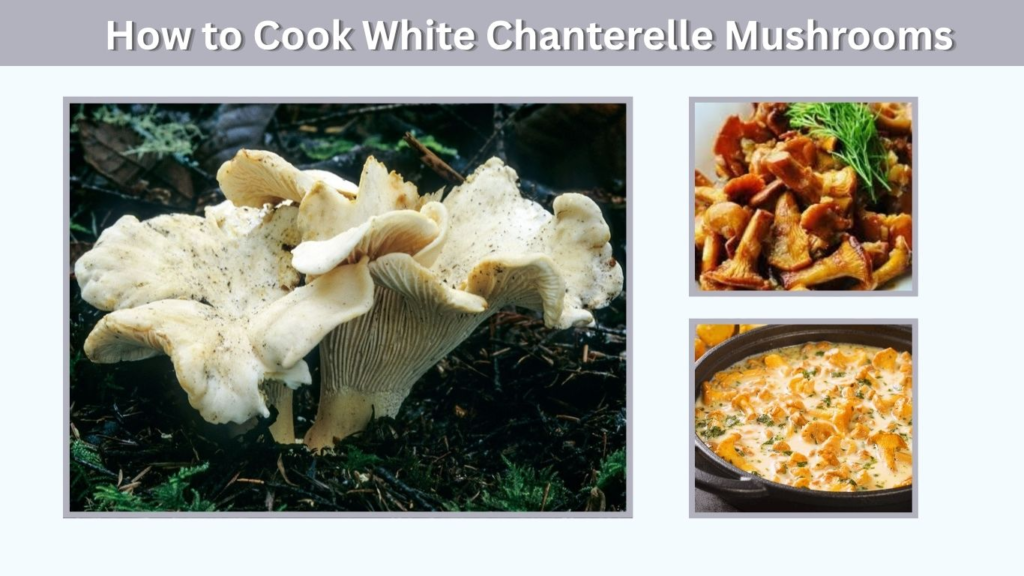
White chanterelles are excellent in simple dishes because their flavor is delicate and easily hidden by heavy seasoning. They pair well with butter, garlic, shallots, cream, white wine, thyme, parsley, pasta, risotto, soup, and pizza. Cooking also removes excess moisture and helps create a richer texture.
Basic Sautéed White Chanterelles
A simple sauté is one of the best ways to enjoy white chanterelles. Clean them gently, slice larger pieces, and place them in a dry pan over medium heat. Let the mushrooms release moisture first. Once the liquid reduces, add butter or oil, then season with salt, pepper, and herbs.
Chanterelle White Wine Cream Sauce
White wine cream sauce is a classic use for chanterelles. Sauté shallots and garlic, add cleaned white chanterelles, then pour in a splash of dry white wine. Let it simmer briefly before adding cream. The sauce works well with pasta, chicken, toast, or roasted vegetables.
White Chanterelle Pasta, Pizza, and Risotto
White chanterelles can make pasta, pizza, and risotto feel rich without needing many ingredients. In pasta, they pair nicely with white wine, cream, garlic, and herbs. On pizza, they work well with a white sauce, mozzarella, ricotta, and thyme. In risotto, they add earthy depth and a soft, savory aroma.
Cleaning and Preserving White Chanterelles
White chanterelles often collect dirt, needles, and bits of forest debris in their ridges. Cleaning should be gentle because too much water can reduce their quality. Preservation is useful when you have more mushrooms than you can cook fresh, but food safety is especially important with wild mushrooms.
How to Clean White Chanterelles
Brush away dirt with a soft brush, cloth, or small knife. Trim dirty stem bases and remove damaged parts. If mushrooms are very dirty, rinse quickly under cool water and dry them right away. Avoid soaking them for a long time because they can absorb water.
Can You Dry White Chanterelles?
White chanterelles can be dried, but some cooks prefer cooking or freezing them because chanterelles may become chewy after drying. If drying, slice them evenly and dry them fully before storage. Keep dried mushrooms in an airtight container in a cool, dark place.
Canning Chanterelles With White Vinegar
Canning wild mushrooms should only be done with tested food safety methods. Do not rely on casual recipes for canning chanterelles with white vinegar. Mushrooms are low-acid foods, and unsafe canning can create serious health risks. Use verified preservation guidance from trusted food safety sources.
White Chanterelle Recipe Ideas
White chanterelles work best in recipes that let their gentle flavor stand out. They can be used in creamy, buttery, wine-based, or savory dishes. Avoid overpowering them with too much spice. Simple recipes are often better because they keep the mushroom’s texture, aroma, and color at the center of the dish.
Easy Recipe Ideas
Try these white chanterelle recipe ideas:
- White chanterelle cream sauce
- Chanterelle white wine pasta
- White chanterelle mushroom soup
- Chanterelle risotto with white wine
- White chanterelle white pizza
- Sautéed white chanterelles on toast
- White beans with chanterelle mushrooms
- Beef Wellington with chanterelle duxelles and prosciutto
Common Mistakes When Identifying White Chanterelles
Many mistakes happen when beginners focus only on color or general shape. White chanterelles should be identified by several features together, including their ridges, stem, texture, habitat, and growth pattern. A mushroom that looks close in one photo may still be a different species in the field.
Mistakes to Avoid
Avoid these common identification mistakes:
- Calling every pale forest mushroom a chanterelle
- Ignoring the difference between true gills and false gills
- Eating mushrooms based only on online photos
- Mixing unknown mushrooms with confirmed edible ones
- Forgetting to check habitat
- Harvesting old or rotting mushrooms
- Assuming all white chanterelles are the same species
FAQs
Are white chanterelles edible?
Yes, white chanterelles are considered edible when correctly identified. However, wild mushroom identification can be risky. Beginners should confirm the mushroom with a local expert, mushroom club, or experienced forager before eating it.
Can chanterelles be white?
Yes, chanterelles can be white, cream, or pale yellow. The Pacific white chanterelle is one of the best-known examples. However, not every white mushroom that looks similar is a chanterelle.
What is the main white chanterelle look-alike?
There is no single look-alike. False chanterelles, oyster mushrooms, waxcaps, jack-o’-lanterns, and some white gilled mushrooms may confuse beginners. The underside is especially important because true chanterelles have blunt ridges, not thin true gills.
Are white chanterelles psychedelic?
No, white chanterelles are not psychedelic. They are culinary wild mushrooms when properly identified. Their value comes from their flavor, texture, and rarity, not from psychoactive effects.
How do you cook white chanterelles?
White chanterelles are best cooked simply. Dry-sauté them first to release moisture, then add butter, oil, herbs, garlic, or white wine. They work well in pasta, risotto, soup, pizza, and cream sauce.