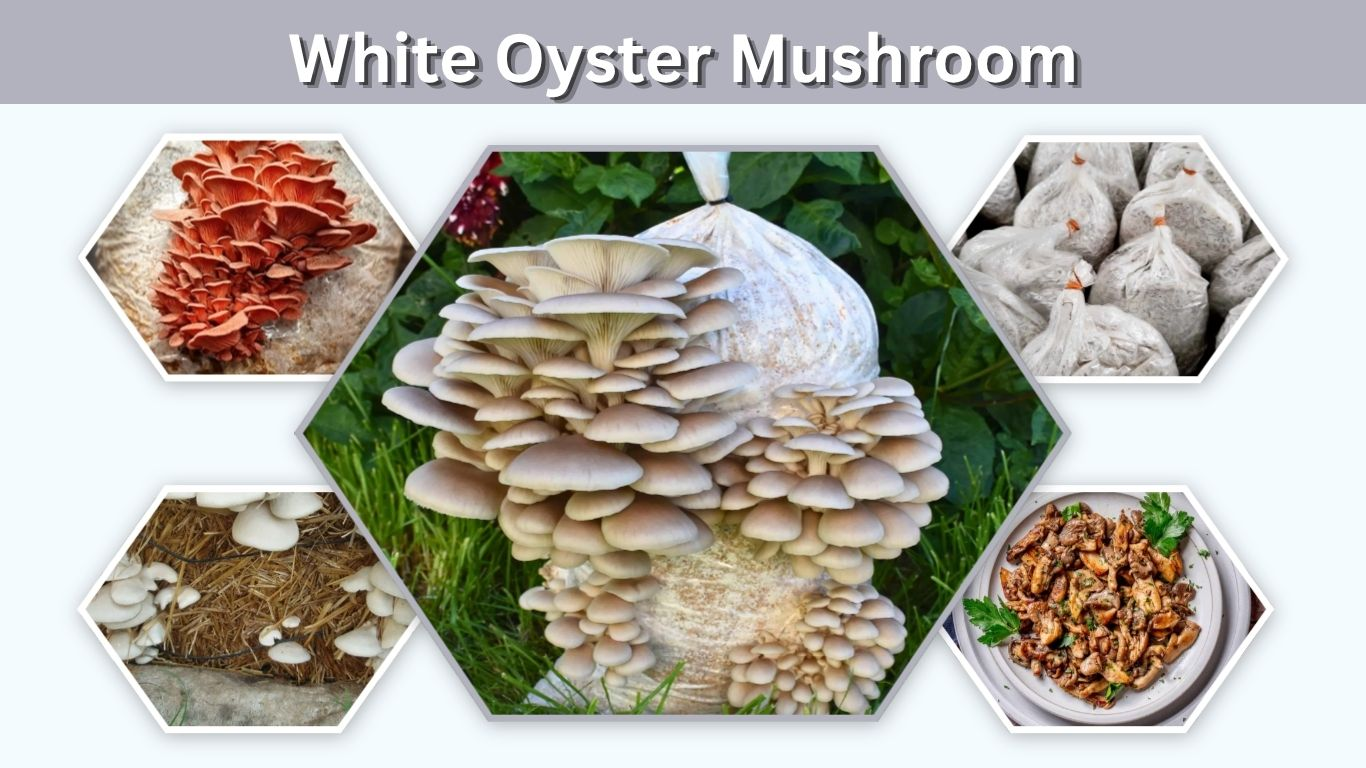
White oyster mushrooms are among the most popular edible mushrooms grown and consumed worldwide. Known for their delicate texture, mild flavor, and impressive nutritional value, these mushrooms are widely used in home kitchens and commercial farming. They are also one of the easiest mushroom varieties to cultivate, making them a favorite among beginners. Whether you want to learn about their health benefits, identification, cultivation methods, or the common issue of white fuzz, understanding white oyster mushrooms can help you grow and enjoy them with confidence.
What Is a White Oyster Mushroom?
White oyster mushrooms are a cultivated and wild-growing variety of oyster mushrooms belonging to the genus Pleurotus. They are valued for their attractive appearance, fast growth, and versatility in cooking. These mushrooms commonly grow in clusters on hardwood logs, tree stumps, and organic substrates. Their fan-shaped caps and white color make them easy to recognize compared to many other edible mushroom species.
White Oyster Mushroom Scientific Name
The scientific name most commonly associated with white oyster mushrooms is Pleurotus ostreatus. This species belongs to the Pleurotaceae family and is one of the most widely cultivated mushrooms in the world.
The name “oyster mushroom” comes from the shell-like shape of the cap, which resembles an oyster. Several cultivated strains exist, including white, pearl, blue, and pink oyster mushrooms.
White Oyster Mushroom Identification
White oyster mushrooms have several distinctive characteristics that help with identification.
Key features include:
- White to cream-colored caps
- Fan-shaped or oyster-shaped appearance
- Smooth cap surface
- White gills running down the stem
- Clustered growth pattern
- Mild mushroom aroma
These mushrooms usually grow on dead or decaying hardwood rather than directly from soil.
Are White Oyster Mushrooms Edible?
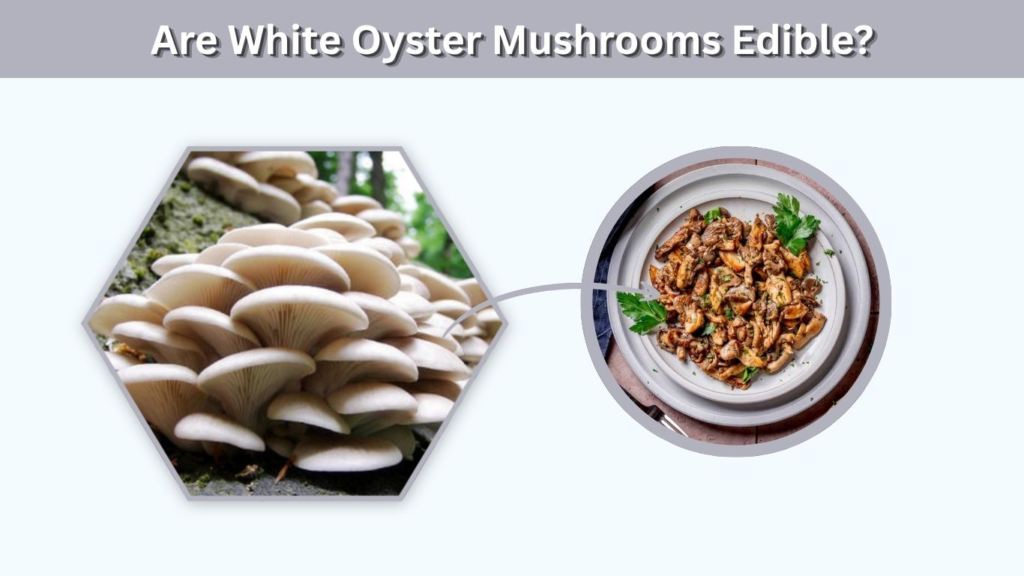
White oyster mushrooms are highly regarded as edible mushrooms and are consumed in many cuisines worldwide. Their tender texture and mild, slightly sweet flavor make them suitable for various recipes. They are commonly sold fresh, dried, and as cultivation kits. Because they are easy to prepare and nutritious, they have become a staple ingredient in both home and professional kitchens.
Is White Oyster Mushroom Edible?
Yes, white oyster mushrooms are edible and considered one of the safest cultivated mushroom varieties. They are commonly used in stir-fries, soups, pasta dishes, and vegetarian recipes.
Unlike some wild mushrooms that require expert identification, commercially grown white oyster mushrooms are cultivated specifically for food production. However, wild specimens should always be carefully identified before consumption.
White Oyster Mushroom Taste
White oyster mushrooms have a mild and pleasant flavor that appeals to a wide range of people. Their texture becomes tender yet slightly meaty when cooked.
Many people describe the taste as:
- Mild and savory
- Slightly sweet
- Delicate and earthy
- Similar to seafood notes
- Rich in umami flavor
Their ability to absorb seasonings makes them popular in numerous culinary applications.
White Oyster Mushroom Benefits
White oyster mushrooms are more than just a flavorful ingredient. They provide a variety of nutrients that support overall health and wellness. Their low-calorie profile, combined with vitamins, minerals, and antioxidants, makes them a valuable addition to a balanced diet. Regular consumption may contribute to healthy eating habits while providing important nutritional benefits.
Health Benefits of White Oyster Mushrooms
These mushrooms contain several compounds that may support health and well-being.
Potential benefits include:
- Low in calories
- Good source of dietary fiber
- Rich in antioxidants
- Contains B vitamins
- Supports immune function
- Provides essential minerals
- Suitable for plant-based diets
Because they are naturally low in fat, they are often included in healthy meal plans.
Benefits of Eating White Oyster Mushrooms Regularly
Adding white oyster mushrooms to meals may help diversify nutrient intake. Their fiber content can support digestive health, while their nutrient density makes them a valuable ingredient for individuals seeking healthier food options.
Many nutrition-conscious consumers appreciate oyster mushrooms because they offer flavor and texture without significantly increasing calorie intake.
How to Identify White Oyster Mushrooms in the Wild
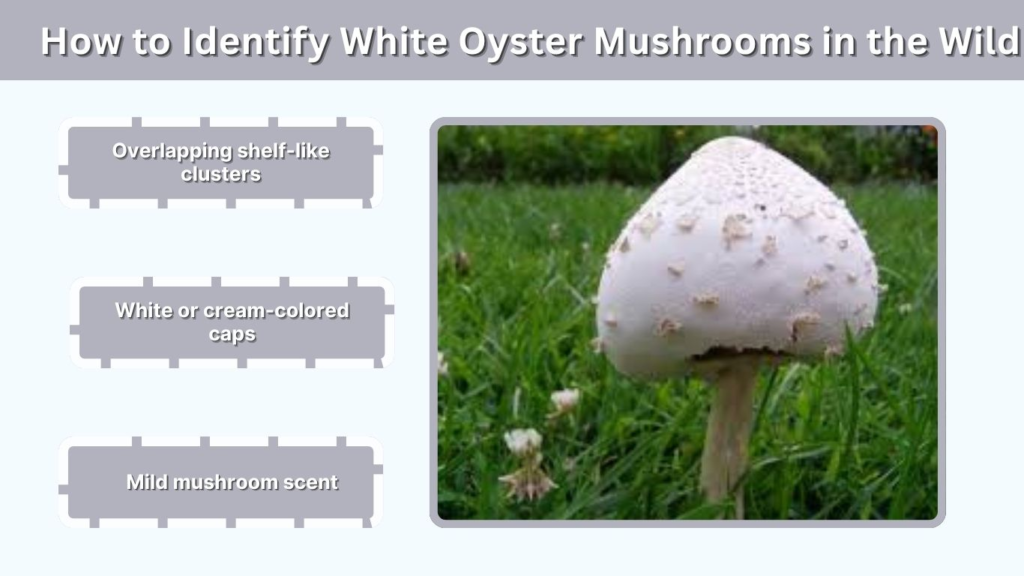
Identifying wild white oyster mushrooms requires careful observation of their growth habits and physical characteristics. Although they are relatively distinctive, some look-alike species exist. Learning the key identification features can help reduce confusion and improve safety when foraging. New foragers should always verify identification using multiple characteristics rather than relying on a single feature.
Key Identification Features
Several characteristics can help distinguish white oyster mushrooms from other fungi.
Look for:
- Growth on hardwood trees
- Overlapping shelf-like clusters
- White or cream-colored caps
- Decurrent gills extending down the stem
- Soft, fleshy texture
- Mild mushroom scent
These traits make oyster mushrooms easier to identify than many other wild species.
White Oyster Mushroom Look-Alikes
Some mushrooms may resemble white oyster mushrooms at first glance. Certain shelf fungi and white woodland mushrooms can create confusion for inexperienced foragers.
Careful examination of cap shape, gill structure, growth substrate, and odor can help differentiate true oyster mushrooms from look-alike species. When uncertainty exists, mushrooms should not be consumed until identification has been confirmed by an expert.
White Fuzz on Oyster Mushrooms: Mold or Mycelium?
White fuzz is one of the most common concerns among oyster mushroom growers. Fortunately, in many cases, the fuzzy growth is not mold but healthy mushroom mycelium. Understanding the difference can help growers avoid unnecessary worry and maintain proper growing conditions. Environmental factors such as humidity, airflow, and temperature often influence the appearance of white fuzz on mushroom stems and caps.
What Is the White Stuff on Oyster Mushrooms?
White fuzz usually forms when oyster mushrooms need more fresh air during the fruiting stage. The mushroom responds by producing additional mycelial growth around the stem and base.
Common causes include:
- High humidity levels
- Limited fresh air exchange
- Crowded growing conditions
- Warm growing environments
- Active mycelial growth
In most cases, this white fuzz is harmless and does not affect edibility.
White Fuzz vs White Mold
White fuzz and mold can appear similar, but they are not always the same thing. Healthy mycelium generally remains attached to the mushroom and has a soft, uniform appearance.
Mold contamination may show signs such as unusual odors, discoloration, powdery textures, or rapid spreading across the growing substrate. If contamination is suspected, affected mushrooms should be isolated and monitored carefully.
How to Grow White Oyster Mushrooms
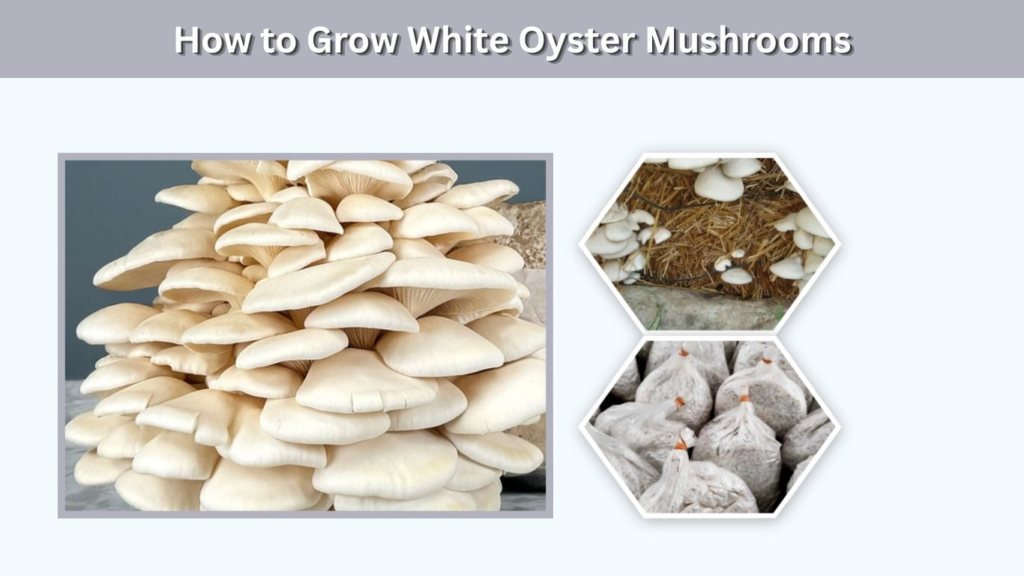
White oyster mushrooms are among the easiest mushroom varieties to cultivate. Their fast growth rate and adaptability make them ideal for beginners. They can be grown on straw, hardwood sawdust, coffee grounds, or other organic materials. Maintaining proper humidity, temperature, and airflow is essential for successful cultivation and healthy mushroom production.
White Oyster Mushroom Spawn
Spawn serves as the seed source for mushroom cultivation. It contains living mycelium that colonizes the growing medium and eventually produces mushrooms.
Popular spawn options include:
- Grain spawn
- Sawdust spawn
- Plug spawn
- Liquid culture spawn
Grain spawn is commonly used because it colonizes substrates quickly and provides reliable results.
How to Grow White Oyster Mushrooms at Home
Growing white oyster mushrooms can be a rewarding project for home gardeners and hobby growers.
Basic growing steps include:
- Prepare a clean substrate.
- Mix in mushroom spawn.
- Place the substrate in a growing container.
- Allow colonization in a dark area.
- Introduce light and fresh air.
- Maintain humidity levels.
- Harvest mature mushrooms.
Under proper conditions, mushrooms may begin fruiting within a few weeks.
When to Harvest White Oyster Mushrooms
Harvest timing greatly influences flavor, texture, and shelf life. White oyster mushrooms should be picked when the caps are fully formed but before they begin releasing spores. Waiting too long can reduce quality and shorten storage life. Monitoring mushroom development daily helps ensure harvest occurs at the ideal stage.
Signs White Oyster Mushrooms Are Ready
Several visual indicators suggest that mushrooms are ready for harvest.
Look for:
- Fully developed caps
- Slightly curled cap edges
- Firm texture
- Bright white color
- Dense mushroom clusters
Harvesting at this stage provides the best balance of flavor and texture.
Harvesting Mistakes to Avoid
Many growers accidentally reduce quality by harvesting too early or too late. Mushrooms picked before maturity may have lower yields, while overmature mushrooms can become fragile and release excessive spores.
Careful observation is the best way to maximize both yield and quality.
How to Clean and Cook White Oyster Mushrooms
White oyster mushrooms require minimal preparation before cooking. Their delicate structure means they should be handled gently and cleaned without excessive moisture. Proper preparation helps preserve texture and allows their mild flavor to shine in a variety of dishes.
How to Clean White Oyster Mushrooms
Cleaning oyster mushrooms is simple and usually requires very little effort.
Recommended cleaning methods include:
- Trimming tough stem ends
- Brushing away debris
- Wiping with a damp cloth
- Separating large clusters
- Avoiding prolonged soaking
Too much water can make the mushrooms soggy and reduce cooking quality.
How to Cook White Oyster Mushrooms
White oyster mushrooms adapt well to many cooking methods. Their tender texture and ability to absorb seasonings make them a versatile ingredient.
Popular cooking methods include:
- Sautéing
- Roasting
- Grilling
- Stir-frying
- Adding to soups
- Using in pasta dishes
Garlic, herbs, butter, and olive oil pair especially well with their mild flavor.
White Oyster Mushroom vs Other Oyster Mushrooms
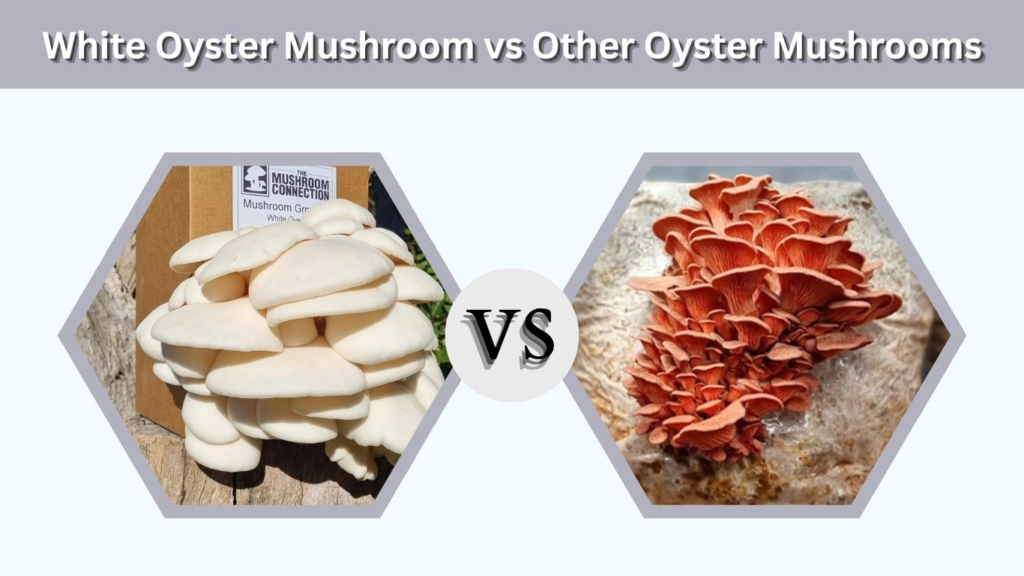
Several oyster mushroom varieties are available to growers and consumers. While they share many characteristics, each variety offers unique colors, growth requirements, and flavor profiles. Comparing different oyster mushroom types helps growers choose the best option for their climate and culinary preferences.
Pink vs White Oyster Mushroom
Pink oyster mushrooms are known for their vibrant color and rapid growth. White oyster mushrooms offer a milder flavor and generally have a longer shelf life.
Pink varieties prefer warmer temperatures, while white oysters can tolerate a broader range of growing conditions.
Grey vs White Oyster Mushroom
Grey oyster mushrooms are often slightly richer in flavor and may produce larger harvests under suitable conditions. White oyster mushrooms remain popular because of their attractive appearance, versatility, and strong market demand.
FAQs
Are white oyster mushrooms edible?
Yes, white oyster mushrooms are fully edible and widely cultivated for food. They are valued for their mild flavor, tender texture, and nutritional benefits.
What causes white fuzz on oyster mushrooms?
White fuzz is usually healthy mycelium caused by high humidity and insufficient fresh air exchange during growth.
Is white fuzz on oyster mushrooms mold?
Not always. Most white fuzz on oyster mushrooms is harmless mycelium, but unusual smells, discoloration, or powdery growth may indicate mold contamination.
When should white oyster mushrooms be harvested?
They should be harvested when the caps are fully developed and slightly curled at the edges but before they begin releasing spores.
What are the health benefits of white oyster mushrooms?
White oyster mushrooms provide fiber, antioxidants, vitamins, minerals, and are low in calories, making them a healthy addition to many diets.