
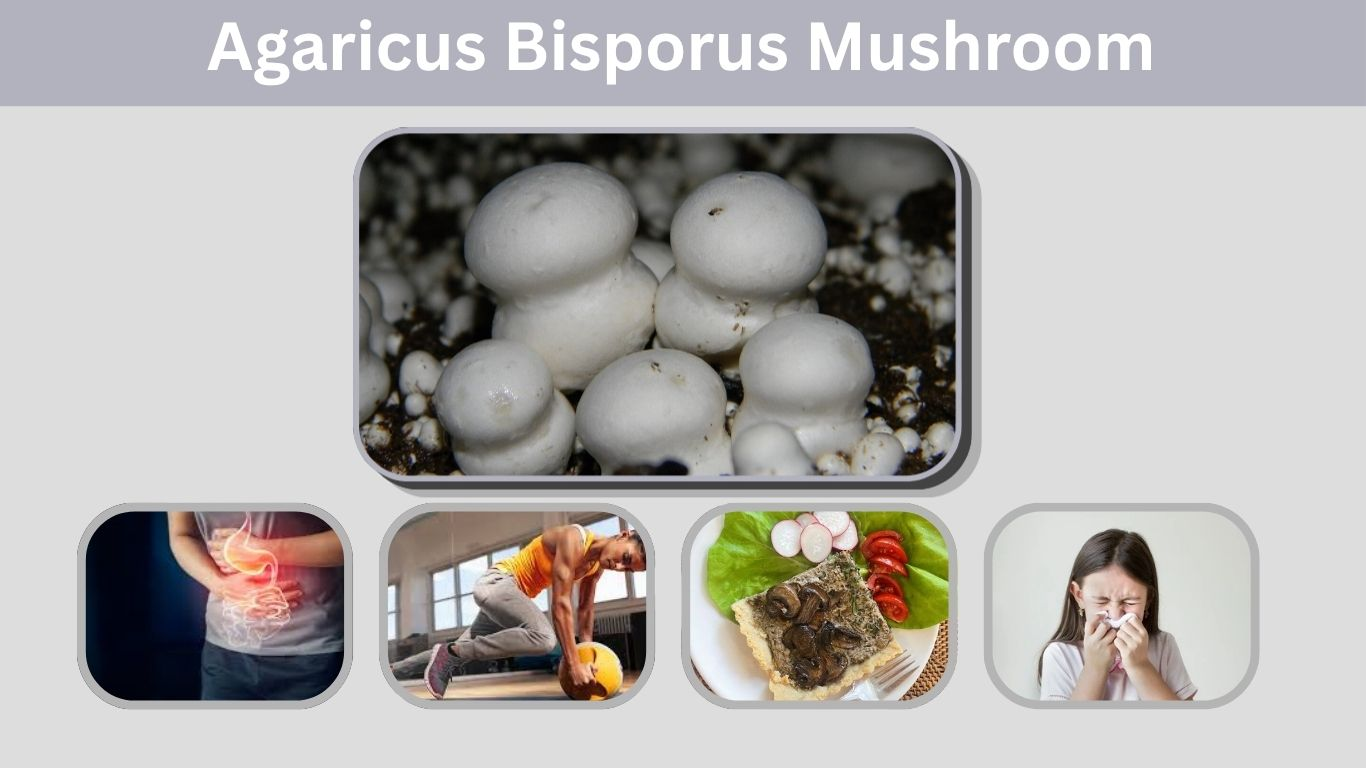
Agaricus bisporus, commonly known as the white button mushroom, is one of the most widely cultivated and consumed mushrooms in the world. From small white buttons to brown cremini and large portobello varieties, it provides culinary versatility, nutritional benefits, and potential medicinal properties. This mushroom is a staple in both kitchens and dietary supplements, valued for its flavor, protein content, and bioactive compounds.
This guide explores Agaricus bisporus in detail, including its identification, varieties, nutritional profile, culinary uses, cultivation methods, and health benefits.
Overview of Agaricus Bisporus
Agaricus bisporus is a basidiomycete fungus belonging to the Agaricaceae family. It grows naturally on nutrient-rich substrates like decaying plant matter and is cultivated worldwide for commercial and personal use. Its distinctive features, life cycle, and ability to provide essential nutrients make it both ecologically and economically important. Understanding its biology helps chefs, health enthusiasts, and growers optimize its use.
Identification and Characteristics
- Cap Appearance: Smooth, round, ranging from white to brown; firm texture.
- Gills and Stem: Central stem with pink to brown gills that darken with age.
- Microscopic Features: Basidiospores, hyphal structure, and mycelium network.
- Scientific Classification: Kingdom Fungi, Phylum Basidiomycota, Class Agaricomycetes, Order Agaricales.
Agaricus Bisporus Varieties and Common Names
Agaricus bisporus exists in several varieties, each with unique culinary and aesthetic properties. Knowing these varieties helps in recipes and cultivation decisions.
Popular Varieties
- White Button Mushroom: Mild flavor, commonly used in salads and sauces.
- Cremini (Brown Mushroom): Earthier taste, slightly firmer texture.
- Portobello: Large, mature form, meaty texture ideal for grilling or stuffing.
Other Names
- Champignon mushroom
- Agaricus campestris (closely related species)
- Regional names such as champiñon
Agaricus Bisporus Edibility and Culinary Uses
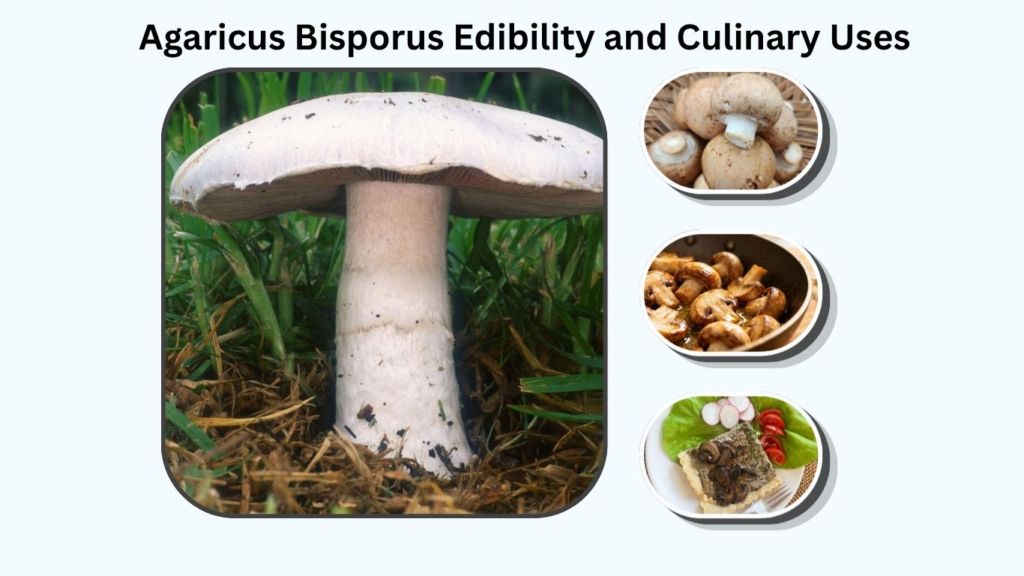
Agaricus bisporus is prized for its versatility in cooking. Its mild flavor complements a wide range of dishes, and its ability to absorb other flavors makes it a kitchen staple.
Culinary Applications
- Raw Uses: Sliced in salads or sandwiches.
- Cooked Uses: Sautéed, grilled, baked, or added to soups, risottos, and sauces.
- Popular Recipes: Creamy mushroom soup, stuffed portobello mushrooms, mushroom risotto.
Taste and Texture
- White buttons: soft, mild, subtle flavor.
- Cremini: slightly deeper, earthy flavor with firmer flesh.
- Portobello: meaty and dense, excellent for vegetarian dishes.
Agaricus Bisporus Nutritional Value and Health Benefits

Agaricus bisporus is low in calories and rich in nutrients. It provides protein, vitamins, minerals, and bioactive compounds that may offer medicinal benefits.
Nutritional Highlights
- Calories: Low, ideal for weight management.
- Protein: Moderate content supporting muscle and tissue health.
- Vitamins and Minerals: Rich in vitamin D, B vitamins, potassium, and selenium.
Medicinal Properties
- Immune Support: Polysaccharides may enhance immune function.
- Antioxidants: Protects cells from oxidative stress.
- Aromatase Inhibitor Potential: Studied for hormone-related health benefits.
Agaricus Bisporus Cultivation and Growing Conditions
Agaricus bisporus is cultivated on nutrient-rich compost under controlled conditions to maximize yield. Its cultivation is accessible to both commercial growers and hobbyists using kits or home methods.
Growing Substrate
- Composted organic matter, such as straw and manure.
- Sterilized or pasteurized to prevent contamination.
Environmental Conditions
- Temperature: Spawn colonization at ~24°C; fruiting 16–18°C.
- Humidity: 85–90% for optimal growth.
- Light: Low to moderate, not strictly required.
Agaricus Bisporus Life Cycle and Reproduction
Agaricus bisporus reproduces through spores and has a distinct life cycle that is important for cultivation and biological understanding. From germination to fruiting, each stage is crucial for healthy mushroom growth.
Stages of Life Cycle
- Spore Germination: Spores germinate in nutrient-rich substrate to form mycelium.
- Vegetative Growth: Mycelium spreads, colonizing the substrate fully.
- Pinhead Formation: Small mushroom primordia appear, signaling the start of fruiting.
- Fruiting Body Development: Mushrooms mature, ready for harvest.
Reproduction
- Sexual reproduction through basidiospores ensures genetic diversity.
- Mycelium fusion allows exchange of genetic material between compatible strains.
Wild vs Cultivated Mushrooms
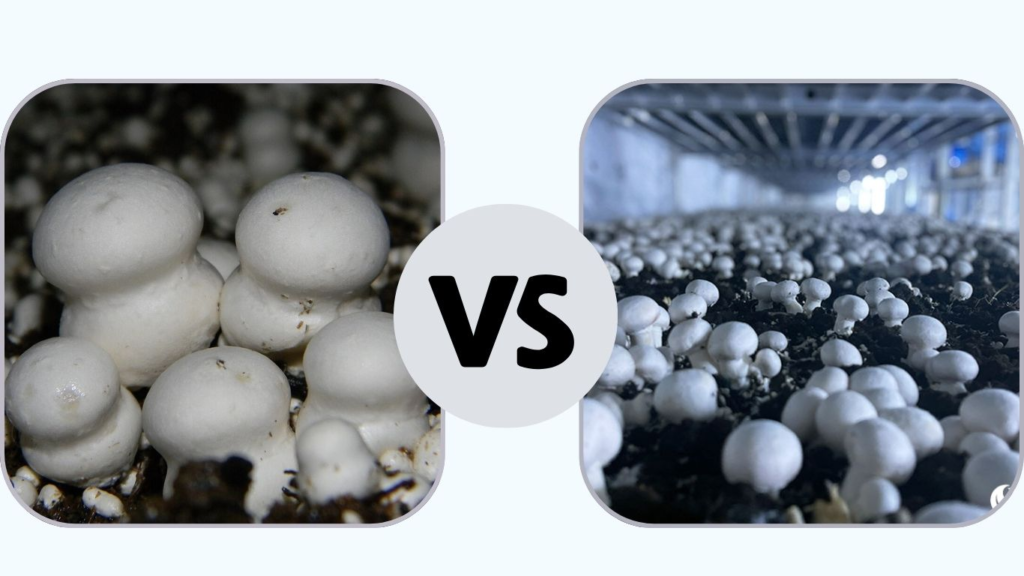
Agaricus bisporus grows both in the wild and through cultivation. Each form offers different characteristics in taste, appearance, and availability.
Wild Mushrooms
- Grow in meadows or forest edges.
- Slightly stronger, earthy flavor compared to cultivated mushrooms.
- Less predictable yield and seasonal availability.
Cultivated Mushrooms
- Consistent size, color, and texture.
- Controlled growing conditions ensure year-round supply.
- Commonly available in markets as white button, cremini, or portobello.
Agaricus Bisporus Safety and Side Effects
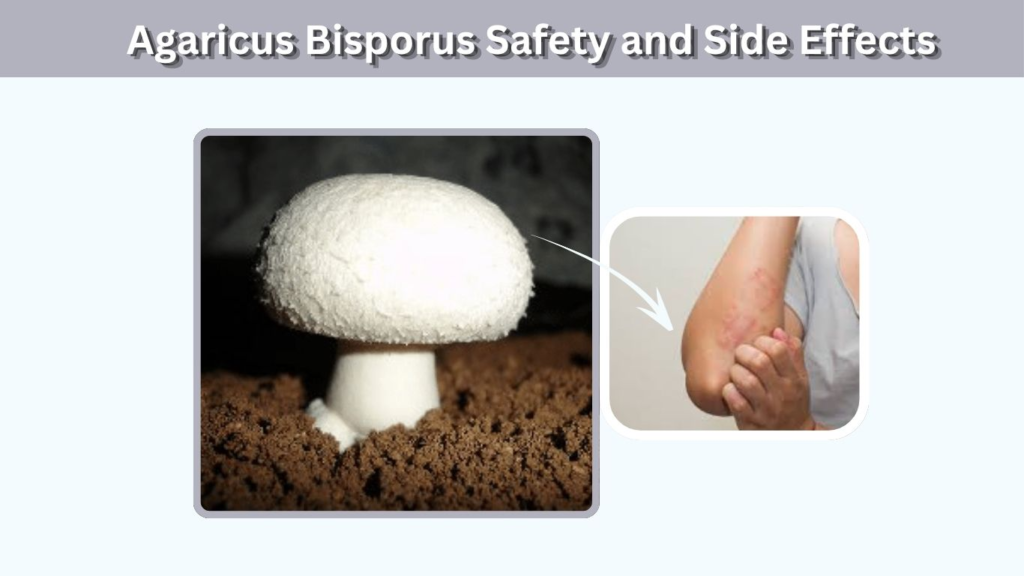
Agaricus bisporus is generally considered safe for consumption, but certain precautions should be noted.
Safety Considerations
- Poisonous Risks: Edible forms are safe; avoid wild look-alikes.
- Raw Consumption: Rare digestive discomfort may occur; cooking is recommended.
- Supplements: Follow recommended dosages to avoid gastrointestinal upset.
- Allergies: Rare allergic reactions may occur in sensitive individuals.
Scientific Research and Miscellaneous Facts
Recent studies highlight the medicinal and nutritional potential of Agaricus bisporus. Research focuses on bioactive compounds and health applications.
Key Research Areas
- Genome Studies: Understanding growth, gene regulation, and bioactive compounds.
- Bioactive Extracts: Polysaccharides and phenolics for immune support.
- Medicinal Effects: Aromatase inhibition, antioxidant activity, and potential anti-cancer properties.
Interesting Facts
- Known as “champignon” in many regions.
- Exposure to sunlight increases vitamin D content.
- Widely used in functional foods, extracts, and supplements.
Conclusion
Agaricus bisporus is one of the most versatile and widely appreciated mushrooms globally. Its varieties—from white button to portobello—serve both culinary and health purposes. Nutritionally rich and low in calories, it provides protein, vitamins, and bioactive compounds. Understanding its taxonomy, life cycle, cultivation, and health benefits allows for safe consumption and effective use in cooking, supplements, and medicinal applications.
FAQs
What is Agaricus bisporus?
Agaricus bisporus is a widely cultivated mushroom species that includes white button, cremini, and portobello mushrooms. It is valued for its culinary versatility, nutritional benefits, and medicinal properties.
Is Agaricus bisporus edible?
Yes, it is edible and safe for most people. It can be consumed raw or cooked, though cooking may improve digestibility and flavor. Avoid wild look-alikes for safety.
What are the main health benefits?
It provides immune support, antioxidants, protein, B vitamins, potassium, and vitamin D (especially when exposed to sunlight). Extracts may also offer aromatase-inhibiting properties.
How do I grow Agaricus bisporus at home?
It can be cultivated on nutrient-rich compost under controlled conditions with proper temperature, humidity, and hygiene. Grow kits are available for home cultivation.
Can Agaricus bisporus be eaten raw?
Yes, it can be eaten raw in salads or sandwiches. However, some people may experience mild digestive discomfort, so cooking is generally recommended.