
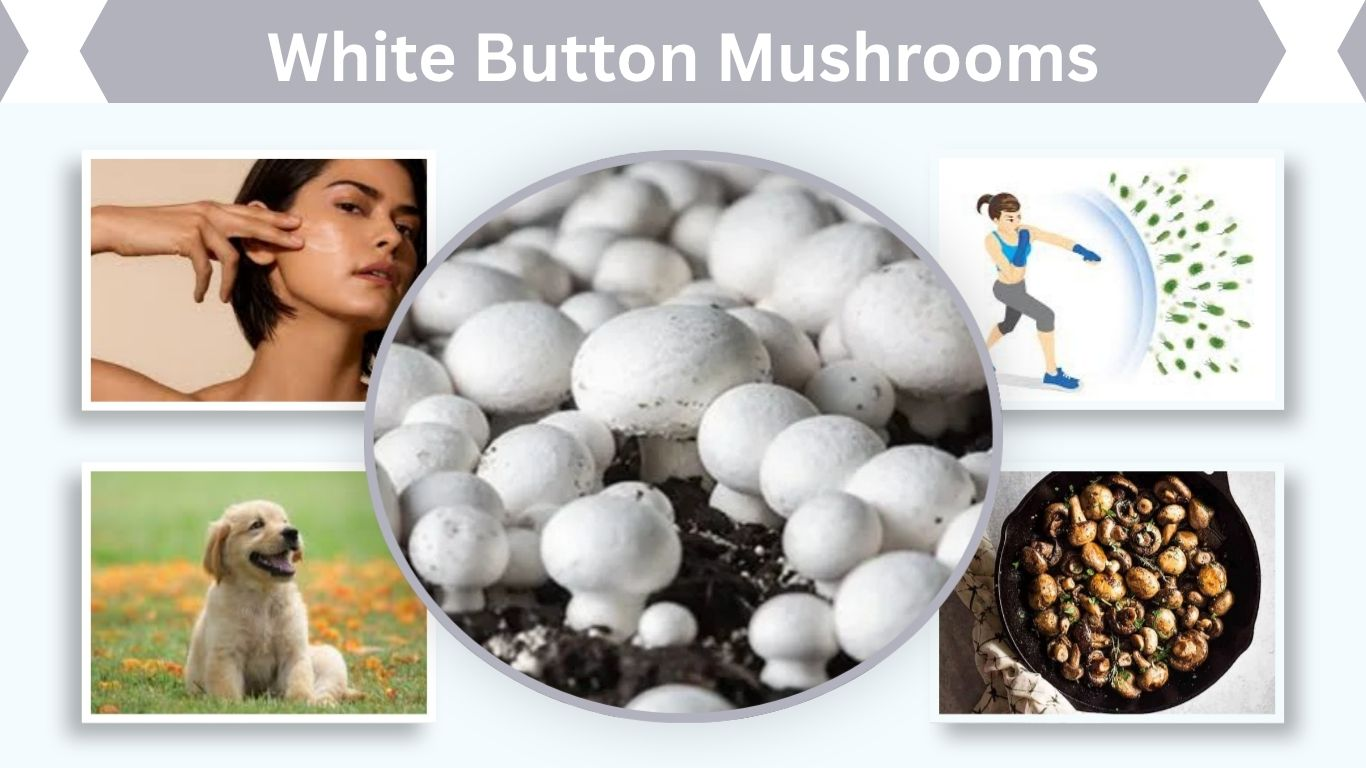
White button mushrooms are one of the most commonly consumed mushrooms worldwide, valued for their mild flavor, nutritional profile, and versatility in cooking. They are low in calories but rich in protein, vitamins, and minerals, making them a staple in both home kitchens and professional recipes. In addition to culinary uses, white button mushrooms have potential health benefits, including antioxidant activity, immune support, and compounds that may influence hormone balance.
This guide explores their identification, nutritional content, culinary uses, cultivation, and potential health benefits.
Overview of White Button Mushrooms
White button mushrooms (Agaricus bisporus) are small, round mushrooms with smooth white caps and firm stems. They are widely cultivated and available in grocery stores, though wild varieties exist. Their popularity comes from their mild taste, adaptability in recipes, and nutritional value, including protein, B vitamins, potassium, and antioxidants. They also serve as the base for cremini and portobello mushrooms.
Identification and Characteristics
- Cap: Smooth, white, round, 2–5 cm in diameter.
- Gills: Pink to brown, darken with age.
- Stem: Central, firm, fully edible.
- Scientific Classification: Kingdom Fungi, Phylum Basidiomycota, Class Agaricomycetes.
White Button Mushrooms Varieties and Related Mushrooms
White button mushrooms are part of the Agaricus bisporus species, which also includes cremini and portobello mushrooms. Recognizing these varieties helps in both culinary applications and cultivation.
Common Varieties
- White Button: Mild flavor, soft texture, ideal for salads and sauces.
- Cremini: Earthier taste, firmer flesh, light brown in color.
- Portobello: Fully mature, meaty texture, excellent for grilling or stuffing.
Other Names
- Champignon mushroom
- Button mushroom
- Agaricus bisporus (scientific name)
White Button Mushrooms Nutritional Value
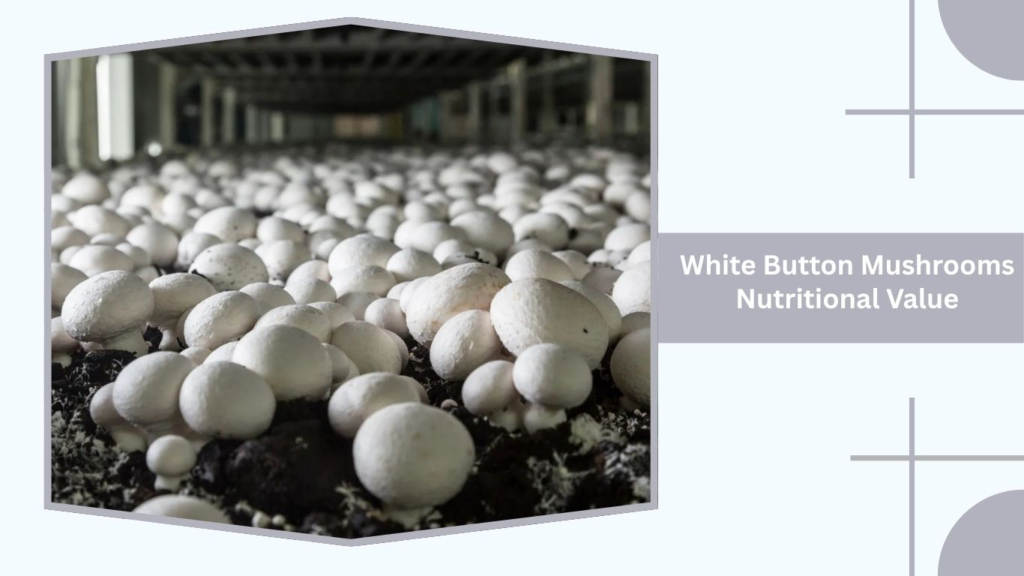
White button mushrooms are low in calories but provide essential nutrients. They are a good source of protein, B vitamins, minerals, and antioxidants, which contribute to overall health.
Key Nutrients
- Calories: Approximately 22 kcal per 100g
- Protein: Supports muscle and tissue health
- Carbohydrates: Low, suitable for most diets
- Vitamins and Minerals: B-complex vitamins, potassium, selenium, vitamin D (especially after sun exposure)
Nutritional Benefits
- May support heart and bone health
- Contribute to antioxidant protection
- Provide dietary fiber for digestive health
White Button Mushrooms Health Benefits
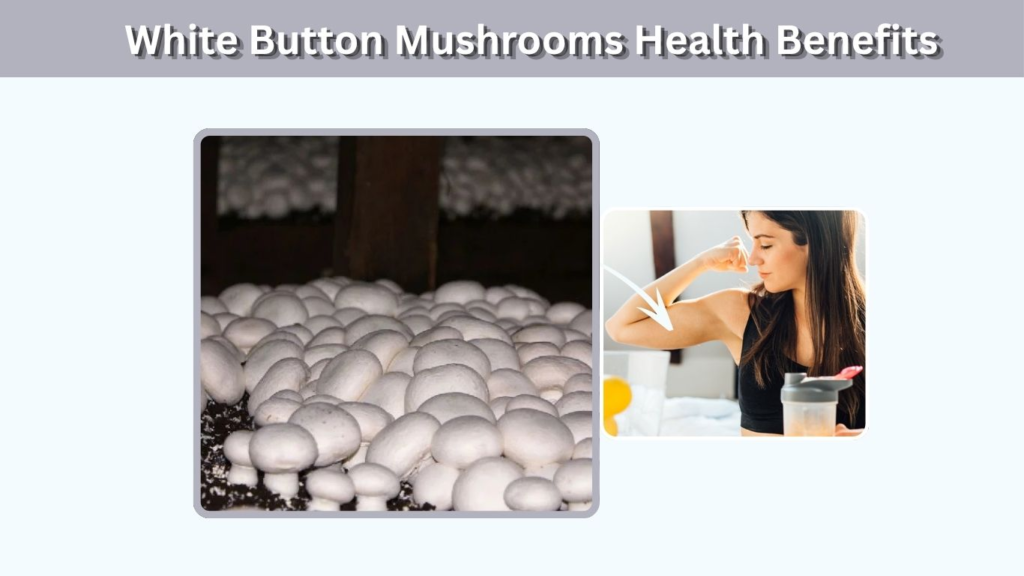
White button mushrooms contain bioactive compounds that offer potential health benefits beyond basic nutrition. They are studied for immune support, antioxidant activity, and disease prevention.
Potential Benefits
- Immune System Support: Polysaccharides may enhance immune response.
- Antioxidant Properties: Protects cells from oxidative damage.
- Hormonal Effects: Some studies suggest aromatase-inhibiting compounds may support hormone balance.
- Overall Wellness: Regular consumption supports a nutrient-rich diet.
White Button Mushrooms Culinary Uses
White button mushrooms are versatile and can be consumed raw or cooked. They are used in salads, soups, stir-fries, and more. Cooking enhances digestibility and flavor while maintaining nutritional value.
Cooking Methods
- Raw: Sliced into salads or sandwiches
- Sauteed: Stir-fries, pasta, or sauces
- Grilled or Baked: Stuffed mushrooms or portobello-style dishes
- Freezing: Blanch before freezing for long-term storage
Popular Recipes
- Cream of mushroom soup
- Mushroom risotto
- Stuffed white button mushrooms
Cultivation and Growing Conditions
White button mushrooms are widely cultivated around the world, both commercially and at home. Understanding their growth requirements ensures a good yield, quality mushrooms, and safe consumption.
Growing Substrate
- Composted Materials: Straw, manure, or other organic matter.
- Preparation: Pasteurization or sterilization to prevent contamination.
- Spawning: Mushroom spores or mycelium introduced to the substrate.
Environmental Conditions
- Temperature: 24°C for mycelium colonization; 16–18°C for fruiting.
- Humidity: 85–90% during fruiting.
- Light: Low to moderate; minimal sunlight required.
Home Cultivation Tips
- Grow kits are widely available for beginners.
- Coffee grounds or recycled compost can serve as substrates.
- Maintain cleanliness to prevent mold or bacterial contamination.
Life Cycle of White Button Mushrooms
Understanding the life cycle helps growers maximize production and ensures sustainable harvesting.
Life Stages
- Spore Germination: Spores germinate in nutrient-rich substrate to form mycelium.
- Vegetative Growth: Mycelium spreads and colonizes the substrate.
- Pinhead Formation: Tiny mushroom primordia appear as early fruiting bodies.
- Fruiting Stage: Mushrooms mature and are ready to harvest.
Reproduction
- Sexual Reproduction: Occurs through basidiospores.
- Mycelium Fusion: Genetic material is exchanged to create viable offspring.
Storage and Shelf Life
Proper storage preserves freshness, flavor, and nutrients.
Storage Guidelines
- Refrigeration: 3–7 days in a paper bag.
- Freezing: Blanch mushrooms before freezing for long-term storage.
- Drying: Dehydrated mushrooms can be stored for months.
Tips
- Avoid airtight plastic containers for fresh mushrooms; they retain moisture and spoil faster.
- Handle gently to prevent bruising.
Safety and Precautions
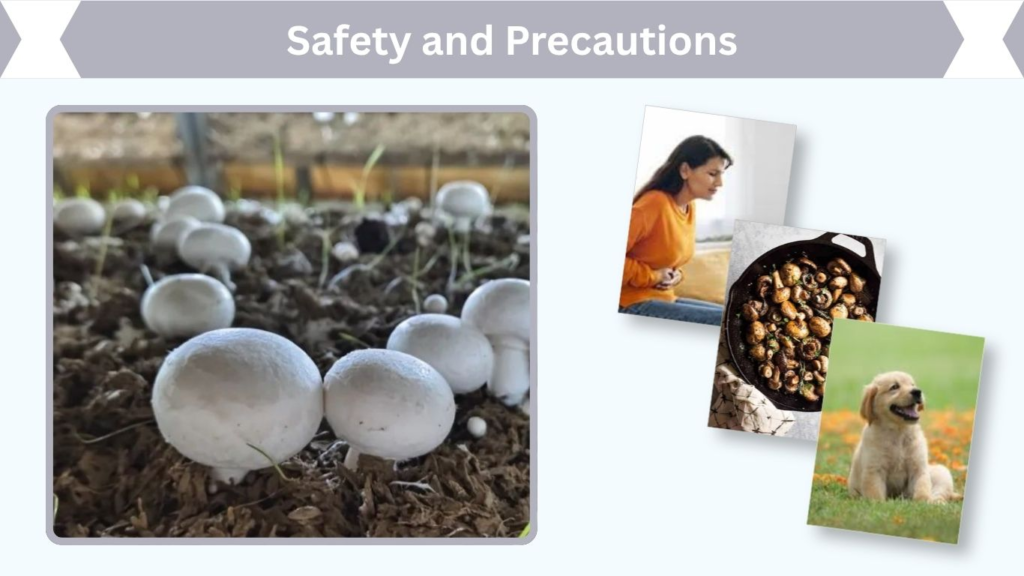
White button mushrooms are safe for most people but require caution in some cases.
Safety Considerations
- Edibility: Non-toxic and safe for human consumption.
- Raw Consumption: Rare digestive discomfort may occur; cooking is recommended.
- Pets: Safe in small quantities for dogs; avoid wild mushrooms.
- Supplements: Follow recommended dosages of extracts or powders.
Comparison with Other Mushrooms
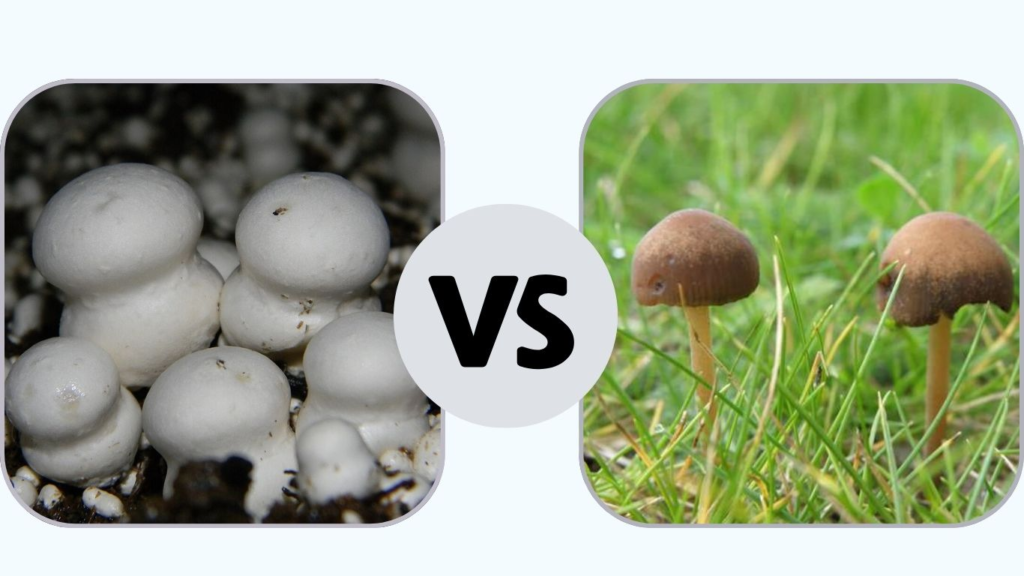
White button mushrooms are often compared to cremini, portobello, and brown button mushrooms. Understanding differences helps in culinary choices and nutritional planning.
Differences
- Cremini vs White Button: Slightly firmer, earthier flavor.
- Portobello vs White Button: Large, mature, meaty texture.
- Brown vs White Button: Similar species, taste and color differences.
Other Considerations
- Nutritional content is similar across varieties, but flavor and texture vary.
- Cooking methods may differ depending on mushroom size and maturity.
Scientific Research and Miscellaneous Facts
White button mushrooms are increasingly studied for nutritional and medicinal properties. They contain bioactive compounds with potential health benefits.
Research Highlights
- Bioactive Compounds: Polysaccharides, phenolics, and antioxidants.
- Hormone-Related Benefits: Potential aromatase inhibition may influence estrogen activity.
- Functional Foods: Used in dietary supplements, extracts, and powders.
Interesting Facts
- Exposure to sunlight increases vitamin D content.
- Wild white button mushrooms are rarer and may have a slightly stronger flavor.
- They are the foundation for cremini and portobello mushrooms.
Conclusion
White button mushrooms are versatile, nutritious, and easy to incorporate into any diet. From salads and sautés to soups and supplements, they provide protein, vitamins, minerals, and antioxidants. Understanding their varieties, nutritional benefits, culinary uses, cultivation, and safety ensures optimal use for health and cooking purposes. Their mild flavor, combined with nutritional density, makes them one of the most valued mushrooms worldwide.
FAQs
What are white button mushrooms?
Small, round mushrooms with white caps and firm stems, widely cultivated for culinary and nutritional use.
Are white button mushrooms healthy?
Yes, they are low in calories, rich in protein, vitamins, minerals, and antioxidants.
Can you eat white button mushrooms raw?
Yes, but cooking improves digestibility and flavor. Some people may experience mild digestive discomfort if eaten raw.
How do you grow white button mushrooms at home?
Using a grow kit or composted substrate under controlled temperature, humidity, and hygiene. Coffee grounds can also be used as a substrate.
How long do white button mushrooms last?
Fresh mushrooms last 3–7 days in the fridge; blanching and freezing extends shelf life for months.