
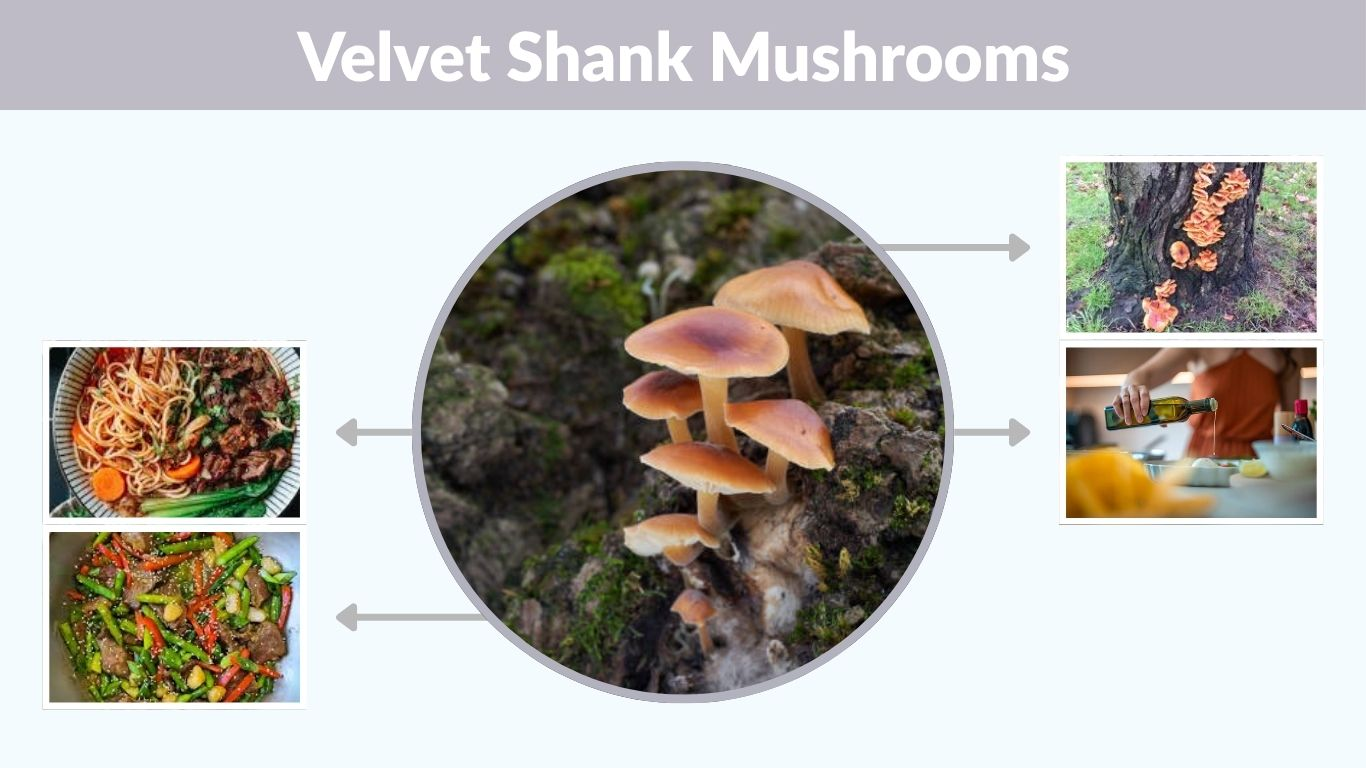
Velvet shank mushrooms are among the most recognizable winter fungi found in forests, parks, and woodland areas. Known scientifically as Flammulina velutipes, these mushrooms grow in clusters on dead or dying wood during cold weather when few other fungi appear. Their shiny orange-brown caps and dark velvety stems make them relatively easy to identify. Many foragers value velvet shank mushrooms for their mild flavor and culinary versatility. However, careful identification is essential because several dangerous species resemble them closely in the wild.
What Is a Velvet Shank Mushroom?
Velvet shank is a winter-growing fungus commonly found on hardwood trees and fallen logs. It belongs to a group of edible mushrooms appreciated by both wild foragers and commercial growers. The cultivated form of velvet shank is widely sold as enoki mushrooms, although wild specimens look very different from the thin white cultivated versions found in supermarkets.
Scientific Name and Classification
The scientific name of velvet shank is Flammulina velutipes. It belongs to the Physalacriaceae family and is closely related to several wood-decaying fungi. The species naturally grows across Europe, Asia, and North America during late autumn and winter.
Why It Is Called Velvet Shank
The mushroom gets its common name from the texture of its stem. The lower part of the stem becomes dark brown or black and feels soft and velvety to the touch. This feature is one of the most important clues used for velvet shank mushroom identification.
Where Velvet Shank Mushrooms Grow
Velvet shank mushrooms usually appear on dead hardwood trees, stumps, and fallen branches. They are especially common on elm, willow, and poplar wood during damp winter conditions.
Common growing locations include:
- Woodland edges
- Damp parks and gardens
- Fallen tree trunks
- Decaying hardwood logs
- Riverbanks and shaded forest paths
These mushrooms often grow in dense clusters, making them easier to spot during cold months when most woodland plants have died back.
Velvet Shank Mushroom Identification
Correct identification is extremely important before eating any wild mushroom. Velvet shank has several distinctive features that help separate it from dangerous look-alikes.
Key Identification Features
Several characteristics make velvet shank easier to recognize in winter forests.
Important features include:
- Smooth orange to honey-brown caps
- Sticky or slimy surface in wet weather
- Pale cream or white gills
- Dark velvety lower stem
- Clustered growth on wood
- Winter fruiting season
- White spore print
The cap size generally ranges from 2 to 10 centimeters depending on age and growing conditions. Younger mushrooms often appear rounded while mature caps flatten with age.
Velvet Shank Spore Print
A spore print is one of the safest methods for confirming mushroom identity. Velvet shank produces a white spore print, which helps distinguish it from some toxic species that produce rusty brown spores.
To create a spore print, place the mushroom cap gill-side down on white paper for several hours. Once spores fall, their color becomes visible and can assist with accurate identification.
Velvet Shank Button Stage
Young velvet shank mushrooms appear as small rounded buttons before the caps expand fully. At this stage, the caps are often darker and shinier. Many foragers prefer harvesting younger specimens because they tend to have firmer texture and better flavor when cooked.
Velvet Shank Look-Alikes and Safety Concerns
Although velvet shank is edible, several poisonous mushrooms resemble it closely. Foragers should never rely on a single feature when identifying wild fungi.
Dangerous Mushrooms That Resemble Velvet Shank
The funeral bell (Galerina marginata) is the most dangerous look-alike associated with velvet shank mushrooms. This deadly species grows on wood and may appear during similar seasons in some regions.
Key differences include:
- Funeral bell has rusty brown spores
- Some look-alikes have a stem ring
- Velvet shank has a velvety dark stem
- Toxic species often lack the slimy cap texture
- Velvet shank usually fruits during colder weather
Because mistakes can be fatal, beginners should always seek expert confirmation before consuming wild mushrooms.
Is Velvet Shank Poisonous?
Velvet shank itself is considered edible and safe when correctly identified and properly cooked. However, confusion with poisonous species creates significant risk for inexperienced foragers. Wild mushrooms should never be eaten unless identification is completely certain.
Safe Foraging Practices
Safe mushroom foraging requires patience, careful observation, and reliable field guides. Many experienced mushroom hunters recommend checking multiple identifying features before collecting any species for food.
Beginners should follow several important safety practices:
- Avoid mushrooms with uncertain identification
- Collect only fresh healthy specimens
- Use reliable mushroom field guides
- Learn from experienced local foragers
- Check spore print color carefully
- Never rely solely on internet photos
Careful identification remains the most important step in safe wild mushroom collection.
How to Cook Velvet Shank Mushrooms
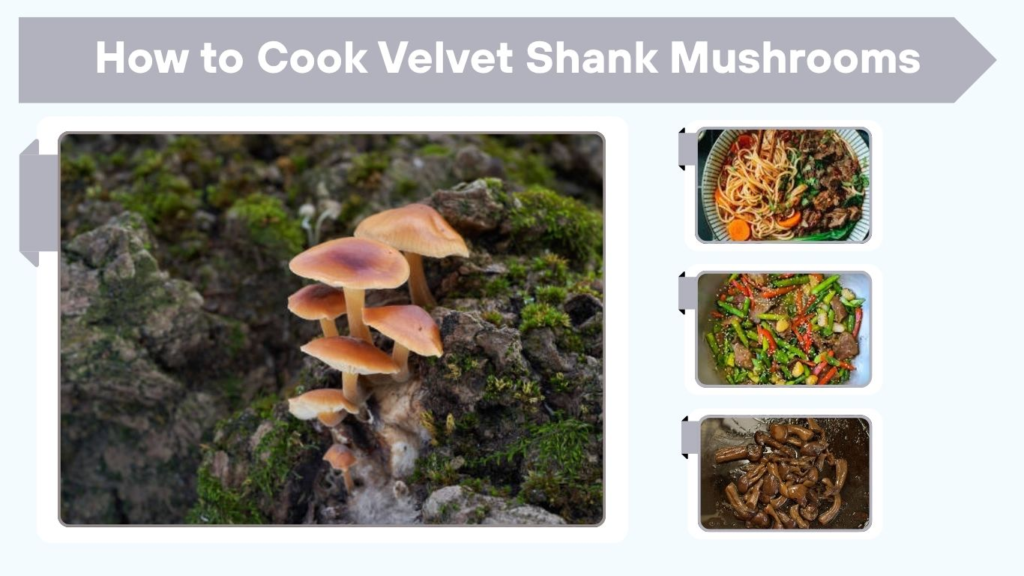
Velvet shank mushrooms are valued for their mild flavor, soft texture, and ability to absorb seasonings well during cooking. Fresh specimens work best in soups, stir fries, and simple sautéed dishes. Like many wild mushrooms, velvet shank should always be cooked before eating to improve texture and reduce potential digestive discomfort.
Preparing Velvet Shank Mushrooms
Before cooking, mushrooms should be cleaned carefully to remove dirt, bark, and debris from the stems. Avoid soaking them in water because mushrooms absorb moisture quickly and may become soggy.
Trim the lower dark stem section if it feels tough or woody. Younger mushrooms usually require less trimming and have a more delicate texture. Fresh velvet shank mushrooms can be stored in the refrigerator for several days when kept dry and cool.
Best Cooking Methods
Velvet shank mushrooms work well in both simple and complex dishes. Their flavor becomes richer after light frying or simmering in broth.
Popular cooking methods include:
- Sautéing with garlic and butter
- Adding to winter soups
- Stir frying with vegetables
- Mixing into noodle dishes
- Cooking in creamy sauces
The mushrooms pair especially well with herbs, black pepper, soy sauce, and mild spices that do not overpower their natural taste.
Velvet Shank Taste and Texture
The taste of velvet shank mushrooms is mild, earthy, and slightly sweet. Younger mushrooms tend to have softer texture, while older stems may become firmer and more fibrous. Many people compare the flavor to cultivated enoki mushrooms, although wild velvet shank usually has a richer woodland aroma.
Velvet Shank Mushroom Recipe
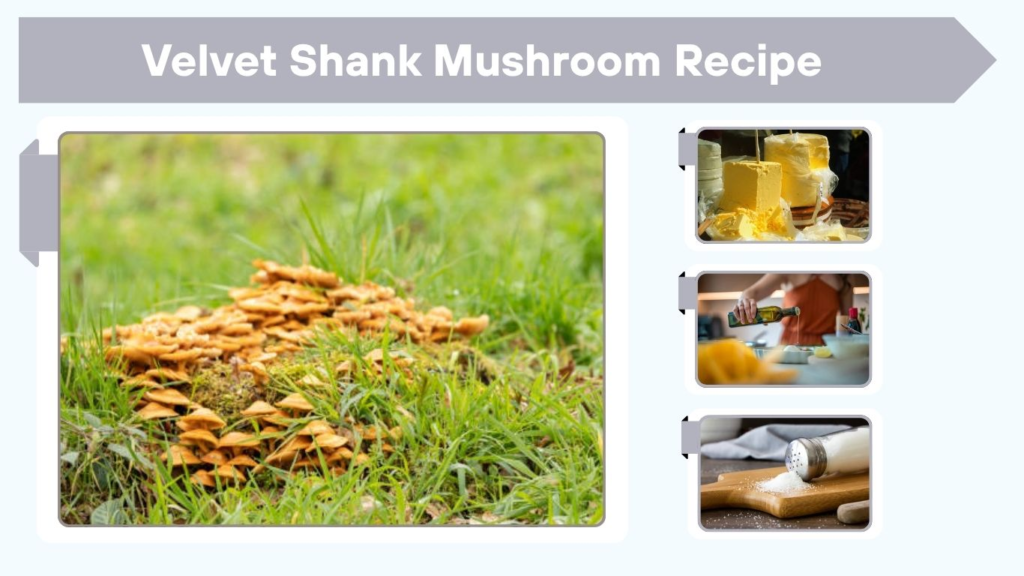
Simple recipes allow the mushroom’s natural flavor to stand out while still creating a satisfying dish. A basic sauté is one of the easiest ways to enjoy freshly collected velvet shank mushrooms.
Garlic Butter Velvet Shank Mushrooms
This quick recipe works well as a side dish or topping for toast, rice, or pasta.
Ingredients
- Fresh velvet shank mushrooms
- Butter or olive oil
- Garlic cloves
- Salt
- Black pepper
- Fresh parsley
Cooking Instructions
Heat butter or oil in a frying pan over medium heat. Add chopped garlic and cook briefly until fragrant. Place the mushrooms into the pan and cook for several minutes until softened and lightly browned. Season with salt and black pepper before serving with fresh parsley.
The mushrooms release moisture while cooking, creating a rich savory flavor that works well with simple ingredients.
Growing Velvet Shank Mushrooms
Velvet shank mushrooms can also be cultivated at home under cool and humid conditions. Many growers enjoy cultivating them because they fruit during colder months when other mushroom species struggle.
Ideal Growing Conditions
This species prefers cool temperatures and high humidity during the fruiting stage. The growing process often uses hardwood sawdust or supplemented wood-based substrates.
Important growing factors include:
- Cool temperatures between 10 and 15°C
- High humidity levels
- Limited direct sunlight
- Good air circulation
- Moist wood-based substrate
Commercial growers sometimes produce long thin white enoki mushrooms by limiting light exposure during cultivation.
Planting Velvet Shank
Growing kits and mushroom spawn are widely available for home cultivation. Logs inoculated with spawn may produce mushrooms for multiple seasons if kept damp and protected from excessive heat.
Indoor growing usually provides more consistent results because temperature and humidity remain easier to control during winter.
Velvet Shank Mushroom in the UK
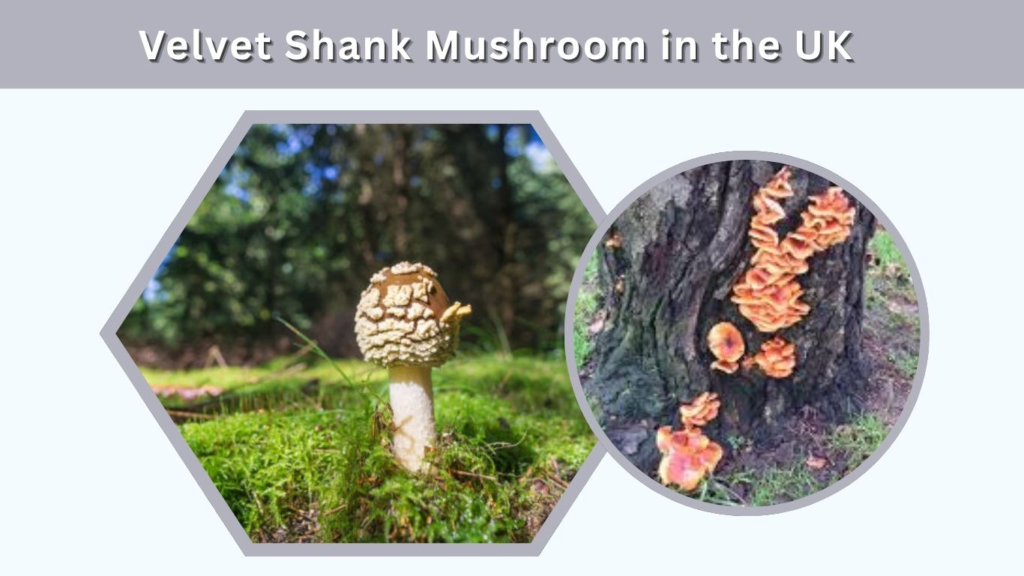
Velvet shank mushrooms are common across the United Kingdom and appear throughout the colder months. They are especially popular among winter foragers because few other edible mushrooms remain active during freezing weather.
When Velvet Shank Appears
In the UK, velvet shank usually fruits from late autumn through early spring. Mild damp winters often produce the best displays, especially after periods of rain followed by cool temperatures.
The mushrooms continue growing even during frost, making them one of the most reliable winter fungi in Britain.
Common UK Habitats
Velvet shank mushrooms frequently grow in:
- Woodland areas
- Public parks
- Hedgerows
- Riverbank trees
- Dead hardwood stumps
They are easier to spot in winter because leafless trees expose the bright orange mushroom clusters more clearly.
FAQs
Can you eat velvet shank mushrooms raw?
Velvet shank mushrooms should be cooked before eating. Cooking improves their texture, enhances flavor, and helps reduce the chance of digestive discomfort. Most people sauté, stir fry, or add them to soups and noodle dishes for the best results.
What is the difference between velvet shank and enoki mushrooms?
Velvet shank and enoki come from the same species, Flammulina velutipes. Wild velvet shank mushrooms have orange-brown caps and dark stems, while cultivated enoki mushrooms are usually long, thin, and white because they are grown without light.
What color is a velvet shank spore print?
Velvet shank mushrooms produce a white spore print. This feature is important for identification because some dangerous look-alike mushrooms produce rusty brown spores instead.
When do velvet shank mushrooms grow?
Velvet shank mushrooms mainly grow during late autumn, winter, and early spring. They are known as winter mushrooms because they continue fruiting during cold weather when many other fungi stop growing.
What trees do velvet shank mushrooms grow on?
Velvet shank mushrooms commonly grow on dead or dying hardwood trees such as elm, willow, poplar, and beech. They often appear in clusters on logs, stumps, and fallen branches in damp woodland environments.