
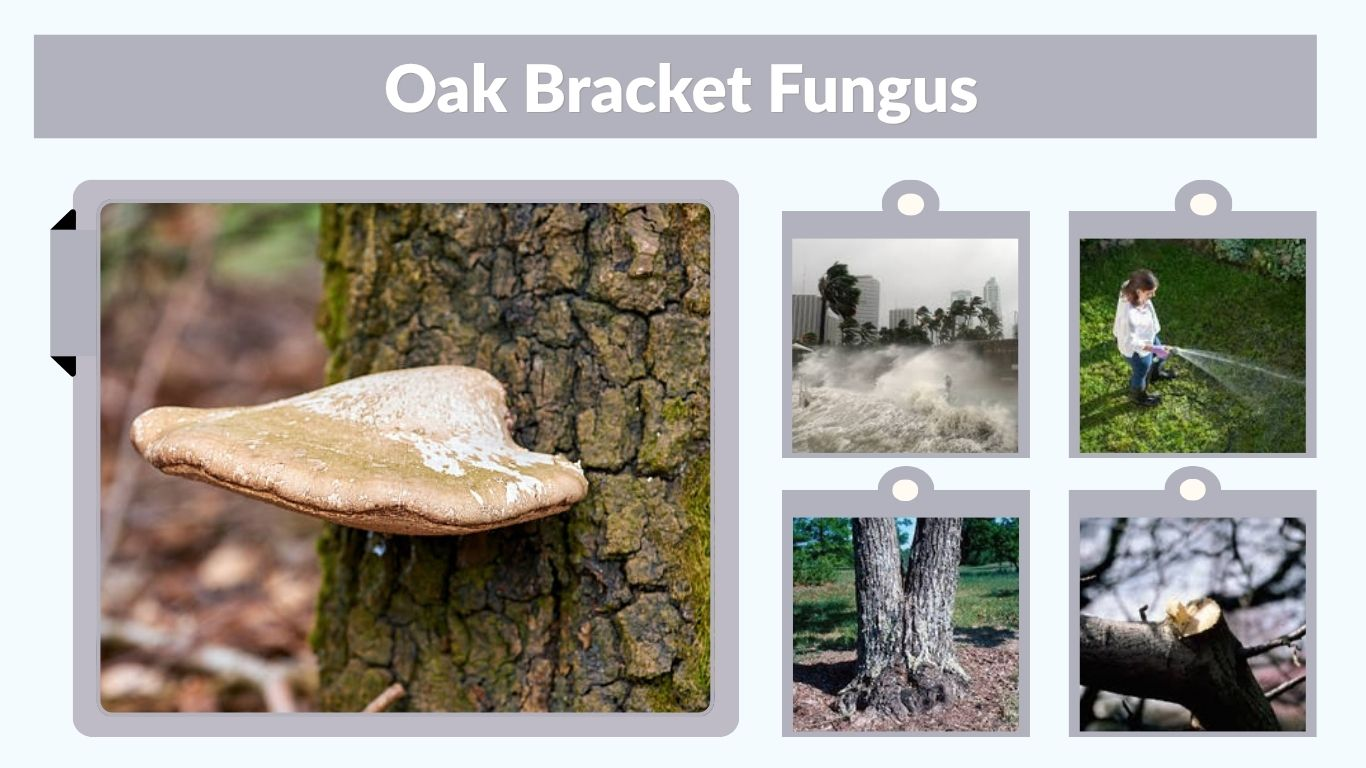
Oak bracket fungus is a common fungal growth that appears on aging or weakened oak trees. These shelf-like fungi usually grow from the trunk, roots, or large branches and can indicate internal wood decay. Many homeowners first notice the fungus because of its unusual mushroom-like appearance attached to the bark.
Although some bracket fungi are harmless for short periods, others may seriously weaken the tree’s structure over time. Learning how to identify oak bracket fungus early can help prevent falling limbs, trunk failure, and costly property damage while improving long-term tree health.
What Is Oak Bracket Fungus?
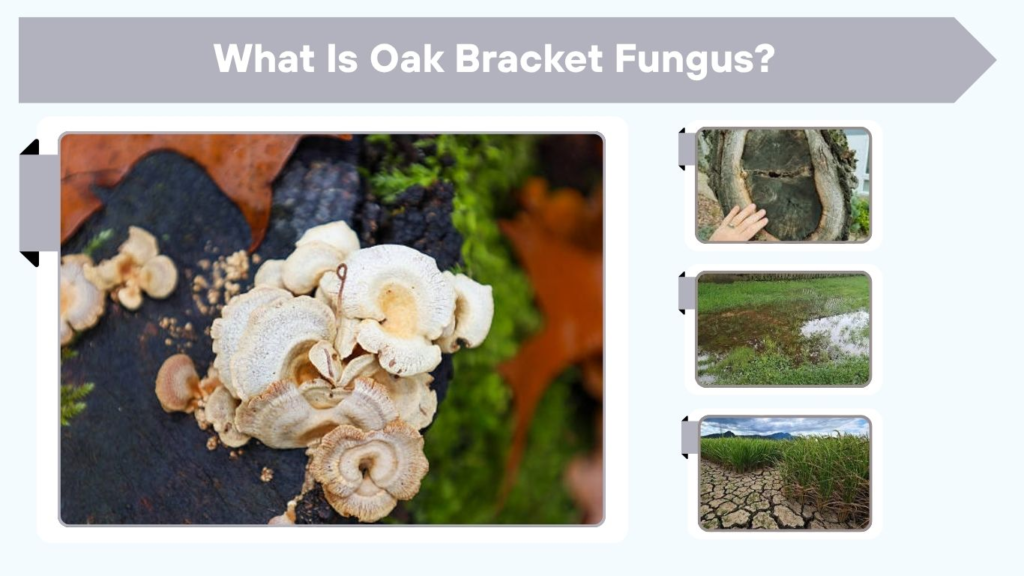
Oak bracket fungus refers to a group of shelf-shaped fungi that grow on oak trees. These fungi feed on wood tissue and are often associated with internal decay. In many cases, the visible fungus is only a small sign of a much larger fungal network growing inside the trunk or roots.
The fungus usually appears as layered shelves or thick brackets attached to the bark. Some species are dark brown and woody, while others may have orange, cream, or reddish coloring. Because they thrive on damaged or stressed trees, bracket fungi are commonly found on older oak trees in parks, forests, and residential landscapes.
Why Bracket Fungus Grows on Oak Trees
Oak trees become vulnerable to fungal infection when the bark or roots are damaged. Open wounds allow fungal spores to enter the wood and begin spreading internally. Over time, moisture and decaying tissue create ideal conditions for fungal growth.
Several environmental factors can increase the risk of bracket fungus developing on oak trees:
- Storm or pruning wounds
- Poor soil drainage
- Drought stress
- Compacted soil around roots
- Aging or weakened trees
Common Types of Oak Bracket Fungi
Different species of bracket fungi can affect oak trees. Some are more aggressive than others, and proper identification is important when assessing tree safety.
Common examples include:
- Ganoderma bracket fungus
- Beefsteak fungus
- Artist’s bracket fungus
- Weeping oak bracket fungus
These fungi vary in shape, color, and texture, but most indicate some level of internal wood decay within the tree.
How to Identify Bracket Fungus on Oak Trees
Identifying bracket fungus early can help homeowners and arborists determine whether an oak tree remains structurally safe. While the fruiting body is visible outside the tree, the real damage often occurs internally where the fungus breaks down wood fibers.
Bracket fungi typically appear during warm and damp seasons, especially after periods of heavy rainfall. The growth may emerge near the base of the tree, around wounds, or from hollow sections of the trunk.
Shelf-Like Growth Appearance
Most oak bracket fungi develop a shelf or semicircular shape that extends outward from the bark. These shelves may grow individually or in layered clusters stacked on top of each other.
Young fungi often appear softer and brighter in color, while older growth becomes darker and woody. Some species develop a glossy surface, while others feel rough or cracked with age.
Signs of Internal Tree Decay
In many cases, bracket fungus signals that internal decay is already advanced. The fungus digests important structural wood inside the tree, reducing strength and stability over time.
Warning signs commonly associated with fungal decay include cracked bark, hollow sections, dead limbs, and reduced leaf growth. Trees affected by severe decay may also lean unexpectedly or lose branches during storms.
The severity of the damage depends on the fungal species, the tree’s age, and how long the infection has been present. Some oak trees can survive for years with minor fungal activity, while others may become hazardous quickly.
Is Oak Bracket Fungus Dangerous?
The presence of bracket fungus should never be ignored because it often indicates structural weakness inside the tree. Even when the oak appears healthy externally, internal decay may already be affecting major support wood.
Professional inspection becomes especially important when the fungus appears near the base of the trunk or around large roots. Root decay can reduce the tree’s stability and increase the risk of sudden collapse.
Risks to Tree Health
Oak bracket fungus can create several long-term problems for tree health and stability:
- Weakening of trunk wood
- Root rot development
- Increased risk of branch failure
- Reduced nutrient transport
- Higher vulnerability to storms
Trees located near homes, driveways, or walkways should be monitored carefully if bracket fungus is present.
Can Infected Oak Trees Be Saved?
Some infected oak trees can survive if the decay is limited and the overall structure remains stable. Proper tree care may slow fungal progression and improve the tree’s condition over time. However, severely decayed trees may require removal to prevent safety hazards.
Arborists often use specialized tools to evaluate internal decay and determine whether the tree can safely remain in place. Regular inspections are essential because fungal damage may continue spreading even after visible mushrooms are removed.
Oak Bracket Fungus Treatment Options
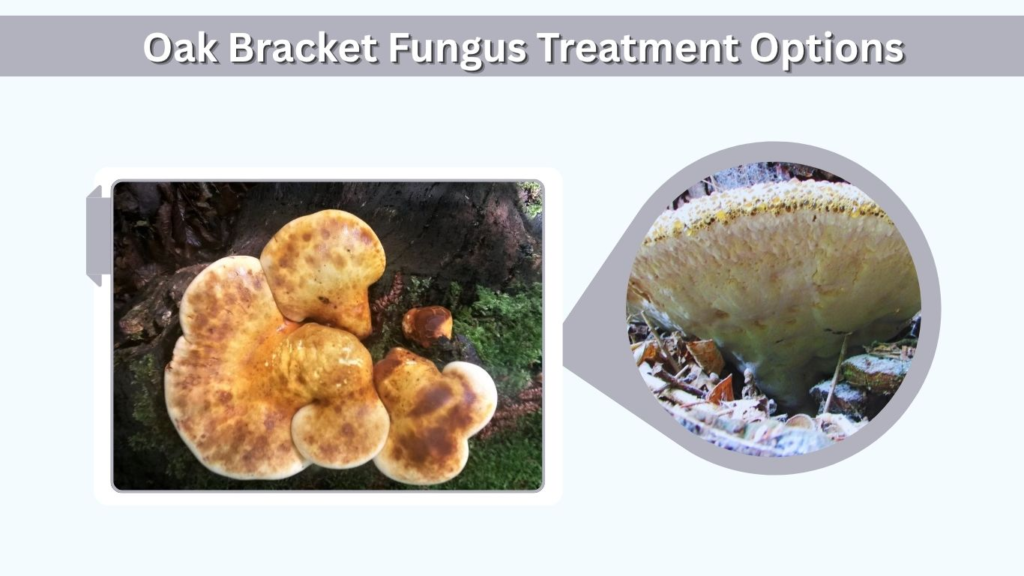
Treating oak bracket fungus can be challenging because the visible mushroom is only part of the problem. In most cases, the fungus has already spread through internal wood tissues before fruiting bodies appear outside the tree. While complete removal of the fungus is not always possible, proper management can reduce risks and improve tree health.
The best treatment approach depends on the severity of decay, the fungal species involved, and the overall condition of the oak tree. Early intervention often gives trees the best chance of long-term survival.
Professional Tree Inspection
A certified arborist can assess the structural condition of an infected oak tree. Professionals may use decay detection tools to measure internal damage and determine whether the tree remains safe.
During an inspection, arborists usually evaluate:
- Trunk stability
- Root condition
- Branch strength
- Extent of internal decay
- Risk of tree failure
This assessment helps determine whether the tree can be treated or if removal is necessary.
Improving Tree Health Naturally
Healthy trees are often better able to tolerate fungal infections than stressed or weakened trees. Improving growing conditions may help slow fungal progression and reduce additional stress on the oak.
Important tree care practices include proper watering during drought periods, reducing soil compaction around roots, and applying mulch correctly. Avoid damaging the bark with lawn equipment because open wounds allow additional fungal spores to enter the tree.
Pruning dead or damaged limbs may also reduce stress and improve airflow throughout the canopy. However, excessive pruning should be avoided because it can further weaken the tree.
Is Oak Bracket Fungus Edible or Poisonous?
One of the most common questions about oak bracket fungus is whether it can be safely eaten. The answer depends entirely on the fungal species. Some bracket fungi are considered edible under certain conditions, while others are tough, inedible, or potentially harmful.
Because many fungi closely resemble one another, identification mistakes can be dangerous. Wild mushrooms should never be consumed unless identified by an experienced expert.
Edible Bracket Fungi
A few bracket fungi growing on oak trees are technically edible when young and properly prepared. Beefsteak fungus is one example sometimes collected by experienced foragers because of its soft texture and unique appearance.
Even edible species can become tough and unpleasant as they mature. Environmental contamination may also affect safety if the fungus grows near polluted areas or chemically treated landscapes.
Poisonous or Unsafe Species
Some bracket fungi are not considered poisonous but remain unsafe because they are extremely woody, indigestible, or contaminated with harmful substances. Others may trigger allergic reactions or stomach irritation in sensitive individuals.
For safety reasons, homeowners should avoid eating any unknown fungus found on oak trees. Professional identification is always recommended before considering wild mushroom consumption.
How to Prevent Bracket Fungus on Oak Trees
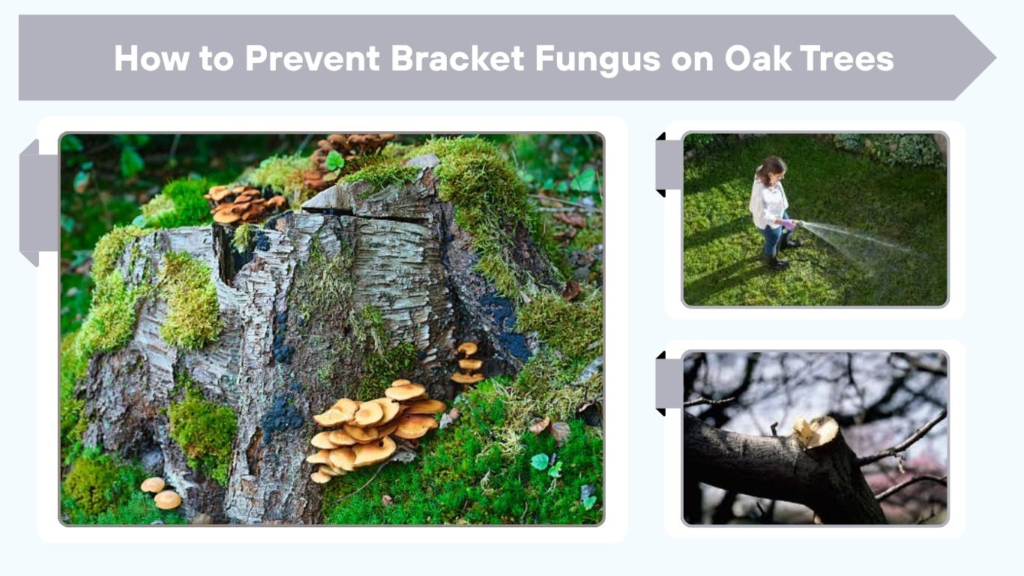
Preventing oak bracket fungus is often easier than treating advanced decay. Since fungal spores commonly enter through wounds and weakened tissues, maintaining strong tree health is the most effective long-term defense.
Healthy oak trees are generally more resistant to infection and recover more effectively from environmental stress.
Proper Tree Maintenance
Routine care can significantly reduce the likelihood of fungal problems developing in oak trees. Consistent monitoring allows homeowners to identify damage before fungi become established.
Helpful prevention methods include:
- Watering during dry periods
- Mulching around the root zone
- Avoiding trunk injuries
- Removing dead branches promptly
- Improving soil drainage
These practices support healthy root growth and reduce stress-related vulnerability.
Monitoring for Early Warning Signs
Early detection is critical because bracket fungi often indicate hidden decay. Homeowners should regularly inspect oak trees for unusual growths, bark cracks, cavities, or dead limbs.
Trees showing signs of decline should be evaluated quickly, especially if located near buildings, roads, or outdoor living spaces. Timely action can help prevent major structural failures and expensive emergency tree removal.
When to Call a Tree Specialist
While some minor fungal infections can be monitored safely, severe bracket fungus problems require professional evaluation. Trees weakened by internal decay may become dangerous without obvious external warning signs.
Arborists can determine whether the tree remains structurally sound and recommend the safest course of action. In some cases, selective pruning may reduce risk, while heavily decayed trees may need complete removal.
Signs You Need Immediate Help
Certain symptoms indicate that an oak tree may pose an urgent safety hazard:
- Large fungal growth near the base
- Hollow trunk sections
- Sudden leaning
- Falling branches
- Extensive dead wood
- Cracks in the trunk
These warning signs should never be ignored because tree failure can occur unexpectedly during storms or high winds.
FAQs
Can an oak tree survive bracket fungus?
Yes, some oak trees can survive bracket fungus if the infection is detected early and internal decay remains limited. Proper care and regular monitoring may help extend the tree’s lifespan, although severe decay can eventually make the tree unsafe.
Is bracket fungus always harmful to oak trees?
Most bracket fungi indicate some level of internal wood decay, but the severity varies by species and tree condition. Some infections progress slowly, while others can rapidly weaken structural wood and roots.
Should bracket fungus be removed from the tree?
Removing the visible fungus alone does not eliminate the internal infection. The fungal network often remains inside the tree even after mushrooms are cut away. Professional assessment is usually recommended.
Can bracket fungus spread to nearby trees?
Yes, fungal spores can spread through the air and infect nearby weakened trees. Healthy trees are less vulnerable, but damaged bark and stressed roots increase the risk of infection.
What does weeping oak bracket fungus look like?
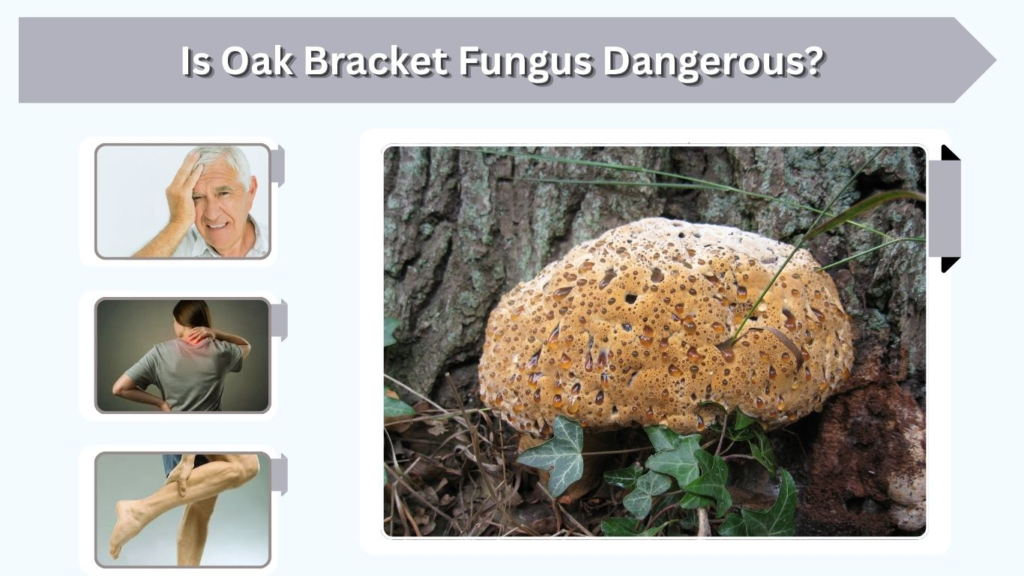
Weeping oak bracket fungus typically forms thick shelf-like growths with moisture droplets appearing on the surface. It often develops near damaged sections of mature oak trees and may indicate advanced internal decay.