
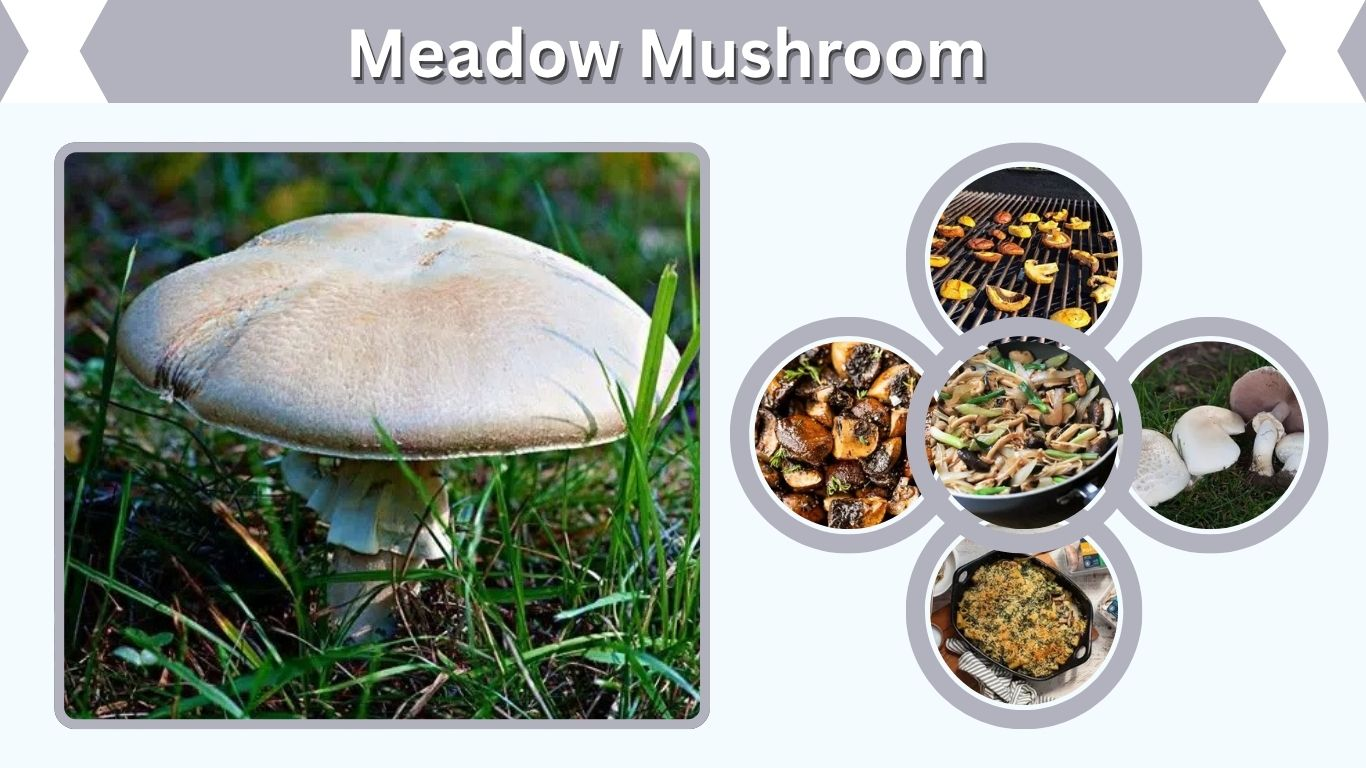
Meadow mushrooms (Agaricus campestris) are among the most recognizable wild edible mushrooms found in grasslands, meadows, pastures, and lawns throughout many parts of the world. Valued for their mild flavor and culinary versatility, these mushrooms have been gathered by foragers for generations. However, accurate identification is essential because several dangerous species closely resemble them. This guide explores meadow mushroom characteristics, habitats, identification features, and edibility to help beginners and experienced foragers better understand this fascinating wild mushroom.
What Is a Meadow Mushroom?
The meadow mushroom is a naturally occurring wild mushroom species belonging to the Agaricaceae family. It is often considered the wild relative of the common button mushroom sold in grocery stores. Found mainly in open grassy areas, it plays an important role in breaking down organic matter and enriching soil ecosystems.
Scientific Classification
The scientific name of the meadow mushroom is Agaricus campestris. It belongs to the genus Agaricus, which includes many edible and commercially cultivated mushrooms.
Key classification details include:
- Kingdom: Fungi
- Family: Agaricaceae
- Genus: Agaricus
- Species: Agaricus campestris
Common Names
Depending on the region, meadow mushrooms may be known by several names:
- Meadow Mushroom
- Field Mushroom
- Common Meadow Mushroom
- Wild Field Mushroom
- Agaricus Meadow Mushroom
Although the names vary, they generally refer to the same species or closely related mushrooms.
Meadow Mushroom Identification Guide
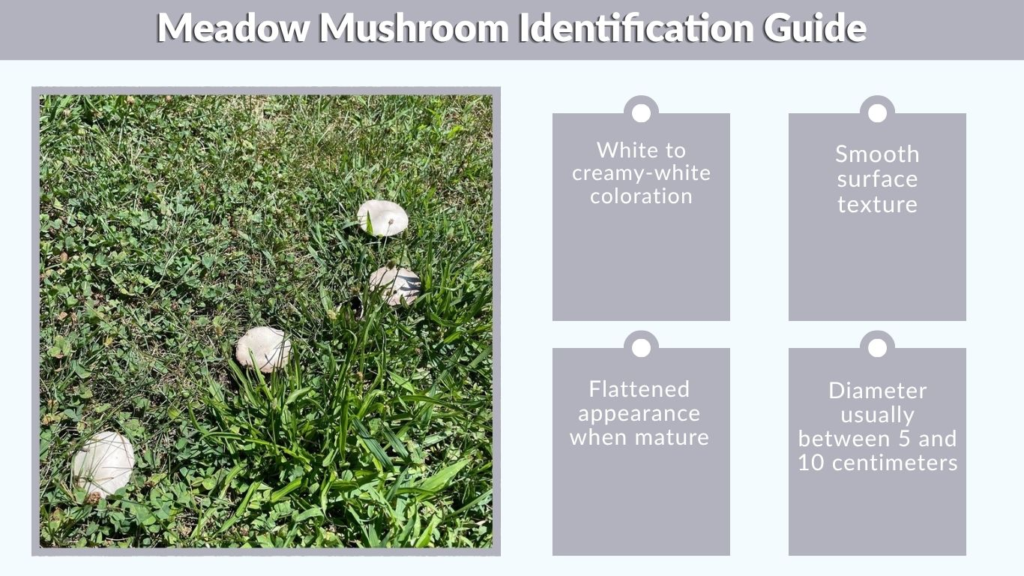
Correct identification is the most important step before consuming any wild mushroom. While meadow mushrooms possess several distinctive characteristics, foragers should always examine multiple features rather than relying on a single trait.
Cap Characteristics
The cap of a meadow mushroom typically starts rounded and gradually flattens as it matures. Young specimens often appear smooth and white, while older mushrooms may develop slight discoloration from weather exposure.
Important cap features include:
- White to creamy-white coloration
- Smooth surface texture
- Rounded shape when young
- Flattened appearance when mature
- Diameter usually between 5 and 10 centimeters
Gills and Spore Development
One of the most reliable identification features is the color change of the gills. Young meadow mushrooms display pink gills that gradually darken as spores mature.
As the mushroom ages:
- Gills begin pink
- Turn reddish-brown
- Eventually become dark chocolate brown
This color progression helps distinguish meadow mushrooms from several toxic look-alikes.
Stem Characteristics
The stem is generally sturdy and cylindrical. Most specimens possess a small ring near the upper portion of the stem, which remains after the protective veil breaks during growth.
The stem is usually:
- White in color
- Smooth in texture
- Firm and solid
- Free from a cup-like structure at the base
Where Do Meadow Mushrooms Grow?
Meadow mushrooms thrive in grassy environments and are commonly encountered after periods of rainfall. Unlike many woodland mushrooms, they prefer open areas with rich organic matter.
These mushrooms frequently appear in fields, parks, and pastures where decaying plant material provides nutrients for growth. They are considered saprobic fungi, meaning they obtain nutrients by decomposing organic matter in the soil.
Preferred Habitats
Meadow mushrooms are commonly found in:
- Meadows
- Grazing pastures
- Lawns
- Grasslands
- Parklands
- Open countryside fields
Seasonal Growth Patterns
Growth periods vary by region and climate. In temperate areas, meadow mushrooms typically emerge during periods of moderate temperatures and increased moisture.
The most productive seasons are:
- Spring
- Early summer
- Autumn
Extended rainfall followed by mild temperatures often triggers significant mushroom flushes.
Are Meadow Mushrooms Edible?
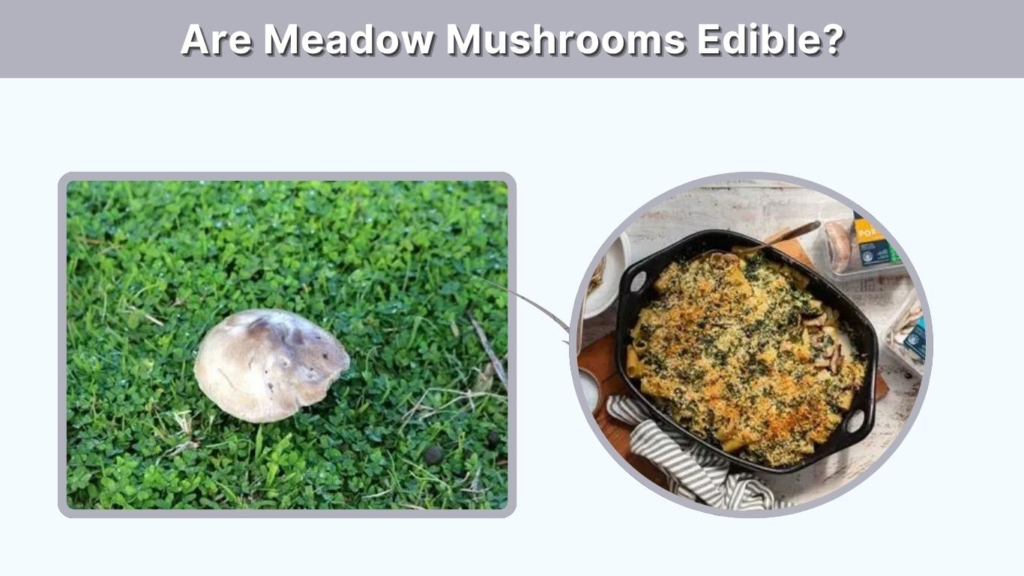
Meadow mushrooms are widely regarded as edible and are highly valued by mushroom enthusiasts. Their flavor is often described as mild, earthy, and pleasantly mushroom-like, making them suitable for numerous culinary applications.
Because of their similarity to cultivated button mushrooms, many people enjoy using them in soups, sauces, omelets, pasta dishes, and stir-fries. However, edibility should never be assumed solely based on appearance.
Foragers must always confirm identification beyond doubt before consuming any wild mushroom. Misidentification remains one of the leading causes of mushroom poisoning worldwide.
Nutritional Benefits
Like many edible mushrooms, meadow mushrooms provide several beneficial nutrients.
They contain:
- Dietary fiber
- B vitamins
- Potassium
- Selenium
- Antioxidants
- Protein
Their low calorie content also makes them a popular ingredient in healthy meals.
Can You Eat Meadow Mushrooms Raw?
Although some people consume meadow mushrooms raw, cooking is generally recommended. Cooking improves texture, enhances flavor, and may reduce naturally occurring compounds that can be difficult to digest.
Many mushroom experts recommend lightly sautéing or roasting meadow mushrooms before eating them.
Meadow Mushroom Spore Print
A spore print is one of the most useful tools for mushroom identification. Creating a spore print helps confirm species characteristics and can reduce the risk of confusing edible mushrooms with toxic look-alikes.
To create a spore print, place a mature mushroom cap on white paper and allow spores to fall for several hours. The resulting color can provide valuable identification clues.
What Color Is a Meadow Mushroom Spore Print?
A true meadow mushroom produces a chocolate-brown spore print. This characteristic is especially important because several dangerous mushrooms have white spore prints.
When identifying meadow mushrooms, the spore print should consistently appear:
- Dark brown
- Chocolate brown
- Rich brown-purple tones
This feature serves as an additional verification step when examining wild specimens.
Meadow Mushroom Poisonous Look-Alikes
While meadow mushrooms are considered edible, several dangerous species resemble them. This makes careful identification essential for anyone interested in wild mushroom foraging. Looking at multiple characteristics, including gill color, spore print, stem structure, and habitat, can help reduce the risk of misidentification.
False Meadow Mushroom
The term “false meadow mushroom” is commonly used for species that resemble Agaricus campestris but may cause illness or even death if consumed.
Common look-alikes include:
- Yellow Stainer (Agaricus xanthodermus)
- Destroying Angel (Amanita species)
- Death Cap (Amanita phalloides)
- Fool’s Mushroom (Amanita verna)
Some of these mushrooms are highly toxic and should never be eaten.
Destroying Angel vs Meadow Mushroom
The Destroying Angel is one of the most dangerous mushrooms in the world. At first glance, its white appearance may resemble a young meadow mushroom.
Key differences include:
- Destroying Angels have white gills throughout their life.
- Meadow mushrooms develop pink and then brown gills.
- Destroying Angels produce white spore prints.
- Meadow mushrooms produce chocolate-brown spore prints.
- Destroying Angels have a cup-like volva at the stem base.
These differences are critical because even a small amount of Destroying Angel can be fatal.
Death Cap vs Meadow Mushroom
The Death Cap is another deadly species often involved in mushroom poisoning cases worldwide.
Important distinctions include:
- White gills on Death Caps
- Brown gills on mature meadow mushrooms
- White spore print on Death Caps
- Brown spore print on meadow mushrooms
- Presence of a volva on Death Caps
Foragers should always inspect the entire mushroom, including the stem base, before making an identification.
Meadow Mushroom vs Horse Mushroom
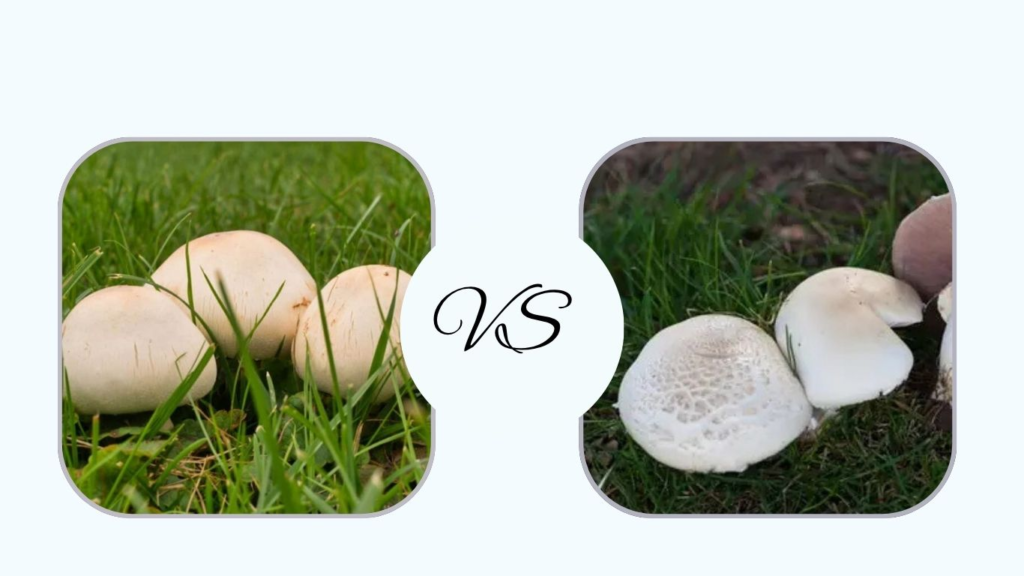
Horse mushrooms and meadow mushrooms belong to the same genus and are both considered edible. Because of their similarities, they are often confused with one another in the field.
Although related, several characteristics can help distinguish them.
Size Differences
Horse mushrooms are generally larger than meadow mushrooms. Mature specimens may develop broad caps that significantly exceed the size of typical meadow mushrooms.
Meadow mushrooms usually remain more compact and are commonly found growing in open grasslands.
Smell and Habitat
Horse mushrooms often produce a pleasant anise or almond-like scent. Meadow mushrooms typically have a mild mushroom aroma without the pronounced sweet fragrance.
Horse mushrooms are frequently found:
- Near hedgerows
- Along pathways
- In nutrient-rich grasslands
Meadow mushrooms tend to appear in open meadows, lawns, and pastures.
Are Meadow Mushrooms Poisonous to Dogs?
Pet owners frequently wonder whether meadow mushrooms are safe around dogs. While true meadow mushrooms are not generally considered highly toxic, accidental identification mistakes can create serious risks.
Because many poisonous mushrooms grow in the same environments, veterinarians recommend preventing dogs from eating any wild mushrooms.
Symptoms of Mushroom Poisoning in Dogs
If a dog consumes an unknown mushroom, symptoms may include:
- Vomiting
- Diarrhea
- Excessive drooling
- Weakness
- Tremors
- Loss of coordination
- Seizures
Immediate veterinary attention is recommended whenever mushroom ingestion is suspected.
Prevention Tips
Reducing the risk of mushroom poisoning involves regular monitoring of outdoor spaces.
Helpful practices include:
- Removing wild mushrooms from yards
- Supervising dogs during walks
- Avoiding areas with large mushroom populations
- Contacting a veterinarian if ingestion occurs
How to Cook Meadow Mushrooms
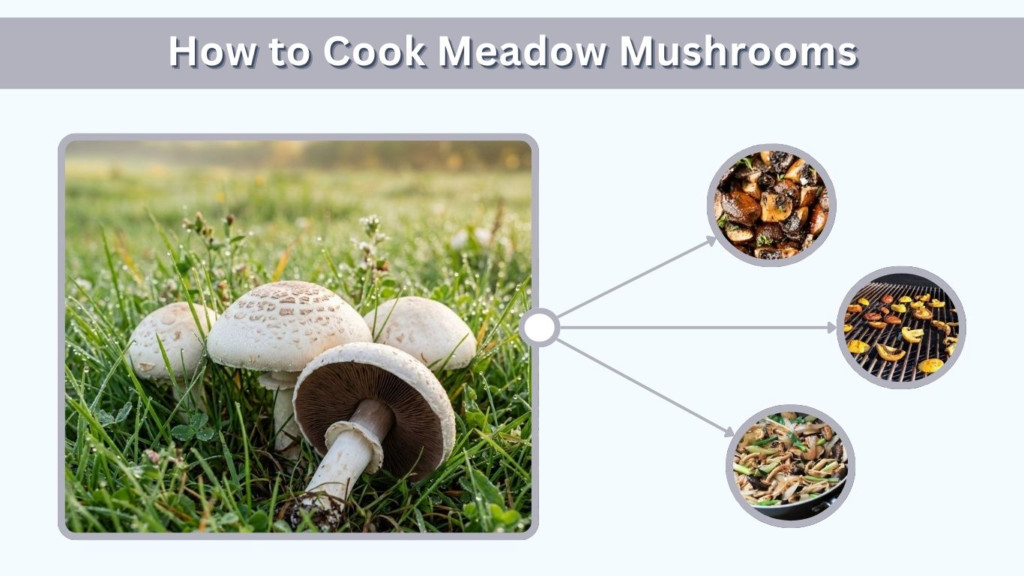
Meadow mushrooms are prized for their mild flavor and versatility in the kitchen. Their texture works well in a variety of recipes ranging from simple side dishes to hearty main courses.
Cleaning mushrooms properly before cooking helps remove dirt and debris while preserving their natural flavor.
Popular Cooking Methods
Several cooking techniques work particularly well with meadow mushrooms.
Common methods include:
- Sautéing in butter
- Roasting in the oven
- Grilling
- Stir-frying
- Adding to soups
- Incorporating into pasta dishes
Cooking enhances flavor and improves digestibility.
Simple Garlic Butter Meadow Mushrooms
One of the easiest ways to prepare meadow mushrooms is with garlic butter.
Slice the mushrooms evenly and cook them in melted butter over medium heat. Add minced garlic, season with salt and pepper, and sauté until golden brown. Fresh parsley can be added just before serving for extra flavor.
Drying and Preserving Meadow Mushrooms
Preserving mushrooms allows for long-term storage and year-round use. Drying is one of the most effective methods because it concentrates flavor while extending shelf life.
Properly dried mushrooms can remain usable for many months when stored correctly.
How to Dry Meadow Mushrooms
Several drying techniques are commonly used.
These include:
- Food dehydrators
- Air drying
- Oven drying
- Solar drying in suitable climates
The mushrooms should be fully dry and brittle before storage.
Storage Recommendations
After drying, mushrooms should be stored in airtight containers away from heat, moisture, and direct sunlight.
Suitable storage containers include:
- Glass jars
- Vacuum-sealed bags
- Airtight food containers
Proper storage helps maintain quality and prevents spoilage.
FAQs
This section answers some of the most common questions about meadow mushrooms, their identification, and safe consumption.
Are Meadow Mushrooms Edible?
Yes, Agaricus campestris is generally considered an edible mushroom when correctly identified.
Are Meadow Mushrooms Psychedelic?
No. Meadow mushrooms do not contain psilocybin and do not produce hallucinogenic effects.
What Color Is a Meadow Mushroom Spore Print?
A meadow mushroom produces a chocolate-brown spore print, which is an important identification feature.
Can You Eat Meadow Mushrooms Raw?
While some people do, cooking is generally recommended for better flavor and digestion.