
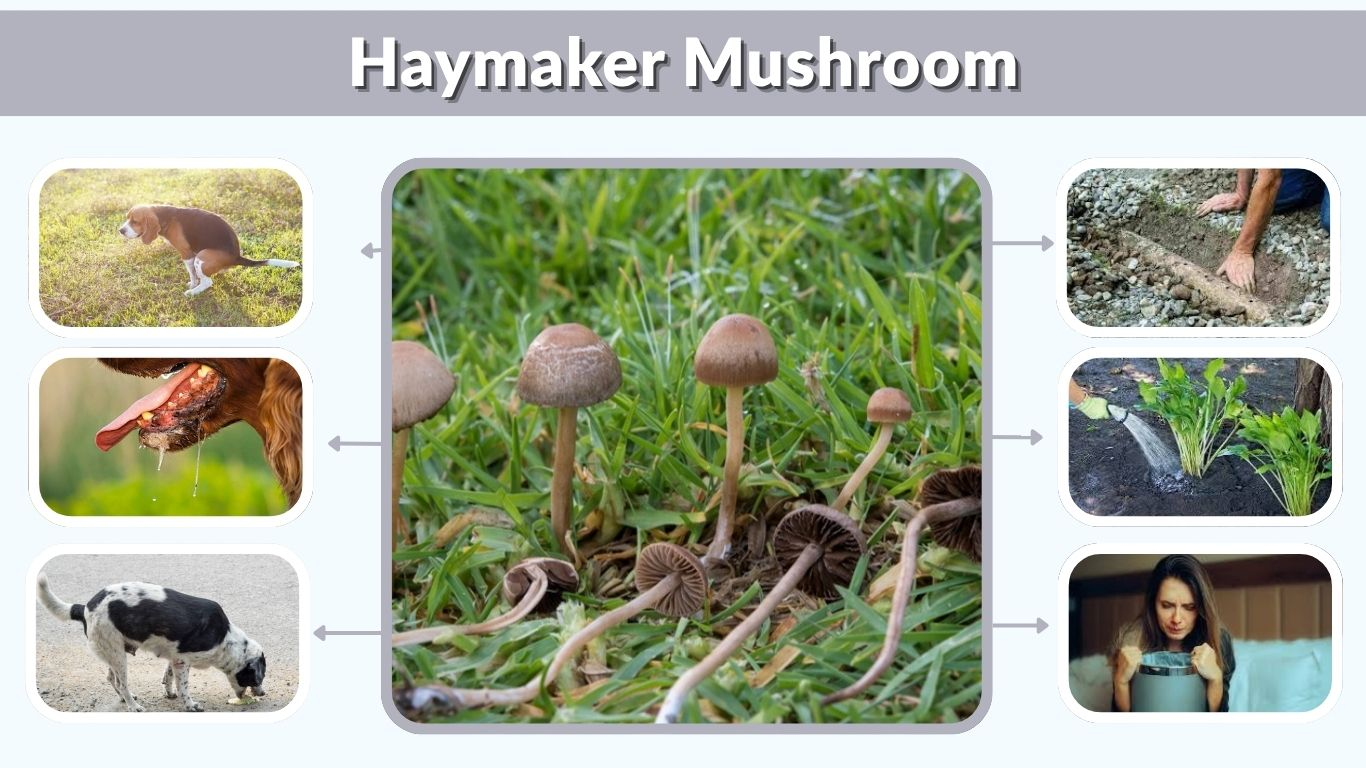
Haymaker mushrooms (Panaeolina foenisecii) are among the most common mushrooms found in lawns, gardens, and grassy areas. Their small brown caps often appear after rainfall, leading homeowners and pet owners to wonder whether they are dangerous. Questions about toxicity, edibility, and risks to dogs are especially common because these mushrooms frequently grow where children and pets play. Understanding how to identify haymaker mushrooms and assess potential risks can help you make informed decisions about lawn safety and mushroom removal.
What Is a Haymaker Mushroom?
Haymaker mushrooms are small lawn fungi commonly found throughout North America, Europe, and many other regions with moderate rainfall. Scientifically known as Panaeolina foenisecii, they thrive in nutrient-rich grass and often emerge in large numbers after wet weather. Although they are widespread and relatively harmless to lawns, they often cause concern because they resemble other brown mushroom species. Learning their characteristics is the first step toward proper identification and safe management.
Scientific Classification
The haymaker mushroom belongs to the genus Panaeolina and is scientifically classified as Panaeolina foenisecii. It is one of the most frequently encountered lawn mushrooms worldwide.
Common Names
This mushroom is known by several names depending on the region.
- Haymaker Mushroom
- Haymaker’s Mushroom
- Haymakers Mushroom
- Brown Hay Mushroom
- Lawn Mower’s Mushroom
Where Haymaker Mushrooms Grow
These mushrooms prefer moist environments and can appear almost anywhere grass grows.
Common locations include:
- Residential lawns
- Public parks
- Golf courses
- Gardens
- Pastures
- Grassy fields
How to Identify Haymaker Mushrooms
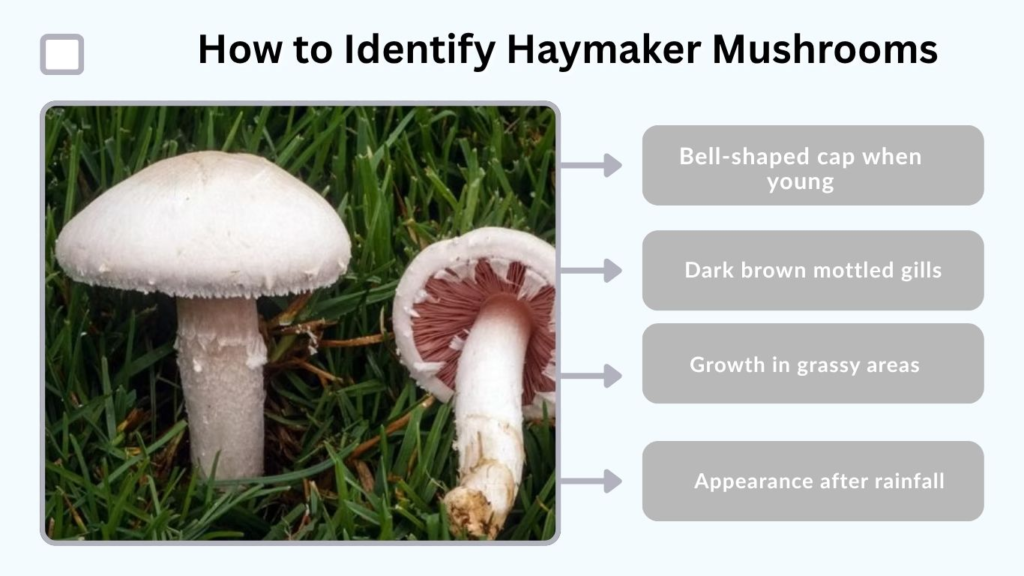
Proper identification is important because many small brown mushrooms can appear similar at first glance. Haymaker mushrooms generally have a modest appearance and are often overlooked until they appear in clusters across a lawn.
The cap typically ranges from light brown to tan and may darken when moisture levels increase. Young specimens often display a bell-shaped cap, while mature mushrooms gradually flatten as they age. Their stems are thin, fragile, and usually pale in color.
One characteristic feature is the mushroom’s tendency to change color depending on moisture conditions. This variability can make identification challenging for beginners. Because of their small size and common appearance, haymaker mushrooms are often confused with other lawn fungi.
Key Identification Features
Look for these characteristics when identifying haymaker mushrooms:
- Small brown or tan cap
- Bell-shaped cap when young
- Thin pale stem
- Dark brown mottled gills
- Growth in grassy areas
- Appearance after rainfall
Why Identification Matters
Accurate mushroom identification helps prevent accidental consumption and unnecessary concern. Since many lawn mushrooms share similar colors and shapes, relying on a single characteristic is rarely sufficient. Careful observation of the cap, stem, gills, and growing environment provides a more reliable identification process.
Are Haymaker Mushrooms Poisonous?
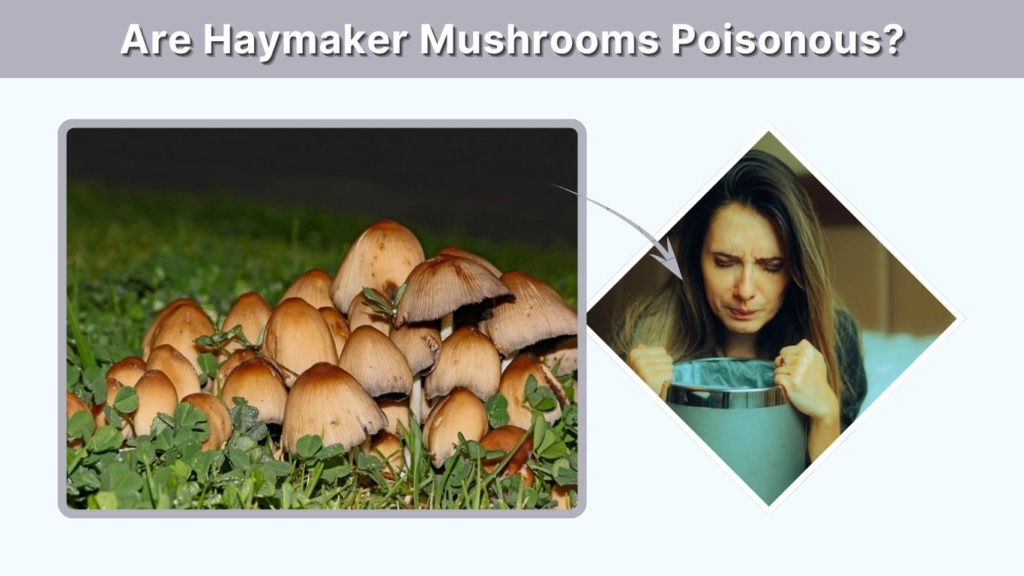
Haymaker mushrooms occupy a somewhat uncertain position regarding toxicity. While they are not generally considered highly poisonous, they are also not regarded as edible mushrooms. Most mushroom experts recommend avoiding consumption because reports regarding toxicity vary and identification mistakes can occur easily.
Their resemblance to other small brown mushrooms increases the risk of accidental misidentification. For this reason, foragers and homeowners should treat haymaker mushrooms as inedible and avoid using them for food.
Are Haymaker Mushrooms Edible?
Haymaker mushrooms are not considered a desirable edible species. Their small size, limited culinary value, and uncertain toxicity profile make them unsuitable for consumption.
Although some sources classify them as non-toxic, others recommend avoiding them entirely. As a result, they are generally placed in the category of mushrooms that should not be eaten.
Are Haymaker Mushrooms Poisonous to Humans?
Most healthy adults are unlikely to experience severe poisoning from incidental contact with haymaker mushrooms. However, ingestion may lead to digestive discomfort or other mild symptoms in some individuals.
Potential symptoms can include:
- Nausea
- Stomach upset
- Vomiting
- Diarrhea
- General discomfort
The severity of symptoms varies depending on the individual and the amount consumed. Anyone experiencing concerning symptoms after eating a wild mushroom should seek medical advice immediately.
Are Haymaker Mushrooms Psychedelic?
One of the most common misconceptions surrounding Panaeolina foenisecii involves its alleged psychedelic properties. This confusion largely stems from its resemblance to certain psychoactive mushroom species.
Modern identification guides generally do not classify haymaker mushrooms as reliable psychedelic mushrooms. They should never be collected or consumed for recreational purposes, as misidentification can lead to significant health risks.
Are Haymaker Mushrooms Poisonous to Dogs?
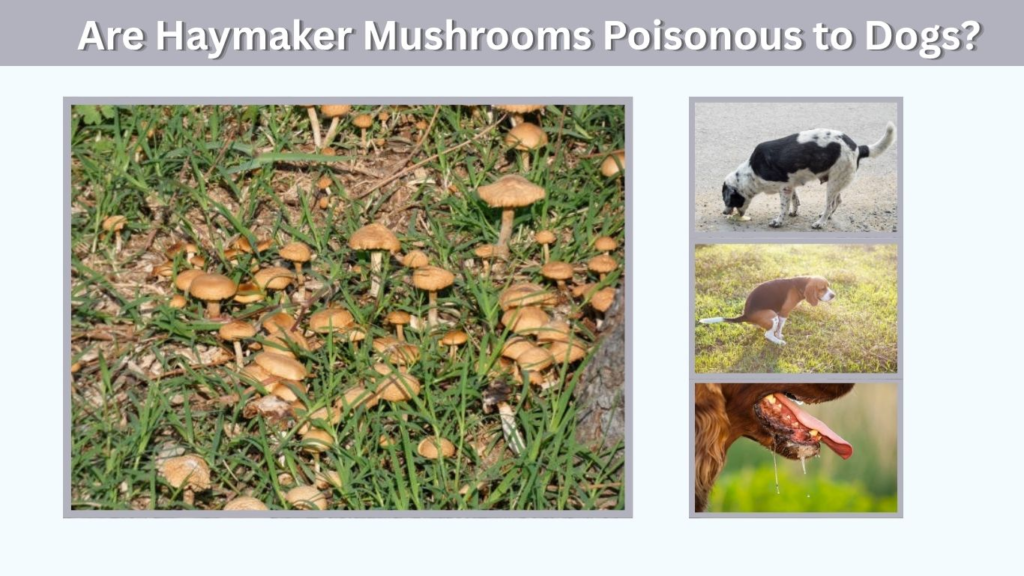
Dog owners often become concerned when haymaker mushrooms suddenly appear throughout a lawn. Since dogs naturally investigate their surroundings by sniffing and occasionally eating objects they find outdoors, mushrooms can become a source of anxiety.
The exact toxicity of haymaker mushrooms in dogs is not fully established. However, veterinarians typically recommend treating any unknown mushroom ingestion seriously. Because mushroom identification can be difficult, it is safest to assume that a mushroom may pose a health risk until proven otherwise.
Are Haymaker Mushrooms Toxic to Dogs?
While haymaker mushrooms are not generally considered among the most dangerous toxic mushrooms, they may still cause digestive upset if consumed. Individual reactions can vary depending on the dog’s size, health status, and the amount ingested.
Dog Ate a Haymaker Mushroom: What to Do
If you suspect your dog has eaten a haymaker mushroom, remain calm and monitor the situation carefully. If possible, collect a sample of the mushroom to assist with identification.
Recommended actions include:
- Remove remaining mushrooms from the area.
- Observe your dog closely.
- Watch for unusual symptoms.
- Contact your veterinarian.
- Seek emergency care if symptoms develop.
Symptoms to Watch For
If a dog consumes any lawn mushroom, monitoring for symptoms is essential. While some dogs may show no signs of illness, others can develop digestive or neurological symptoms depending on the mushroom species and amount consumed.
Common warning signs include:
- Vomiting
- Diarrhea
- Excessive drooling
- Loss of appetite
- Lethargy
- Weakness
- Lack of coordination
When to Contact a Veterinarian
Veterinary advice should be sought whenever a dog eats an unidentified mushroom. Early intervention can help prevent complications and provide peace of mind for pet owners.
If symptoms develop rapidly or worsen over time, emergency veterinary care may be necessary. Bringing a mushroom sample or photograph can assist with identification and treatment decisions.
Haymaker Mushrooms in Lawns
Haymaker mushrooms are among the most common fungi found in residential lawns. Their appearance is often linked to favorable growing conditions rather than poor lawn maintenance. In fact, mushrooms frequently indicate that beneficial organic processes are taking place beneath the soil surface. Understanding why they grow can help homeowners manage them more effectively without unnecessary concern.
Why Haymaker Mushrooms Grow in Grass
These mushrooms thrive when environmental conditions support fungal growth. Moisture, organic matter, and moderate temperatures create ideal circumstances for mushroom development.
Factors that encourage growth include:
- Frequent rainfall
- Overwatering
- High humidity
- Decaying roots
- Organic debris in soil
- Poor drainage
Are Lawn Mushrooms a Sign of Poor Lawn Health?
The presence of mushrooms does not automatically indicate an unhealthy lawn. In many cases, fungi help break down organic material and recycle nutrients back into the soil.
Mushrooms often appear in healthy lawns where underground fungal networks are actively decomposing dead roots, grass clippings, and other natural materials. While their appearance may be undesirable for aesthetic reasons, they usually do not harm the grass itself.
Seasonal Growth Patterns
Haymaker mushrooms are most commonly seen during periods of consistent moisture. Spring and fall often provide ideal conditions because temperatures are moderate and rainfall is more frequent. However, they may appear throughout the growing season whenever sufficient moisture is available.
How to Get Rid of Haymaker Mushrooms
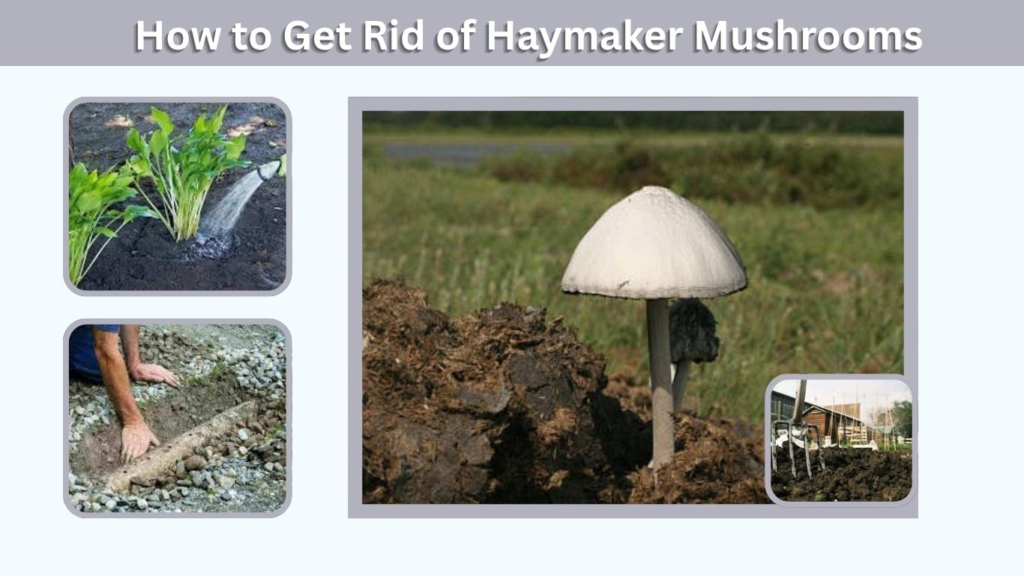
Completely eliminating haymaker mushrooms can be challenging because the visible mushrooms are only the fruiting bodies of a much larger underground fungal network. Effective control focuses on reducing favorable growing conditions rather than simply removing the mushrooms that appear on the surface.
Homeowners who consistently modify moisture levels and improve lawn conditions often experience fewer mushroom outbreaks over time.
Remove Existing Mushrooms
The simplest way to reduce immediate concerns is to remove mushrooms as soon as they appear. Prompt removal may also help reduce spore dispersal throughout the lawn.
Improve Lawn Conditions
Several maintenance practices can discourage future growth:
- Water less frequently
- Improve drainage
- Aerate compacted soil
- Remove excess thatch
- Increase sunlight exposure
- Collect grass clippings
Long-Term Prevention Tips
Successful mushroom management typically requires patience. Since fungal networks can persist underground for years, recurring mushrooms are common even after treatment efforts.
Maintaining a healthy lawn, reducing excessive moisture, and minimizing organic debris can gradually reduce mushroom populations over time.
Haymaker Mushroom Look-Alikes
Many lawn mushrooms resemble haymaker mushrooms, which is one reason accurate identification can be difficult. Small brown mushrooms are often grouped together by inexperienced observers, even though they may belong to entirely different species.
Some look-alikes may be harmless, while others could cause illness if consumed. Because visual similarities can be misleading, homeowners should avoid making assumptions based solely on color or size.
Common Brown Lawn Mushrooms
Several mushroom species share similar characteristics:
- Small brown caps
- Thin stems
- Growth in grassy areas
- Appearance after rainfall
Differences From Psilocybin Mushrooms
Haymaker mushrooms are frequently confused with certain psychoactive species because of their overall appearance. However, important differences exist in spore characteristics, coloration, and chemical composition.
Accurate identification requires examining multiple features rather than relying on general appearance alone.
FAQs
Are Haymaker Mushrooms Dangerous?
Haymaker mushrooms are generally considered low risk compared to many highly toxic mushroom species. However, they should not be eaten because toxicity reports vary and misidentification remains a concern.
Can Children Touch Haymaker Mushrooms?
Touching mushrooms is generally not harmful. However, children should be taught not to place mushrooms in their mouths or handle them unnecessarily.
Should I Remove Haymaker Mushrooms From My Yard?
Many homeowners choose to remove them, especially if children or pets regularly use the area. Removal can reduce the likelihood of accidental ingestion.
Can Dogs Get Sick From Haymaker Mushrooms?
Some dogs may experience digestive upset after consuming mushrooms. Because identification is often uncertain, veterinary consultation is recommended whenever ingestion occurs.
Do Haymaker Mushrooms Return Every Year?
Yes. If favorable conditions remain, underground fungal networks may continue producing mushrooms year after year.
Are Haymaker Mushrooms Beneficial to Soil?
Like many fungi, haymaker mushrooms contribute to the decomposition of organic matter and nutrient recycling within the soil ecosystem.