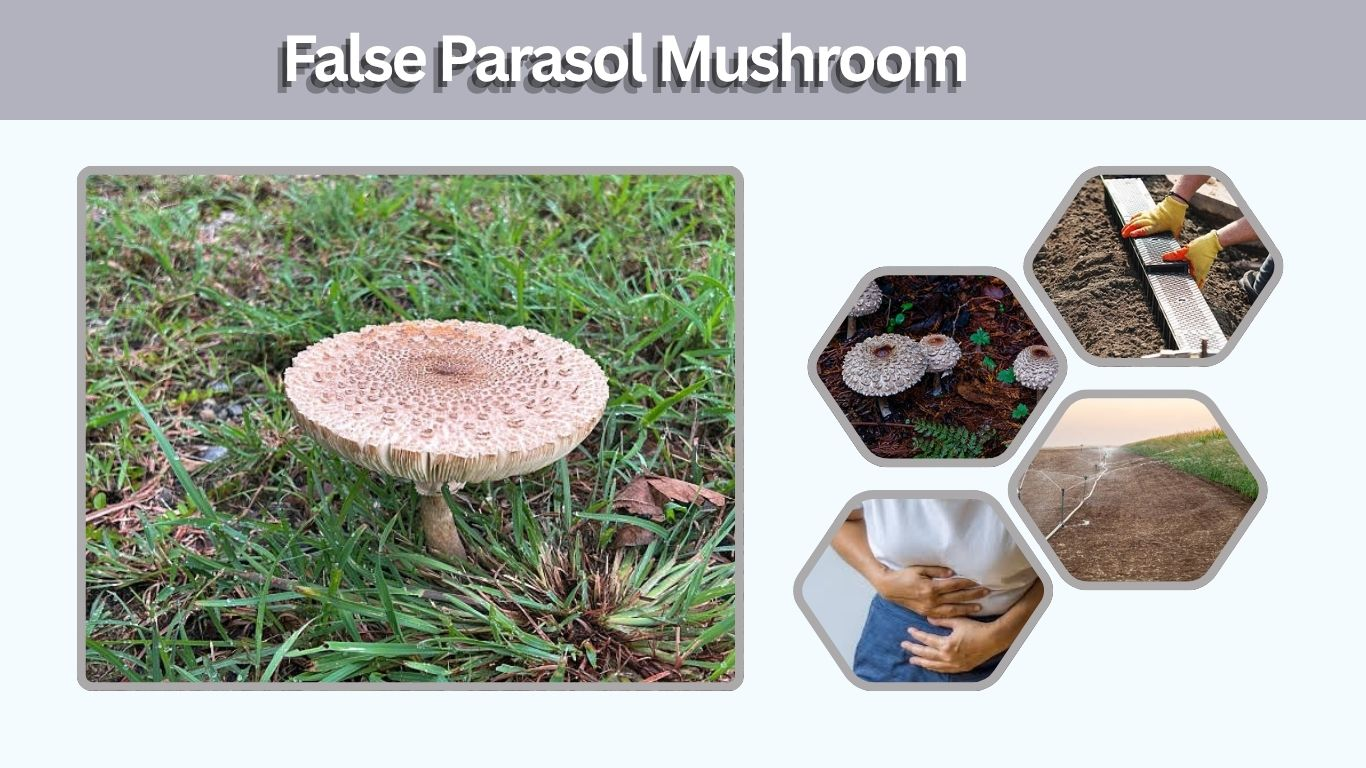
False parasol mushroom is one of the most commonly misidentified lawn mushrooms in North America. Its appearance closely resembles edible parasol species, causing many foragers and homeowners to mistake it for a safe mushroom. However, consuming a false parasol can lead to severe gastrointestinal distress and other health complications. Understanding its identifying features, habitat, and risks is essential for anyone interested in mushroom foraging or lawn maintenance. This guide explains how to recognize false parasol mushrooms, why they grow, and how to avoid accidental poisoning.
What Is a False Parasol Mushroom?
False parasol mushroom, scientifically known as Chlorophyllum molybdites, is a poisonous mushroom commonly found in lawns, gardens, parks, and other grassy areas. It thrives in warm and humid climates and often appears after periods of rainfall. Because of its large cap and umbrella-like shape, many people confuse it with edible parasol mushrooms.
Although attractive in appearance, this species is responsible for numerous cases of mushroom poisoning each year. Proper identification is crucial because visual similarities can easily mislead inexperienced mushroom hunters.
Scientific Classification
The false parasol belongs to the Agaricaceae family and is commonly referred to by several names, including the green-spored parasol and the vomiter mushroom. The nickname “vomiter” comes from the severe digestive symptoms often experienced after consumption.
Where False Parasol Mushrooms Grow
False parasol mushrooms typically grow in environments rich in organic matter. They are frequently found in residential lawns and landscaped areas where soil conditions support fungal growth.
Common locations include:
- Lawns and backyards
- Public parks
- Golf courses
- Compost-rich soil
- Mulched garden beds
- Open grassy fields
Their tendency to grow in clusters often makes them highly visible after heavy rain.
Is False Parasol Safe to Eat?
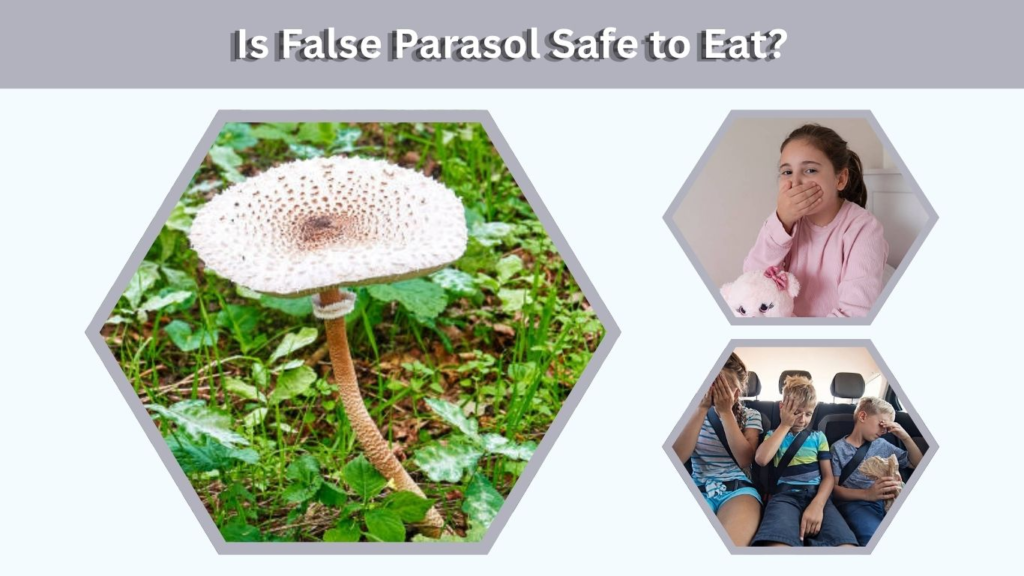
False parasol mushrooms are not considered safe to eat. Despite their resemblance to edible species, they contain toxins that can cause significant digestive distress. Many mushroom poisoning incidents occur because people mistake them for edible parasol mushrooms.
The severity of symptoms varies depending on the amount consumed and the individual’s sensitivity. While fatalities are rare, the effects can be extremely unpleasant and may require medical attention.
What Happens After Eating a False Parasol?
Individuals who consume false parasol mushrooms often experience symptoms within a few hours. The body’s reaction primarily affects the digestive system and can result in rapid fluid loss due to vomiting and diarrhea.
Common symptoms include:
- Nausea
- Severe vomiting
- Abdominal cramps
- Diarrhea
- Excessive sweating
- Weakness and fatigue
Prompt medical evaluation is recommended if mushroom poisoning is suspected.
Why People Mistake It for Edible Mushrooms
The false parasol’s cap shape and size closely resemble several edible species. Many beginners rely solely on appearance when identifying mushrooms, which increases the risk of accidental consumption. Proper identification requires examining additional characteristics such as gills, spores, and stem patterns.
How to Tell the Difference Between Parasol and False Parasol
Distinguishing between a true parasol mushroom and a false parasol is one of the most important skills for mushroom enthusiasts. While the two species share several visual characteristics, careful observation reveals critical differences.
One of the most reliable identification methods involves examining the mushroom’s spore print. False parasols produce green spores, while true parasol mushrooms produce white spores. This distinction often provides the clearest confirmation of a mushroom’s identity.
Key Identification Features
Several visible features can help separate false parasols from edible parasol species.
| Feature | False Parasol | True Parasol |
| Spore Print | Green | White |
| Gills | Greenish with age | White or cream |
| Edibility | Poisonous | Edible when properly identified |
| Stem Pattern | Less pronounced | Distinct snakeskin pattern |
| Toxicity Risk | High | Low when correctly identified |
The Importance of a Spore Print
A spore print is often considered the most dependable identification tool. To create one, place the mushroom cap on a sheet of paper and leave it for several hours. The color of the deposited spores can provide valuable information about the species.
For false parasol mushrooms, the spore print typically develops a green tint that becomes increasingly obvious as the mushroom matures.
False Parasol Mushroom Symptoms
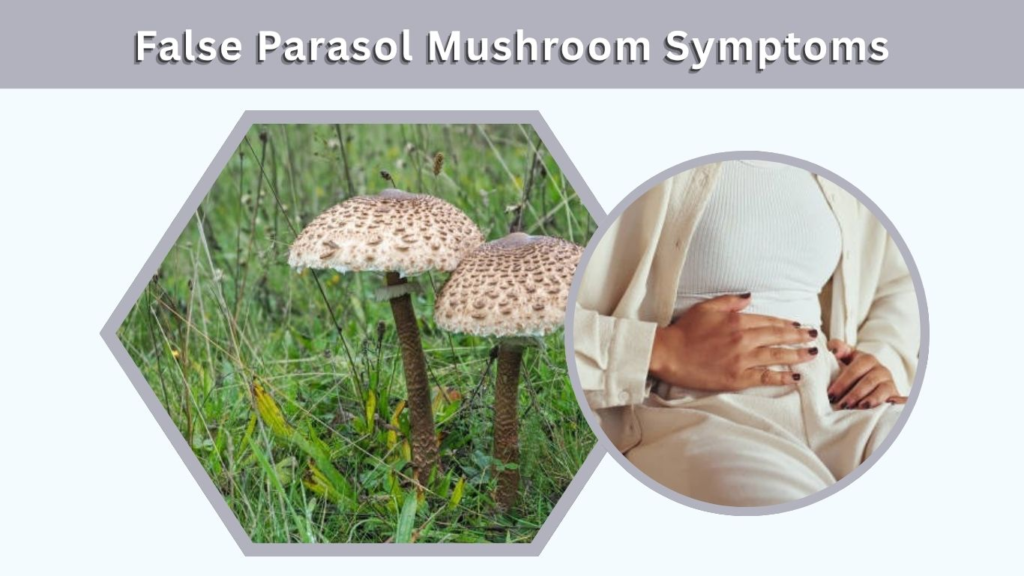
Understanding the symptoms associated with false parasol poisoning can help individuals seek timely treatment. Although symptoms generally affect the digestive system, the intensity can vary significantly between individuals.
Most cases are not life-threatening, but severe dehydration can occur if symptoms persist for an extended period.
Symptoms in Humans
The onset of symptoms usually occurs relatively quickly after ingestion. Many affected individuals report intense stomach discomfort followed by repeated vomiting and diarrhea.
Medical professionals often recommend monitoring hydration levels carefully during recovery because fluid loss can become significant.
When to Seek Medical Attention
Medical assistance should be sought when symptoms become severe or prolonged. Children, older adults, and individuals with underlying health conditions may face greater risks from dehydration and electrolyte imbalance.
Anyone uncertain about the mushroom species consumed should contact a poison control center or healthcare provider immediately for guidance.
False Parasol Mushroom and Dogs
Pet owners should be especially cautious when false parasol mushrooms appear in their yards. Dogs are naturally curious and may chew or consume mushrooms while exploring outdoor spaces. Because false parasols are toxic, ingestion can lead to digestive distress and potentially serious complications.
Monitoring outdoor areas regularly can help reduce the risk of accidental exposure. Immediate veterinary attention is recommended whenever a dog is suspected of eating an unknown mushroom.
Symptoms of Mushroom Poisoning in Dogs
Dogs may show symptoms within a few hours of consuming a false parasol mushroom. The severity depends on the amount ingested and the animal’s size and health condition.
Common warning signs include:
- Vomiting
- Diarrhea
- Excessive drooling
- Loss of appetite
- Lethargy
- Abdominal discomfort
What to Do If Your Dog Eats One
If you suspect your dog has eaten a false parasol mushroom, contact a veterinarian immediately. If possible, collect a sample or photograph of the mushroom to help with identification. Quick action can improve treatment outcomes and reduce the risk of complications.
False Parasol vs Shaggy Parasol
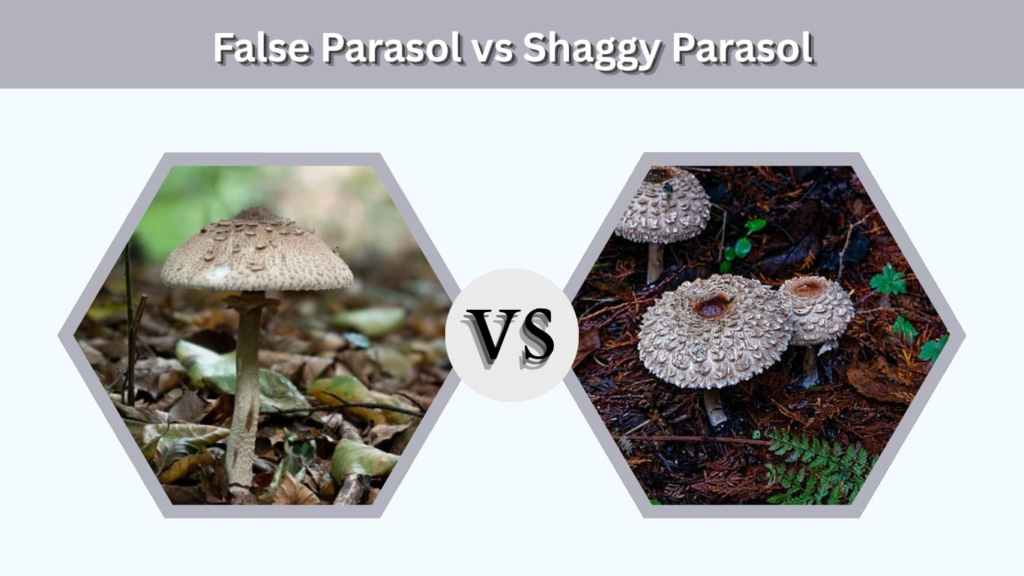
The false parasol is frequently confused with the shaggy parasol because both species share similar colors, shapes, and growing habits. This similarity can make identification challenging for inexperienced mushroom hunters.
Although some shaggy parasol species are considered edible, they can still cause digestive upset in certain individuals. Therefore, accurate identification remains essential before consuming any wild mushroom.
Similarities Between the Two Species
Both mushrooms commonly display:
- Large umbrella-shaped caps
- White to cream-colored surfaces
- Free gills beneath the cap
- Growth in lawns and grassy areas
- Ring structures on the stem
These shared characteristics explain why confusion is common.
Important Differences
One major distinction is the spore print color. False parasols produce green spores, while shaggy parasols produce white spores. Additionally, mature false parasol gills may develop a greenish tint, which serves as a useful identification clue.
Careful examination of multiple features is always recommended rather than relying on a single characteristic.
What Causes False Parasols to Grow?
False parasol mushrooms are a natural part of the ecosystem and play an important role in decomposing organic matter. Their underground fungal network feeds on decaying plant material, helping recycle nutrients back into the soil.
When environmental conditions become favorable, mushrooms emerge above ground to release spores and reproduce.
Environmental Conditions That Encourage Growth
Warm temperatures and moisture are the primary factors that stimulate mushroom development. Following periods of rain, false parasols may appear suddenly and in large numbers.
Several conditions support growth:
- High humidity
- Frequent rainfall
- Warm temperatures
- Rich organic matter
- Overwatered lawns
- Thick layers of mulch
Seasonal Growth Patterns
False parasol mushrooms are most commonly observed during late spring, summer, and early autumn. In warmer climates, they may continue appearing throughout much of the year whenever moisture levels remain high.
Their sudden appearance often surprises homeowners, but the underlying fungal network may have existed underground for years.
How to Get Rid of False Parasol Mushrooms
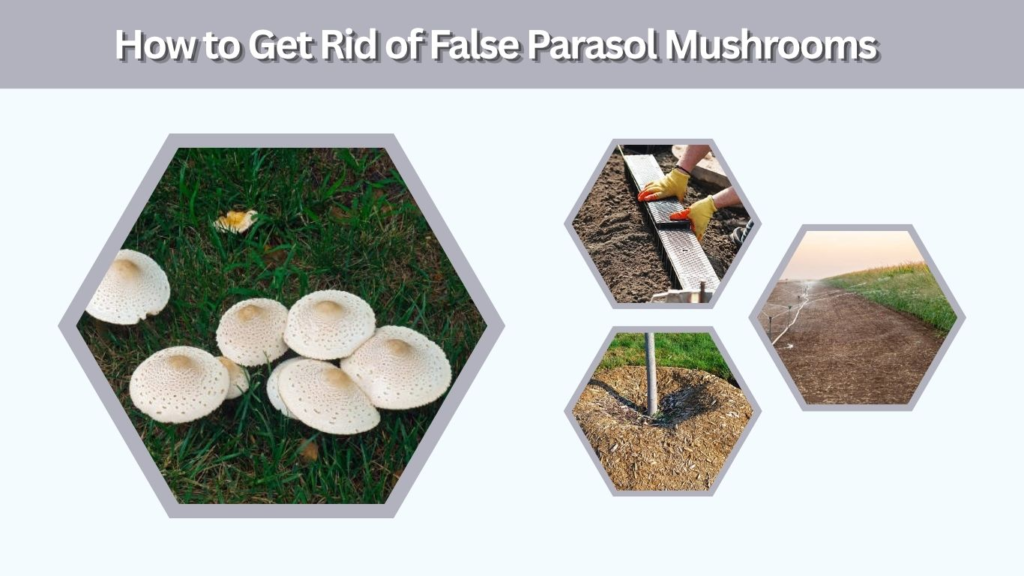
Many homeowners want to remove false parasols because of concerns about children, pets, or accidental consumption. While removing visible mushrooms can improve safety, it does not eliminate the underground fungus responsible for future growth.
Long-term management focuses on reducing the conditions that support fungal development.
Practical Removal Methods
Regular maintenance can help limit mushroom production in lawns and landscaped areas.
Effective strategies include:
- Picking mushrooms as soon as they appear
- Removing decaying organic matter
- Improving soil drainage
- Reducing excessive irrigation
- Thinning heavy mulch layers
- Increasing sunlight exposure where possible
Do Fungicides Work?
Fungicides are generally not considered an effective long-term solution. Most treatments target visible mushrooms rather than the extensive underground fungal network. As a result, mushrooms often return when environmental conditions become favorable again.
Consistent lawn care practices usually provide better results over time.
Are False Parasol Mushrooms Psychedelic?
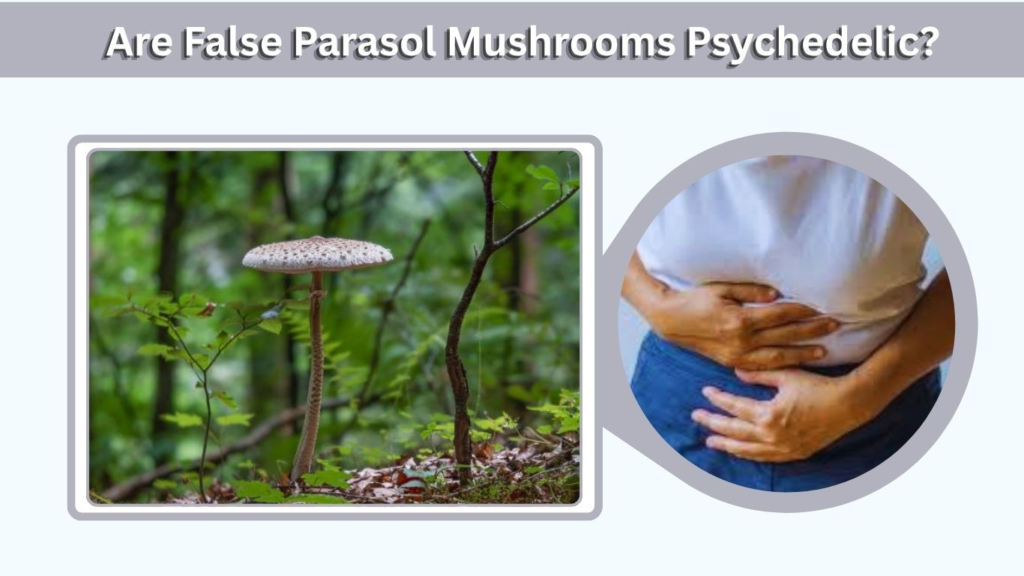
Some online discussions have led people to wonder whether false parasol mushrooms contain psychoactive compounds. This misconception can be dangerous because it may encourage experimentation with a poisonous species.
False parasol mushrooms are not psychedelic and should never be consumed for recreational purposes.
Do They Contain Psilocybin?
False parasol mushrooms do not contain psilocybin or other commonly recognized psychedelic compounds. Instead, they contain toxins that primarily affect the digestive system.
Consuming them can result in severe illness rather than hallucinogenic effects.
Risks of Experimenting With Wild Mushrooms
Misidentifying wild mushrooms is one of the leading causes of mushroom poisoning. Many toxic species closely resemble edible or psychoactive varieties, making amateur identification risky.
Experts recommend avoiding consumption of any mushroom that cannot be positively identified with certainty.
FAQs
Can You Touch a False Parasol Mushroom?
Yes. Touching a false parasol mushroom is generally considered safe. The toxins are harmful when ingested, not through casual skin contact. However, washing hands after handling wild mushrooms is always recommended.
What Color Are False Parasol Spores?
False parasol mushrooms produce a green spore print, which is one of the most reliable identification features.
Why Do False Parasols Keep Growing in My Yard?
Their underground fungal network feeds on organic matter in the soil. As long as favorable conditions exist, new mushrooms may continue to emerge.
Are False Parasol Mushrooms Deadly?
Fatalities are extremely rare, but severe gastrointestinal illness and dehydration can occur. Medical attention may be necessary in serious cases.