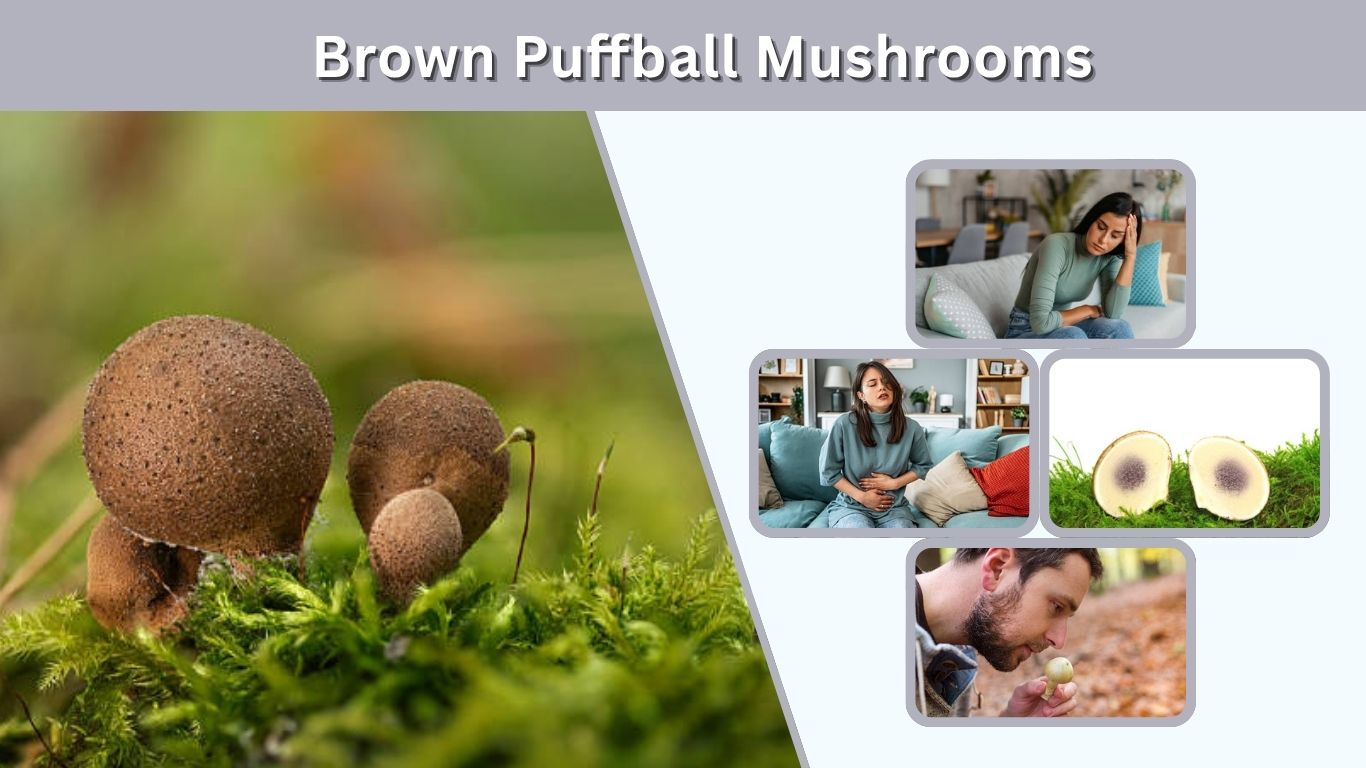
Brown puffball mushrooms often catch attention in lawns and forests, especially when they release a cloud of dusty spores. While puffballs are known for being edible at a young stage, their brown form raises important safety questions. Many people search to understand whether these mushrooms are safe to eat, poisonous, or simply overripe. This guide explains how to identify brown puffballs, what their color changes mean, and how to avoid common mistakes when dealing with them in nature.
What Are Puffball Mushrooms?
Puffball mushrooms are a group of fungi that grow in rounded shapes without visible gills or caps. Unlike traditional mushrooms, they produce spores internally and release them through an opening when mature. These fungi are commonly found in grassy areas, forests, and even on decaying wood.
Key Characteristics
- Ball-shaped or slightly flattened structure
- Smooth or textured outer surface
- No visible stem or gills
- Release spores as a “smoke-like” cloud when pressed
Why Puffballs Turn Brown
- Natural aging process of the mushroom
- Development of spores inside the fruiting body
- Transition from edible stage to reproductive stage
Types of Brown Puffball Mushrooms
The term “brown puffball” does not refer to a single species. Instead, it can describe several types of puffballs or simply indicate that the mushroom has matured.
Common Species
- Giant puffball (Calvatia gigantea), which becomes brown as it ages
- Pear-shaped puffball (Lycoperdon pyriforme), often found on wood
- Umber-brown puffball (Lycoperdon umbrinum), naturally darker in color
- Gem-studded puffball (Lycoperdon perlatum), with a textured surface
Brown Puffball Mushroom Identification
Identifying puffball mushrooms correctly is essential, especially when determining whether they are safe or not. One of the most reliable methods is examining both the outside and the inside of the mushroom.
Exterior Features
- Colors range from tan to dark brown depending on age
- Surface may appear smooth, cracked, or slightly spiny
- Sizes vary from small lawn mushrooms to large, football-sized puffballs
Interior Inspection
Cutting the mushroom open is the most important step in identification. A fresh puffball will have a solid, white interior. As it ages, this interior begins to change color, becoming yellow, olive, and eventually brown. Once it reaches the brown stage, it is filled with spores and no longer suitable for consumption.
Puffball Mushroom Inside: What the Color Means

The inside of a puffball mushroom tells you everything about its condition. When young, the interior is firm, white, and uniform, indicating that it is fresh. As the mushroom matures, the texture becomes softer and the color begins to shift. Yellow or olive tones signal the early stages of aging, while a fully brown or powdery interior means the mushroom has reached maturity. At this point, it functions as a spore-producing structure rather than a food source.
Are Brown Puffball Mushrooms Edible?
Brown puffball mushrooms are not considered edible. While young puffballs are sometimes used in cooking, their edible stage exists only when the inside is completely white. Once the mushroom turns brown, the internal structure breaks down and fills with spores, resulting in a dry, dusty consistency. This not only makes the mushroom unpleasant to eat but also unsuitable for consumption.
Are Brown Puffball Mushrooms Poisonous?

Brown puffball mushrooms are generally not considered highly toxic, but they are still unsafe to eat. The biggest concern is misidentification. Some dangerous mushrooms look similar to puffballs in early stages, and consuming the wrong species can lead to serious health problems. Even true puffballs, once brown, are no longer suitable for consumption due to their spore-filled interior.
Common Risks
- Confusing puffballs with poisonous earthballs (Scleroderma species)
- Mistaking immature toxic mushrooms for edible puffballs
- Eating overripe mushrooms that may cause digestive discomfort
Symptoms to Watch For
- Nausea and vomiting
- Abdominal pain
- Dizziness or weakness
- In severe cases, poisoning complications
Giant Brown Puffball Mushroom: What to Know

Giant puffball mushrooms are popular among foragers because of their size and edible potential when young. However, once they turn brown, they lose all culinary value. The transformation from white to brown indicates that the mushroom has matured and is now focused on reproduction rather than growth.
Key Points
- Only edible when completely white inside
- Brown color means the mushroom is overripe
- Interior becomes dry and powdery with spores
- Should always be cut open before deciding to eat
Small Brown Puffballs in Lawns
Small brown puffballs are commonly seen in lawns, especially after rain or in humid weather. They grow from organic matter in the soil and are part of the natural decomposition process. While they may look harmless, they should not be consumed without proper identification.
Why They Appear
- Moist soil conditions
- Presence of decaying organic material
- Warm temperatures and seasonal growth
Are They Harmful?
- Generally harmless to grass and soil
- Not toxic to touch
- Unsafe for eating when brown
Puffball Mushroom “Smoke” Explained
The “smoke” released from brown puffball mushrooms is actually a cloud of spores. When the outer surface is disturbed—by touch, wind, or rain—the spores are pushed out into the air. This is how puffballs reproduce and spread to new locations. Although this spore cloud is usually not dangerous, inhaling large amounts may irritate the respiratory system, especially for sensitive individuals.
Brown Puffball Mushrooms and Pets
Pets, especially dogs, may come into contact with puffball mushrooms in lawns or outdoor areas. While many puffballs are not severely toxic, ingestion can still cause mild to moderate health issues depending on the condition of the mushroom and the amount consumed.
Risks for Pets
- Accidental ingestion during play
- Curiosity leading to chewing mushrooms
- Exposure to unknown or misidentified species
What to Do
- Remove mushrooms from areas pets frequent
- Monitor for symptoms like vomiting or lethargy
- Contact a veterinarian if ingestion is suspected
Key Differences Between Edible and Unsafe Puffballs
Understanding the difference between edible and unsafe puffballs is crucial for safety. The internal color is the most reliable indicator of whether a puffball is suitable for consumption.
Edible Puffballs
- Completely white interior
- Firm and uniform texture
- No signs of discoloration
Unsafe Puffballs
- Brown, yellow, or dark interior
- Soft, powdery, or crumbly texture
- Strong indication of maturity or spoilage
Conclusion
Brown puffball mushrooms are a natural part of the fungal lifecycle, but they are not suitable for eating. Their color change signals maturity and spore development, which makes them inedible. Proper identification is essential, as lookalike species can pose real health risks. Always check the interior of a puffball before considering consumption, and when in doubt, avoid eating wild mushrooms altogether.
FAQs
Are brown puffball mushrooms edible?
No, brown puffball mushrooms are not edible. Once the inside turns brown, the mushroom has matured and is filled with spores. At this stage, it loses its texture and flavor, making it unsuitable for consumption.
Can you eat a puffball when it’s brown inside?
You should never eat a puffball that is brown inside. The color change indicates that it is no longer fresh and has entered its reproductive stage, which makes it inedible and potentially harmful if misidentified.
Are brown puffball mushrooms poisonous?
Most brown puffballs are not highly poisonous, but they should still not be eaten. The greater danger lies in confusing them with toxic lookalike mushrooms, which can cause serious health issues.
What is the brown smoke from puffball mushrooms?
The brown smoke is actually a cloud of spores released when the mushroom is disturbed. This is part of the puffball’s natural reproduction process and helps spread the fungus to new areas.
Why are puffballs growing in my lawn?
Puffballs grow in lawns due to moisture and organic material in the soil. They are common after rain and in warm conditions. While they are not harmful to grass, they should not be eaten unless properly identified.