
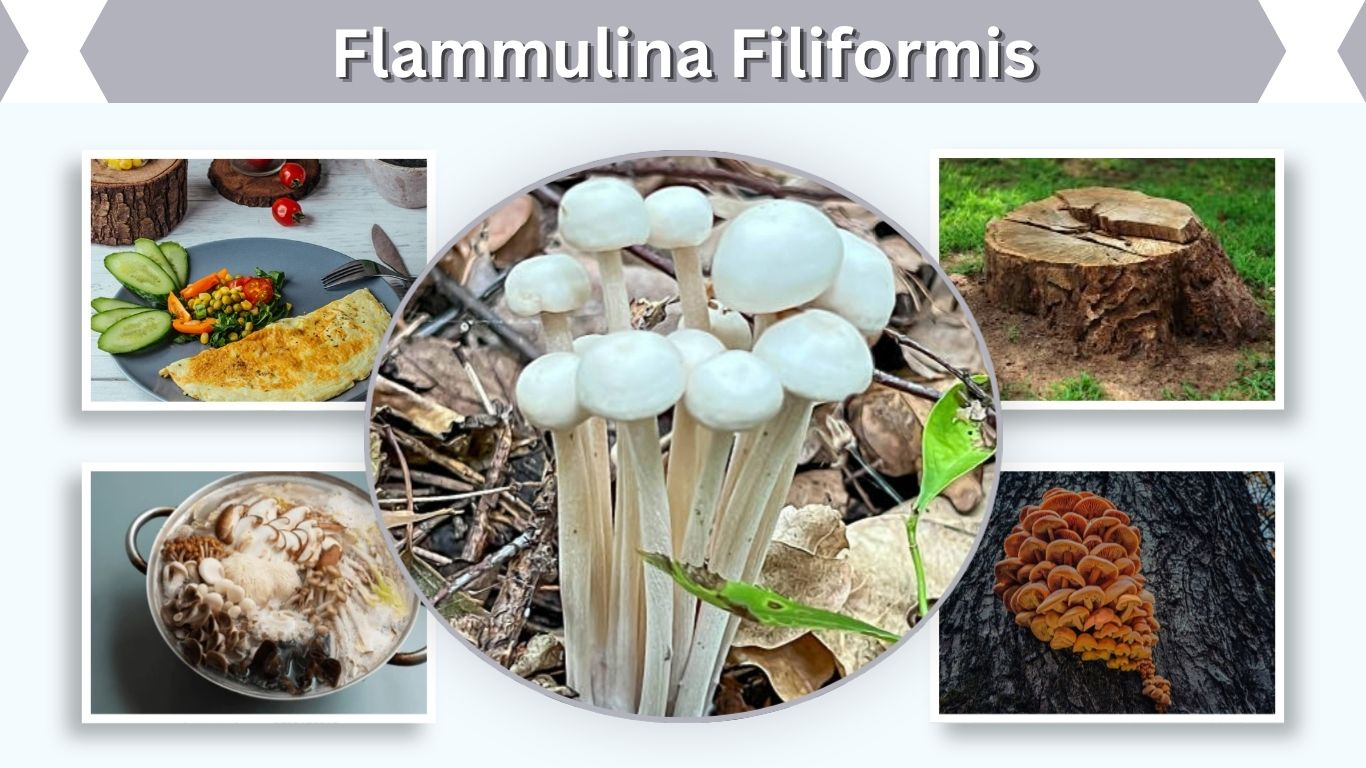
Flammulina filiformis is an edible mushroom best known as enoki, enokitake, or golden needle mushroom. It is famous for its long white stems, tiny caps, mild flavor, and crisp texture. Common in East Asian cooking, this mushroom is used in soups, hot pots, stir-fries, noodle dishes, and salads. It is also valued for its unique appearance and easy cooking style.
What Is Flammulina Filiformis?
Flammulina filiformis is a gilled mushroom in the family Physalacriaceae. It is one of the mushrooms commonly sold as enoki in grocery stores and Asian markets. The cultivated form usually looks very different from the wild form because it is grown under controlled conditions.
Common Names
Flammulina filiformis is known by several names depending on region, language, and food culture. These names often describe its shape, color, or traditional use in cooking.
Common names include:
- Enoki mushroom
- Enokitake
- Golden needle mushroom
- Lily mushroom
- Winter mushroom
- Velvet shank, although this name is also used for related species
The name “golden needle mushroom” comes from its long, thin shape. In stores, cultivated enoki often appears pale white, but wild forms can be yellowish, orange, or brown.
Scientific Classification
Flammulina filiformis was once treated as very close to, or part of, Flammulina velutipes. More recent DNA-based research separated East Asian cultivated enoki from the European species. This is why older books, websites, or recipes may still use the name Flammulina velutipes for enoki mushrooms.
| Feature | Details |
|---|---|
| Scientific name | Flammulina filiformis |
| Common food name | Enoki mushroom |
| Mushroom type | Edible gilled mushroom |
| Family | Physalacriaceae |
| Growth habit | Grows on dead or decaying wood |
| Texture | Crisp, tender, slightly chewy |
| Flavor | Mild, delicate, slightly nutty |
| Common use | Soups, hot pots, stir-fries, noodles |
What Does Flammulina Filiformis Look Like?
Cultivated Flammulina filiformis is easy to recognize. It usually grows in tight clusters with long, slender stems and small rounded caps. The mushrooms are often sold with their base attached, which should be trimmed before cooking.
Cultivated Appearance
The enoki mushrooms sold in stores are usually thin, pale, and delicate. They are often grown in low-light conditions, which helps produce their white color and long stems. The stems may be several inches long, while the caps remain small.
Cultivated enoki usually has:
- Long white stems
- Small white caps
- Tight clusters
- A firm root-like base
- Crisp texture
- Mild smell
This form is popular because it looks attractive in dishes and cooks quickly.
Wild Appearance
Wild Flammulina species can look quite different from supermarket enoki. Wild mushrooms may have shorter stems, darker caps, and a more golden or brown color. Sunlight and natural outdoor conditions affect their appearance.
Because wild mushrooms can be confused with unsafe species, beginners should not forage or eat wild mushrooms without expert identification.
Where Does Flammulina Filiformis Grow?
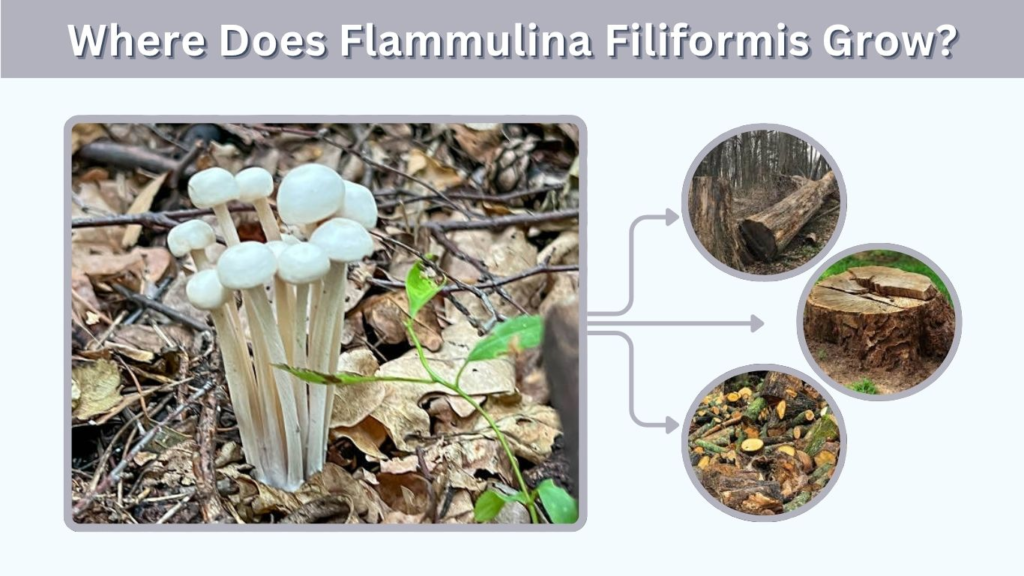
Flammulina filiformis is associated with wood. In nature, it grows on dead or decaying hardwood, stumps, logs, and tree bases. It is especially known from East Asia, where it has a long history as a food mushroom.
Natural Habitat
In the wild, Flammulina filiformis grows as a decomposer. This means it helps break down dead wood and recycle nutrients in forest ecosystems. It may appear during cooler seasons, which is why related mushrooms are often called winter mushrooms.
Its natural habitat may include:
- Dead hardwood trees
- Tree stumps
- Fallen logs
- Forest edges
- Moist wooded areas
- Cool-season fruiting sites
As a saprotrophic mushroom, it does not need living plants as food. Instead, it feeds on dead organic material.
Commercial Cultivation
Commercial enoki mushrooms are grown indoors in controlled environments. Growers manage temperature, humidity, airflow, light, and growing medium to create the long, pale mushrooms consumers recognize.
This controlled method allows year-round production. It also creates a consistent shape, color, and texture that is useful for restaurants and home kitchens.
Flammulina Filiformis Nutrition
Flammulina filiformis is a low-calorie food that can add texture, fiber, and nutrients to meals. Like many mushrooms, it is mostly water but also contains small amounts of protein, minerals, and beneficial plant compounds.
Nutritional Profile
Enoki mushrooms are often used as a light ingredient because they add volume without being heavy. They are commonly included in soups and hot pots because they absorb flavors well while keeping some crunch.
Flammulina filiformis may provide:
- Dietary fiber
- Small amounts of protein
- B vitamins
- Potassium
- Antioxidant compounds
- Low calories
- Low fat
The exact nutrition depends on freshness, growing conditions, serving size, and cooking method.
Are Enoki Mushrooms Healthy?
Enoki mushrooms can be part of a healthy diet when cooked and handled properly. They are not a magic food, but they can support a balanced meal because they are light, versatile, and nutrient-containing.
They work especially well in meals with vegetables, lean protein, noodles, rice, tofu, seafood, or broth. Their mild flavor makes them easy to add without overpowering a dish.
How to Cook Flammulina Filiformis
Flammulina filiformis cooks quickly. Its delicate texture means it does not need long cooking times. In many dishes, enoki is added near the end so it stays slightly crisp.
Preparing Enoki Mushrooms
Before cooking, remove the firm base where the stems are joined. This bottom part can be tough or dirty. After trimming, gently separate the mushroom strands with your fingers.
Basic preparation steps:
- Cut off the root base.
- Separate the clusters.
- Rinse briefly if needed.
- Pat dry or drain well.
- Add near the end of cooking.
- Avoid overcooking for too long.
Some packaged enoki mushrooms may already look clean, but trimming the base is still recommended.
Best Cooking Uses
Flammulina filiformis is popular because it works in many dishes. It absorbs sauces and broths while adding a pleasant texture.
Common uses include:
- Hot pot
- Miso soup
- Ramen
- Pho
- Stir-fries
- Rice bowls
- Spring rolls
- Omelets
- Mushroom side dishes
- Grilled bundles
Enoki pairs well with soy sauce, garlic, ginger, sesame oil, scallions, chili, tofu, beef, chicken, seafood, and leafy greens.
Flavor and Texture
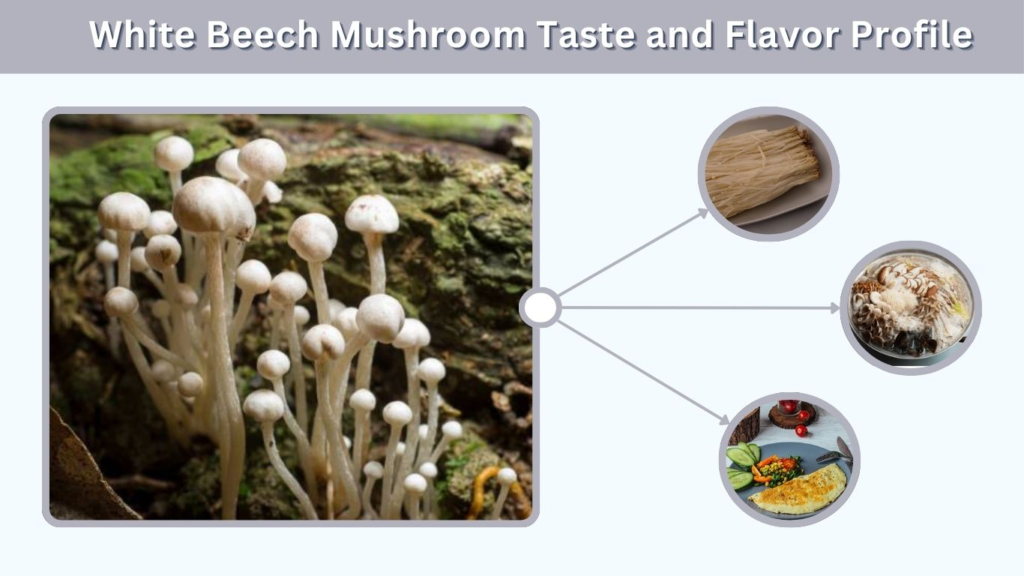
Flammulina filiformis has a mild, slightly nutty, and delicate flavor. It is not as earthy or strong as some other mushrooms. This makes it useful in dishes where texture matters as much as taste.
Why People Like It
The biggest appeal of enoki is its texture. When lightly cooked, the stems remain crisp and slightly chewy. This texture makes soups, noodles, and hot pots more interesting.
Its mild taste also makes it beginner-friendly. People who dislike stronger mushrooms may still enjoy enoki because it blends easily with sauces and broths.
Can You Eat It Raw?
It is safer to cook enoki mushrooms before eating. Cooking improves texture, reduces food safety risks, and makes the mushroom easier to include in hot meals. Because packaged mushrooms can carry bacteria if mishandled, proper storage and cooking are important.
Food Safety and Storage
Like all fresh mushrooms, Flammulina filiformis should be stored carefully. It is delicate and can spoil if kept too long or stored in wet conditions.
How to Store Enoki Mushrooms
Fresh enoki should be kept in the refrigerator. It is best used within a few days of purchase, although exact shelf life depends on freshness and packaging.
Storage tips include:
- Keep refrigerated.
- Avoid leaving it at room temperature.
- Do not store it in standing water.
- Use before it becomes slimy.
- Discard mushrooms with sour odor, mold, or dark wet spots.
- Keep separate from raw meat or seafood.
If the package has a use-by date, follow it. Once opened, use the mushrooms soon for the best quality.
Cooking Safety
Enoki mushrooms should be cooked thoroughly, especially for children, older adults, pregnant people, and anyone with a weakened immune system. Cooking helps reduce potential microbial risks.
Do not use mushrooms that smell bad, feel slimy, or show signs of spoilage. Fresh enoki should smell mild and clean.
Flammulina Filiformis vs Flammulina Velutipes
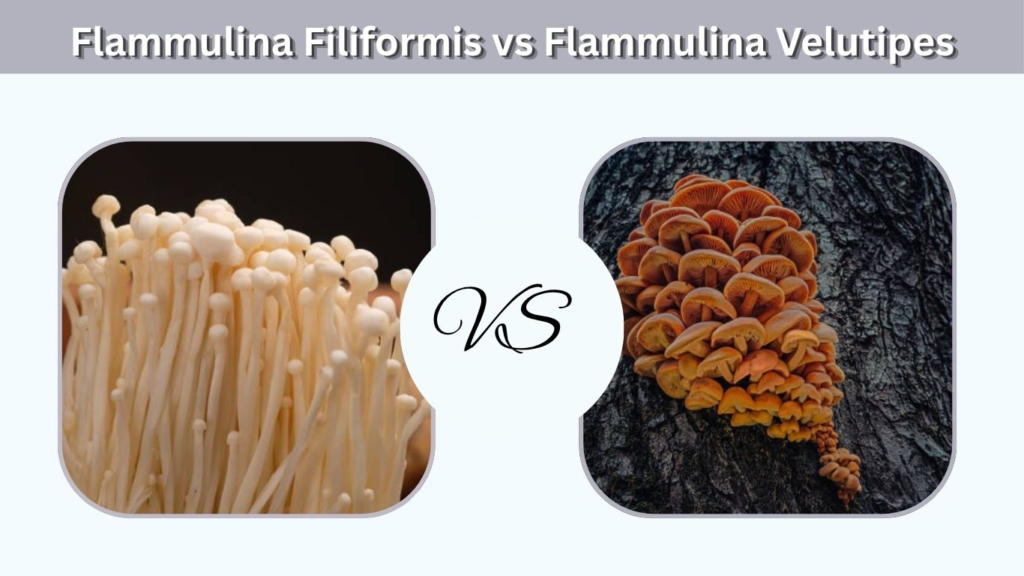
Flammulina filiformis and Flammulina velutipes are closely related, and their names are often confused. For many years, cultivated enoki was commonly labeled as Flammulina velutipes. However, modern taxonomy recognizes Flammulina filiformis as a distinct species associated with East Asian enoki.
Why the Names Are Confusing
The confusion comes from older classification systems and the fact that related Flammulina mushrooms can look similar. Scientific names can change when researchers study DNA, geography, and physical features more closely.
In cooking, the difference usually matters less than in science. Most shoppers simply know the mushroom as enoki. However, for accurate writing, research, or cultivation, Flammulina filiformis is an important name to recognize.
Growing Flammulina Filiformis
Flammulina filiformis is widely cultivated because it grows well under controlled conditions. Commercial farms use special methods to produce the long white stems that consumers expect.
Basic Cultivation Conditions
Enoki cultivation usually requires controlled humidity, temperature, airflow, and light. The mushroom is grown on a prepared substrate, often based on sawdust or other plant material.
Commercial growers manage conditions to encourage:
- Long stems
- Small caps
- Pale color
- Clustered growth
- Clean appearance
- Consistent harvests
Growing mushrooms at home requires cleanliness and proper technique. Contamination is a common problem for beginners, so using reliable grow kits or trusted instructions is safer than guessing.
Why Cultivated Enoki Is White
Cultivated enoki is usually white because it is grown with limited light. In the wild, exposure to natural conditions can lead to darker caps and shorter stems. This is why supermarket enoki can look very different from wild mushrooms.
FAQs
What is Flammulina filiformis?
Flammulina filiformis is an edible gilled mushroom commonly known as enoki or enokitake. It is widely used in East Asian cooking and is recognized by its long white stems, small caps, mild flavor, and crisp texture.
Is Flammulina filiformis the same as enoki?
Yes, Flammulina filiformis is one of the main mushrooms sold as enoki. Older sources may call enoki Flammulina velutipes, but modern taxonomy separates East Asian cultivated enoki as Flammulina filiformis.
Can you eat Flammulina filiformis?
Yes, Flammulina filiformis is edible and commonly eaten in soups, hot pots, stir-fries, noodle dishes, and side dishes. It should be stored properly and cooked before eating for better safety and texture.
What does Flammulina filiformis taste like?
Flammulina filiformis has a mild, delicate, slightly nutty flavor. Its texture is crisp and lightly chewy when cooked briefly. It absorbs broth and sauces well, making it useful in many Asian-style dishes.
How do you cook Flammulina filiformis?
Trim off the firm base, separate the stems, and add the mushrooms to soups, hot pots, stir-fries, or noodles. They cook quickly, so they are often added near the end to keep their crisp texture.