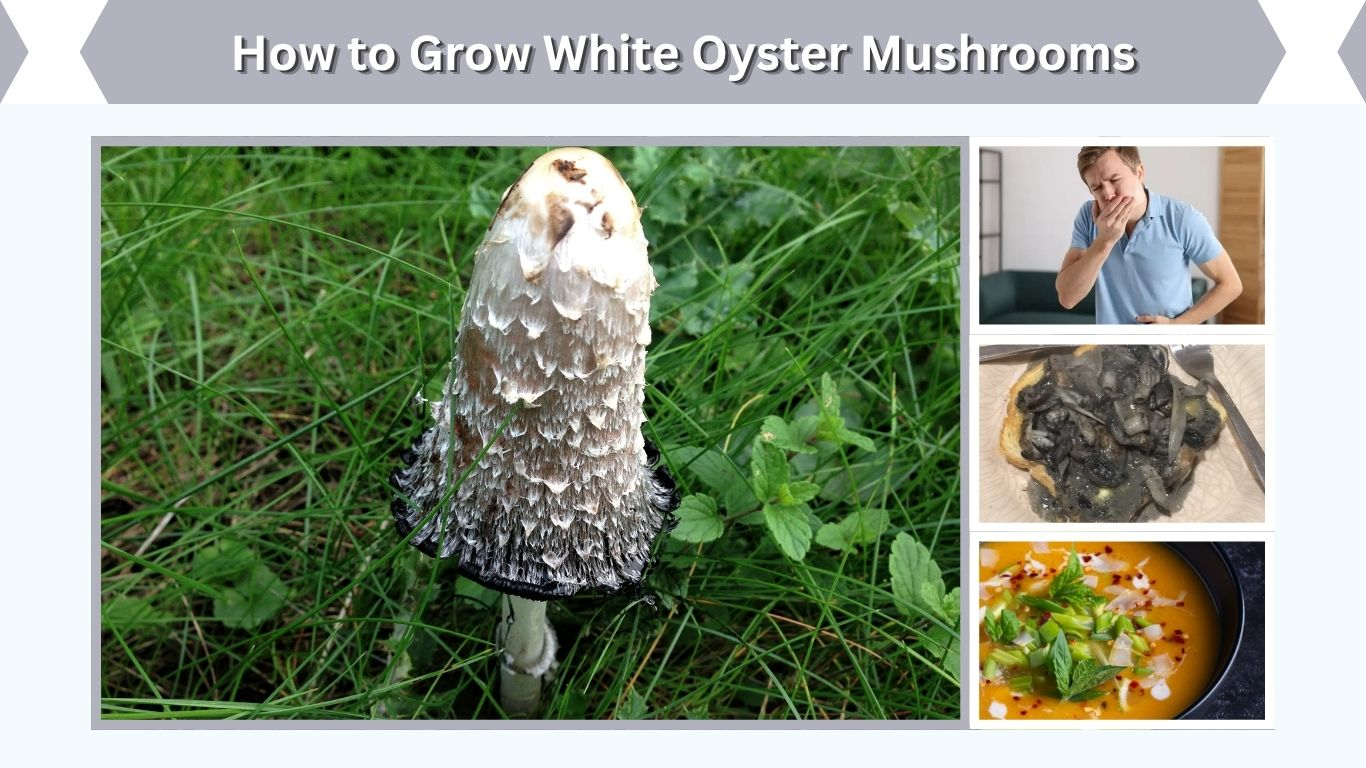
Inky cap mushrooms are among the most fascinating fungi found in gardens, lawns, forests, and woodlands worldwide. They are known for their unusual ability to dissolve into a black, ink-like liquid as they mature. This unique characteristic has made them a favorite subject among mushroom enthusiasts, foragers, and nature lovers. While some inky cap species are edible and highly prized, others can cause adverse reactions when combined with alcohol. Understanding their identification, habitat, and safety considerations is essential before harvesting or consuming them.
What Are Inky Cap Mushrooms?
Inky cap mushrooms belong to a group of fungi commonly referred to as coprinoid mushrooms. They are famous for a natural process called deliquescence, in which the cap and gills gradually break down into a black liquid. This process helps disperse spores more effectively into the environment.
These mushrooms are typically short-lived and can change dramatically within hours. Their unusual appearance and rapid transformation make them one of the most recognizable mushroom groups in nature.
What Makes an Inky Cap “Inky”?
The defining feature of an inky cap mushroom is its ability to self-digest as it matures. Instead of releasing spores through conventional means, the mushroom converts parts of its fruiting body into a dark liquid that carries spores away.
This process offers several advantages:
- Improves spore distribution
- Reduces competition among spores
- Allows efficient reproduction
- Creates the characteristic black “ink” appearance
The transformation often begins at the edges of the cap and gradually progresses upward until much of the mushroom has liquefied.
Scientific Classification of Inky Caps
The term “inky cap” does not refer to a single species. Instead, it includes several related mushrooms from different genera. Many species were once classified under the genus Coprinus, although modern research has reassigned many of them to other groups.
Common inky cap genera include:
- Coprinus
- Coprinopsis
- Coprinellus
- Parasola
Despite their taxonomic differences, these mushrooms share similar growth habits and the famous inky dissolution process.
Common Types of Inky Cap Mushrooms
Several species fall under the inky cap umbrella. While they share common characteristics, each has unique features that help with identification.
Common Inky Cap (Coprinopsis atramentaria)
The common inky cap is one of the most frequently encountered species. It usually appears in clusters on lawns, roadsides, and disturbed ground.
This mushroom has a gray to gray-brown cap that becomes darker as it ages. It is particularly known because consuming alcohol before or after eating it may cause unpleasant reactions.
Shaggy Mane (Coprinus comatus)
The shaggy mane is often considered one of the finest edible wild mushrooms. It features a tall white cap covered with shaggy scales and eventually undergoes the same inky transformation seen in other species.
Unlike the common inky cap, shaggy mane mushrooms generally do not cause alcohol-related reactions. However, they must be harvested and cooked quickly before they begin to deteriorate.
Glistening Inky Cap (Coprinellus micaceus)
The glistening inky cap is easily recognized by tiny sparkling granules covering its cap when young. These mushrooms commonly grow in clusters around decaying wood and tree roots.
Their attractive appearance and widespread distribution make them one of the most commonly photographed inky cap species.
How to Identify Inky Cap Mushrooms
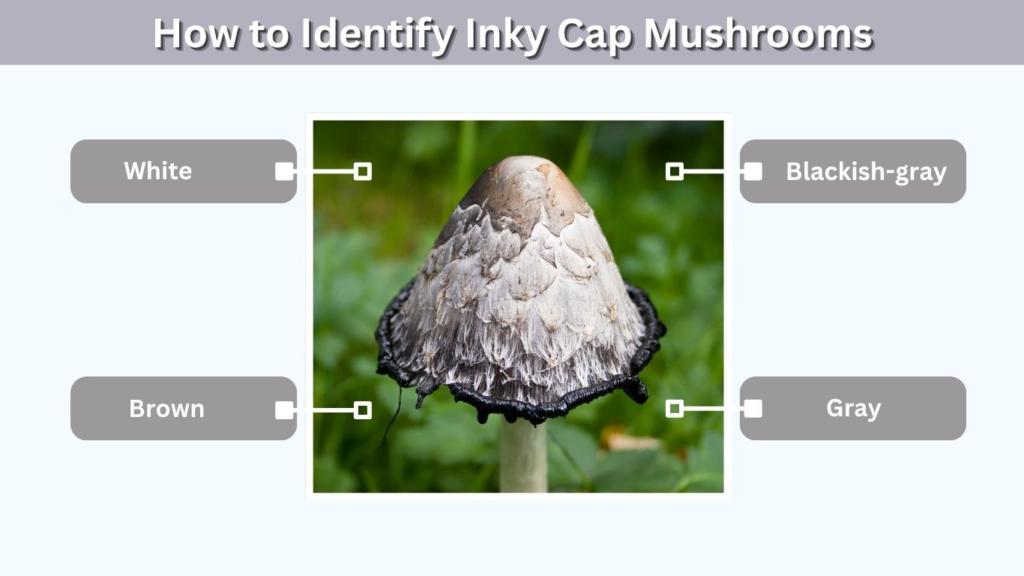
Proper identification is essential because not all mushrooms that resemble inky caps are safe to consume. Observing key features can help distinguish them from other species.
Cap Characteristics
Most inky caps begin with an egg-shaped or bell-shaped cap. As they mature, the cap expands and eventually starts to dissolve from the edges.
Color varies depending on the species and may include:
- White
- Gray
- Brown
- Blackish-gray
The surface may appear smooth, scaly, or covered with tiny glittering particles.
Gills and Underside Features
The underside of an inky cap provides important clues for identification. Young specimens typically have white gills that gradually turn pink, gray, and eventually black.
As the mushroom ages, the gills soften and begin converting into the characteristic black liquid. This process is one of the easiest ways to recognize a true inky cap mushroom.
Stem Features
Inky cap stems are usually long, slender, and hollow. They are often white or cream-colored and lack the thick, robust structure seen in many other mushroom species.
The stem remains relatively intact even as the cap begins to liquefy, creating the distinctive appearance associated with mature inky caps.
Where Do Inky Cap Mushrooms Grow?
Inky cap mushrooms thrive in environments rich in organic matter. They are commonly found in lawns, gardens, parks, forest edges, and areas containing decaying wood.
Many species appear after rainfall when moisture levels are high. Their fruiting bodies often emerge rapidly and may disappear within a day or two. Because of this short lifespan, mushroom hunters frequently encounter them in different stages of development throughout the growing season.
Preferred Growing Conditions
These mushrooms favor nutrient-rich soil and decomposing organic materials. They play an important ecological role by breaking down dead plant matter and recycling nutrients back into the ecosystem.
Are Inky Cap Mushrooms Edible?
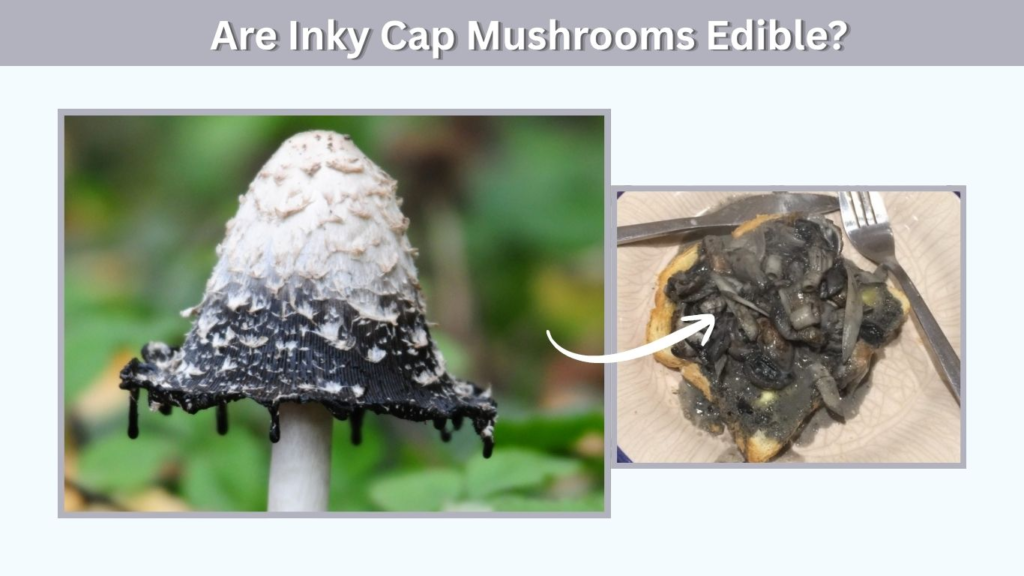
Many people ask whether inky cap mushrooms are edible, and the answer depends on the species. Some inky caps are safe and enjoyable when young, while others require serious caution. Proper identification, freshness, and preparation are essential before eating any wild mushroom.
Edible Inky Cap Species
Some inky caps are commonly eaten by experienced foragers. The shaggy mane is the most popular edible type because of its mild flavor and soft texture. It should be harvested while the cap is still white and firm.
Edible options may include:
- Shaggy mane
- Young glistening inky cap
- Some young common inky caps with caution
Any mushroom that has begun turning black or slimy should not be eaten.
When Inky Caps Become Unsafe to Eat
Inky caps deteriorate very quickly after harvesting. Once the gills darken and the cap begins dissolving, the mushroom loses quality and may become unsuitable for cooking.
Freshness matters because these mushrooms can change within hours. Foragers should cook them soon after collection rather than storing them for later use.
Are Inky Cap Mushrooms Poisonous?
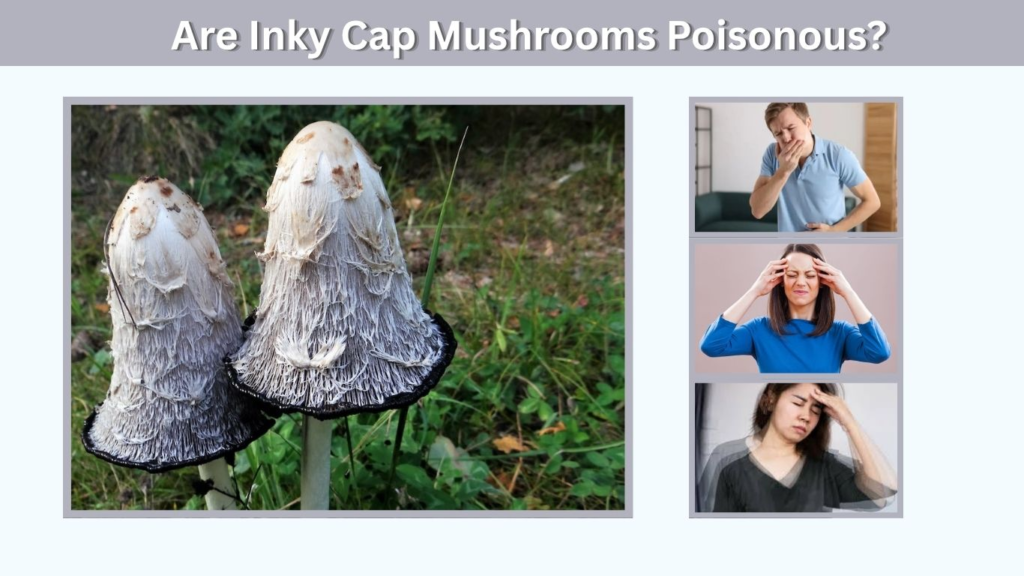
Inky cap mushrooms are not all dangerously poisonous, but some can cause unpleasant reactions. The most famous example is the common inky cap, which may interact badly with alcohol. This makes safety knowledge very important before eating them.
Inky Caps and Alcohol
The common inky cap contains a compound called coprine. This compound can interfere with the body’s ability to process alcohol. If alcohol is consumed before or after eating this mushroom, symptoms may appear.
Possible symptoms include:
- Facial flushing
- Nausea
- Headache
- Dizziness
- Rapid heartbeat
- Vomiting
Because of this reaction, many foragers avoid eating common inky caps entirely.
Are Inky Caps Hallucinogenic?
Inky cap mushrooms are not considered psychedelic or hallucinogenic. They do not belong to the same group as psilocybin mushrooms. Searches for “psychedelic inky cap mushroom” usually come from confusion or misidentification.
Eating wild mushrooms for psychoactive effects is dangerous because many toxic mushrooms can look similar to harmless ones.
Are Inky Cap Mushrooms Poisonous to Dogs?
Pet owners should be cautious if inky cap mushrooms appear in a yard or garden. While not every inky cap is highly toxic to dogs, wild mushrooms can still cause digestive upset or worse if misidentified. Dogs may eat mushrooms quickly, making prevention important.
What to Do if a Dog Eats Inky Caps
If a dog eats any unknown mushroom, the safest response is to contact a veterinarian. Try to take a clear photo of the mushroom and collect a sample if possible.
Watch for symptoms such as vomiting, diarrhea, drooling, weakness, shaking, or unusual behavior. Even if symptoms seem mild, professional advice is best because mushroom identification can be difficult.
How to Cook Inky Cap Mushrooms
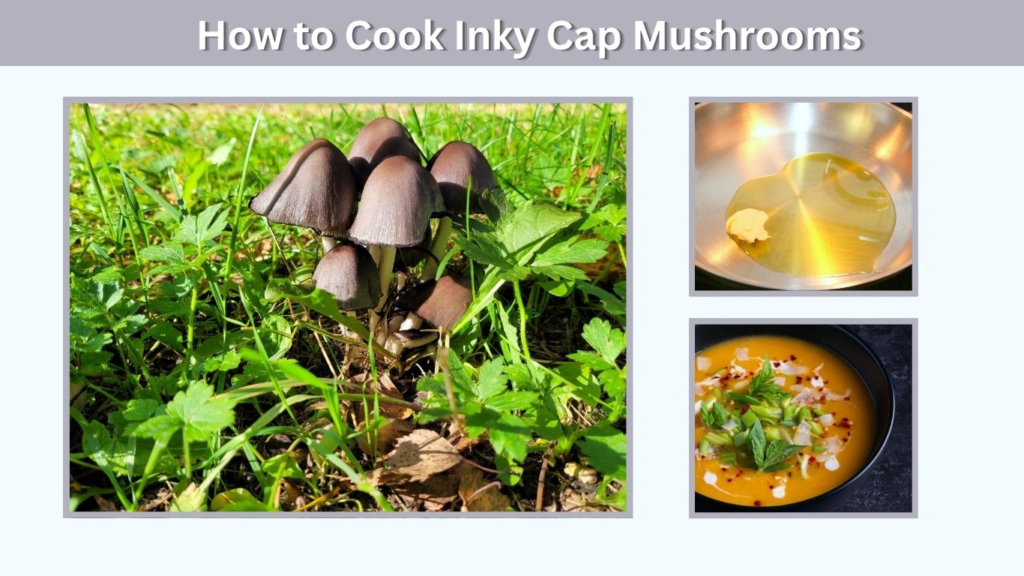
Cooking inky cap mushrooms requires speed and care. They should be used while young, firm, and fresh. Mushrooms that are blackening, melting, or slimy should be discarded.
Simple Cooking Tips
Clean the mushrooms gently with a brush or damp cloth. Avoid soaking them because they are delicate and absorb water easily. Cook them soon after harvesting.
Good cooking methods include:
- Sautéing with butter or oil
- Adding to soups
- Mixing into omelets
- Cooking with garlic and herbs
- Using in stir-fries
Never eat wild mushrooms raw unless you are absolutely certain they are safe.
Inky Cap Mushroom Ink
One of the most fascinating features of inky caps is their natural black liquid. Historically, this inky substance has been used for writing and drawing. It is created when the mushroom breaks down and releases spores into the dark fluid.
Can Inky Cap Mushrooms Be Used for Pens?
Inky cap liquid can be used as a natural ink, but it is not the same as commercial pen ink. It may work better with brushes, dip pens, or artistic experiments. Because it is organic, it may spoil unless preserved properly.
How to Get Rid of Inky Cap Mushrooms
Inky caps often appear in gardens because the soil contains decaying wood, mulch, or other organic matter. They are usually not harmful to plants and may actually help break down dead material. However, removal may be needed if pets or children are present.
Garden Control Methods
To reduce inky cap growth, remove old wood chips, buried roots, and excess organic debris. Improve drainage and avoid overwatering shaded areas. Picking mushrooms before they release spores can also reduce spread.
Complete elimination is difficult because the underground fungal network may remain in the soil.
FAQs
Are inky cap mushrooms edible?
Some inky cap mushrooms are edible when harvested young and fresh. The shaggy mane (Coprinus comatus) is one of the most popular edible species. However, proper identification is essential because not all inky caps are suitable for consumption.
Can you drink alcohol after eating inky cap mushrooms?
Certain species, especially the common inky cap (Coprinopsis atramentaria), can cause unpleasant reactions when combined with alcohol. It is generally recommended to avoid alcohol for at least 48 to 72 hours before and after consuming these mushrooms.
Are inky cap mushrooms hallucinogenic?
No. Inky cap mushrooms are not considered psychedelic or hallucinogenic. They do not contain psilocybin and should not be confused with psychoactive mushroom species.
Why do inky cap mushrooms turn into black liquid?
Inky caps undergo a natural process called deliquescence. As the mushroom matures, its cap and gills break down into a black, ink-like liquid that helps disperse spores and promote reproduction.
Where are inky cap mushrooms commonly found?
Inky cap mushrooms typically grow in lawns, gardens, parks, forest edges, compost-rich soil, and around decaying wood. They often appear after rainfall and thrive in areas with abundant organic matter.