
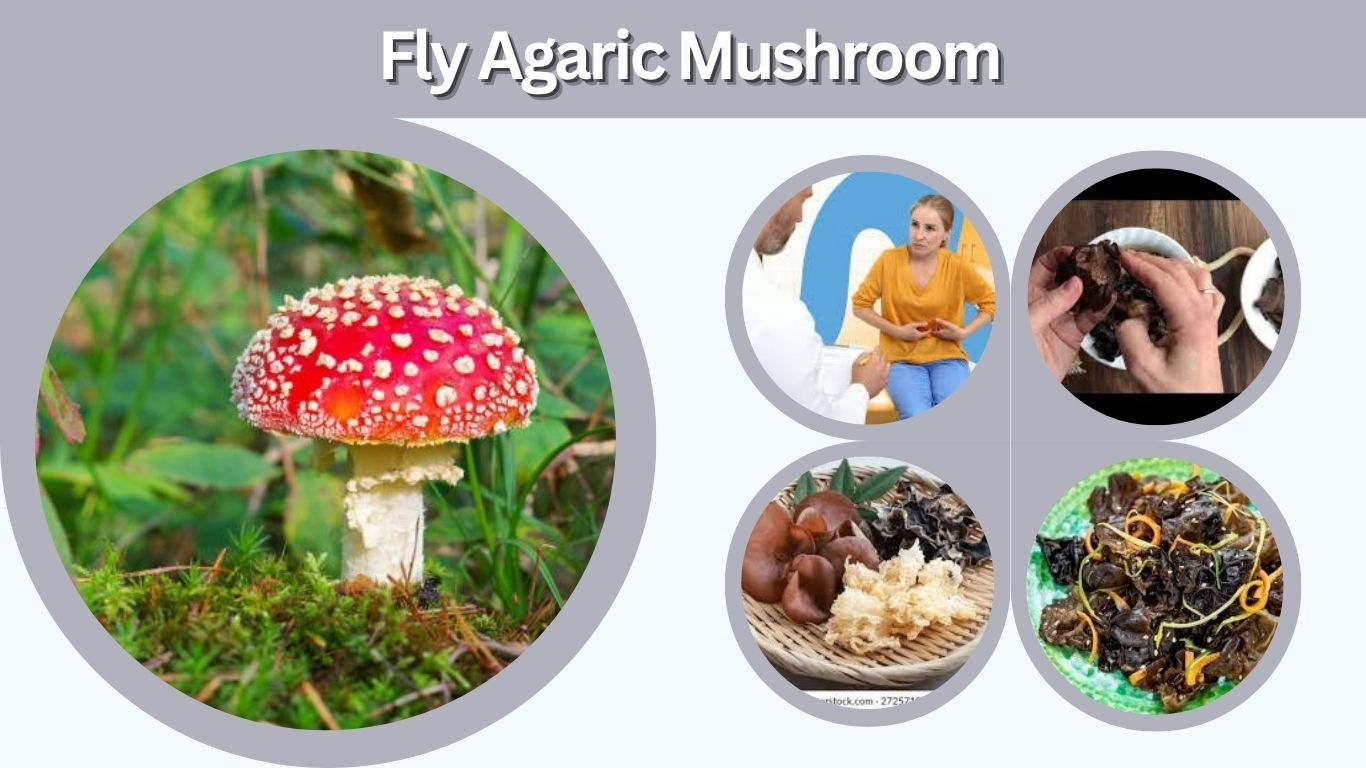
Fly agaric mushroom is one of the most recognizable fungi in the world, famous for its bright red cap covered with white spots. Known scientifically as Amanita muscaria, it has appeared in folklore, fairy tales, and popular culture for centuries. Despite its iconic appearance, fly agaric remains widely misunderstood. Many people wonder whether it is edible, poisonous, or capable of producing hallucinations. Understanding its identification, effects, and risks is essential before considering any interaction with this unusual mushroom.
What Is a Fly Agaric Mushroom?
Fly agaric is a species of mushroom belonging to the Amanita family. It is commonly found in forests throughout North America, Europe, and Asia, often growing near birch, pine, and spruce trees. Its striking appearance makes it one of the easiest mushrooms to recognize, although it can still be confused with related species.
The mushroom has a long history in mythology and traditional practices. Today, it continues to attract attention because of its unique psychoactive properties and distinctive appearance.
Scientific Classification
The scientific name of fly agaric is Amanita muscaria. It belongs to the Amanitaceae family, which includes several species ranging from edible mushrooms to highly toxic varieties.
Why Fly Agaric Is So Famous
Several factors contribute to the mushroom’s popularity around the world:
- Bright red cap with white spots
- Frequent appearance in fairy tales
- Association with folklore and shamanic traditions
- Distinctive appearance compared to other mushrooms
- Widespread distribution across multiple continents
Its visual appeal has made it a symbol often associated with fantasy and magical imagery.
Is Fly Agaric Poisonous?
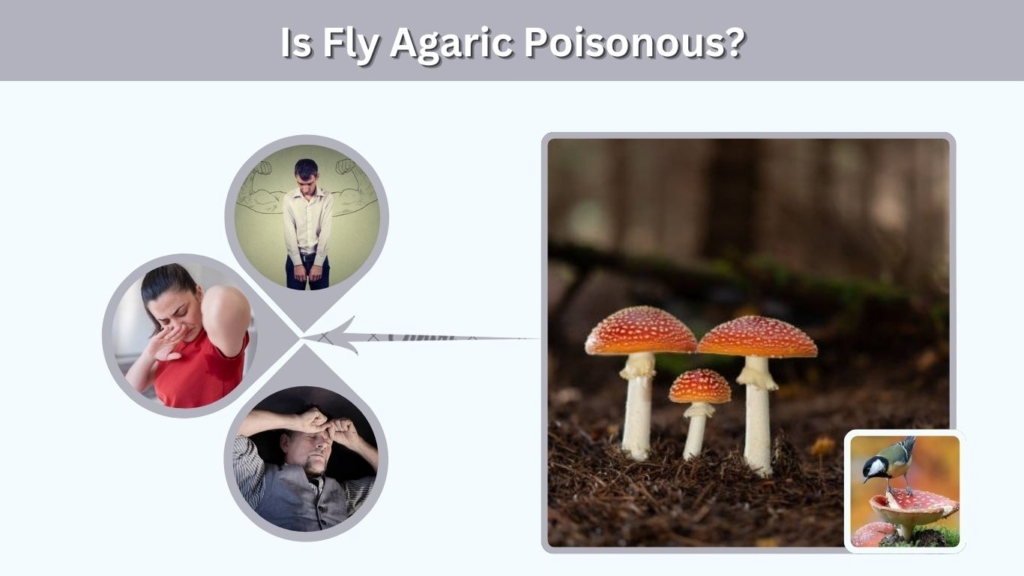
Fly agaric is generally considered a toxic mushroom. Although it is not usually as dangerous as some deadly Amanita species, consuming it can still result in significant physical and psychological effects. The mushroom contains compounds that affect the nervous system and may produce symptoms ranging from mild discomfort to severe intoxication.
The severity of poisoning varies depending on factors such as preparation methods, quantity consumed, and individual sensitivity. Because of these unpredictable effects, health experts generally advise against eating wild fly agaric mushrooms.
Why It Is Considered Toxic
The mushroom contains naturally occurring compounds that can disrupt normal brain and nervous system function. These substances are responsible for both the psychoactive effects and many of the unpleasant symptoms associated with consumption.
Common Symptoms of Poisoning
People who consume fly agaric may experience a variety of symptoms, including:
- Nausea
- Vomiting
- Dizziness
- Confusion
- Loss of coordination
- Excessive sweating
- Drowsiness
- Delirium
Symptoms typically develop within a few hours after ingestion and may last for several hours depending on the dose.
Will Fly Agaric Get You High?
Many people search for information about fly agaric because of its reputation as a hallucinogenic mushroom. Unlike magic mushrooms that contain psilocybin, fly agaric produces a different type of psychoactive experience. Its effects are often described as dream-like, sedating, and unpredictable.
Experiences vary considerably from person to person. Some individuals report altered perceptions and vivid mental imagery, while others experience confusion, nausea, or discomfort. The unpredictable nature of its effects contributes to its controversial reputation.
How Fly Agaric Affects the Brain
The compounds found in fly agaric interact with receptors in the brain that influence perception, mood, and consciousness. These interactions create effects that differ significantly from those produced by classic psychedelic mushrooms.
Rather than enhancing visual patterns or creating profound sensory distortions, fly agaric often produces feelings of detachment, altered awareness, and unusual dream-like states.
Commonly Reported Effects
Users and researchers have documented several potential effects associated with fly agaric consumption:
- Altered perception
- Euphoria
- Vivid dreams
- Distorted sense of time
- Relaxation
- Confusion
- Reduced coordination
Not everyone experiences the same effects, and reactions can vary widely even between different uses by the same person.
What Drug Is Found in Fly Agaric?
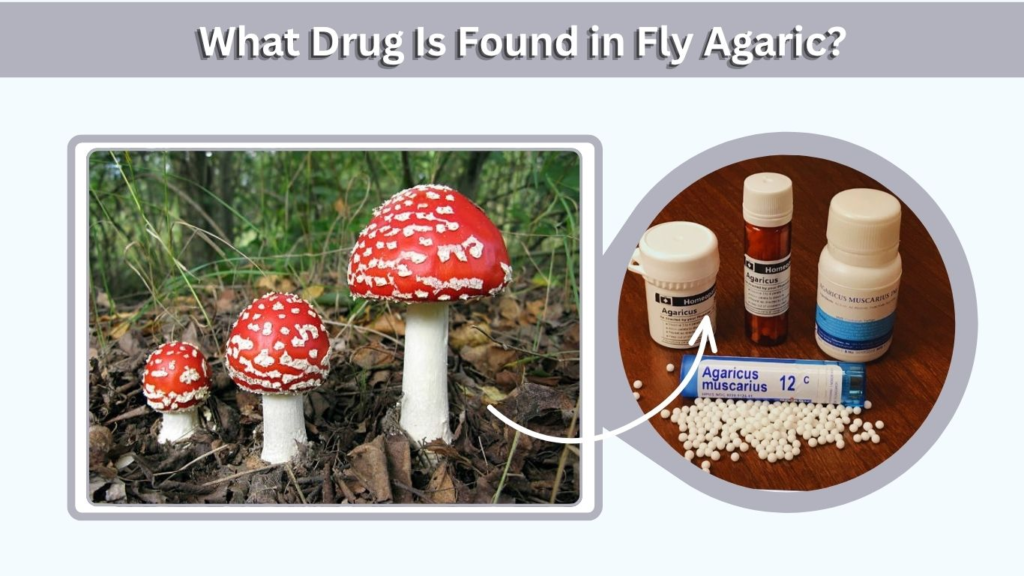
Fly agaric contains psychoactive compounds that differ from those found in psilocybin mushrooms. These substances are responsible for the mushroom’s unique effects and toxicity profile.
Understanding these compounds helps explain why fly agaric experiences are often described differently from traditional psychedelic experiences.
Muscimol
Muscimol is the primary psychoactive compound found in fly agaric. It affects receptors in the brain associated with inhibitory neurotransmitters, leading to sedation, altered consciousness, and dream-like experiences.
Researchers consider muscimol responsible for many of the mushroom’s psychoactive effects.
Ibotenic Acid
Ibotenic acid is another naturally occurring compound present in fresh fly agaric mushrooms. It contributes to both the psychoactive and toxic properties of the species.
When the mushroom is dried, some ibotenic acid converts into muscimol. However, significant variability exists between individual mushrooms, making effects difficult to predict.
Is Fly Agaric Edible?
Questions about fly agaric edibility remain common because some cultures have historically used the mushroom after specific preparation methods. Despite these traditions, fly agaric is not considered a typical edible mushroom.
Modern experts generally recommend caution due to its toxicity and unpredictable effects. Even mushrooms that appear identical may contain different concentrations of psychoactive compounds.
Traditional Uses
Historical records describe the use of fly agaric in various cultural and ceremonial practices. In some regions, preparation methods were developed in an attempt to reduce toxicity before consumption.
These traditions have contributed to ongoing interest in the mushroom, but they do not eliminate the potential risks associated with its use.
Why Experts Recommend Caution
The concentration of active compounds can vary significantly from one mushroom to another. This variability makes it difficult to predict potency, increasing the likelihood of adverse reactions and accidental poisoning.
Fly Agaric Mushroom Identification
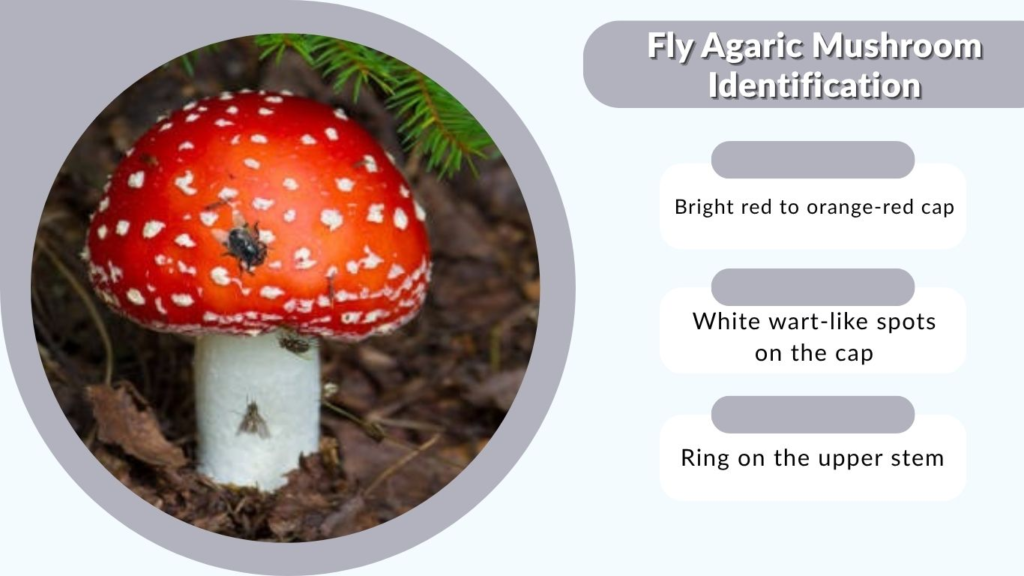
Correct identification is essential when dealing with any wild mushroom, especially species within the Amanita genus. Although fly agaric is one of the most recognizable mushrooms in the world, its appearance can vary depending on age, weather conditions, and geographic location. Beginners should never rely on a single feature for identification.
Careful observation of the cap, stem, gills, and growing environment can help distinguish fly agaric from similar-looking species.
Key Identification Features
Several characteristics make fly agaric easier to recognize:
- Bright red to orange-red cap
- White wart-like spots on the cap
- White gills underneath
- Thick white stem
- Ring on the upper stem
- Bulbous base surrounded by remnants of a universal veil
These features often become more noticeable as the mushroom matures.
Young vs. Mature Fly Agarics
Young fly agaric mushrooms emerge from a white egg-like structure in the soil. As they develop, the cap expands and reveals its distinctive coloration. Older specimens may lose some of their white spots due to rain, making identification slightly more difficult.
Because appearance changes throughout the growth cycle, examining multiple identifying traits is important.
Fly Agaric Look-Alikes
Several mushrooms resemble fly agaric, which can create confusion for inexperienced mushroom hunters. Some look-alikes are harmless, while others belong to toxic Amanita species that pose serious health risks.
For this reason, mushroom identification should always involve examining multiple features rather than focusing solely on cap color.
Panther Cap (Amanita pantherina)
The panther cap is one of the most frequently mentioned fly agaric look-alikes. It shares many structural characteristics but typically has a brown cap rather than a bright red one.
Like fly agaric, it contains psychoactive compounds and can cause poisoning if consumed.
Other Similar Amanita Species
Several related species may resemble fly agaric under certain conditions:
| Species | Cap Color | Toxicity |
| Fly Agaric | Red or orange-red | Toxic |
| Panther Cap | Brown | Toxic |
| Blusher | Pinkish-brown | Edible when properly cooked |
| Death Cap | Olive-green | Deadly poisonous |
Because deadly Amanita species exist, positive identification should always be confirmed before considering consumption.
Fly Agaric Preparation and Traditional Practices
Throughout history, some cultures developed methods intended to reduce the toxicity of fly agaric mushrooms. These practices were often passed down through generations and varied between regions. Historical accounts describe drying, boiling, and other preparation techniques designed to alter the mushroom’s chemical composition.
Despite these traditions, modern experts generally emphasize caution due to the unpredictability of active compound concentrations.
Historical Preparation Methods
Traditional approaches have included:
- Air drying the mushrooms
- Boiling before consumption
- Repeated cooking processes
- Using only specific mushroom parts
- Consuming small measured quantities
These methods were intended to reduce undesirable effects, though effectiveness varied considerably.
Why Preparation Does Not Guarantee Safety
Even when traditional preparation techniques are followed, substantial risks remain. The concentration of psychoactive compounds differs between mushrooms, making outcomes difficult to predict. What produces mild effects in one case may lead to severe intoxication in another.
As a result, preparation methods should not be viewed as a guarantee of safety.
Fly Agaric Hallucinations and Effects
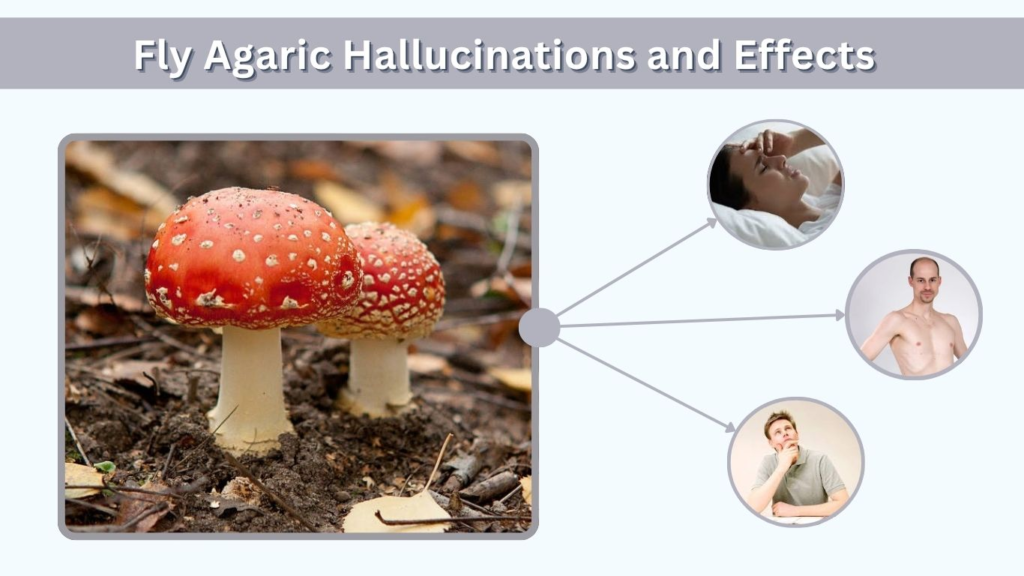
The psychoactive effects of fly agaric differ significantly from those associated with psilocybin mushrooms. Rather than producing classic psychedelic experiences, fly agaric often creates dream-like states, changes in perception, and fluctuations in awareness.
The intensity and nature of these effects vary according to dosage, individual sensitivity, and the mushroom’s chemical composition.
Hallucinations and Altered Perception
Some users report experiences that include:
- Vivid dream-like imagery
- Distorted perception of time
- Changes in body awareness
- Visual distortions
- Enhanced imagination
- Altered states of consciousness
These effects can be unpredictable and may differ greatly between individuals.
Physical Side Effects
In addition to psychological effects, fly agaric can produce noticeable physical symptoms. These symptoms often occur alongside or before any psychoactive effects.
Common physical reactions include nausea, dizziness, sweating, muscle weakness, and impaired coordination. In some cases, individuals may experience confusion or difficulty performing routine tasks.
Factors That Influence Effects
Several variables affect how fly agaric impacts an individual. Differences in mushroom potency, body weight, health status, and sensitivity to psychoactive compounds can all influence the experience.
Because potency is inconsistent, predicting effects with accuracy is extremely difficult. This uncertainty contributes to the risks associated with consuming wild fly agaric mushrooms.
FAQs
Is Fly Agaric Poisonous to Eat?
Yes. Fly agaric is considered a toxic mushroom and can cause both physical and psychological symptoms after consumption.
Will Fly Agaric Get You High?
Fly agaric contains psychoactive compounds that can alter perception and consciousness, although its effects differ from those of psilocybin mushrooms.
What Drug Is Found in Fly Agaric?
The primary psychoactive compounds are muscimol and ibotenic acid.
Is Fly Agaric Edible?
While some cultures have historically used prepared fly agaric, it is not generally considered a safe edible mushroom due to its toxicity and unpredictable effects.
What Does Fly Agaric Look Like?
It typically features a bright red cap with white spots, white gills, a white stem, and a bulbous base.
Are Fly Agaric Mushrooms Legal?
Laws vary by country and region. Individuals should consult local regulations regarding possession, sale, or use.