
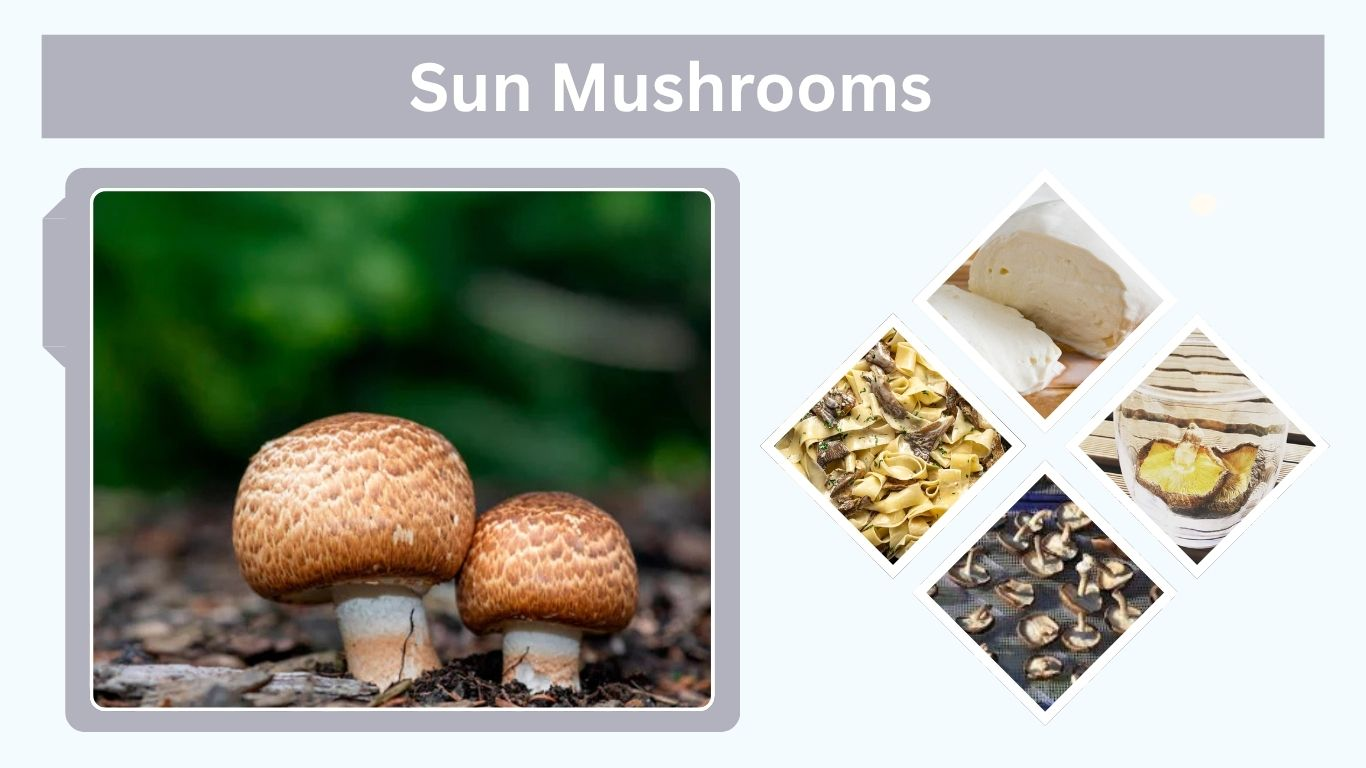
Sun mushrooms are becoming popular because of their natural vitamin D content and rich flavor. Many people place mushrooms in sunlight before cooking or drying them because UV exposure may increase vitamin D levels naturally. Sun-dried mushrooms are also valued for their stronger taste and longer shelf life.
From oyster mushrooms to shiitake mushrooms, many varieties respond well to sunlight exposure. This guide explains how mushrooms interact with sunlight, the benefits of sun drying, vitamin D facts, and several tasty recipe ideas using sun mushrooms and sun-dried mushrooms.
What Is a Sun Mushroom?
The term “sun mushroom” usually refers to mushrooms exposed to sunlight or ultraviolet light to increase vitamin D content. Some mushrooms naturally produce more vitamin D when placed under the sun after harvesting. These mushrooms are also popular because of their deep flavor and health-supporting nutrients.
Why Mushrooms Are Called Sun Mushrooms
Sun mushrooms receive their name because sunlight helps them produce vitamin D. Mushrooms contain ergosterol, a natural compound that converts into vitamin D when exposed to UV rays.
Popular Types of Sun Mushrooms
- Shiitake mushrooms
- Oyster mushrooms
- Portobello mushrooms
- White button mushrooms
- Agaricus blazei mushrooms
Royal Sun Blazei Mushroom
Royal Sun Blazei mushrooms are known for their earthy flavor and possible wellness benefits. They are often discussed in health-focused cooking and supplement products because they contain antioxidants and important nutrients.
Mushroom and Sun Relationship
Unlike plants, mushrooms do not use sunlight for photosynthesis. However, sunlight still affects mushrooms by helping increase vitamin D levels after harvesting.
Do Mushrooms Need Sun to Grow?
Many people assume mushrooms grow like plants, but fungi behave differently. Mushrooms mainly need moisture, warmth, airflow, and nutrient-rich material instead of direct sunlight. Small amounts of indirect light are usually enough during the fruiting stage.
Do Mushrooms Need Sunlight?
Mushrooms can grow without direct sunlight because they do not contain chlorophyll like green plants. Most species grow best in shaded or low-light environments.
Best Light Conditions for Growth
- Soft indirect light
- Humid growing conditions
- Stable temperatures
- Good airflow
- Moist growing substrate
Can Mushrooms Grow in Darkness?
The underground mycelium can grow in darkness, but many mushroom species need small amounts of light to form healthy fruiting bodies.
Do Mushrooms Disappear in the Sun?
Strong heat and direct sunlight can dry mushrooms quickly. Wild mushrooms may shrink, crack, or lose moisture after long exposure to hot sunlight.
Mushrooms and Vitamin D
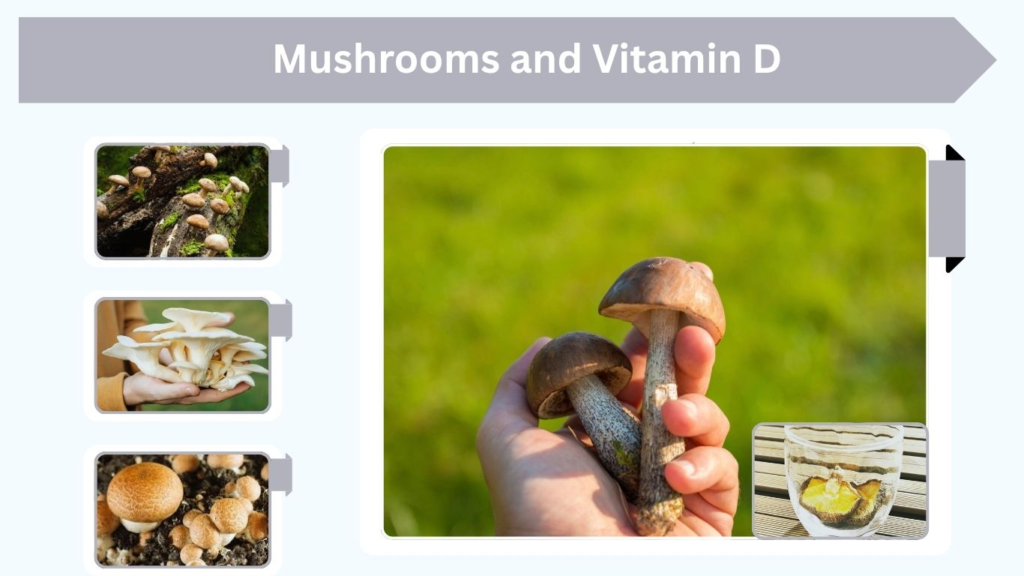
One of the biggest reasons people place mushrooms in sunlight is to naturally increase vitamin D. Sunlight exposure changes compounds inside the mushroom and boosts vitamin D content significantly.
Can Mushrooms Absorb Vitamin D From the Sun?
Mushrooms do not absorb vitamin D directly. Instead, UV light changes ergosterol into vitamin D2, which becomes available for human nutrition.
Does Putting Mushrooms in the Sun Increase Vitamin D?
Yes, research shows that exposing mushrooms to sunlight may greatly increase vitamin D levels. Even short periods of exposure can improve nutrient content.
Best Mushrooms for Vitamin D
- Shiitake mushrooms
- Oyster mushrooms
- Portobello mushrooms
- Cremini mushrooms
- White button mushrooms
How Long to Leave Mushrooms in the Sun
Many people leave sliced mushrooms in direct sunlight for 15 minutes to 2 hours depending on weather conditions and desired drying level.
How to Sun Dry Mushrooms
Sun drying is an old preservation method that removes moisture naturally while improving flavor concentration. Properly dried mushrooms can last for months when stored correctly.
Benefits of Sun Drying Mushrooms
- Increases vitamin D content
- Extends shelf life
- Creates richer flavor
- Reduces food waste
How to Dry Mushrooms in the Sun
Start by cleaning the mushrooms gently with a dry cloth. Slice larger mushrooms evenly so they dry faster. Place them on a clean tray or screen under direct sunlight with good airflow.
Can You Dry Mushrooms in the Sun Safely?
Sun drying works best in dry climates with warm temperatures and low humidity. Mushrooms should be protected from insects, moisture, and sudden rain.
How to Store Sun-Dried Mushrooms
Store dried mushrooms in airtight containers away from heat and moisture. Glass jars and vacuum-sealed bags help preserve flavor and texture longer.
Sun-Dried Mushroom Benefits
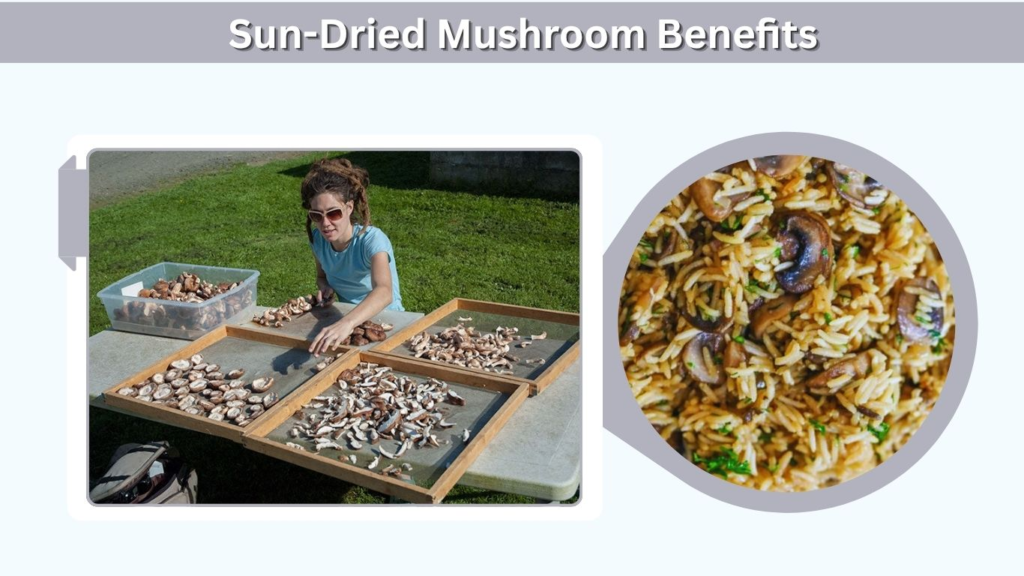
Sun-dried mushrooms are popular because they combine nutrition, convenience, and strong flavor. They are often added to soups, pasta dishes, sauces, and rice recipes.
Higher Vitamin D Levels
Sun exposure naturally boosts vitamin D levels in mushrooms, making them one of the few plant-based dietary sources of vitamin D.
Stronger Umami Flavor
Drying concentrates the mushroom flavor and creates a deeper savory taste that works well in cooking.
Easy Long-Term Storage
- Lightweight pantry ingredient
- Long shelf life
- Easy to rehydrate
- Useful for quick meals
Low-Calorie Healthy Ingredient
Sun-dried mushrooms contain fiber, minerals, antioxidants, and very little fat, making them suitable for many healthy eating plans.
Sun-Dried Mushroom Recipes
Sun-dried mushrooms are widely used in soups, pasta dishes, risottos, and creamy sauces because they add deep earthy flavor. Rehydrating dried mushrooms before cooking helps restore their soft texture while keeping their concentrated taste.
Sun-Dried Mushroom Soup
Creamy mushroom soup becomes richer when made with sun-dried mushrooms. Many cooks combine mushrooms with garlic, onions, vegetable broth, and herbs for a warm comfort meal.
Mushroom and Sun-Dried Tomato Pasta
- Combines savory and tangy flavors
- Often made with garlic cream sauce
- Works with penne or fettuccine pasta
- Popular vegetarian dinner option
Sun-Dried Mushroom Risotto
Risotto made with dried mushrooms develops a deep umami flavor. Arborio rice slowly absorbs broth while mushrooms add texture and richness.
Pasta With Mushrooms and Sun-Dried Tomatoes
Pasta recipes with mushrooms and sun-dried tomatoes are easy weeknight meals. Olive oil, spinach, garlic, and parmesan cheese are commonly added ingredients.
Chicken Mushroom Sun-Dried Tomato Recipes
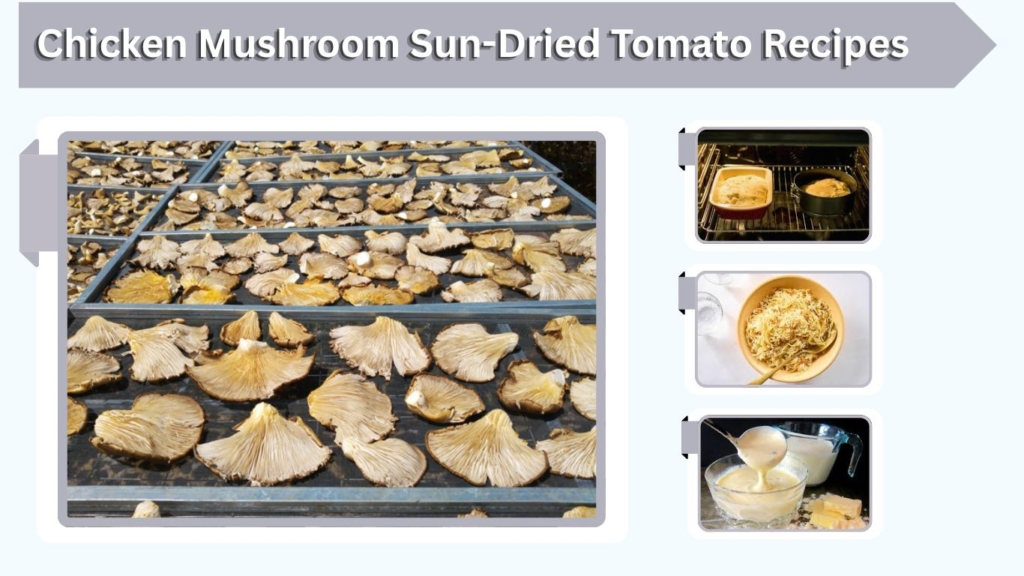
Chicken, mushrooms, and sun-dried tomatoes are commonly paired in creamy pasta dishes and skillet meals. The mushrooms provide earthy flavor while the tomatoes add slight sweetness and acidity.
Chicken Mushroom Sun-Dried Tomato Pasta
This creamy pasta dish usually includes chicken breast, mushrooms, garlic, spinach, and a rich sauce. Many recipes use parmesan cheese and herbs for extra flavor.
Chicken With Sun-Dried Tomatoes and Mushrooms
- Can be baked or pan-cooked
- Pairs well with rice or pasta
- Often uses cream-based sauces
- Popular family dinner recipe
Chicken Mushroom Spinach Sun-Dried Tomato Pasta
Spinach adds freshness and color to creamy mushroom pasta dishes. The combination creates a filling meal with vegetables, protein, and rich flavor.
Chicken With Mushroom Cream Sauce
Creamy mushroom sauces become more flavorful when mixed with sun-dried tomatoes and herbs. Portobello and shiitake mushrooms are common choices for this recipe.
Stuffed Mushroom Recipes With Sun-Dried Tomatoes
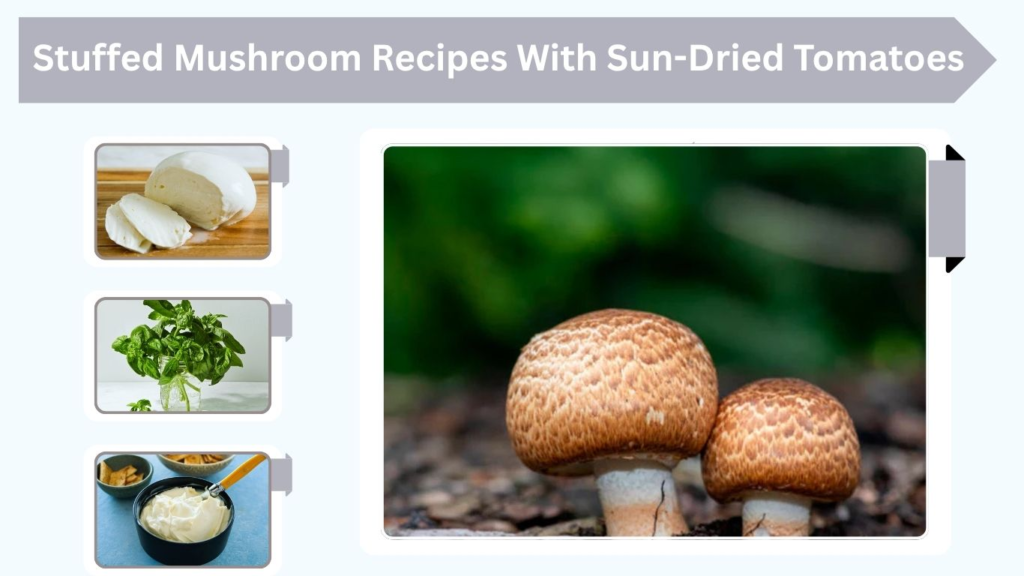
Stuffed mushrooms are popular appetizers because they are easy to customize and simple to bake. Sun-dried tomatoes add bold flavor that pairs well with cheese, herbs, and garlic.
Stuffed Mushrooms With Feta and Sun-Dried Tomatoes
Feta cheese gives stuffed mushrooms a salty and creamy texture. Sun-dried tomatoes provide sweetness and a slightly chewy texture.
Stuffed Portobello Mushrooms
Large portobello mushroom caps are often filled with spinach, cheese, breadcrumbs, and herbs. These stuffed mushrooms can also serve as vegetarian main dishes.
Cheese and Herb Fillings
- Cream cheese
- Mozzarella
- Garlic
- Parsley
- Basil
- Parmesan cheese
Baking Tips for Stuffed Mushrooms
Bake mushrooms at medium heat until the filling becomes golden and the mushrooms soften. Avoid overfilling because excess moisture may make them soggy.
Oyster and Shiitake Sun Mushrooms
Oyster and shiitake mushrooms are among the best mushrooms for sun drying because they hold flavor well and become highly aromatic after drying.
Sun-Dried Oyster Mushrooms
Oyster mushrooms dry quickly because of their thin structure. After drying, they can be rehydrated for soups, stir-fries, and pasta dishes.
Sun-Dried Shiitake Mushrooms
Shiitake mushrooms develop an especially strong umami flavor after drying. They are commonly used in Asian cooking and broths.
How to Dry Oyster Mushrooms in the Sun
- Slice large mushrooms thinly
- Place on drying racks or mesh trays
- Keep in direct sunlight with airflow
- Bring indoors during nighttime moisture
Cooking With Dried Mushrooms
Dried mushrooms should usually be soaked in warm water before cooking. The soaking liquid can also be added to soups and sauces for extra flavor.
Sun Mushroom Benefits
Sun mushrooms are valued for their nutrients, antioxidants, and natural vitamin D content. Many people use them in healthy meal plans because they are low in calories and rich in flavor.
Immune System Support
Mushrooms contain antioxidants and beta-glucans that may help support the immune system and protect cells from damage.
Bone Health and Vitamin D
Vitamin D helps the body absorb calcium properly. Sun-exposed mushrooms provide a plant-based source of vitamin D2 that may support bone health.
Energy and Nutrition
- B vitamins for energy production
- Potassium for muscle function
- Selenium for antioxidant support
- Fiber for digestion
Digestive Health
Mushrooms contain fiber and natural compounds that may support healthy digestion and gut balance when included in a balanced diet.
FAQs
Do mushrooms need sunlight to grow?
No, mushrooms do not need direct sunlight like plants. Most mushrooms grow best in shaded, humid conditions with indirect light.
Does putting mushrooms in the sun increase vitamin D?
Yes, sunlight exposure can increase vitamin D levels in mushrooms because UV rays convert ergosterol into vitamin D2.
How long should mushrooms stay in the sun?
Many people leave mushrooms in sunlight for 15 minutes to 2 hours depending on weather conditions and drying goals.
Can you safely dry mushrooms in the sun?
Yes, mushrooms can be safely sun dried in warm and dry climates with good airflow and protection from moisture or insects.
What are the best mushrooms for sun drying?
Shiitake, oyster, portobello, and cremini mushrooms are among the best choices for sun drying because they develop strong flavor and good texture.