
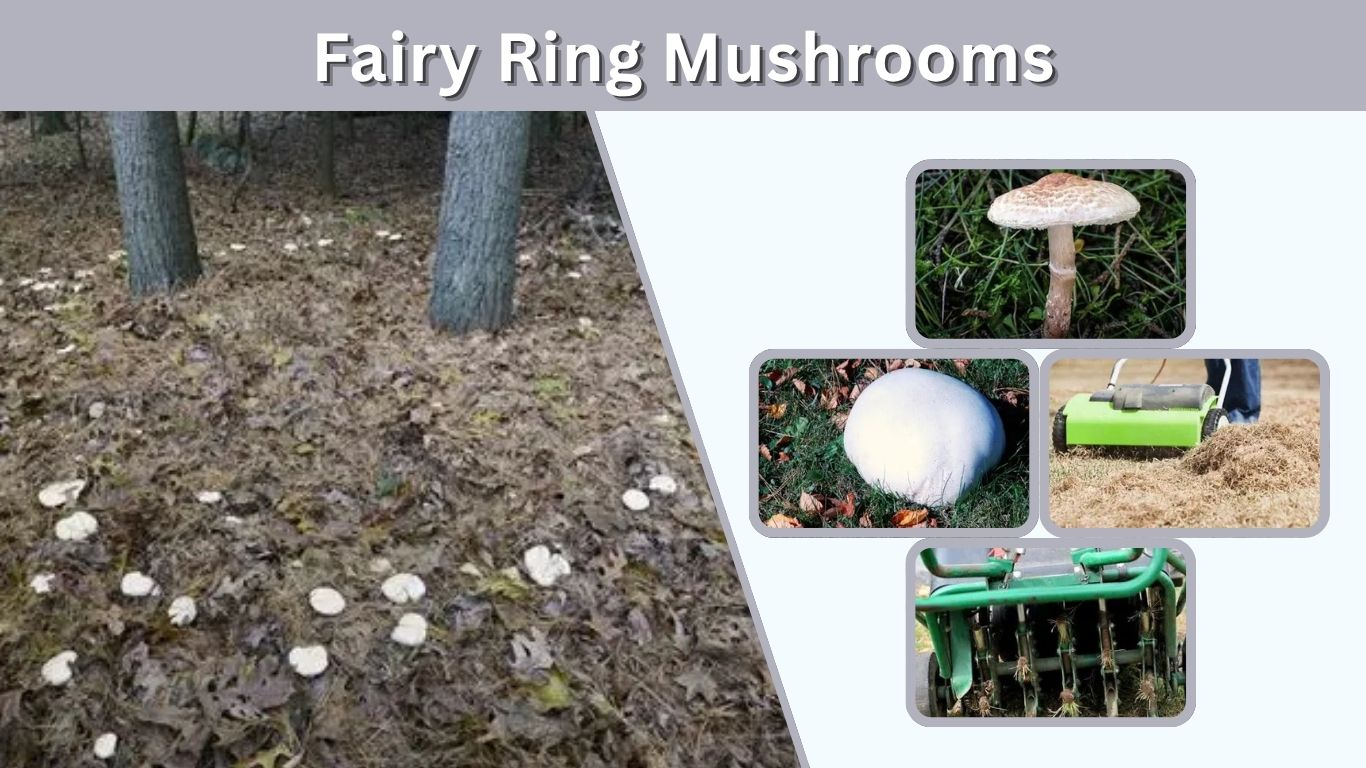
Fairy ring mushrooms are one of nature’s most fascinating sights. These mushrooms often appear in circular formations across lawns, fields, and forests, creating patterns that have inspired myths and legends for centuries. While some fairy ring mushrooms are edible, others can be toxic, making proper identification essential. Understanding why these rings form, how to identify the mushrooms involved, and whether they pose risks to people, pets, or lawns can help homeowners and mushroom enthusiasts make informed decisions when encountering them.
What Are Fairy Ring Mushrooms?
Fairy ring mushrooms are mushrooms that grow in circular or arc-shaped patterns. The visible mushrooms are only a small part of a much larger underground fungal network called mycelium. As the fungus expands outward from its starting point, mushrooms emerge along the active growing edge, creating the distinctive ring shape that gives fairy rings their name.
Why Are They Called Fairy Rings?
The term “fairy ring” comes from European folklore. People once believed that the circular formations were created by fairies dancing in the moonlight. Entering a fairy ring was often thought to bring good luck, bad luck, or even transport a person into the fairy realm, depending on local legends.
What Does a Fairy Ring Look Like?
Fairy rings vary greatly in appearance. Some form perfect circles, while others appear as partial arcs due to obstacles in the soil. Common characteristics include:
- Circular or semi-circular mushroom growth
- Rings ranging from a few feet to several yards wide
- Dark green grass surrounding the ring
- Occasional dead or stressed grass patches
- Reappearance in the same location each year
What Causes Mushroom Fairy Rings?
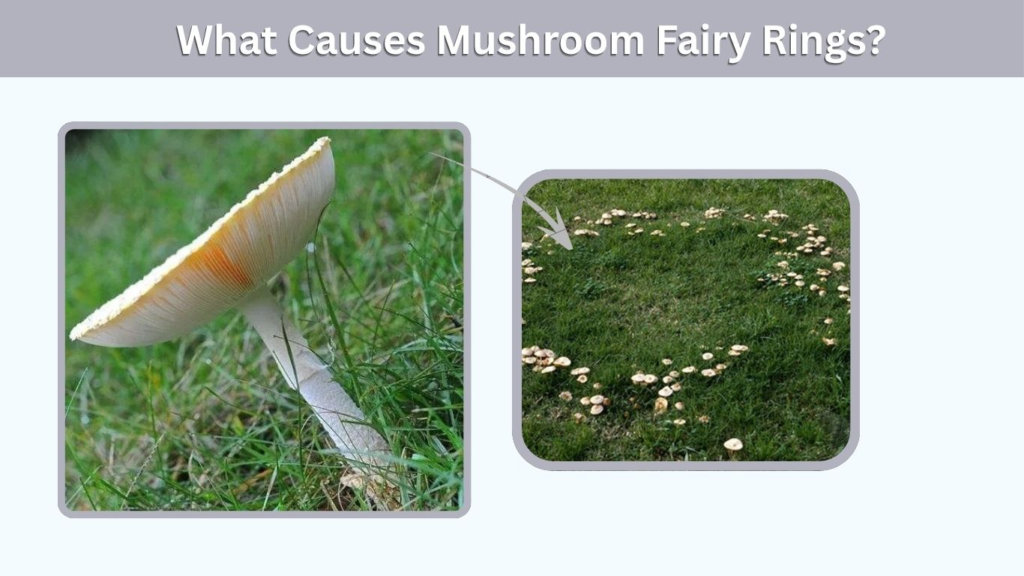
The formation of fairy rings is a natural biological process driven by fungal growth beneath the soil. As fungal mycelium spreads outward in all directions, it consumes organic matter and releases nutrients into the surrounding soil. This expanding underground network creates a circular growth pattern that eventually produces mushrooms along the outer edge.
The Science Behind Fairy Rings
A fairy ring begins when a fungal spore lands in a suitable environment. The fungus develops underground and gradually expands outward. The center of the colony becomes depleted of nutrients over time, while the outer edge remains active and continues growing. This process results in the circular pattern observed above ground.
Why Do Mushrooms Grow in Circles?
The circular pattern forms because fungal growth occurs evenly in every direction. Since the fungus expands from a central point, the active growing edge naturally forms a ring. Environmental conditions such as moisture, soil composition, and available organic matter influence how large the ring becomes.
Conditions That Encourage Fairy Rings
Several factors increase the likelihood of fairy ring development:
- Decaying tree roots and buried wood
- Organic matter in the soil
- Consistent moisture levels
- Moderate temperatures
- Poor soil aeration
Common Mushroom Species That Form Fairy Rings
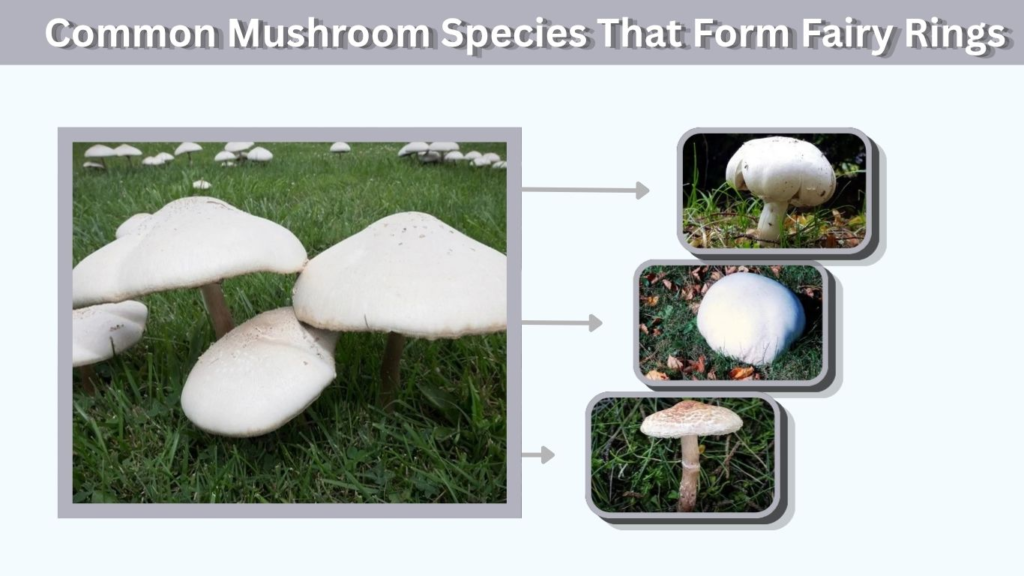
Many different mushroom species can create fairy rings. While people often associate fairy rings with a single type of mushroom, numerous fungi are capable of producing these distinctive circular patterns. The species involved can affect whether the mushrooms are edible, poisonous, or simply ornamental.
Fairy Ring Champignon (Marasmius oreades)
The fairy ring champignon is one of the most well-known ring-forming mushrooms. It is commonly found in grassy areas and is considered edible when correctly identified. Its tan cap, widely spaced gills, and tough stem make it recognizable to experienced mushroom foragers.
Other Mushrooms That Grow in Fairy Rings
Several other species may also form rings, including:
- Agaricus species
- Puffball mushrooms
- Clitocybe species
- Lepiota species
- Various lawn fungi
White Fairy Ring Mushrooms
Many homeowners notice white mushrooms appearing in circular formations across their lawns. These may belong to several different fungal species. Because some white mushrooms are toxic, accurate identification is crucial before considering consumption.
Fairy Ring Mushroom Identification Guide
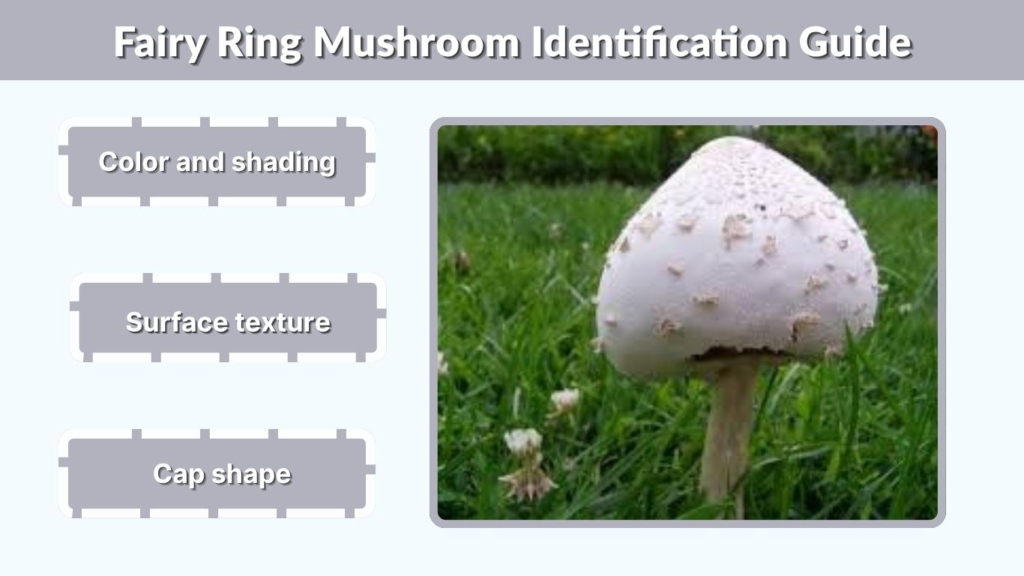
Identifying fairy ring mushrooms requires careful observation of multiple characteristics. The ring formation itself should never be used as the sole identification feature because both edible and poisonous species can grow in similar patterns. Examining the cap, gills, stem, spore print, and habitat provides a more reliable identification process.
Cap Characteristics
The cap is often the first feature people notice. Important characteristics include:
- Color and shading
- Surface texture
- Cap shape
- Diameter and size
- Presence of scales or bumps
Gills and Stem Features
The gills beneath the cap and the stem structure provide valuable identification clues. Mushroom experts frequently rely on these details to distinguish edible species from dangerous look-alikes. The spacing, color, and attachment of the gills can reveal important information about a mushroom’s identity.
Fairy Ring Mushroom Look-Alikes
Several poisonous mushrooms resemble edible fairy ring species. Some toxic Clitocybe species are particularly concerning because they can appear very similar to the edible fairy ring champignon. For this reason, beginners should avoid consuming any wild mushroom without expert verification.
Are Fairy Ring Mushrooms Edible?
Many people discover mushrooms growing in circular patterns and wonder whether they are safe to eat. The answer depends entirely on the species involved. While the well-known fairy ring champignon (Marasmius oreades) is edible, not every mushroom found in a fairy ring is safe for consumption. Proper identification is essential before eating any wild mushroom.
Is the Fairy Ring Mushroom Edible?
The fairy ring champignon is considered an edible mushroom and has been collected for culinary use for generations. It is valued for its pleasant flavor and ability to retain its texture when cooked. However, only correctly identified specimens should be consumed.
Are All Fairy Ring Mushrooms Edible?
No, not all fairy ring mushrooms are edible. Different fungal species can create similar circular formations, and some of them may be toxic. Before eating any mushroom from a fairy ring, consider the following:
- Verify the species with multiple identification features
- Use a reliable field guide
- Consult an experienced mushroom expert
- Avoid consuming unknown mushrooms
- Never rely solely on the ring pattern for identification
How to Cook Fairy Ring Mushrooms
Edible fairy ring mushrooms can be used in a variety of dishes. Their flavor works well in soups, sauces, and sautéed recipes. Many cooks prefer using the caps because the stems can be tough and fibrous.
Are Fairy Ring Mushrooms Poisonous?
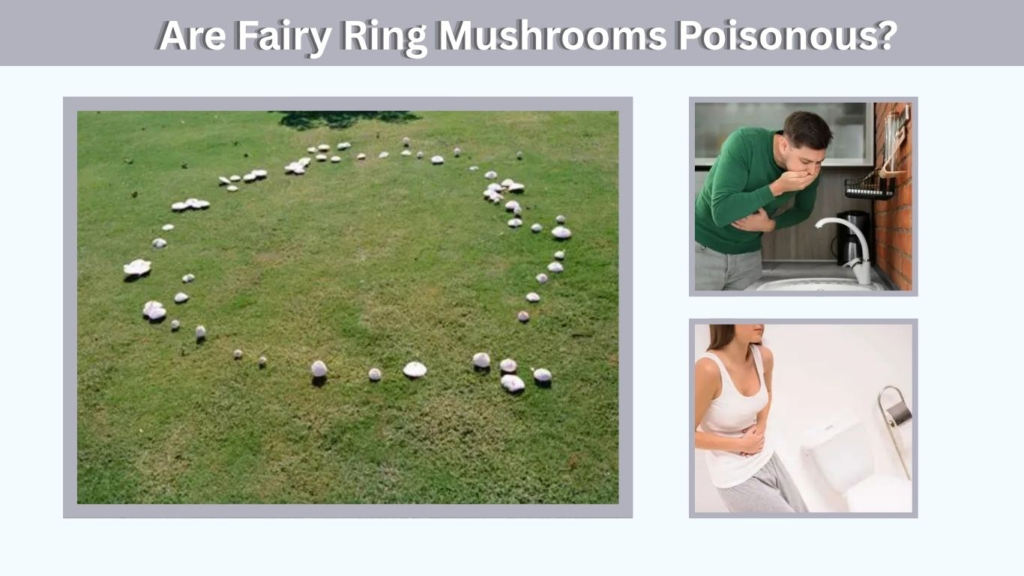
Although some fairy ring mushrooms are edible, others can cause illness. Poisonous species occasionally grow in rings and may closely resemble edible varieties. Understanding the risks can help prevent accidental poisoning.
Poisonous Fairy Ring Mushroom Species
Several toxic mushrooms are capable of forming fairy rings. Some may cause mild digestive upset, while others can lead to severe health complications. Common concerns include:
- Toxic Clitocybe species
- Certain Lepiota species
- White poisonous lawn mushrooms
- Misidentified young mushrooms
Symptoms of Mushroom Poisoning
Symptoms vary depending on the species consumed. Common signs may include nausea, vomiting, diarrhea, stomach pain, dizziness, and weakness. Severe poisoning can affect the liver, kidneys, or nervous system and requires immediate medical attention.
What to Do If Poisoning Is Suspected
If someone consumes an unidentified mushroom and develops symptoms, seek medical assistance as soon as possible. Keeping a sample of the mushroom can help experts identify the species and recommend appropriate treatment.
Are Fairy Ring Mushrooms Psychedelic?
Fairy ring mushrooms are often surrounded by myths involving magic, fairies, and supernatural events. As a result, some people mistakenly assume that mushrooms growing in fairy rings are psychedelic. In reality, most fairy ring mushrooms are not psychoactive.
Are Fairy Ring Mushrooms Psychoactive?
The majority of mushrooms commonly found in fairy rings do not contain psychedelic compounds. The fairy ring champignon and many other ring-forming species are not known for hallucinogenic effects.
Why the Confusion Exists
Several factors contribute to misconceptions about psychedelic fairy ring mushrooms:
- Ancient folklore about magical rings
- Popular culture references
- Confusion with psychoactive mushroom species
- Misidentification of wild mushrooms
Important Safety Considerations
No mushroom should be consumed for psychoactive purposes unless it has been accurately identified by qualified experts. Misidentification can result in serious poisoning and potentially life-threatening consequences.
Fairy Ring Mushrooms and Dogs
Pet owners are often concerned when mushrooms appear in areas where dogs play. Since it can be difficult to identify lawn mushrooms quickly, caution is always recommended when pets have access to fairy rings.
Are Fairy Ring Mushrooms Poisonous to Dogs?
Some mushrooms that grow in fairy rings can be harmful to dogs. Even mushrooms that are harmless to humans may cause digestive upset in pets. Because species identification is often uncertain, veterinarians generally recommend preventing dogs from eating any wild mushroom.
Signs of Mushroom Toxicity in Dogs
Watch for the following symptoms if a dog may have consumed a mushroom:
- Vomiting
- Diarrhea
- Excessive drooling
- Weakness
- Tremors
- Seizures
How to Protect Pets
Regular lawn inspections and prompt mushroom removal can reduce the risk of accidental ingestion. If a dog eats an unknown mushroom, contact a veterinarian immediately.
How to Get Rid of Fairy Ring Mushrooms
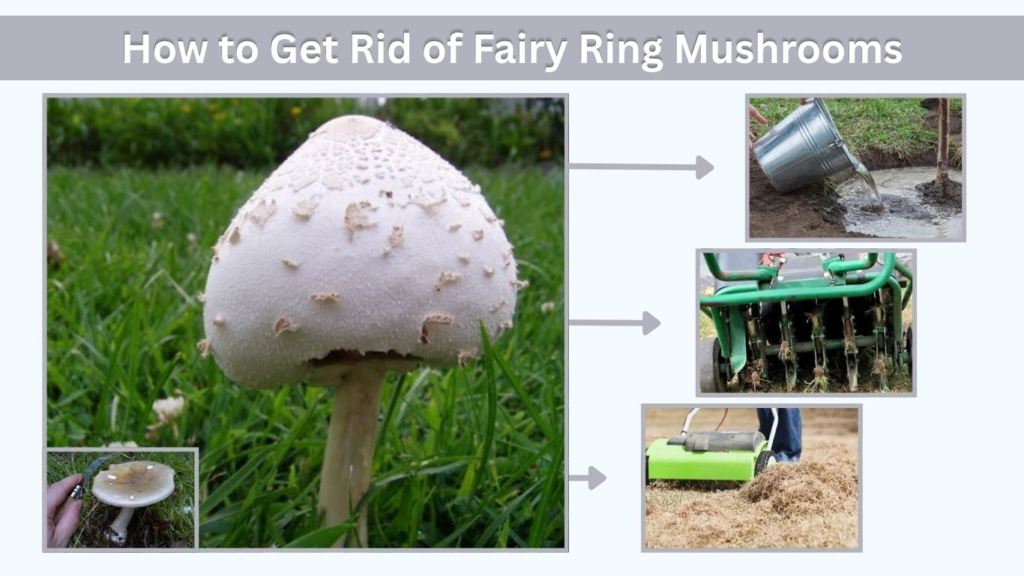
Fairy rings can be frustrating for homeowners, especially when they repeatedly appear in the same area. Although eliminating the visible mushrooms is simple, removing the underground fungus is much more challenging.
Remove Existing Mushrooms
Picking mushrooms as soon as they appear helps improve the appearance of the lawn and reduces spore production. However, this does not eliminate the fungal network beneath the soil.
Lawn Treatment Methods
Several practices may help reduce fairy ring activity:
- Deep watering of affected areas
- Core aeration to improve soil conditions
- Removal of buried wood and roots
- Regular dethatching
- Improving drainage
Can Fungicides Eliminate Fairy Rings?
Fungicides may provide limited control in some situations, but they rarely eliminate established fairy rings completely. Long-term management usually focuses on improving lawn health and reducing the organic material that feeds the fungus.
Fairy Ring Mushroom Folklore and Myths
Long before scientists understood fungi, fairy rings inspired stories and superstitions across Europe and other parts of the world. Their mysterious appearance led people to believe supernatural forces were responsible for the circular formations.
The Legend of Dancing Fairies
According to traditional folklore, fairy rings marked places where fairies gathered to dance during the night. Entering the ring was often considered risky because it might bring enchantment or misfortune.
Spiritual Meaning of Fairy Rings
Different cultures associated fairy rings with various symbolic meanings, including:
- Portals to other worlds
- Sacred natural spaces
- Signs of supernatural activity
- Symbols of mystery and transformation
Science Versus Folklore
Modern science explains fairy rings through fungal growth patterns, but the legends remain an important part of their cultural history. The combination of natural beauty and ancient stories continues to make fairy rings fascinating today.
FAQs
What causes fairy ring mushrooms to grow in circles?
Fairy ring mushrooms grow in circles because the underground fungal network, called mycelium, expands outward evenly from a central point. As the fungus consumes nutrients in the center, growth continues at the outer edge, creating a ring-shaped pattern where mushrooms emerge.
Are fairy ring mushrooms safe to eat?
Some fairy ring mushrooms, such as the fairy ring champignon (Marasmius oreades), are edible when properly identified. However, many poisonous mushrooms can also grow in fairy rings. Never eat wild mushrooms unless they have been accurately identified by an experienced expert.
Can fairy ring mushrooms damage my lawn?
Fairy rings can sometimes affect lawn health. Some rings create dark green circles of grass due to increased nutrient availability, while others may cause dry, dead patches by making the soil water-repellent. The severity depends on the fungal species and soil conditions.
Are fairy ring mushrooms dangerous to dogs?
Yes, some mushrooms found in fairy rings can be toxic to dogs. Because it is often difficult to identify lawn mushrooms, pet owners should prevent dogs from eating any wild mushrooms and contact a veterinarian immediately if ingestion occurs.
How can I get rid of fairy ring mushrooms in my lawn?
To reduce fairy ring mushrooms, remove visible mushrooms, aerate compacted soil, water deeply, improve drainage, and remove buried organic material such as tree roots or wood. While fungicides may help in some cases, they rarely eliminate established fairy rings completely.