
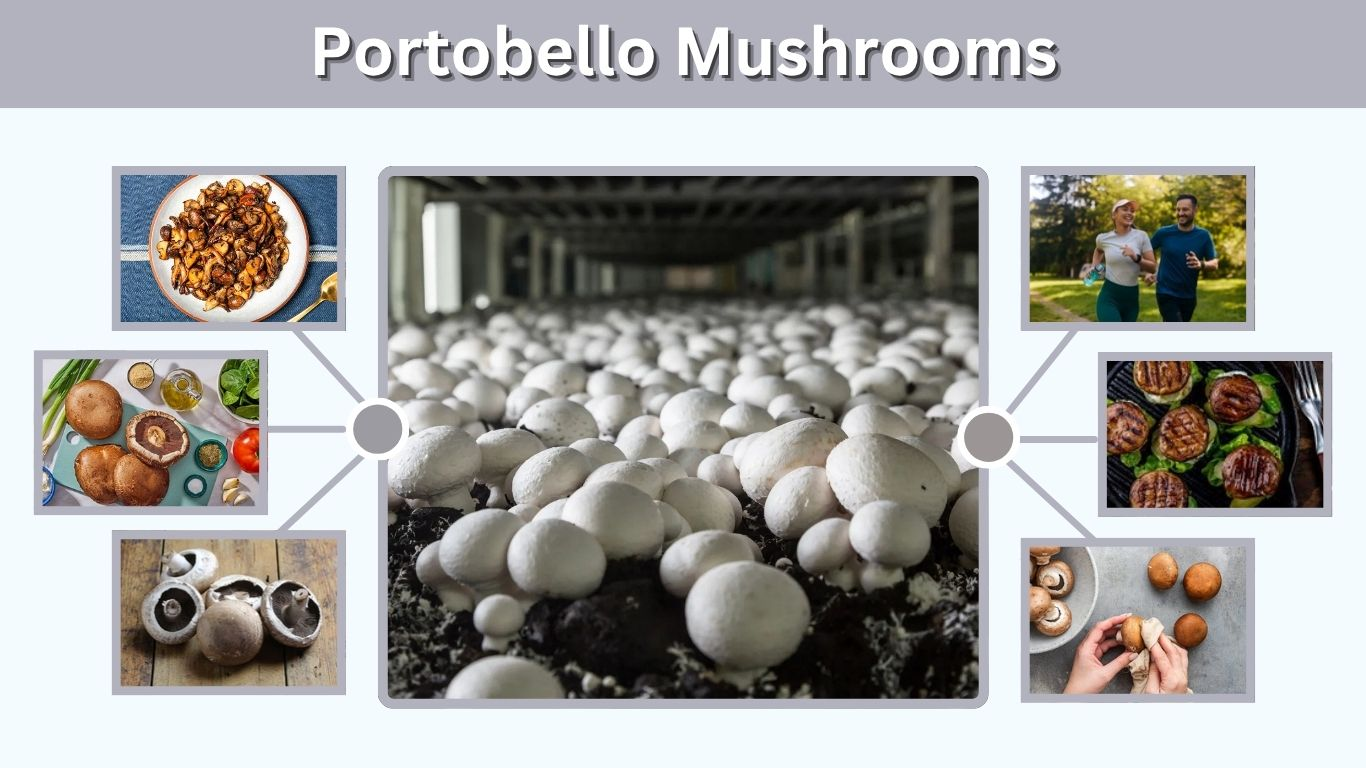
Portobello mushrooms are large, meaty, and full of earthy flavor, making them a favorite for vegetarian dishes and gourmet cooking alike. Their dense texture allows them to be grilled, roasted, stuffed, or added to pastas and sauces. Packed with protein, fiber, vitamins, and minerals, portobellos provide both nutrition and versatility. This guide explores everything from preparation and cooking techniques to popular recipes, nutritional benefits, and storage tips, ensuring that anyone can make the most of this flavorful mushroom in everyday meals.
Whether you’re new to cooking mushrooms or looking to expand your recipe repertoire, portobellos offer a simple yet elegant ingredient for countless dishes.
What Are Portobello Mushrooms?
Portobello mushrooms are the mature form of Agaricus bisporus, the same species as white button and cremini mushrooms. They have large brown caps, dense flesh, and an earthy flavor that stands out in vegetarian and meat-based dishes. Their versatility, meaty texture, and nutritional benefits make them a staple ingredient in kitchens around the world.
Identification and Characteristics
- Large, dark brown cap, 4–6 inches wide
- Firm, meaty texture, ideal for grilling or stuffing
- Rich umami flavor that complements a variety of dishes
- Also called portabella or portabello
Nutritional Profile
Portobello mushrooms are low in calories (~22 kcal per 100g) and provide about 3 grams of protein per serving. They contain B vitamins like riboflavin, niacin, and pantothenic acid, along with essential minerals including potassium, phosphorus, and selenium. They also supply dietary fiber and antioxidants, which support immunity and heart health.
Health Benefits
- Supports immune system function
- Promotes heart health with low sodium and potassium content
- Helps with weight management due to low calories and high nutrients
- Contains anti-inflammatory and antioxidant compounds
How to Prepare and Cook Portobello Mushrooms
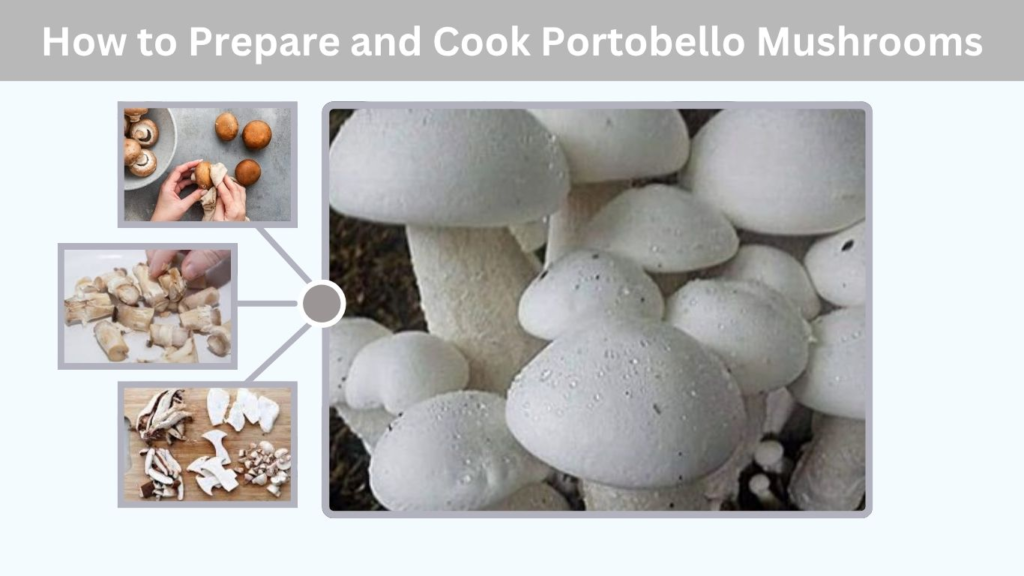
Proper preparation and cooking maximize the flavor and texture of portobellos. Cleaning, marinating, and selecting the right cooking method—sautéing, grilling, roasting, or baking—are essential. Their dense, meaty texture allows them to hold up well in recipes from simple weeknight meals to gourmet dishes, making them suitable for a wide range of cuisines.
Cleaning and Preparation
- Wipe caps with a damp cloth or paper towel to remove dirt
- Remove stems if needed; can be chopped for fillings
- Optional: scrape gills with a spoon for a cleaner appearance
- Slice, quarter, or leave whole depending on the recipe
Cooking Methods (List Section)
- Grilling: Marinate with olive oil, balsamic, garlic, or herbs, then cook over medium-high heat
- Roasting: Bake in the oven with seasoning and olive oil
- Sautéing: Cook in butter or oil for pasta, rice, or stir-fries
- Stuffing: Fill with cheese, vegetables, grains, or meats
- Air Frying: Quick, crispy mushroom caps with minimal oil
Marinating Tips
- Use olive oil, balsamic vinegar, garlic, and herbs for best flavor
- Marinate for 30–60 minutes
- Avoid highly acidic marinades for extended periods to prevent mushiness
Popular Portobello Mushroom Recipes
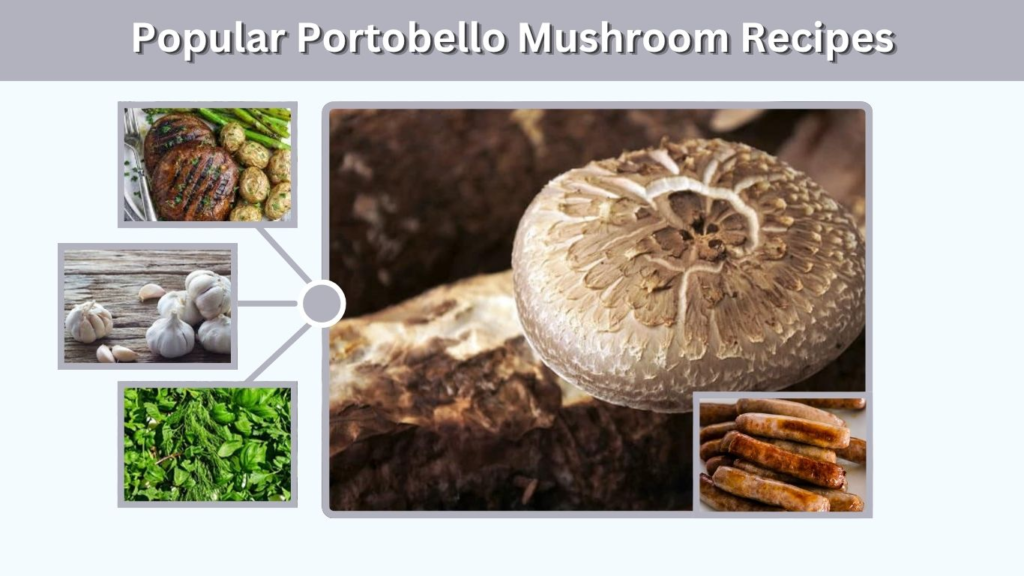
Portobello mushrooms can be incorporated into countless recipes. Their meaty texture makes them excellent for burgers, stuffed appetizers, pastas, or sides. Cooking methods like grilling, roasting, or baking bring out earthy flavors, while stuffing them adds richness and complexity. This section highlights favorite dishes that showcase the versatility of portobellos.
Grilled and Roasted Recipes (List Section)
- Grilled portobello mushroom steaks with balsamic glaze
- Roasted mushrooms with garlic and herbs
- Barbecue-style portobello mushrooms
- Baked mushroom caps with olive oil and seasonings
Stuffed Portobello Recipes (List Section)
- Spinach and cheese stuffed portobellos
- Crab-stuffed mushrooms for an appetizer
- Quinoa or grain-stuffed vegetarian mushrooms
- Sausage and vegetable filling
Advanced Cooking Tips for Portobello Mushrooms
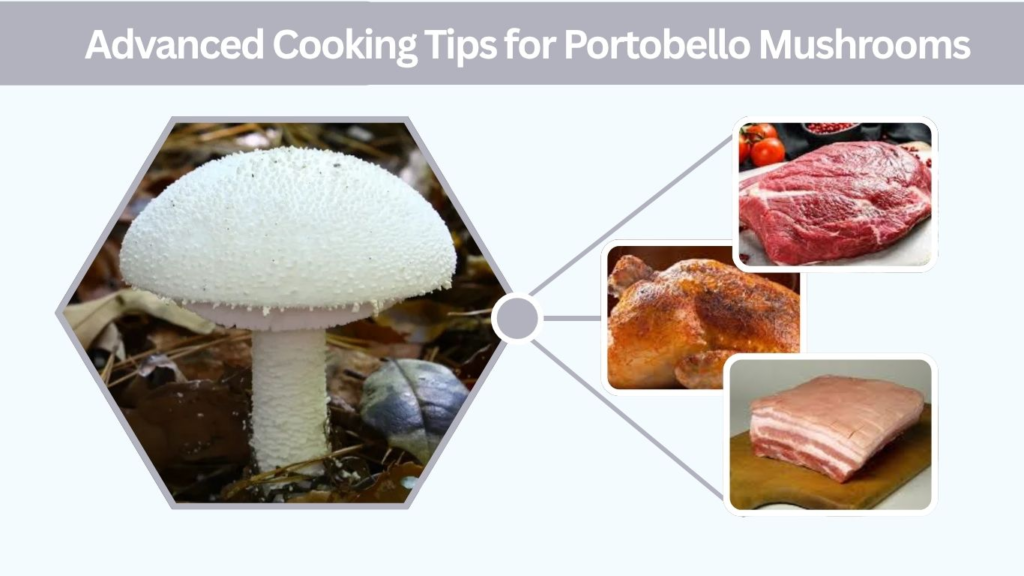
To make the most of portobello mushrooms, mastering cooking techniques and timing is essential. Their dense texture allows for grilling, roasting, or sautéing without losing shape. Marinating enhances flavor, and proper heat prevents them from becoming soggy. Following a few simple tips ensures restaurant-quality mushrooms at home.
Tips for Perfect Texture and Flavor
- High Heat Sautéing: Prevents mushrooms from releasing too much moisture, producing a caramelized exterior
- Layering Flavors: Add garlic, thyme, rosemary, or balsamic vinegar for depth
- Deglazing: Use wine, broth, or cream to lift flavorful browned bits from pans
- Marinating: Olive oil, vinegar, soy sauce, or herbs enhance taste
- Timing: Add mushrooms toward the end in slow-cooked dishes for optimal texture
Pairing Ideas
- Proteins: Beef, chicken, pork, tofu
- Grains: Rice, quinoa, risotto, couscous
- Vegetables: Spinach, bell peppers, zucchini
- Sauces: Cream-based, tomato-based, wine reductions, or balsamic glazes
Portobello Mushroom Burgers and Sandwiches
Portobello mushrooms are a popular meat substitute due to their size and texture. They can replace burger patties or be added to sandwiches. With proper marination and grilling, portobellos offer a hearty, flavorful option for both vegetarians and meat lovers.
Making the Perfect Portobello Burger (List Section)
- Clean and remove stems
- Marinate in olive oil, balsamic vinegar, garlic, and herbs for 30–60 minutes
- Grill on medium-high heat for 4–5 minutes per side
- Serve on buns with cheese, lettuce, tomato, and condiments
Other Sandwich Ideas
- Portobello grilled with roasted peppers and mozzarella
- Balsamic-glazed mushrooms with arugula on ciabatta
- Mushroom, spinach, and goat cheese sandwich
Nutrition and Health Considerations
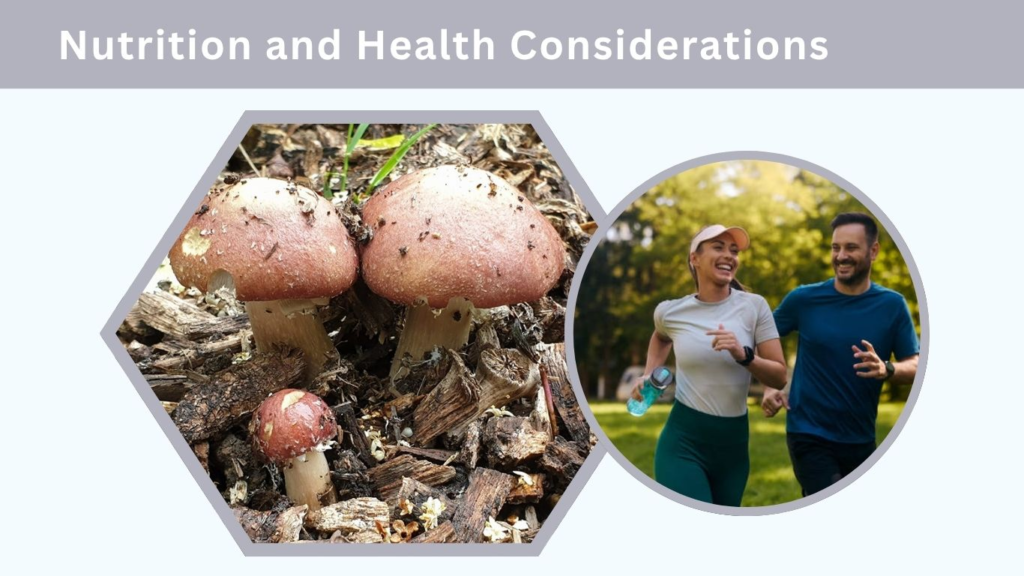
Portobello mushrooms are nutrient-rich, low-calorie foods that provide protein, fiber, vitamins, and minerals. While generally healthy, some people may need to moderate consumption due to mild toxins in raw mushrooms or digestive sensitivity. Understanding nutrition and potential risks helps integrate portobellos safely into your diet.
Nutrition Facts
- Calories: ~22 kcal per 100g
- Protein: ~3g per 100g
- Carbohydrates: ~3g per 100g
- Fat: <1g per 100g
- Rich in B vitamins, potassium, phosphorus, and selenium
- Contains antioxidants and dietary fiber
Health Benefits
- Boosts immune system and supports heart health
- Low-calorie source of protein for weight management
- Antioxidant and anti-inflammatory compounds may protect cells
Potential Negative Effects
- Raw mushrooms contain trace toxins; cooking reduces risk
- Overconsumption can cause mild digestive issues in some individuals
- Dogs may safely eat small, cooked portions but avoid raw mushrooms
Buying and Storing Portobello Mushrooms
Choosing fresh mushrooms and proper storage helps maintain flavor, texture, and shelf life. Portobellos are widely available, but selecting firm, unblemished caps ensures better taste. Storing in paper bags in the refrigerator and avoiding washing until use prevents spoilage.
Where to Buy
- Supermarkets (e.g., Walmart, Publix, Kroger)
- Farmers’ markets for fresh or organic mushrooms
- Specialty mushroom shops or gourmet stores
Storage Tips (List Section)
- Keep in a paper bag in the fridge, not plastic
- Use within 5–7 days of purchase
- Freeze only after cooking to prevent mushy texture
- Avoid storing near strong-smelling foods
FAQs
Can portobello mushrooms be frozen?
Yes, but it’s best to freeze them after cooking. Raw portobellos contain high water content, which can make them mushy once thawed. Sautéing, roasting, or grilling before freezing preserves flavor and texture, making them easier to use in future recipes.
How long do portobello mushrooms last?
Fresh portobellos typically last 5–7 days in the refrigerator if stored properly in a paper bag. Avoid plastic bags as they trap moisture and promote spoilage. Cooked mushrooms can be stored in an airtight container in the fridge for up to 3–4 days.
Can portobello mushrooms be eaten every day?
Yes, they are low in calories and nutrient-rich, making them safe for daily consumption. However, like all mushrooms, moderation is key, and they should be part of a balanced diet that includes vegetables, grains, and proteins.
Do portobello mushrooms contain allergens?
Portobellos are generally safe for most people and are not common allergens. However, individuals with mushroom or fungi allergies should avoid them. Cooking does not eliminate allergenic proteins, so sensitive individuals must be cautious.
Are portobello mushrooms good for weight loss?
Yes, they are low in calories but high in fiber and protein, which helps increase satiety. Using portobello mushrooms as a meat substitute in burgers, sandwiches, or stir-fries can reduce overall calorie intake while maintaining a satisfying texture and flavor.