
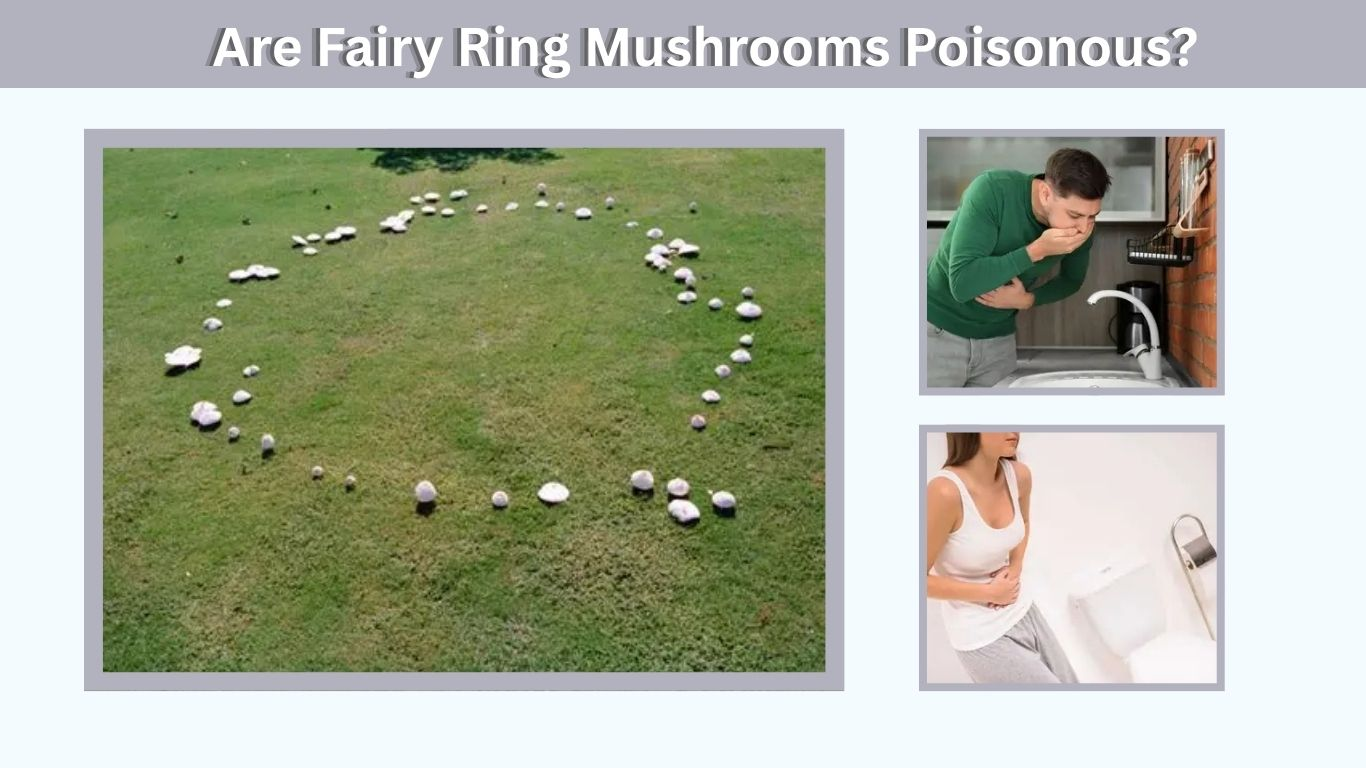
Field mushrooms (Agaricus campestris) are widely appreciated for their mild flavor, versatility, and nutritional benefits. Found in meadows, pastures, and grasslands, these wild mushrooms are popular among foragers and chefs alike. Proper identification is essential to avoid toxic look-alikes, while correct cleaning, storage, and cooking enhance flavor and safety. This guide provides essential information on identifying, harvesting, preparing, and cooking field mushrooms, along with recommended field guides and tips for beginners and experienced mushroom hunters alike.
Field mushrooms are versatile ingredients that can be sautéed, roasted, or stuffed, making them ideal for a variety of dishes. With knowledge of identification, recipes, and storage, anyone can enjoy them safely and deliciously.
What Are Field Mushrooms?
Field mushrooms are wild edible fungi belonging to the species Agaricus campestris. They are closely related to cultivated button mushrooms but grow naturally in fields and pastures. Identification is key, as several poisonous look-alikes exist. Field mushrooms are characterized by their cap color, gill development, and stem features, making accurate recognition essential for safe foraging and culinary use.
Identification Features
- Cap: White to pale brown, 5–10 cm wide
- Gills: Pink initially, turning chocolate brown as they mature
- Stem: White with a small ring near the top
- Smell: Mild, slightly sweet odor
Common Look-Alikes
- Death cap (Amanita phalloides)
- Yellow stainer (Agaricus xanthodermus)
- Horse mushroom (Agaricus arvensis)
Habitat and Distribution
Field mushrooms are found in meadows, pastures, and lightly wooded areas. They prefer nutrient-rich, undisturbed soil and are widely distributed in temperate regions, including Europe, North America, Australia, and New Zealand. They often appear in clusters during spring and autumn.
Field Guides and Identification Resources
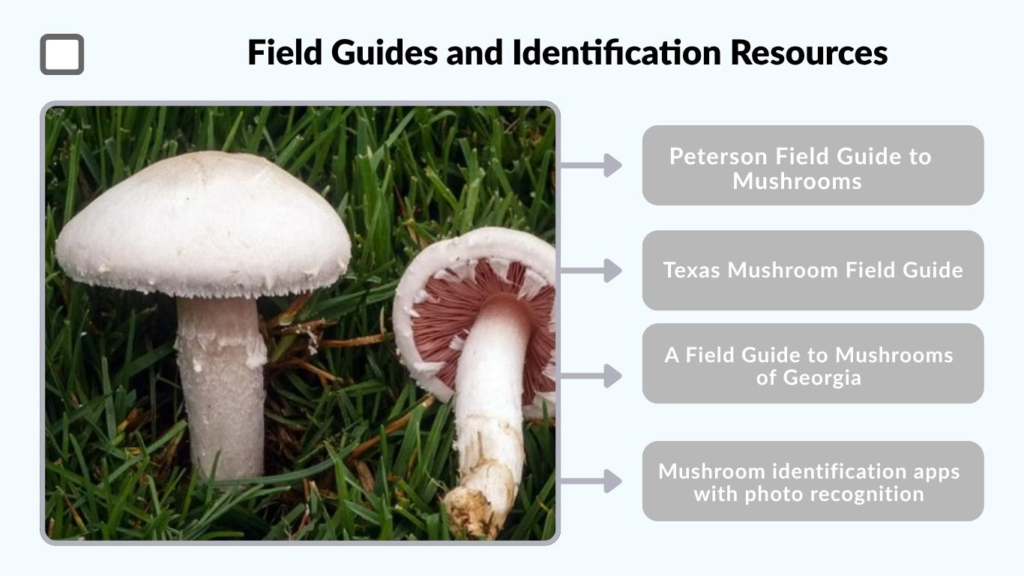
Using field guides is essential for safely identifying mushrooms. Trusted guides include print books, online databases, and digital apps, which provide images, habitat descriptions, and distinguishing features. Foraging with a reliable guide reduces the risk of consuming toxic look-alikes and helps beginners learn identification skills while building confidence in harvesting edible mushrooms.
Recommended Field Guides (List Section)
- National Audubon Society Field Guide to North American Mushrooms
- Peterson Field Guide to Mushrooms of North America
- Texas Mushroom Field Guide
- A Field Guide to Mushrooms of Georgia
- A Field Guide to Edible Mushrooms of the Pacific Northwest
Digital and Online Resources (List Section)
- Mushroom identification apps with photo recognition
- Online databases with habitat and species information
- Reddit and online forums for community guidance
- Minecraft and Terraria “mushroom field” references (fun educational analogs)
Cooking and Preparing Field Mushrooms
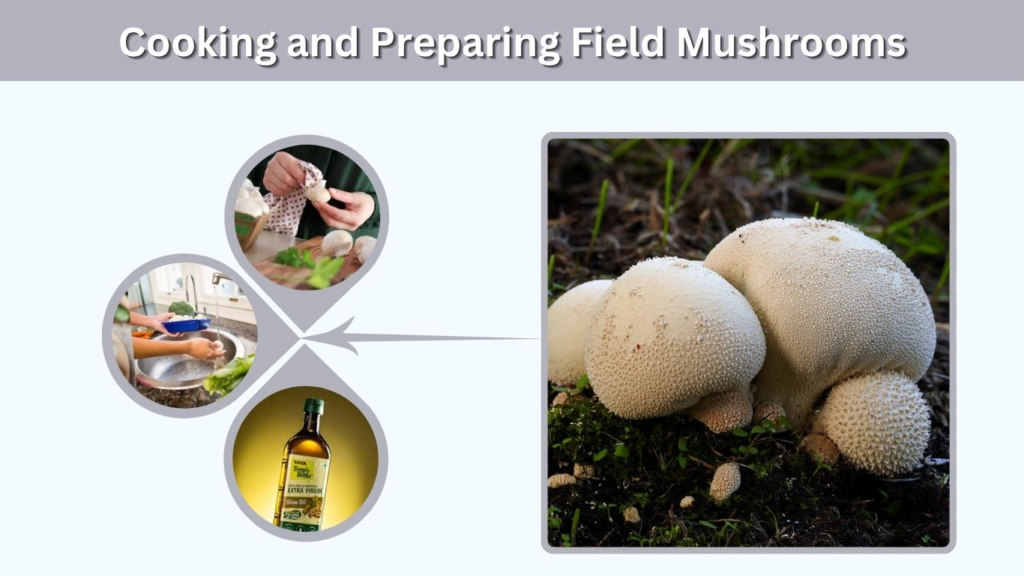
Field mushrooms are highly versatile in the kitchen, suitable for sautéing, roasting, and stuffing. Proper cleaning, slicing, and cooking help preserve texture and flavor while minimizing the risk of contamination. They can be combined with vegetables, grains, or proteins, making them ideal for both simple weeknight meals and gourmet dishes.
Cleaning and Preparation
- Brush dirt off with a soft brush or damp cloth
- Avoid soaking in water to prevent sogginess
- Slice, quarter, or leave whole depending on recipe
Cooking Methods (List Section)
- Sauté with butter, olive oil, or garlic
- Roast or bake with herbs and seasoning
- Add to soups, stews, or pasta dishes
- Stuff with grains, cheese, or vegetables
Storage Tips (List Section)
- Refrigerate in paper bags for 5–7 days
- Freeze only after cooking to preserve texture
- Avoid plastic bags that trap moisture
Nutrition and Health Benefits of Field Mushrooms
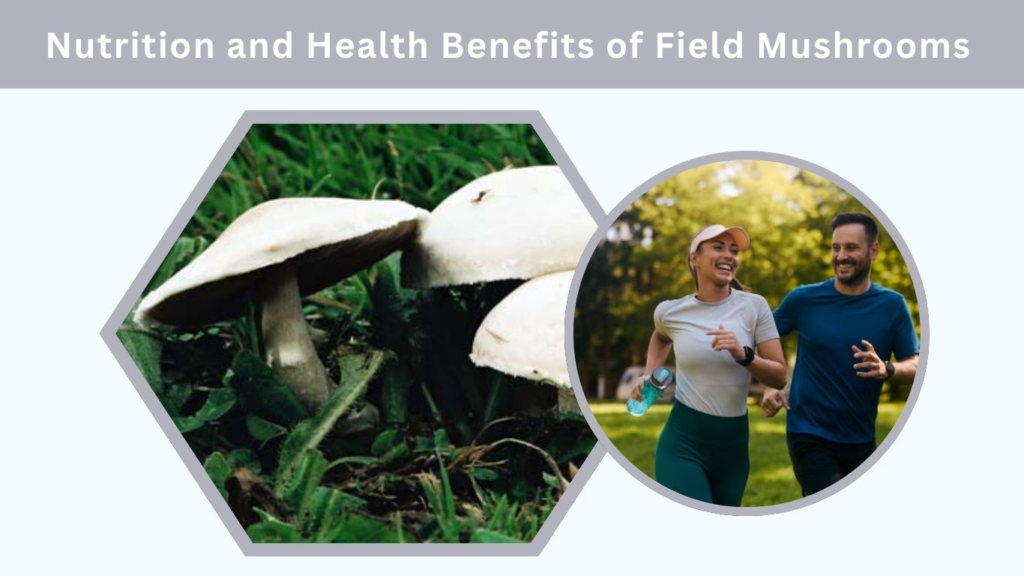
Field mushrooms are low-calorie, nutrient-rich foods that provide protein, dietary fiber, vitamins, and minerals. They are an excellent addition to a healthy diet, supporting heart health, immunity, and digestive wellness. Their antioxidants and bioactive compounds may help reduce inflammation and protect cells from damage, making field mushrooms both flavorful and functional in meals.
Nutritional Facts
- Calories: ~22 kcal per 100g
- Protein: ~3g per 100g
- Carbohydrates: ~3g per 100g
- Fat: <1g per 100g
- Vitamins: B2 (riboflavin), B3 (niacin), B5 (pantothenic acid)
- Minerals: potassium, phosphorus, selenium
- Contains antioxidants and dietary fiber
Health Benefits
- Supports immune system function
- Promotes heart health and healthy blood pressure
- Helps with weight management due to low-calorie content
- Anti-inflammatory and antioxidant properties protect cells
Potential Risks
- Raw consumption may cause mild digestive upset in sensitive individuals
- Misidentification with toxic look-alikes can lead to poisoning
- Dogs should only consume small, properly cooked portions
Popular Field Mushroom Recipes
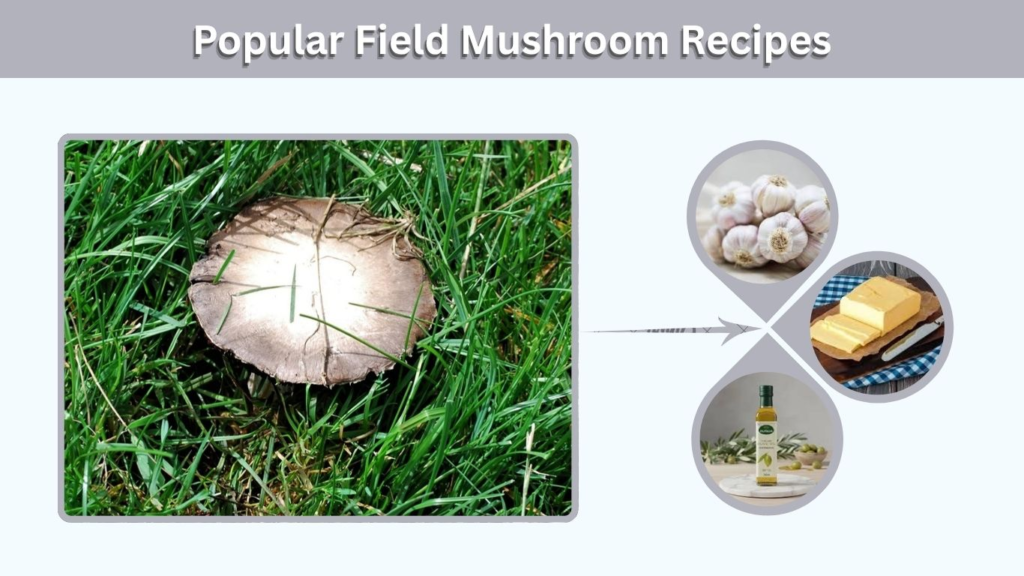
Field mushrooms are versatile in the kitchen, lending themselves to both simple and gourmet recipes. Their mild, earthy flavor pairs well with a variety of ingredients. They can be sautéed, roasted, stuffed, or added to soups and pasta dishes. Recipes highlight their ability to complement both vegetarian and meat-based meals.
Sautéed and Roasted Recipes (List Section)
- Garlic butter sautéed field mushrooms
- Roasted field mushrooms with olive oil and thyme
- Mushroom risotto with Parmesan
- Grilled field mushroom skewers
Stuffed Mushroom Recipes (List Section)
- Spinach and cheese stuffed field mushrooms
- Quinoa and vegetable stuffing
- Sausage and herb stuffed mushrooms
- Crab or seafood-filled mushrooms for appetizers
Other Creative Ideas
- Field mushroom pasta with cream sauce
- Mushroom pizza topping
- Mushroom-based soups and stews
- Field mushroom sandwiches or burgers
Field Mushroom Foraging Tips
Foraging for field mushrooms can be rewarding, but safety and sustainability are critical. Understanding habitats, seasonal growth, and identification features is essential. Always cross-check with reliable guides, harvest responsibly, and avoid areas exposed to pesticides or pollution to ensure safe consumption.
Foraging Guidelines
- Learn to identify edible vs. poisonous mushrooms
- Harvest in meadows, pastures, and lightly wooded areas
- Avoid overharvesting; leave some mushrooms to reproduce
- Use gloves or a basket to collect specimens
- Cross-check with field guides or apps before consumption
FAQs
Are field mushrooms safe to eat?
Yes, wild field mushrooms (Agaricus campestris) are safe when correctly identified. Caution is necessary due to similar-looking toxic species.
Can dogs eat field mushrooms?
Cooked field mushrooms are generally safe for dogs in small quantities. Avoid feeding wild mushrooms that have not been properly identified.
How should field mushrooms be stored?
Refrigerate in a paper bag for up to 5–7 days. Freeze only after cooking to maintain texture and flavor.
Are field mushrooms poisonous?
Field mushrooms themselves are edible. However, misidentifying them with toxic species like death caps can be dangerous. Proper identification is essential.
How do you dry field mushrooms?
Clean and slice the mushrooms, then use a dehydrator or low-heat oven. Store in airtight containers in a cool, dry place.