
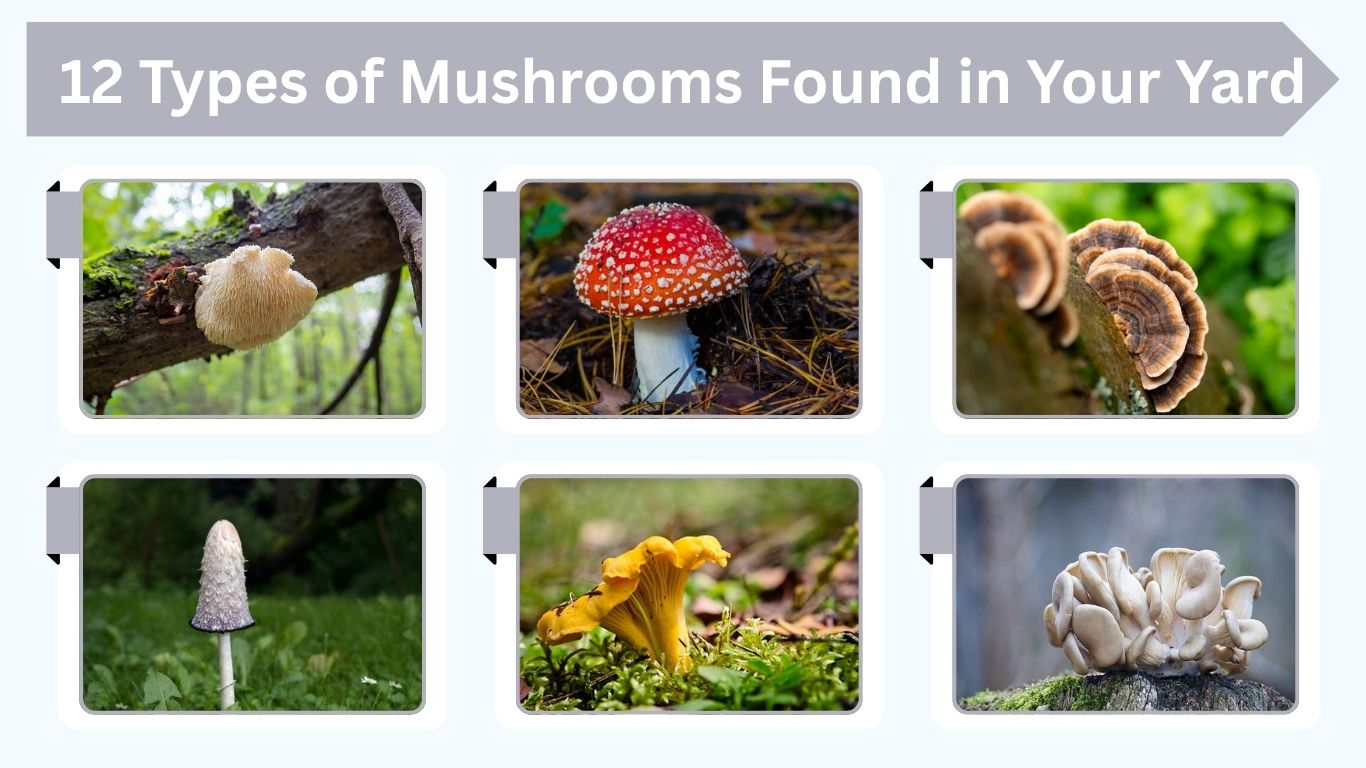
Mushrooms commonly appear in yards after rainfall, especially in damp soil, grassy lawns, and areas with decaying wood. Some varieties are edible, while others may be toxic, making proper identification very important before touching or consuming them.
From common button mushrooms to colorful turkey tail fungi, each type has unique features, habitats, and uses. Understanding these mushrooms can help homeowners recognize what is growing in their outdoor spaces and learn more about the fascinating world of fungi.
1. Button Mushroom
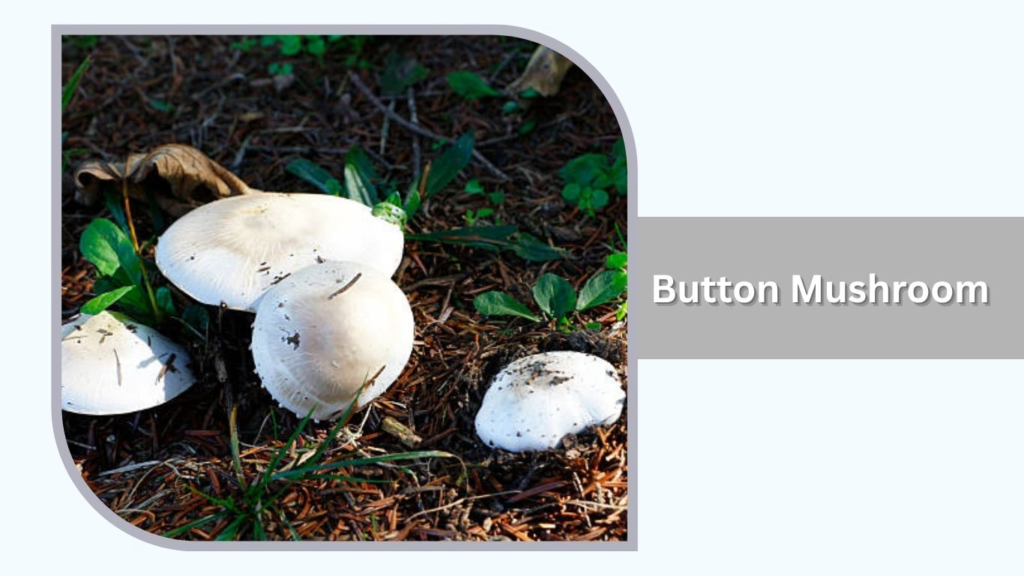
Button mushrooms are one of the most common mushrooms found in gardens and grassy yards. They usually grow after rain in moist soil and are known for their small white caps and short stems.
Identification
- Small round white or light brown cap
- Smooth surface with soft texture
- Short white stem
- Grows in clusters or small groups
- Found in lawns, compost, or damp soil
Habitat
Button mushrooms prefer nutrient-rich soil and damp environments. They often appear in backyards, gardens, and grassy fields during cool and wet weather. These mushrooms grow quickly after rainfall and can last several days before drying out.
Uses
Many button mushrooms are edible and widely used in cooking around the world. They are commonly added to soups, salads, pizzas, and pasta dishes. Store-bought varieties are carefully cultivated for safe consumption.
Safety
Wild mushrooms in yards should never be eaten without expert identification. Some poisonous mushrooms closely resemble button mushrooms, making accidental poisoning possible. Always consult a mushroom expert before consuming any wild variety.
2. Portobello Mushroom
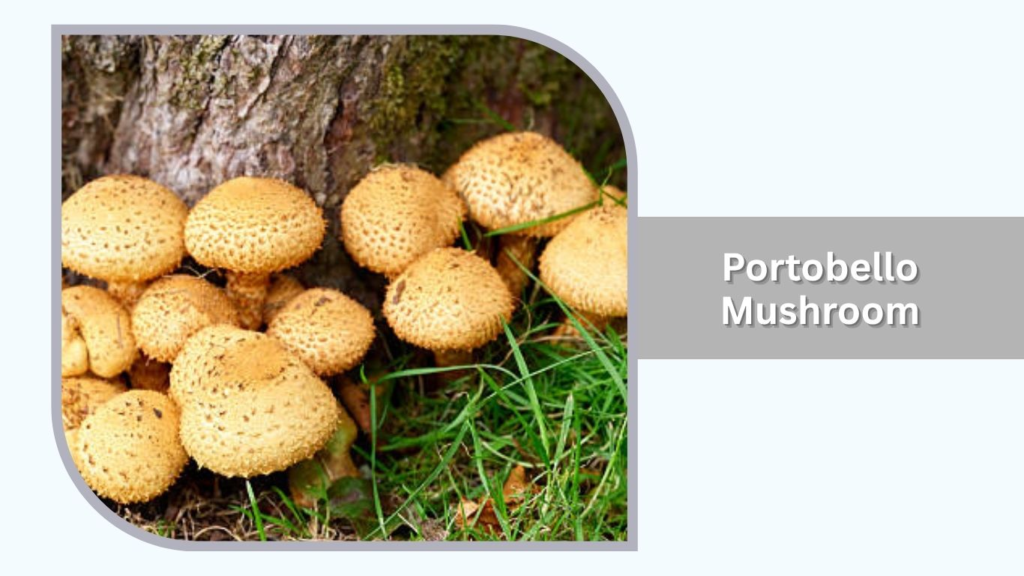
Portobello mushrooms are large, mature mushrooms commonly recognized by their broad brown caps and rich earthy flavor. They can sometimes appear in compost-rich yards and gardens during moist weather conditions.
Identification
- Large flat brown cap
- Thick and firm texture
- Dark gills under the cap
- Short, sturdy stem
- Usually grows in damp soil or mulch
Habitat
Portobello mushrooms grow best in organic-rich soil with high moisture levels. They are often found in gardens, compost piles, and shaded grassy areas. Warm temperatures combined with rainfall create ideal growing conditions for them.
Uses
These mushrooms are popular in cooking because of their meaty texture. They are commonly grilled, roasted, or used as a meat substitute in burgers and sandwiches. Their deep flavor also makes them suitable for soups and pasta dishes.
Safety
Although cultivated portobello mushrooms are safe to eat, wild mushrooms should be identified carefully. Some toxic mushrooms can look similar in shape and color. Avoid eating mushrooms from the yard unless confirmed safe by an expert.
3. Cremini Mushroom
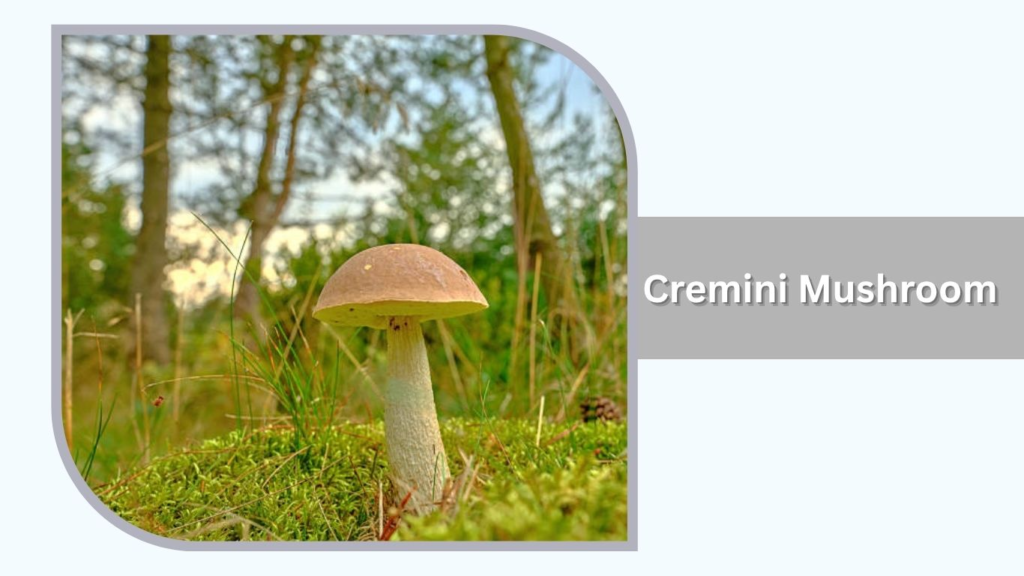
Cremini mushrooms are young brown mushrooms closely related to button and portobello mushrooms. They are known for their mild earthy flavor and may occasionally grow in damp lawns, gardens, or compost-rich soil.
Identification
- Medium-sized brown cap
- Smooth and slightly firm surface
- Light to dark brown color
- Short pale stem
- Grows singly or in small clusters
Habitat
Cremini mushrooms thrive in moist soil filled with organic matter. They are commonly found in gardens, grassy yards, and areas with decaying leaves or compost. Cool and rainy weather encourages their growth in outdoor spaces.
Uses
Cremini mushrooms are widely used in cooking because of their rich taste and firm texture. They are added to soups, stir-fries, pasta dishes, and sauces. Many people prefer them over button mushrooms for their deeper flavor.
Safety
Wild cremini-like mushrooms should not be eaten without proper identification. Several poisonous mushrooms resemble edible brown mushrooms, making confusion dangerous. Always seek expert advice before consuming mushrooms collected from a yard or garden.
4. Morel Mushroom
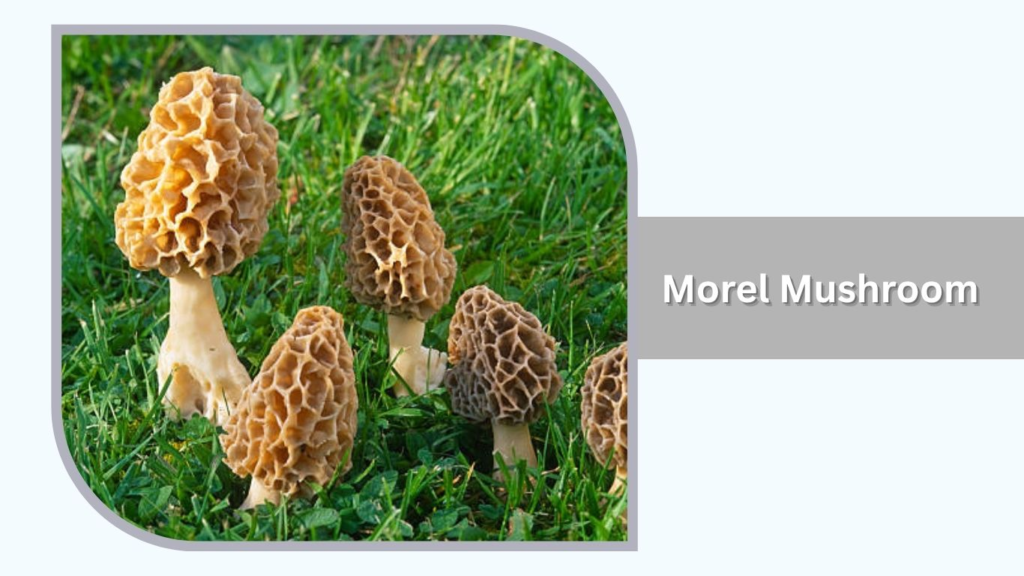
Morel mushrooms are highly valued wild mushrooms known for their unique honeycomb-like caps. They usually appear during spring in moist outdoor areas and are considered a favorite among mushroom hunters.
Identification
- Honeycomb-patterned cap
- Cone-shaped appearance
- Light brown to dark brown color
- Hollow inside from cap to stem
- Soft white or cream-colored stem
Habitat
Morel mushrooms grow in damp woodland areas, gardens, and sometimes grassy yards near decaying organic matter. They often appear after spring rain and prefer cool temperatures with rich soil conditions.
Uses
Morels are prized for their rich earthy flavor and are commonly used in gourmet cooking. They are often sautéed in butter, added to creamy sauces, or served with meat dishes. Their texture becomes tender when cooked properly.
Safety
Only true morels are safe to eat after cooking. False morels can look similar but may contain dangerous toxins. Careful identification is essential before eating any wild morel-type mushroom found in a yard or forest.
5. Shiitake Mushroom
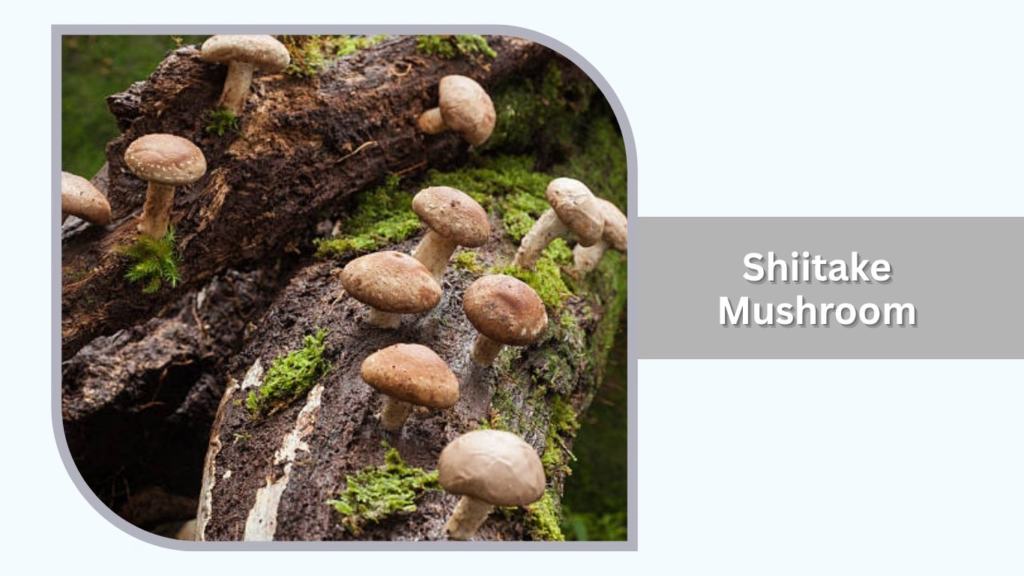
Shiitake mushrooms are popular edible mushrooms known for their rich flavor and soft texture. Although they are usually cultivated on wood logs, they may sometimes grow in wooded yards with decaying tree material.
Identification
- Medium-sized umbrella-shaped cap
- Brown cap with slightly curled edges
- Cream-colored underside
- Thick pale stem
- Grows on wood or decaying logs
Habitat
Shiitake mushrooms naturally grow on hardwood trees and fallen logs in moist environments. They prefer shaded areas with plenty of humidity and organic material. In some yards, they may appear near old wood piles or tree stumps.
Uses
Shiitake mushrooms are widely used in Asian cuisine because of their smoky and savory taste. They are commonly added to soups, noodles, stir-fries, and rice dishes. Many people also use them in dried form for stronger flavor.
Safety
Cultivated shiitake mushrooms are generally safe to eat, but wild mushrooms growing on wood should be identified carefully. Some toxic fungi resemble edible varieties, so expert confirmation is important before consumption.
6. Oyster Mushroom
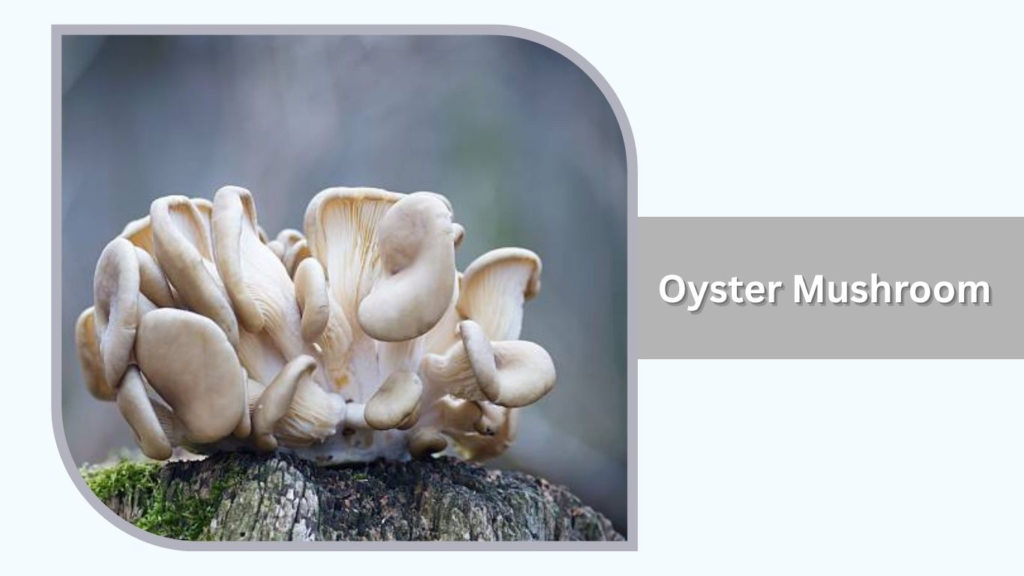
Oyster mushrooms are soft edible mushrooms recognized for their fan-like shape and pale color. They commonly grow on dead wood and may appear in yards with old trees, logs, or damp wooden surfaces.
Identification
- Fan-shaped or oyster-like cap
- White, gray, or light brown color
- Smooth soft surface
- Short or nearly invisible stem
- Grows in layered clusters on wood
Habitat
Oyster mushrooms thrive in moist and shaded environments with decaying wood. They are often found on fallen logs, tree trunks, and dead branches. Rainy weather and high humidity help them grow rapidly in outdoor spaces.
Uses
These mushrooms are widely used in cooking because of their delicate texture and mild flavor. They are commonly stir-fried, grilled, or added to soups and noodle dishes. Oyster mushrooms are also popular in vegetarian meals.
Safety
Although oyster mushrooms are edible, wild mushrooms growing on wood should always be identified carefully. Some poisonous fungi resemble them in appearance. Never consume yard mushrooms unless they are confirmed safe by an expert.
7. Chanterelle Mushroom
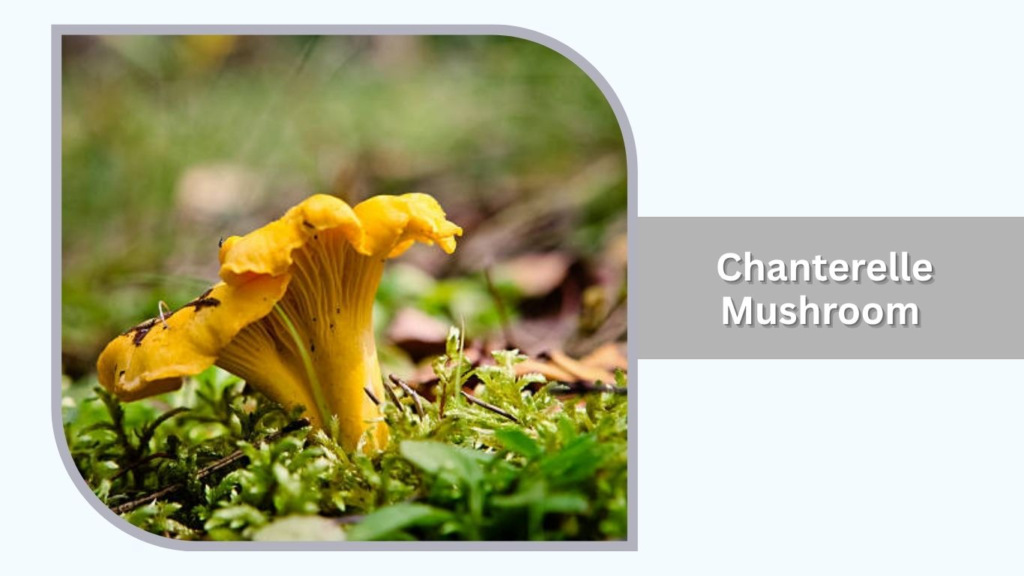
Chanterelle mushrooms are famous wild mushrooms known for their bright golden color and fruity aroma. They usually grow in moist natural areas and may occasionally appear in shady yards near trees.
Identification
- Bright yellow or orange color
- Funnel-shaped cap
- Wavy cap edges
- Thick ridges under the cap instead of true gills
- Firm white or pale stem
Habitat
Chanterelle mushrooms grow in damp soil near hardwood or conifer trees. They prefer shaded environments with rich organic matter and often appear after heavy rain during warm seasons. Forest edges and wooded yards provide suitable conditions.
Uses
These mushrooms are highly valued in cooking because of their rich flavor and soft texture. They are commonly sautéed with butter, added to pasta dishes, or served with meat and vegetables in gourmet recipes.
Safety
Wild chanterelles must be identified carefully because some poisonous mushrooms look similar. False chanterelles and jack-o’-lantern mushrooms can cause illness if eaten. Always verify identification with an experienced mushroom expert before consumption.
8. Puffball Mushroom
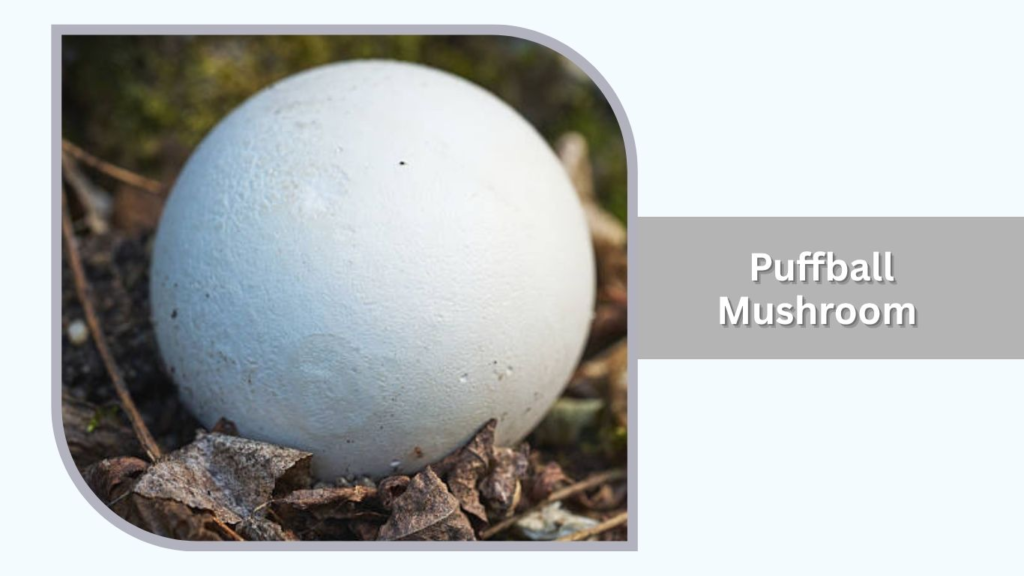
Puffball mushrooms are unusual round mushrooms often seen in grassy yards and open fields. They are known for releasing clouds of spores when mature and touched or stepped on.
Identification
- Round or ball-shaped body
- White or cream color when young
- No visible cap or stem
- Soft smooth outer surface
- Releases powdery spores when mature
Habitat
Puffball mushrooms grow in lawns, meadows, gardens, and grassy outdoor spaces with moist soil. They commonly appear after rain during warm and humid weather. Some varieties grow alone, while others appear in small groups.
Uses
Certain young puffball mushrooms are edible and used in soups, frying, and grilling. Their soft texture and mild taste make them suitable for simple recipes. Only pure white puffballs without internal structures are considered edible.
Safety
Older puffball mushrooms should not be eaten because they become filled with spores. Some poisonous mushrooms in early growth stages can resemble puffballs. Proper identification is necessary before consuming any wild mushroom from a yard.
9. Turkey Tail Mushroom
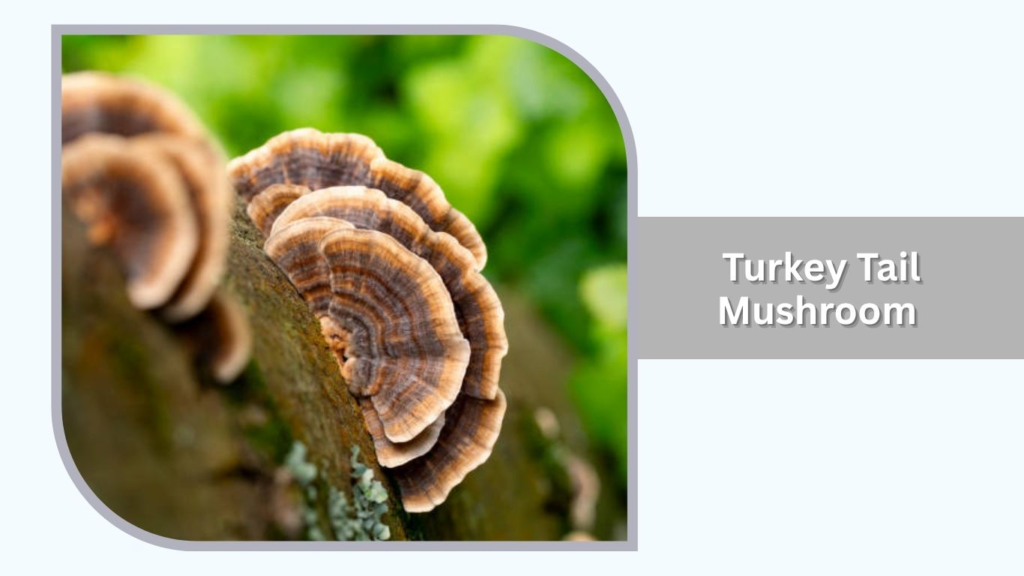
Turkey tail mushrooms are colorful fungi commonly found on dead wood and tree stumps. They are named for their striped appearance, which resembles the feathers of a wild turkey’s tail.
Identification
- Thin fan-shaped structure
- Colorful rings of brown, gray, white, or orange
- Velvety surface texture
- No visible stem
- Grows in overlapping layers on wood
Habitat
Turkey tail mushrooms thrive on decaying logs, fallen branches, and old tree stumps in moist environments. They are common in wooded yards, forests, and shaded gardens where dead wood is present throughout the year.
Uses
These mushrooms are widely known for their use in traditional herbal practices. They are often dried and used to make teas, powders, and supplements. Their tough texture makes them unsuitable for normal cooking.
Safety
Turkey tail mushrooms are generally considered non-poisonous, but correct identification is still important. Some similar-looking fungi may not have the same properties. Avoid collecting mushrooms from polluted or chemically treated areas.
10. Ink Cap Mushroom
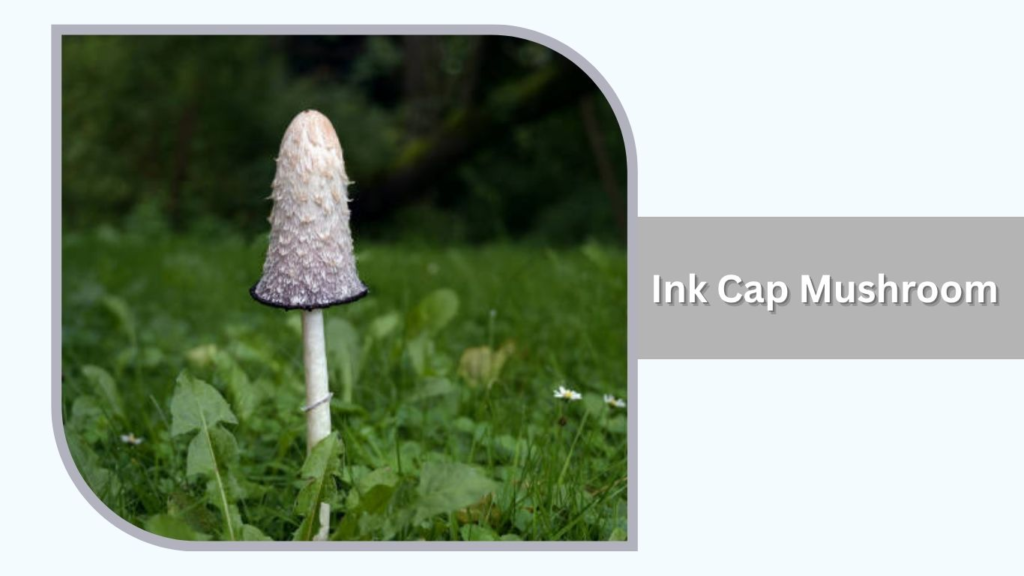
Ink cap mushrooms are unique fungi known for their ability to dissolve into a black liquid as they mature. They often grow in lawns, gardens, and areas rich in decaying organic matter after rainfall.
Identification
- Bell-shaped gray or white cap
- Thin fragile stem
- Dark gills under the cap
- Cap edges curl upward with age
- Turns into black liquid when mature
Habitat
Ink cap mushrooms grow in damp soil, grassy yards, compost piles, and near decaying wood. They appear quickly after rain and usually last only a short time before breaking down naturally.
Uses
Some young ink cap mushrooms are edible and used in soups or sautéed dishes before they begin dissolving. Their delicate texture and mild flavor make them suitable for light cooking when freshly harvested.
Safety
Certain ink cap species can react dangerously with alcohol and may cause illness if consumed together. Because some poisonous varieties resemble edible ones, proper identification is necessary before eating any wild ink cap mushroom.
11. Amanita Mushroom
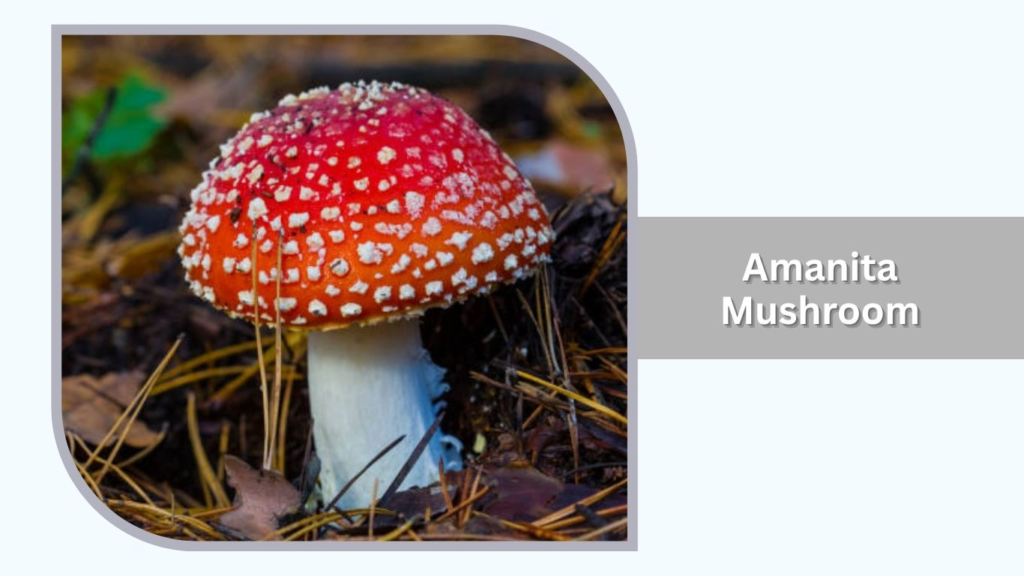
Amanita mushrooms are well-known wild mushrooms that include both beautiful and highly poisonous species. They are commonly found in wooded yards, gardens, and grassy areas near trees during wet seasons.
Identification
- Umbrella-shaped cap
- White spots or patches on the cap
- Thick white stem
- Ring around the stem
- Cup-like structure at the base
Habitat
Amanita mushrooms grow in soil near trees where moisture and organic matter are abundant. They are often seen in forests, lawns, and shaded outdoor areas after rainfall during warm and humid weather.
Uses
Some amanita species have cultural and historical significance, but many are not safe for consumption. Because of the extreme danger associated with certain varieties, they are rarely recommended for culinary use.
Safety
Many amanita mushrooms are highly toxic and can cause severe illness or death if eaten. Even experienced foragers handle them carefully. Never consume any amanita mushroom unless it has been identified by a trained expert.
12. Lion’s Mane Mushroom
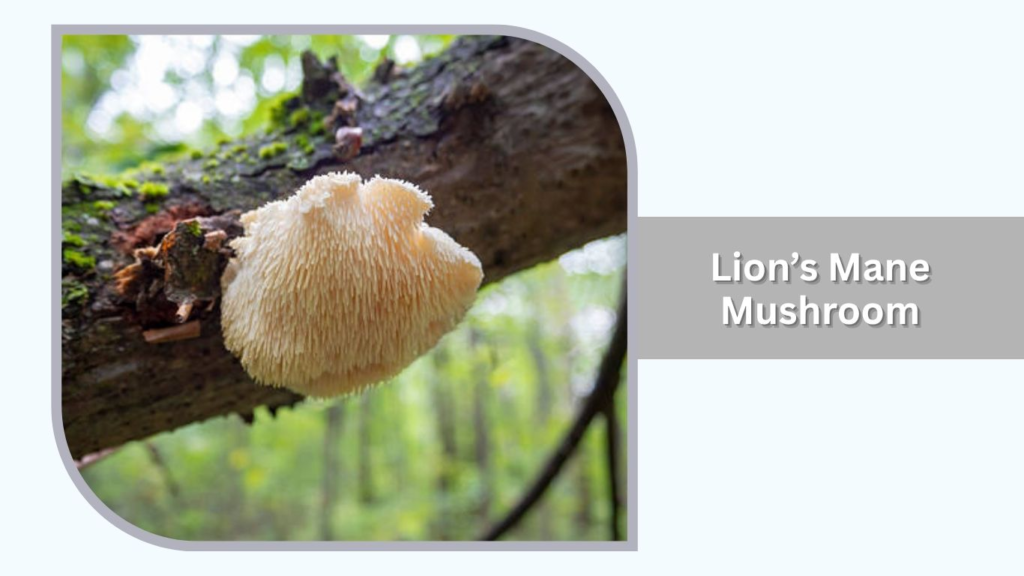
Lion’s Mane mushrooms are unusual edible fungi recognized for their long white spines that resemble a lion’s mane. They usually grow on hardwood trees and may appear in wooded yards with old logs or stumps.
Identification
- White shaggy appearance
- Long hanging spines
- Round clustered shape
- Soft and fluffy texture
- Grows directly on wood surfaces
Habitat
Lion’s Mane mushrooms prefer humid environments with decaying hardwood trees. They are commonly found on dead logs, tree trunks, and stumps in shaded outdoor spaces during late summer and autumn.
Uses
These mushrooms are popular in cooking because of their soft texture and seafood-like flavor. They are often fried, roasted, or added to soups. Many people also value them in traditional wellness practices.
Safety
Lion’s Mane mushrooms are generally considered safe when correctly identified. However, wild mushrooms can sometimes be confused with other fungi. Careful identification is important before eating mushrooms collected from natural environments.
FAQs
Are mushrooms in the yard dangerous?
Not all yard mushrooms are dangerous, but some can be highly toxic. Many harmless mushrooms closely resemble poisonous varieties, making identification difficult for beginners. It is safest to avoid touching or eating unknown mushrooms without expert guidance.
Why do mushrooms grow in my lawn?
Mushrooms grow when soil contains moisture, shade, and decaying organic matter. Rainy weather, rotting wood, and nutrient-rich soil create ideal conditions for fungal growth. They are a natural part of the decomposition process in outdoor environments.
Can I remove mushrooms from my yard permanently?
You can reduce mushroom growth by removing excess moisture, dead wood, and organic debris from the lawn. Improving sunlight exposure and lawn drainage may also help. However, mushrooms can return because fungal spores naturally exist in soil.
Are all white mushrooms edible?
No, many white mushrooms are poisonous despite looking harmless. Some toxic species closely resemble edible mushrooms such as button mushrooms. Proper identification by a trained expert is necessary before consuming any wild mushroom found outdoors.
What should I do if a pet eats a wild mushroom?
If a pet eats a wild mushroom, contact a veterinarian immediately. Some mushrooms contain toxins that can cause serious illness or even death in animals. Taking a photo or sample of the mushroom may help experts identify it quickly.