
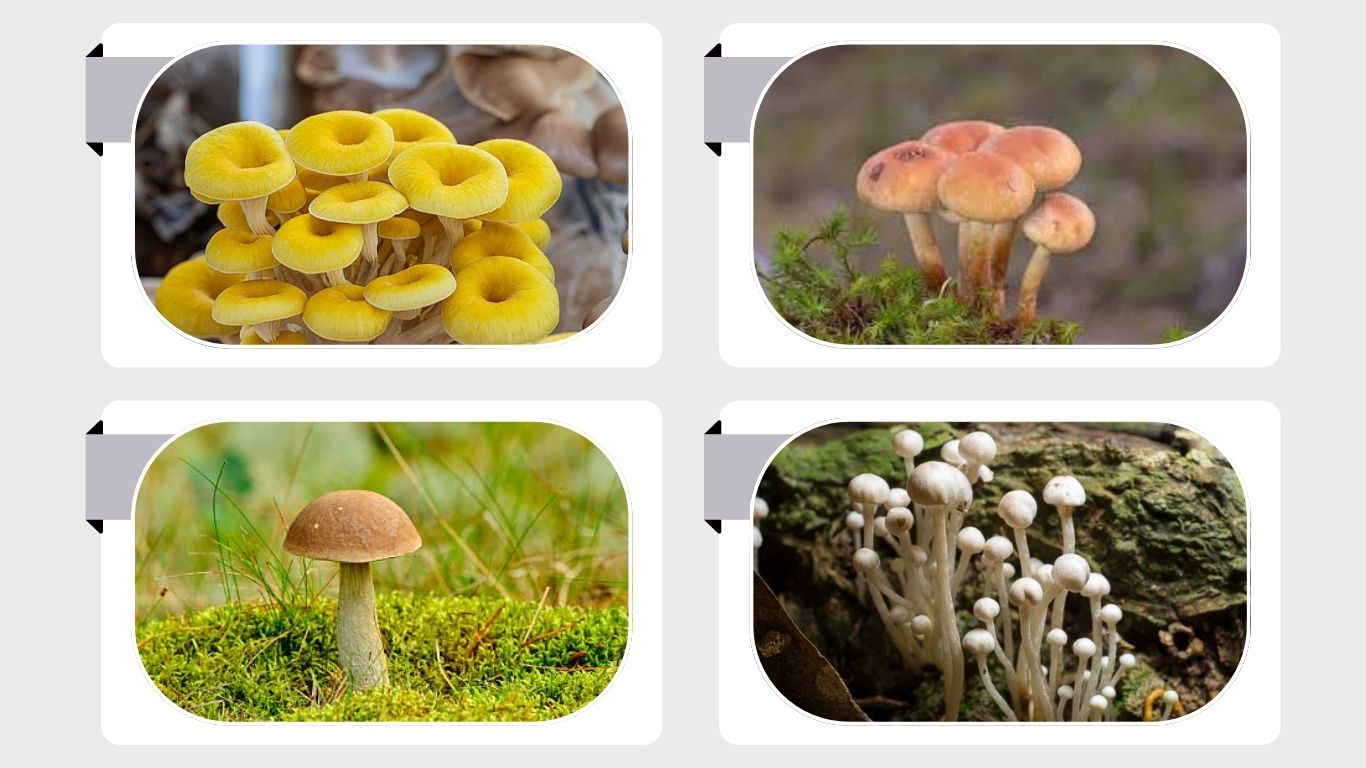
Japanese mushrooms are an important part of traditional cuisine and are valued for their unique flavors, textures, and nutritional benefits. From the rich taste of shiitake mushrooms to the delicate crunch of enoki, these mushrooms are widely used in soups, noodles, rice dishes, and hot pots across Japan.
Many Japanese mushrooms grow naturally in forests, while others are cultivated in controlled environments for year-round availability. Learning about different mushroom varieties helps people understand their appearance, habitat, culinary uses, and safety before trying them in everyday meals.
1. Shiitake Mushroom
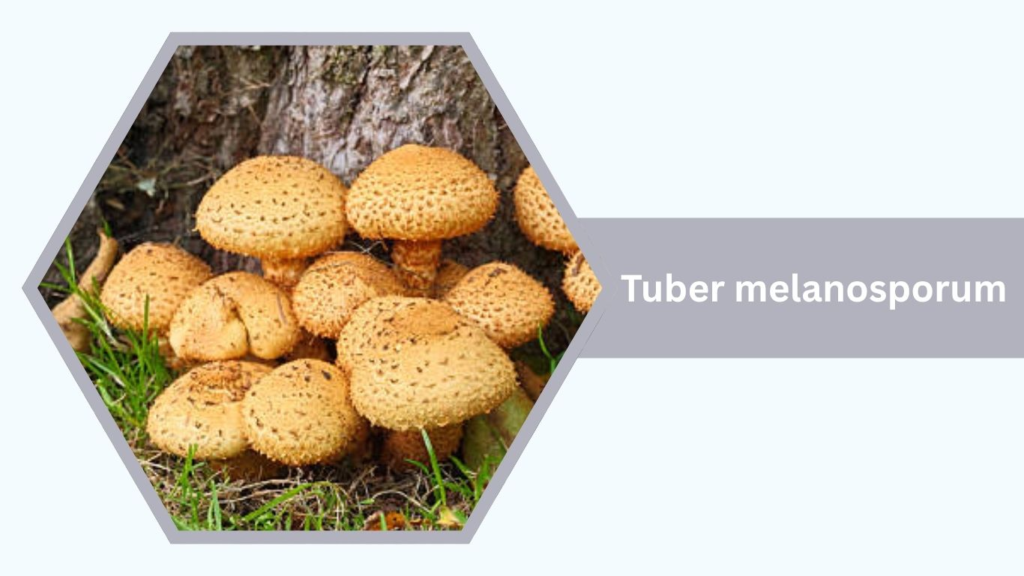
Shiitake mushrooms are one of the most popular mushrooms in Japan, known for their rich flavor and soft texture. They are widely used in traditional Japanese cuisine and are commonly grown on hardwood logs.
Identification
- Brown umbrella-shaped cap
- Slightly curved cap edges
- Cream-colored underside
- Thick pale stem
- Smooth and soft texture
Habitat
Shiitake mushrooms naturally grow on decaying hardwood trees in moist forests. In Japan, they are often cultivated on oak or chestnut logs in shaded environments with high humidity and cool temperatures.
Uses
These mushrooms are widely used in soups, ramen, stir-fries, and rice dishes. Shiitake mushrooms can be eaten fresh or dried, with dried varieties offering a stronger and deeper flavor commonly used in Japanese cooking.
Safety
Shiitake mushrooms sold commercially are safe to eat when properly cooked. However, eating them raw may cause skin irritation in some people. Wild mushrooms should always be identified carefully before consumption.
2. Enoki Mushroom
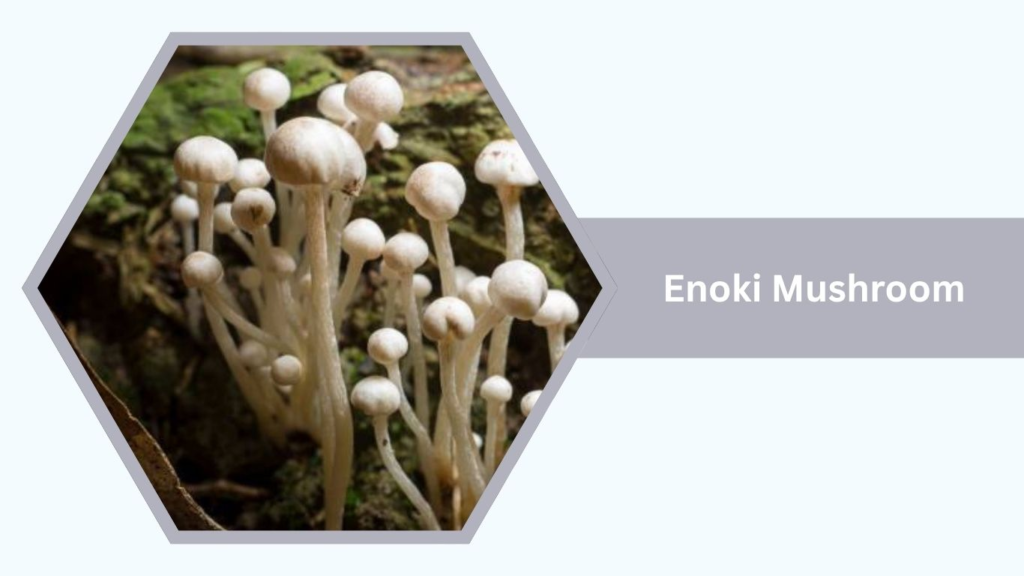
Enoki mushrooms are delicate Japanese mushrooms recognized for their long thin stems and tiny caps. They are widely used in Japanese cuisine because of their mild flavor and crunchy texture.
Identification
- Long thin white stems
- Small round caps
- Smooth soft texture
- Grows in tight clusters
- Bright white or pale cream color
Habitat
Enoki mushrooms naturally grow on tree stumps and decaying wood in cool environments. In Japan, they are commonly cultivated indoors under controlled conditions to maintain their pale color and slender shape.
Uses
These mushrooms are commonly added to soups, ramen, hot pots, and salads. Their crunchy texture remains even after light cooking, making them popular in many Japanese and Asian dishes.
Safety
Commercially grown enoki mushrooms are generally safe to eat when cooked properly. However, they should be washed thoroughly before use. Wild mushrooms resembling enoki should never be consumed without expert identification.
3. Maitake Mushroom
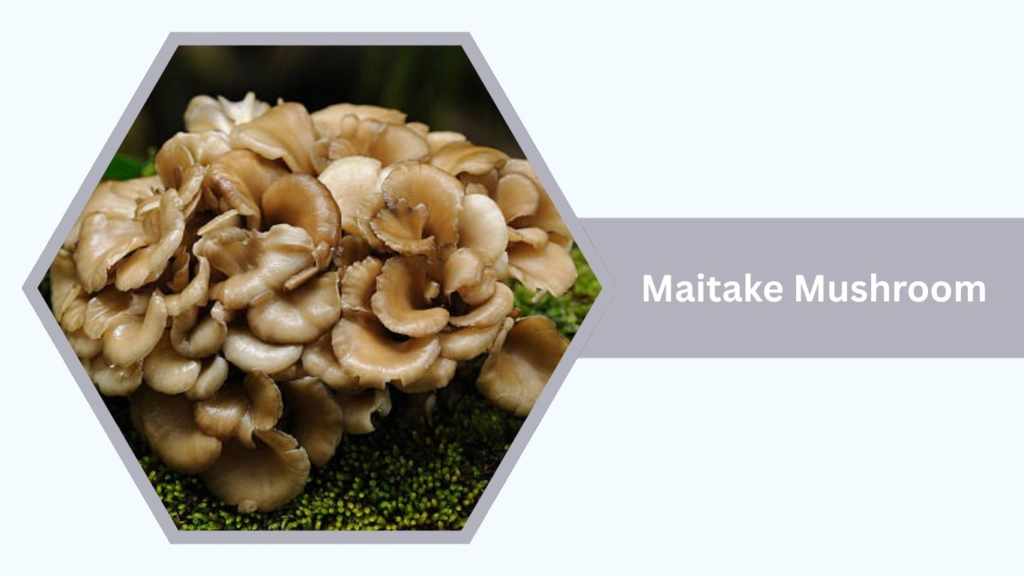
Maitake mushrooms are famous Japanese mushrooms known for their clustered appearance and rich earthy flavor. Their name means “dancing mushroom” in Japanese because they were once considered highly valuable.
Identification
- Large leafy clustered shape
- Grayish-brown color
- Soft ruffled edges
- Thick branching base
- Grows in dense overlapping layers
Habitat
Maitake mushrooms grow near the roots of hardwood trees, especially oak trees, in moist forests. They thrive in cool temperatures and are also cultivated commercially in Japan for culinary purposes.
Uses
These mushrooms are commonly used in soups, stir-fries, tempura, and hot pots. Maitake mushrooms are valued for their deep savory taste and tender texture, making them a favorite ingredient in Japanese cooking.
Safety
Maitake mushrooms are generally safe when properly cooked. However, wild mushrooms can sometimes be confused with harmful varieties. Careful identification is important before eating mushrooms collected from forests or outdoor areas.
4. Shimeji Mushroom
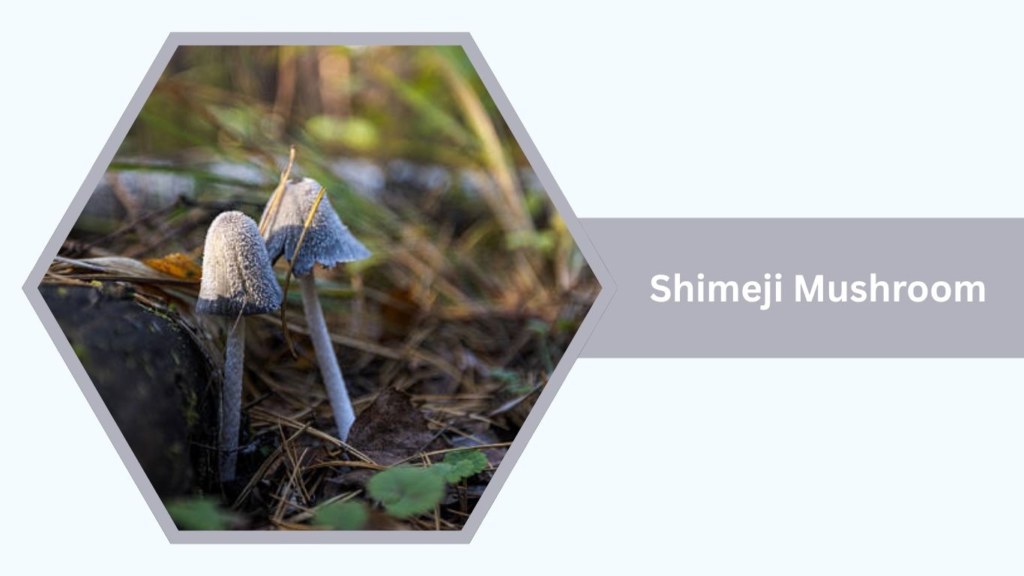
Shimeji mushrooms are small Japanese mushrooms known for their nutty flavor and crisp texture. They usually grow in clusters and are commonly used in soups, noodles, and stir-fried dishes across Japan.
Identification
- Small rounded caps
- Thin white stems
- Brown or cream-colored tops
- Grows in tight clusters
- Firm and slightly crunchy texture
Habitat
Shimeji mushrooms naturally grow on fallen trees and decaying wood in humid forests. In Japan, they are widely cultivated in controlled environments to maintain freshness and consistent quality throughout the year.
Uses
These mushrooms are often added to ramen, rice dishes, soups, and hot pots. Cooking enhances their mild nutty flavor and removes the slight bitterness they may have when raw.
Safety
Cultivated shimeji mushrooms are safe to eat after cooking. Raw shimeji mushrooms may taste bitter and can cause stomach discomfort in some people. Wild mushrooms should always be identified properly before consumption.
5. Matsutake Mushroom
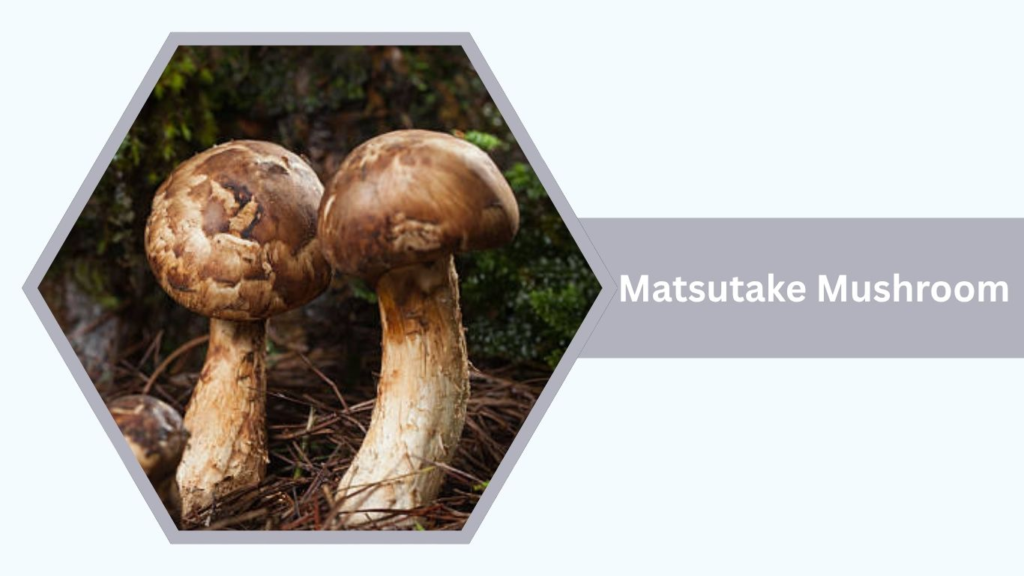
Matsutake mushrooms are rare and highly prized mushrooms in Japan, famous for their spicy aroma and rich flavor. They are considered a luxury ingredient and are often associated with autumn cuisine.
Identification
- Thick white stem
- Brown cap with rough texture
- Strong spicy aroma
- Firm meaty texture
- Usually partially hidden under forest leaves
Habitat
Matsutake mushrooms grow near pine trees in cool forest environments with well-drained soil. They are difficult to cultivate, so most matsutake mushrooms are collected from natural forests during autumn.
Uses
These mushrooms are commonly used in rice dishes, soups, grilled meals, and traditional Japanese seasonal recipes. Their unique aroma is highly valued and often becomes the main flavor of the dish.
Safety
Matsutake mushrooms are edible and safe when correctly identified. However, some poisonous mushrooms may resemble them in appearance. Wild mushroom collection should only be done with expert knowledge and proper guidance.
6. Nameko Mushroom
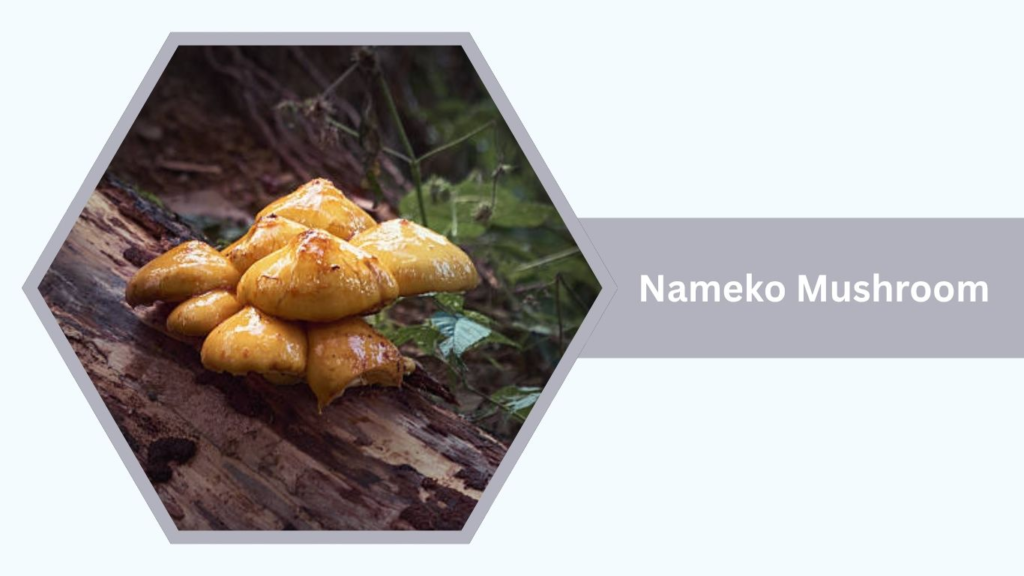
Nameko mushrooms are small Japanese mushrooms recognized for their glossy, slippery surface and mild earthy flavor. They are commonly used in traditional Japanese soups and noodle dishes.
Identification
- Small amber or orange-brown caps
- Slippery gelatinous surface
- Thin pale stems
- Smooth shiny appearance
- Grows in dense clusters
Habitat
Nameko mushrooms naturally grow on decaying hardwood logs in moist forest environments. In Japan, they are widely cultivated in humid conditions that support their unique sticky coating and clustered growth.
Uses
These mushrooms are often added to miso soup, noodles, and hot pots. Their slippery texture thickens soups naturally and gives dishes a smooth consistency that is popular in Japanese cuisine.
Safety
Cultivated nameko mushrooms are safe to eat when cooked properly. Wild mushrooms with similar appearances may not be edible, so proper identification is important before consuming mushrooms gathered from forests.
7. Eringi Mushroom
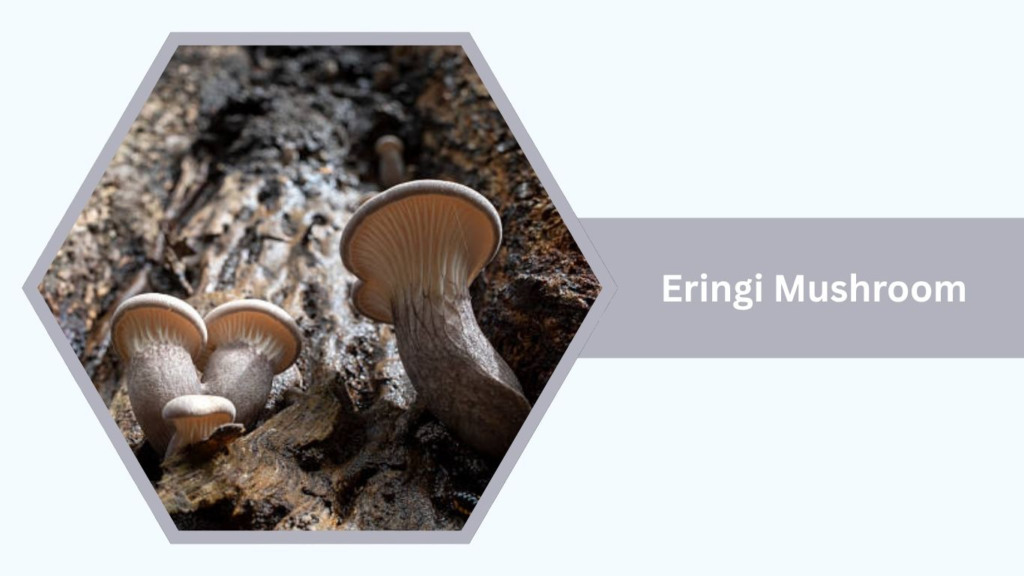
Eringi mushrooms, also called king oyster mushrooms, are popular Japanese mushrooms known for their thick stems and meaty texture. They are commonly used in grilled and stir-fried Japanese dishes.
Identification
- Thick white stem
- Small brown cap
- Firm and dense texture
- Smooth surface
- Cylindrical mushroom shape
Habitat
Eringi mushrooms naturally grow in grassy areas and around plant roots in Mediterranean regions, but they are widely cultivated in Japan under controlled indoor conditions with regulated humidity and temperature.
Uses
These mushrooms are valued for their chewy texture and mild savory flavor. They are commonly grilled, sautéed, or added to rice dishes, soups, and stir-fries in Japanese cooking.
Safety
Commercial eringi mushrooms are generally safe to eat after cooking. They should be stored properly to maintain freshness. Wild mushrooms that resemble eringi should not be eaten without expert identification.
8. Kikurage Mushroom
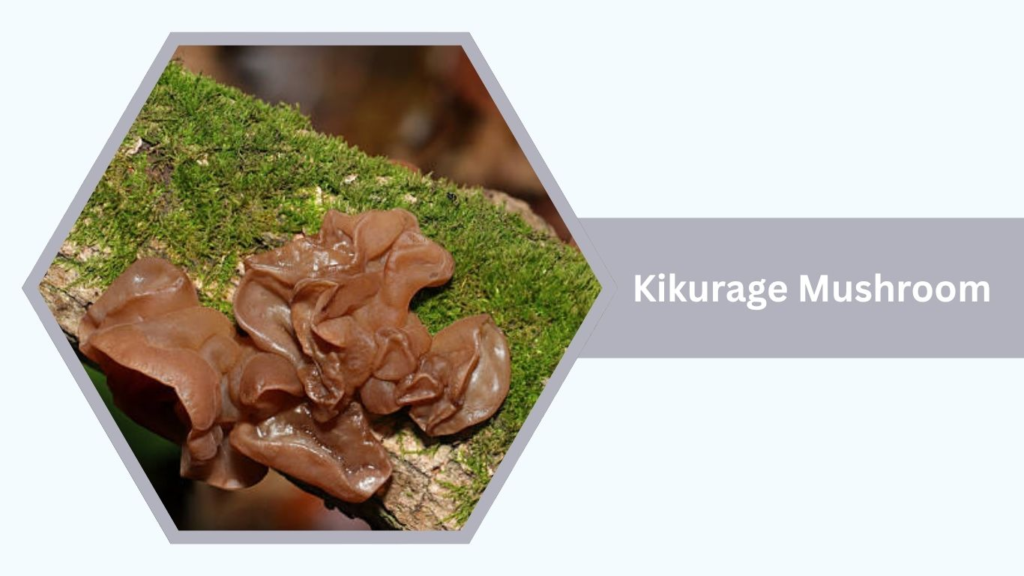
Kikurage mushrooms are jelly-like mushrooms commonly used in Japanese and Asian cuisine. They are known for their crunchy texture and ear-shaped appearance when fully grown.
Identification
- Ear-shaped thin body
- Dark brown or black color
- Smooth rubbery texture
- Flexible and slightly translucent surface
- Grows on decaying wood
Habitat
Kikurage mushrooms naturally grow on dead tree trunks and fallen branches in humid forests. In Japan, they are also cultivated commercially in moist environments with controlled temperature and humidity.
Uses
These mushrooms are commonly added to ramen, stir-fries, soups, and salads. Their crunchy texture remains even after cooking, making them a popular ingredient in many Japanese dishes.
Safety
Kikurage mushrooms are generally safe when properly cleaned and cooked. Dried varieties should be soaked before use. Wild mushrooms growing on wood should always be identified carefully before consumption.
9. Buna-Shimeji Mushroom
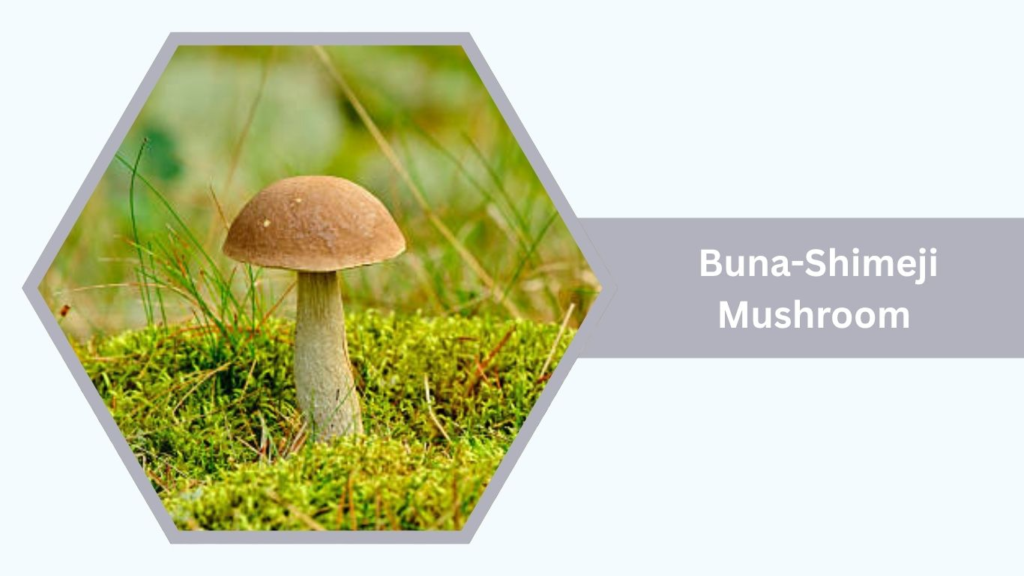
Buna-shimeji mushrooms are small brown mushrooms widely used in Japanese cuisine for their mild nutty taste and firm texture. They are often sold in clustered groups in grocery stores.
Identification
- Small brown rounded caps
- Long white stems
- Grows in dense clusters
- Smooth and firm texture
- Light earthy aroma
Habitat
Buna-shimeji mushrooms naturally grow on beech trees and decaying hardwood in cool forests. In Japan, they are commonly cultivated indoors to provide consistent quality and year-round availability.
Uses
These mushrooms are frequently added to soups, rice dishes, noodles, and stir-fries. Cooking removes their slight bitterness and enhances their savory flavor, making them a favorite ingredient in Japanese meals.
Safety
Cultivated buna-shimeji mushrooms are safe to eat after cooking. Raw mushrooms may taste bitter and can cause mild stomach discomfort. Wild mushrooms should always be identified by an expert before eating.
10. Bunapi-Shimeji Mushroom
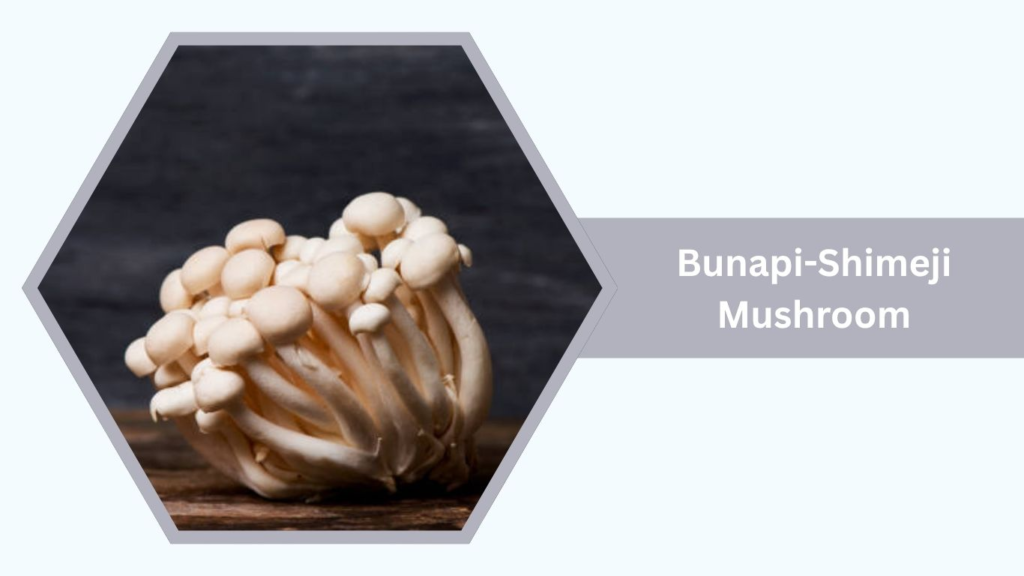
Bunapi-shimeji mushrooms are a white variety of shimeji mushrooms popular in Japanese cuisine. They are appreciated for their delicate flavor, crunchy texture, and attractive appearance in soups and stir-fries.
Identification
- Small white rounded caps
- Thin pale stems
- Grows in tight clusters
- Smooth and firm surface
- Bright cream or white color
Habitat
Bunapi-shimeji mushrooms are commercially cultivated in controlled indoor environments with high humidity and cool temperatures. They are rarely found growing naturally and are mainly produced for culinary use in Japan.
Uses
These mushrooms are commonly used in soups, noodles, hot pots, and rice dishes. Their mild flavor blends well with vegetables, seafood, and meat, while their crunchy texture remains after cooking.
Safety
Cultivated bunapi-shimeji mushrooms are safe to eat when cooked properly. Eating them raw may cause slight bitterness or digestive discomfort. Always store them in cool conditions to maintain freshness and quality.
11. Kuritake Mushroom
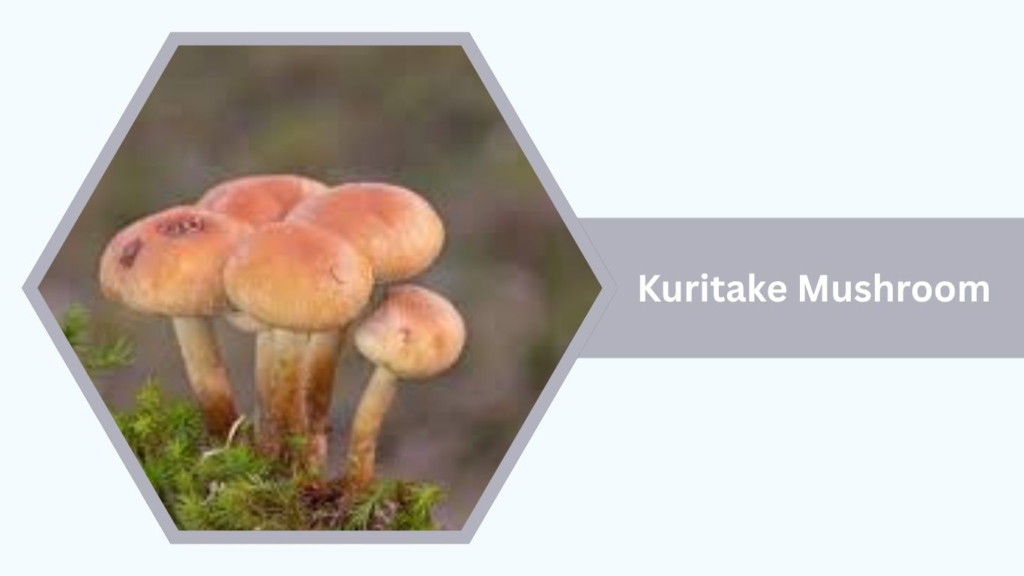
Kuritake mushrooms, also known as chestnut mushrooms, are flavorful Japanese mushrooms recognized for their brown caps and rich earthy taste. They are popular in traditional Japanese cooking during cooler seasons.
Identification
- Small to medium brown caps
- Slightly sticky surface
- Thin pale stems
- Dense clustered growth
- Firm and smooth texture
Habitat
Kuritake mushrooms grow on decaying hardwood and fallen logs in moist forest environments. In Japan, they naturally appear during autumn and are also cultivated under controlled growing conditions.
Uses
These mushrooms are commonly used in soups, hot pots, stir-fries, and rice dishes. Their rich nutty flavor becomes stronger after cooking, making them suitable for warm traditional Japanese meals.
Safety
Kuritake mushrooms are edible when properly identified and cooked. Some poisonous mushrooms may resemble them closely, so wild mushrooms should only be collected and eaten with expert guidance.
12. Tamogitake Mushroom
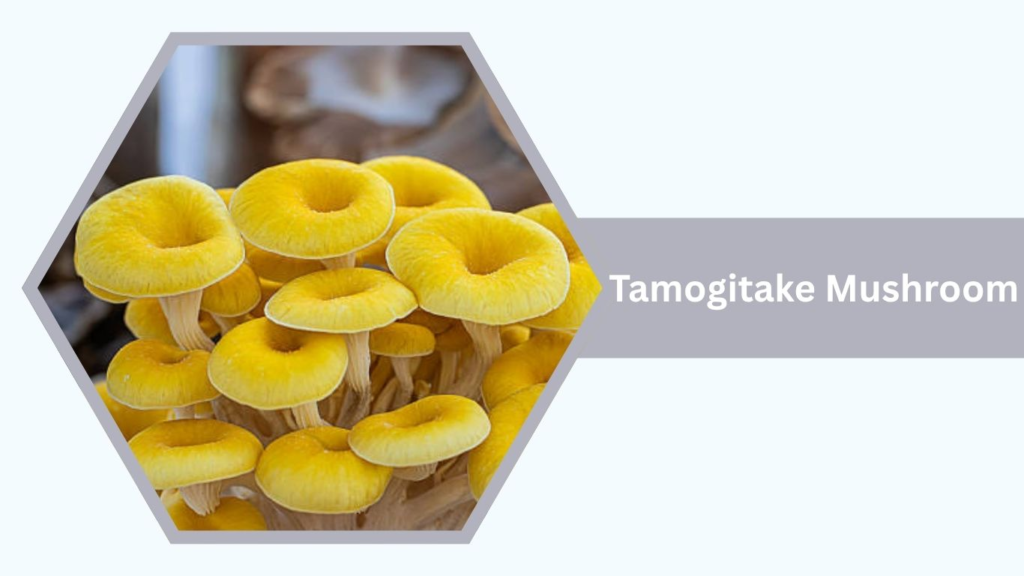
Tamogitake mushrooms are bright golden mushrooms popular in Japanese cuisine for their delicate texture and mild fruity aroma. They belong to the oyster mushroom family and are commonly cultivated in Japan.
Identification
- Bright yellow or golden color
- Fan-shaped caps
- Thin short stems
- Soft and delicate texture
- Grows in layered clusters
Habitat
Tamogitake mushrooms naturally grow on decaying hardwood trees in moist forests. In Japan, they are widely cultivated in controlled environments with proper humidity and temperature to maintain their vibrant color and freshness.
Uses
These mushrooms are commonly added to soups, stir-fries, noodles, and tempura dishes. Their light texture and slightly sweet flavor pair well with vegetables, seafood, and rice-based Japanese meals.
Safety
Cultivated tamogitake mushrooms are generally safe to eat after cooking. Wild mushrooms that resemble golden oyster mushrooms should be identified carefully, as some similar species may not be edible.
FAQs
What is the most popular mushroom in Japan?
Shiitake Mushroom is considered one of the most popular mushrooms in Japan. It is widely used in soups, noodles, rice dishes, and stir-fries because of its rich umami flavor and soft texture. Both fresh and dried shiitake mushrooms are commonly used in Japanese cooking.
Are Japanese mushrooms healthy?
Yes, many Japanese mushrooms are rich in vitamins, minerals, fiber, and antioxidants. Varieties such as Maitake Mushroom and Enoki Mushroom are often included in balanced diets because they are low in calories and nutritious.
Can Japanese mushrooms be eaten raw?
Some Japanese mushrooms can be eaten raw, but many taste better and are safer when cooked. Cooking improves flavor, texture, and digestion. Mushrooms like shimeji are usually cooked because raw varieties may taste bitter or cause mild stomach discomfort.
Where are Japanese mushrooms usually grown?
Japanese mushrooms are grown in forests, on hardwood logs, and in controlled indoor farms. Cultivated mushrooms are produced under specific humidity and temperature conditions to maintain freshness, quality, and consistent growth throughout the year.
How should Japanese mushrooms be stored?
Fresh Japanese mushrooms should be stored in a refrigerator inside a paper bag or breathable container. Avoid sealing them in plastic because moisture can cause spoilage. Most mushrooms stay fresh for several days when kept cool and dry.