
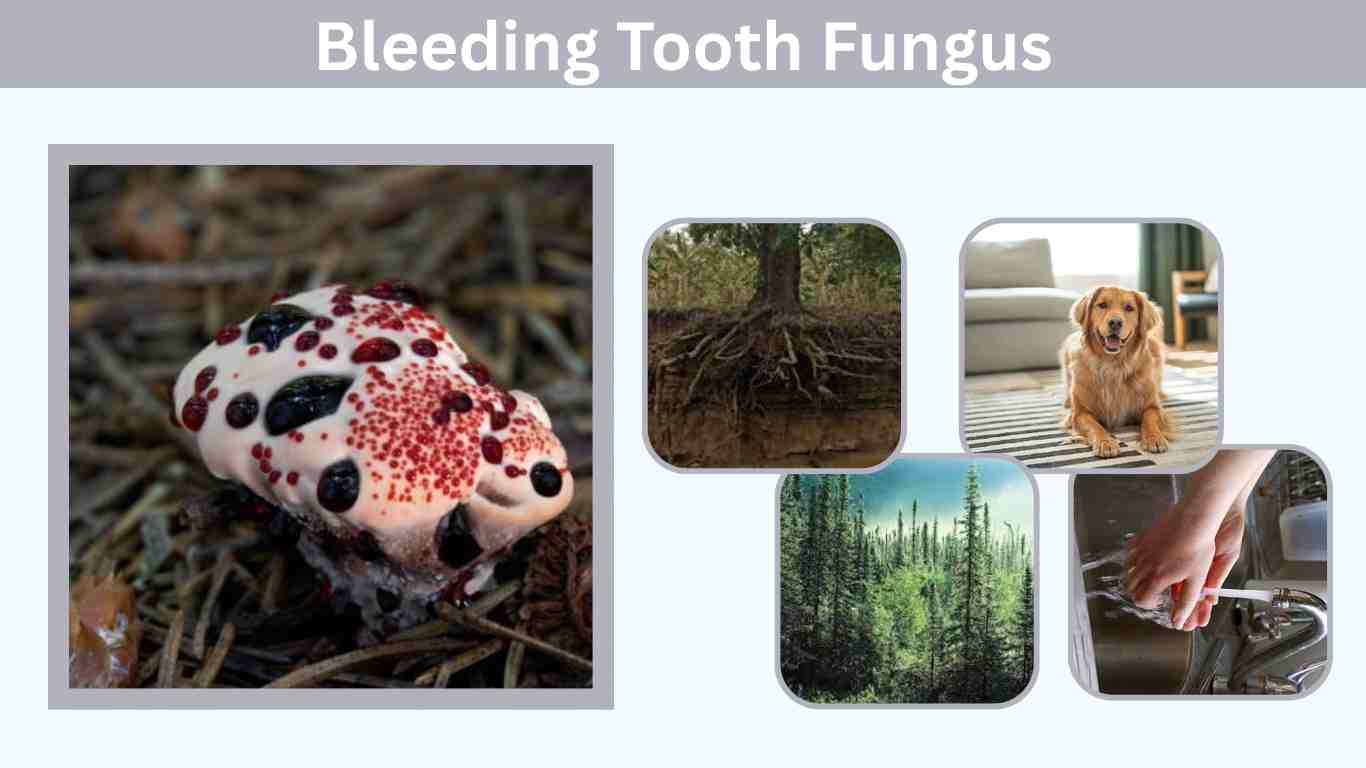
The bleeding tooth fungus is one of the strangest and most recognizable fungi found in forests around the world. Famous for its blood-like red droplets and ghostly white surface, this unusual fungus has gained attention online because of its eerie appearance. Its scientific name is Hydnellum peckii, and it belongs to a group commonly known as tooth fungi.
Although the bleeding tooth fungus looks dangerous, many people are surprised to learn that it is not considered highly poisonous. However, it is extremely bitter and unsuitable for eating. Understanding its habitat, appearance, and biological role helps explain why this fungus is both fascinating and misunderstood.
What Is the Bleeding Tooth Fungus?
The bleeding tooth fungus is a rare woodland fungus known for secreting bright red liquid droplets from its surface when young. These droplets resemble blood, giving the fungus its dramatic common name. The fungus usually appears white or pale pink at first and gradually darkens with age.
Unlike traditional mushrooms with gills underneath the cap, Hydnellum peckii belongs to the tooth fungus group. Instead of gills, it produces tiny tooth-like structures underneath where spores are released.
Scientific Name and Classification
The scientific name of the bleeding tooth fungus is Hydnellum peckii. It belongs to the Bankeraceae family and is classified as a tooth fungus because of its spiny underside.
Important classification facts include:
- Kingdom: Fungi
- Genus: Hydnellum
- Species: Hydnellum peckii
- Common name: Bleeding tooth fungus
- Fungus type: Tooth fungus
This species is widely studied because of its unusual appearance and ecological importance in forest ecosystems.
Why Does It Look Like It Is Bleeding?
The fungus produces red liquid droplets through a process called guttation. During moist conditions, excess water mixed with red pigments is forced through the fungus surface, creating the appearance of bleeding.
Young fungi produce the brightest droplets, while older specimens usually become brown and dry. The vivid red coloration helps make the fungus one of the most photographed fungi in the world.
Where Does Bleeding Tooth Fungus Grow?
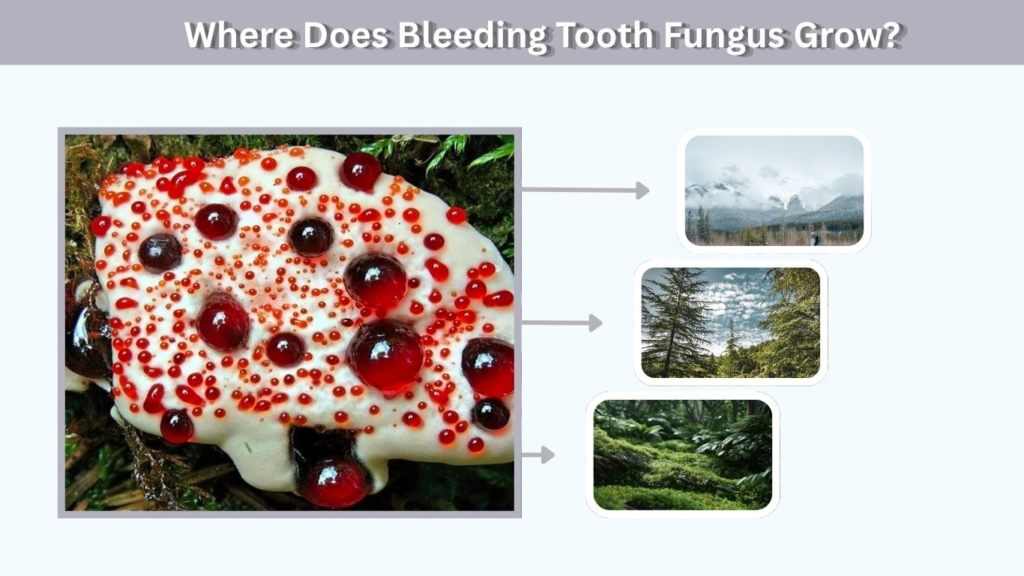
Bleeding tooth fungus grows mainly in cool, damp forests with nutrient-rich soil. It forms a close relationship with tree roots and is commonly found near conifer trees such as pine, spruce, and fir. The fungus plays an important ecological role by helping trees absorb nutrients from the soil.
Because it depends on specific environmental conditions, the fungus is not commonly seen in urban areas or dry climates. Most sightings occur in undisturbed woodland habitats during cooler seasons.
Natural Habitat and Forest Conditions
Hydnellum peckii thrives in moist woodland environments where organic matter is abundant. Moss-covered forest floors and shaded areas create ideal conditions for growth.
Common habitat characteristics include:
- Cool and humid climates
- Coniferous forests
- Acidic forest soil
- Mossy woodland floors
- Areas with limited disturbance
The fungus often grows alone or in small clusters among fallen needles and decaying plant material.
Countries Where It Is Found
The bleeding tooth fungus has been documented in several regions around the world, although it is considered uncommon in many areas.
It is most frequently found in:
- North America
- Canada
- Northern Europe
- Scotland
- Parts of the UK
- Korea and Iran in limited regions
Sightings are usually more common during autumn when moisture levels increase and temperatures remain cool.
Is Bleeding Tooth Fungus Edible or Poisonous?
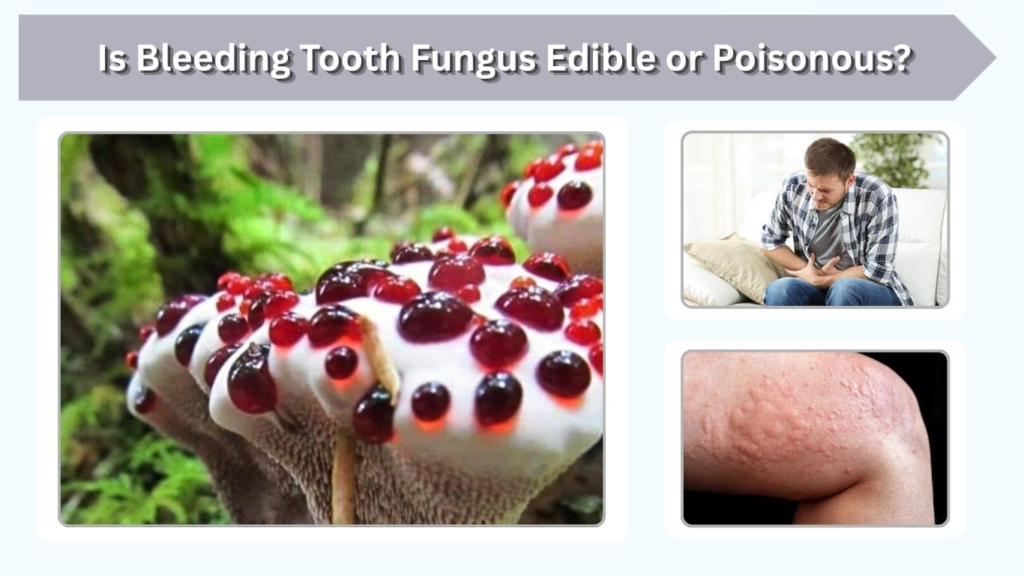
Many people assume the bleeding tooth fungus must be poisonous because of its disturbing appearance. However, current research suggests that it is not highly toxic to humans. Even so, the fungus is not considered edible because of its extremely bitter taste and unpleasant texture.
Foragers are generally advised to avoid eating unknown woodland fungi, especially species that have not been widely studied for culinary use.
Can You Eat Bleeding Tooth Fungus?
Technically, the bleeding tooth fungus is not known as a deadly poisonous species, but it is still unsuitable for eating. Its flesh is tough, fibrous, and intensely bitter, making it unpleasant even in small amounts.
Reasons people avoid eating it include:
- Extremely bitter flavor
- Hard texture
- Lack of culinary value
- Limited toxicity research
- Risk of misidentification
Because many fungi resemble one another, consuming wild mushrooms without expert identification can be dangerous.
What Happens if You Eat It?
There are few confirmed reports of serious poisoning from Hydnellum peckii, but eating wild fungi can still cause digestive discomfort or allergic reactions in some individuals. Symptoms may vary depending on personal sensitivity and the amount consumed.
The fungus also absorbs compounds from its environment, which may increase potential risks in polluted areas. For this reason, experts recommend observing the fungus rather than attempting to eat it.
Is Bleeding Tooth Fungus Dangerous?
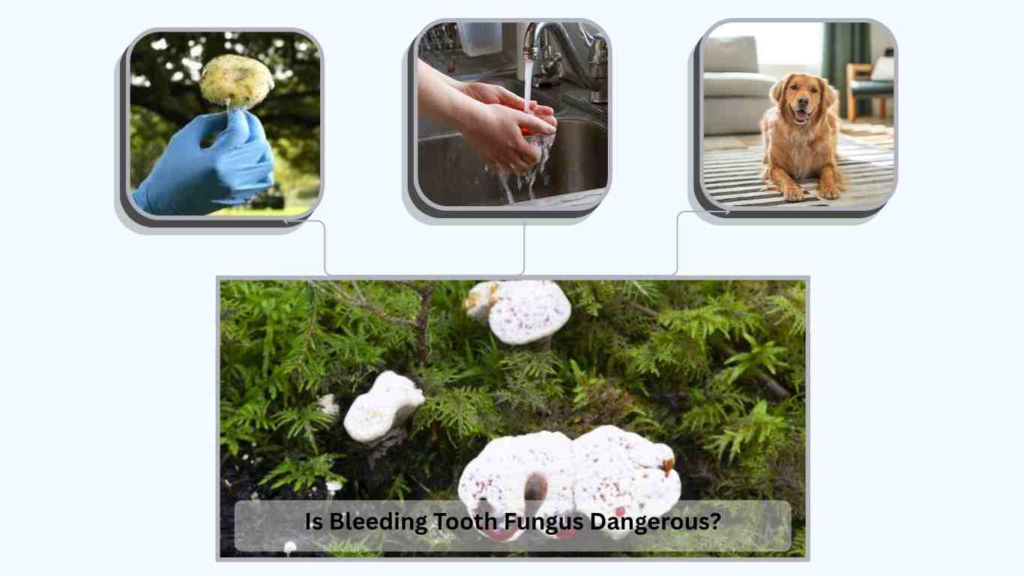
Although the bleeding tooth fungus appears frightening, it is not considered aggressively dangerous to humans. It does not attack living tissue, spread disease to people, or release toxic airborne spores under normal conditions.
Most of the fear surrounding the fungus comes from its dramatic appearance rather than its actual biological threat. Still, direct handling should be limited, and unknown fungi should never be consumed casually.
Toxicity and Safety Concerns
While Hydnellum peckii is not classified as a deadly poisonous fungus, some safety precautions are still important when encountering it in the wild.
Recommended precautions include:
- Avoid eating unidentified fungi
- Wash hands after handling mushrooms
- Keep pets away from wild fungi
- Do not rely on internet myths for identification
- Consult experts before foraging
The fungus is best appreciated as a unique natural organism rather than a food source.
Is Bleeding Tooth Fungus Psychoactive?
The unusual appearance of the bleeding tooth fungus has led to many internet rumors about psychoactive effects and recreational use. Searches related to fungal “highs” often include Hydnellum peckii because people assume its strange look may indicate mind-altering properties. However, there is no scientific evidence showing that this fungus is psychoactive.
Researchers have not identified compounds in the bleeding tooth fungus that cause hallucinations or intoxication in humans. Unlike certain psychedelic mushrooms that contain psilocybin, Hydnellum peckii belongs to an entirely different fungal group with different chemical properties.
Why People Think It Causes a High
Online myths and viral images have contributed to confusion about the fungus. Its blood-like droplets and rare appearance often make it seem mysterious or dangerous, leading people to speculate about drug-like effects.
Several factors fuel these misconceptions:
- Unusual appearance
- Viral social media posts
- Confusion with psychedelic mushrooms
- Limited public knowledge about fungi
- Internet rumors and fictional stories
Despite these claims, scientists do not consider the bleeding tooth fungus a recreational or hallucinogenic species.
Scientific Research on Hydnellum peckii
Although it is not psychoactive, the fungus has attracted scientific interest because of certain natural compounds found within it. Some studies suggest the fungus contains substances with antibacterial and anticoagulant properties.
Researchers continue studying woodland fungi like Hydnellum peckii to better understand their ecological functions and potential medical applications. However, current research focuses on biological chemistry rather than recreational use.
Interesting Facts About the Bleeding Tooth Fungus
The bleeding tooth fungus is considered one of the world’s strangest fungi because of its unusual appearance and ecological role. Nature enthusiasts, photographers, and scientists often study it because it looks unlike most traditional mushrooms.
Its combination of bright red droplets and pale coloring has earned it a reputation as one of the most visually dramatic fungi found in forests.
It Produces Blood-Like Liquid
The fungus secretes red fluid through guttation, a process where excess moisture mixed with pigments emerges on the surface. This creates the illusion that the fungus is bleeding.
Young specimens usually display the strongest coloration because moisture levels are highest during early growth stages.
It Becomes Darker With Age
As the fungus matures, the white surface slowly turns brown or gray and the bright droplets disappear. Older specimens often become woody and less recognizable compared to their younger forms.
This dramatic transformation makes young bleeding tooth fungi far more visually striking than mature ones.
It Plays an Important Forest Role
Hydnellum peckii forms beneficial relationships with tree roots in forest ecosystems. The fungus helps trees absorb nutrients from the soil while receiving sugars produced by the tree.
This underground partnership supports healthy forest development and nutrient cycling in woodland environments.
Color Variations in Bleeding Tooth Fungus
Although the classic bleeding tooth fungus is white with red droplets, some specimens display unusual color variations. Environmental conditions, moisture, age, and pigmentation differences can influence appearance.
These variations sometimes lead people to believe they have discovered entirely different fungal species.
Red and White Appearance
The most recognizable form features a white or pale pink surface covered with bright red liquid droplets. This stage usually occurs when the fungus is young and actively growing.
The contrast between white tissue and red fluid creates its famous “bleeding” effect.
Orange, Yellow, and Blue Variants
In some conditions, the fungus may appear orange, yellowish, or slightly bluish due to age, environmental stress, or pigmentation differences. Lighting and moisture can also change how colors appear in photographs.
Color variations may include:
- Pale orange tones
- Yellow aging spots
- Brown mature surfaces
- Slight blue-gray discoloration
- Pinkish young growth
These changes are natural and do not necessarily indicate toxicity or separate species.
Can You Grow Bleeding Tooth Fungus?
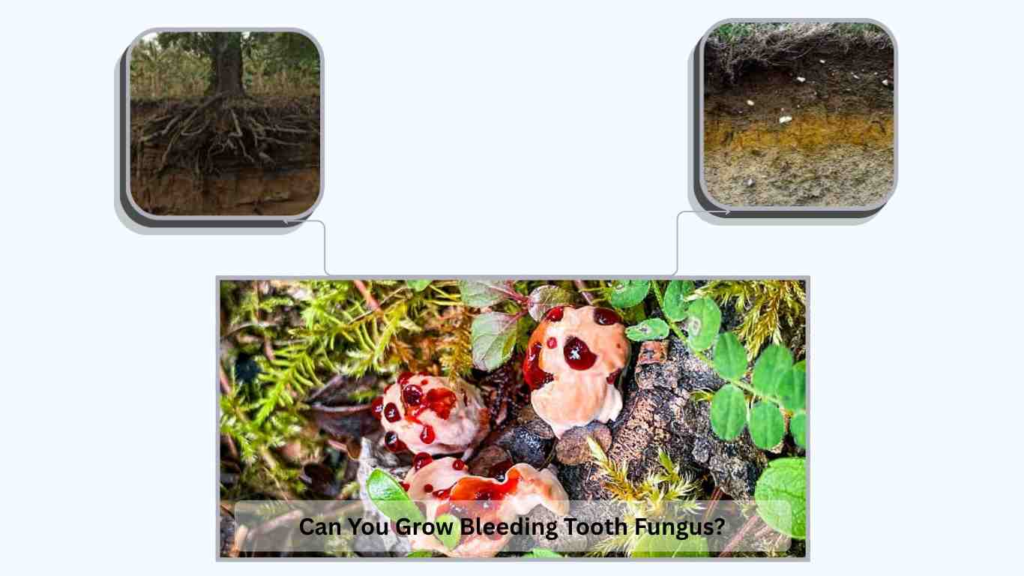
Growing bleeding tooth fungus is extremely difficult because the species depends on very specific woodland conditions. Unlike common cultivated mushrooms, Hydnellum peckii forms complex relationships with tree roots that are hard to reproduce artificially.
Most successful growth occurs naturally in forest ecosystems rather than controlled indoor environments.
Why Cultivation Is Challenging
The fungus requires cool temperatures, moist acidic soil, and symbiotic interaction with certain trees. Without these conditions, growth is usually unsuccessful.
Major cultivation challenges include:
- Dependence on tree roots
- Slow growth cycle
- Sensitive moisture requirements
- Specific soil conditions
- Limited cultivation research
Because of these difficulties, the fungus is rarely grown commercially.
Can You Buy Bleeding Tooth Fungus?
Some specialty suppliers may sell spores or fungal cultures for educational purposes, but live specimens are uncommon. Availability varies by region, and cultivation success is uncertain even for experienced mushroom growers.
Collectors and photographers usually prefer observing the fungus in natural woodland habitats rather than attempting home cultivation.
FAQs
Is bleeding tooth fungus poisonous?
The bleeding tooth fungus is not considered highly poisonous, but it is not edible because of its bitter taste and tough texture. Eating unknown fungi is never recommended without expert identification.
Where does bleeding tooth fungus grow?
It commonly grows in cool, damp conifer forests in North America and Europe. Mossy woodland floors with acidic soil provide ideal conditions for growth.
Why does the fungus bleed red liquid?
The red droplets are produced through guttation, where excess moisture mixed with pigments is released through the fungus surface during growth.
Is bleeding tooth fungus rare?
Yes, it is considered uncommon in many regions because it requires specific environmental conditions and healthy forest ecosystems.
Can bleeding tooth fungus get you high?
No. There is no scientific evidence showing that Hydnellum peckii is psychoactive or capable of causing hallucinations.