
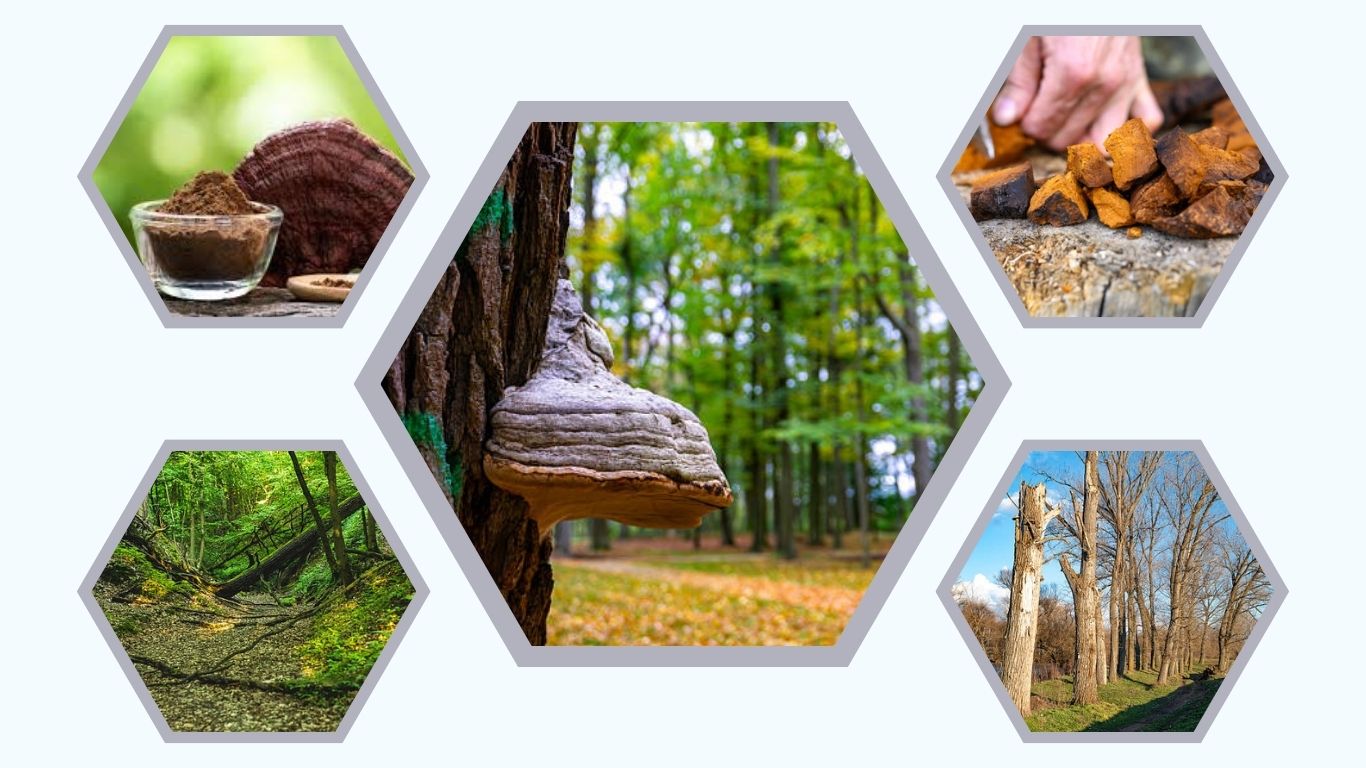
Tinder fungus is a fascinating natural material that has been used for centuries in fire-making, survival, and traditional crafts. Found mainly on birch and hardwood trees, this fungus is best known for its ability to catch and hold a spark, making it an essential tool in bushcraft. Beyond fire-starting, it has also been used for medicinal purposes and even turned into leather-like material called amadou. Understanding how to identify, prepare, and use tinder fungus can be valuable for outdoor enthusiasts and survivalists.
What Is Tinder Fungus?
Tinder fungus refers to a group of fungi, most notably Fomes fomentarius, known for their ability to ignite easily and sustain an ember. It has been used historically to start fires before modern tools were available. This fungus typically grows on dead or dying trees and has a hard, hoof-like appearance.
Origin and Background
Tinder fungus has been used since ancient times, including by early humans such as Ötzi the Iceman. It played a key role in fire-making techniques across Europe and Asia, especially before matches were invented.
Common Names
- Hoof fungus
- Tinder conk
- Bracket fungus
- Horseshoe fungus
Types of Tinder Fungus
There are several fungi often referred to as tinder fungus, but not all are equally effective for fire-starting. Understanding the differences helps avoid confusion when foraging.
Main Types
- True tinder fungus (Fomes fomentarius) – Best for catching sparks
- False tinder fungus – Similar look but less useful
- Chaga fungus – Burns well but mainly used medicinally
Key Differences
- True tinder fungus has a fibrous inner layer
- False types are harder and less flammable
- Chaga is darker and grows differently on trees
Where Does Tinder Fungus Grow?

Tinder fungus is commonly found in forests across Europe, North America, and parts of Asia. It grows mainly on birch trees but can also appear on other hardwood species. The fungus thrives in cool, moist environments and is often seen on dead or decaying trunks. Because it grows slowly, larger specimens are usually older and more useful for fire-making purposes.
Tinder Fungus Identification
Identifying tinder fungus correctly is important, especially when foraging in the wild. While it has a distinct appearance, it can sometimes be confused with other bracket fungi.
Visual Characteristics
- Hoof or horseshoe shape
- Hard outer surface
- Gray, brown, or black color
Growth Features
- Attached to tree trunks
- Commonly found on birch trees
- Appears in layered formations
How to Find Tinder Fungus

Finding tinder fungus in nature requires patience and awareness of its environment. It is not usually found on the ground but attached to trees.
Best Places to Look
- Dead or dying birch trees
- Damp forest areas
- Fallen logs and old trunks
Foraging Tips
- Search at eye level on tree bark
- Look for hard, shelf-like growths
- Choose mature, dry specimens
How to Use Tinder Fungus
Tinder fungus has multiple uses, but it is most valued for fire-starting. Once properly prepared, it becomes a reliable natural tinder source.
Fire-Starting Use
- Catches sparks from flint and steel
- Holds ember for a long time
- Helps ignite dry grass or kindling
Other Uses
- Making amadou (soft inner material)
- Crafting items like hats and pouches
- Traditional medicinal applications
How to Start a Fire with Tinder Fungus
Starting a fire with tinder fungus requires some preparation and the right tools. Once ready, it can be highly effective even in challenging conditions.
Basic Steps
- Prepare the inner layer (amadou)
- Strike sparks using flint and steel
- Allow the ember to grow slowly
Fire-Building Tips
- Keep dry kindling ready
- Protect ember from wind
- Transfer ember carefully to fuel
Tinder Fungus Preparation

Proper preparation is essential to make tinder fungus usable. Without processing, it may not catch sparks effectively.
Preparation Process
- Cut the fungus into pieces
- Dry it thoroughly
- Extract the soft inner layer
Improving Performance
- Beat or soften the inner fibers
- Store in dry conditions
- Use thin slices for better ignition
Why Won’t Tinder Fungus Catch a Spark?
Even when you have the right fungus, it may fail to ignite if it’s not properly prepared or handled. Many beginners face this issue, especially when using raw or damp material. Understanding the common problems can help improve your success rate and make fire-starting much easier in outdoor conditions.
Common Reasons
- Not fully dried – Moisture prevents ignition
- Wrong species – False tinder fungus won’t catch sparks well
- Poor preparation – Inner layer not softened into amadou
- Weak spark source – Low-quality flint or steel
Tinder Fungus Uses Beyond Fire
While tinder fungus is best known for fire-starting, it has several other interesting and historical uses. These applications highlight its versatility and importance in traditional practices, especially in regions where natural materials were essential for daily life.
Traditional and Modern Uses
- Amadou material – Used like soft leather for crafts
- Clothing and hats – Especially in parts of Eastern Europe
- Decorative items – Pendants, cups, and accessories
Historical Significance
- Used by early humans – Including Ötzi the Iceman
- Carried in survival kits – Before modern fire tools
- Valued in bushcraft culture – Still used today
Is Tinder Fungus Edible?

Tinder fungus is generally not considered edible due to its extremely tough and woody texture. Unlike common culinary mushrooms, it does not soften easily when cooked and lacks an appealing taste. However, in some traditional practices, small amounts have been used in teas or herbal preparations. Even then, it is not consumed as food but rather for potential medicinal purposes, and caution is always recommended.
Medicinal Uses of Tinder Fungus
Tinder fungus has been used in traditional medicine for centuries, particularly in Asian and European herbal practices. While modern research is still limited, it continues to be valued in natural remedies.
Potential Health Uses
- Anti-inflammatory properties – May reduce swelling
- Immune support – Traditional herbal use
- Wound care – Historically used as a natural dressing
Traditional Remedies
- Herbal teas – Used in small quantities
- Natural healing practices – Applied externally
- Folk medicine – Passed through generations
FAQs
What is tinder fungus used for?
Tinder fungus is mainly used as a natural fire starter. It can catch a spark from flint and steel and hold an ember for a long time, making it useful in survival situations and bushcraft activities.
Is tinder fungus edible?
No, tinder fungus is not considered edible because of its hard, woody texture. While it has been used in some traditional teas, it is not suitable as a regular food source.
Where does tinder fungus grow?
Tinder fungus typically grows on dead or dying hardwood trees, especially birch. It is commonly found in forests across Europe, North America, and parts of Asia in cool, damp environments.
How do you prepare tinder fungus for fire?
To prepare it, the fungus must be dried and its inner layer processed into amadou. This soft material is then able to catch sparks and hold a glowing ember for fire-starting.
What is the difference between true and false tinder fungus?
True tinder fungus, like Fomes fomentarius, is effective for fire-starting because of its fibrous inner layer. False tinder fungus may look similar but does not ignite as easily or hold an ember well.