
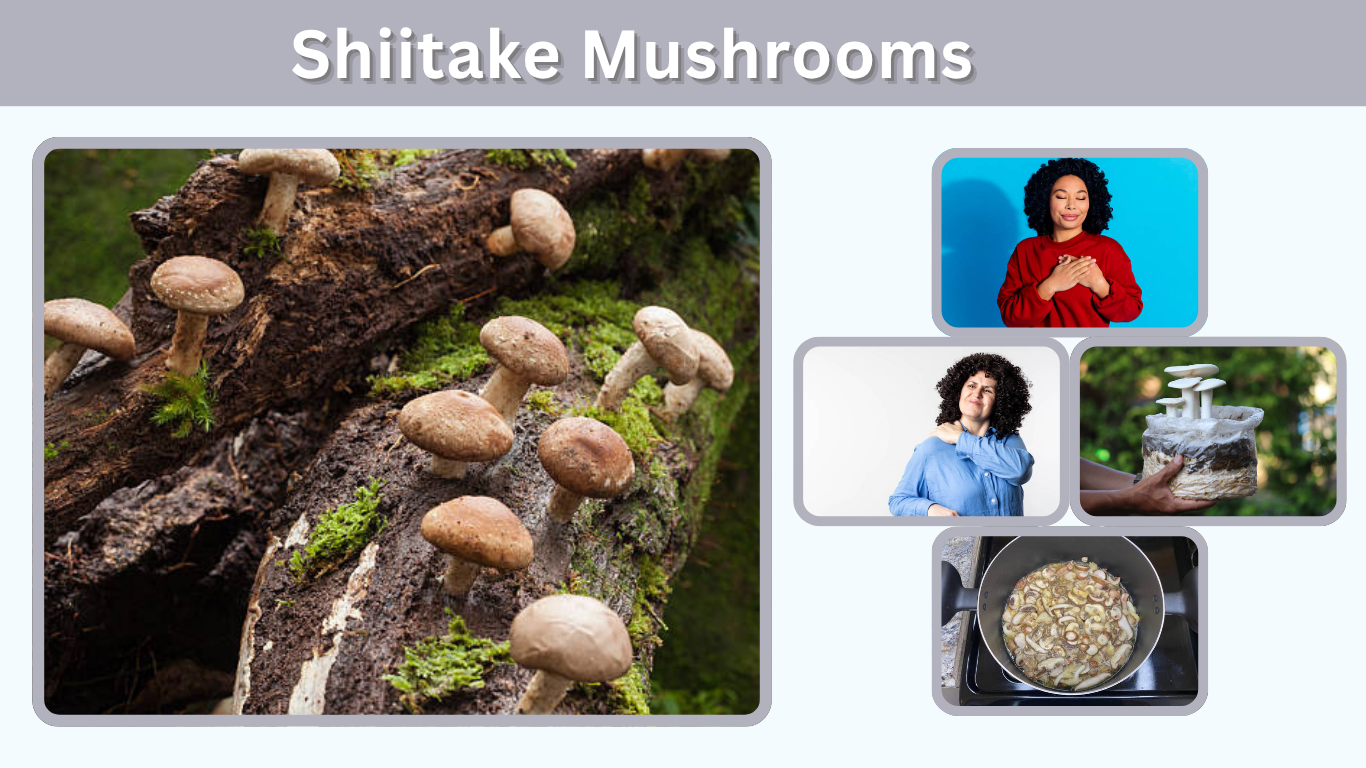
Shiitake mushrooms are among the most popular edible fungi worldwide, valued for their rich flavor, nutritional benefits, and versatility in cooking. Originally from East Asia, these mushrooms have become a staple in many cuisines, especially in soups, stir-fries, and ramen dishes. Whether fresh or dried, shiitake mushrooms offer a deep umami taste that enhances meals naturally. Beyond flavor, they are also known for their potential health benefits, making them a favorite among both home cooks and health-conscious individuals.
What Are Shiitake Mushrooms?
Shiitake mushrooms are edible fungi known for their savory taste and meaty texture. They are widely used in Asian cuisine and are now popular globally due to their flavor and health properties. These mushrooms grow naturally on hardwood trees and are available in both fresh and dried forms, each offering unique culinary uses.
Origin and Background
Shiitake mushrooms originate from countries like Japan and China, where they have been cultivated for centuries. Traditionally, they were grown on logs in natural environments. Today, modern cultivation methods make them widely available across the world in grocery stores and markets.
Taste and Texture
The flavor of shiitake mushrooms is often described as rich, smoky, and umami-packed. When cooked, they develop a tender yet slightly chewy texture, making them an excellent substitute for meat in many vegetarian dishes.
Types of Shiitake Mushrooms
Shiitake mushrooms are available in several forms, each suited for different uses in cooking and health applications. Understanding these types helps you choose the right one for your needs.
- Fresh shiitake mushrooms – Soft texture, mild flavor, ideal for quick cooking
- Dried shiitake mushrooms – Stronger flavor, perfect for soups and broths
- Shiitake mushroom powder – Used as seasoning or supplement
- Shiitake extracts and supplements – Concentrated for health purposes
Shiitake Mushroom Nutrition
Shiitake mushrooms are not only flavorful but also highly nutritious. They are low in calories while providing essential vitamins, minerals, and beneficial plant compounds. Regular consumption can contribute to a balanced and healthy diet.
Nutritional Value Overview
Shiitake mushrooms contain minimal fat and are a good source of dietary fiber. They are also rich in plant-based compounds that support overall wellness without adding excessive calories to meals.
Key Nutrients Found in Shiitake Mushrooms
- B vitamins – Help support energy production and brain function
- Vitamin D – Especially present in sun-dried varieties
- Minerals – Copper, selenium, and zinc for immune support
Bioactive Compounds
- Lentinan – Known for immune-supporting properties
- Eritadenine – May help manage cholesterol levels
Health Benefits of Shiitake Mushrooms

Shiitake mushrooms are widely appreciated for their potential health benefits. Their natural compounds contribute to various body functions, making them more than just a flavorful ingredient in meals.
Supports Immune Function
Shiitake mushrooms contain polysaccharides that may help strengthen the immune system. These compounds support the body’s natural defense mechanisms and may improve resistance to infections over time.
Promotes Heart Health
Regular consumption of shiitake mushrooms may help lower cholesterol levels due to compounds like eritadenine. This can contribute to better cardiovascular health when combined with a balanced diet.
Antioxidant Properties
These mushrooms contain antioxidants that help reduce oxidative stress in the body. This can play a role in slowing down cellular damage and supporting long-term health.
How to Prepare Shiitake Mushrooms

Preparing shiitake mushrooms correctly ensures better flavor, texture, and safety. Simple preparation steps can make a big difference in your cooking results.
Cleaning Shiitake Mushrooms
Shiitake mushrooms should be cleaned gently using a damp cloth or a quick rinse under water. Avoid soaking them, as they can absorb excess moisture and lose their texture.
Cutting and Preparation
Before cooking, remove the stems as they can be tough and chewy. The caps can be sliced or left whole depending on the recipe you are preparing.
How to Cook Shiitake Mushrooms
Cooking shiitake mushrooms enhances their flavor and makes them easier to digest. They can be prepared in various ways depending on the dish.
Best Cooking Methods
- Sautéing – Brings out rich flavor quickly
- Stir-frying – Ideal for Asian dishes
- Adding to soups – Enhances broth depth
Cooking Tips
- Cook for 5–7 minutes until tender
- Avoid overcrowding the pan
- Use medium heat for best results
Cooking Dried Shiitake Mushrooms
Dried shiitake mushrooms need to be soaked in warm water before use. The soaking liquid can be reused as a flavorful base for soups and sauces, adding extra depth to your dishes.
Popular Shiitake Mushroom Recipes

Shiitake mushrooms are incredibly versatile and can be used in a wide range of dishes. Their deep, savory flavor enhances both simple and complex recipes, making them a favorite ingredient in many kitchens. From quick meals to comforting soups, they easily adapt to different cooking styles.
Simple and Delicious Ideas
- Sauteed shiitake mushrooms – Cooked with garlic and butter for a quick side dish
- Shiitake mushrooms for ramen – Adds depth and umami to broth
- Shiitake mushroom soup – A warm, nourishing option
Other Tasty Dishes
- Shiitake mushroom pasta – Creamy and satisfying meal
- Stir-fried shiitake mushrooms – Great with vegetables and rice
- Pickled shiitake mushrooms – Tangy and flavorful addition
Growing Shiitake Mushrooms at Home

Growing shiitake mushrooms at home can be a rewarding experience for beginners and gardening enthusiasts. With the right setup, you can produce fresh mushrooms in your own space. They can be grown indoors or outdoors depending on the method you choose.
Easy Growing Methods
- Growing kits – Beginner-friendly and convenient
- Log cultivation – Traditional and natural approach
- Using mushroom plugs – Effective for long-term growth
Basic Growing Tips
- Maintain proper moisture levels
- Keep in a shaded, cool environment
- Allow time for full development
Shiitake Mushroom Products and Uses
Shiitake mushrooms are not limited to fresh or dried forms. They are widely used in packaged foods, supplements, and alternative health products. Their versatility allows them to be incorporated into daily diets in different ways, from snacks to concentrated extracts, making them accessible for both culinary and wellness purposes.
Substitute for Shiitake Mushrooms
If shiitake mushrooms are not available, several alternatives can provide a similar texture and flavor. While each substitute has its own characteristics, they can still work well in most recipes without significantly changing the overall dish.
Best Substitutes
- Cremini mushrooms – Mild flavor and easy to find
- Portobello mushrooms – Meaty texture, great for hearty dishes
- Oyster mushrooms – Soft texture and slightly sweet taste
FAQs
What are shiitake mushrooms good for?
Shiitake mushrooms are valued for their rich nutrients and potential health benefits. They may support immune function, improve heart health, and provide antioxidants that help protect the body from damage caused by free radicals.
How do you cook shiitake mushrooms properly?
The best way to cook shiitake mushrooms is by sautéing them in a pan with oil or butter. Cook them over medium heat until they become tender and slightly golden, which enhances their natural flavor.
Can you eat shiitake mushrooms raw?
It is generally not recommended to eat shiitake mushrooms raw. Cooking them improves their taste and digestibility, while also reducing the risk of potential skin reactions or digestive discomfort.
What is the nutritional value of shiitake mushrooms?
Shiitake mushrooms are low in calories but rich in essential nutrients like B vitamins, minerals, and beneficial compounds. They also contain antioxidants that support overall health and well-being.
What is shiitake mushroom dermatitis?
Shiitake dermatitis is a rare skin reaction that can occur after eating raw or undercooked shiitake mushrooms. It typically appears as a rash and can be avoided by thoroughly cooking the mushrooms before consumption.