
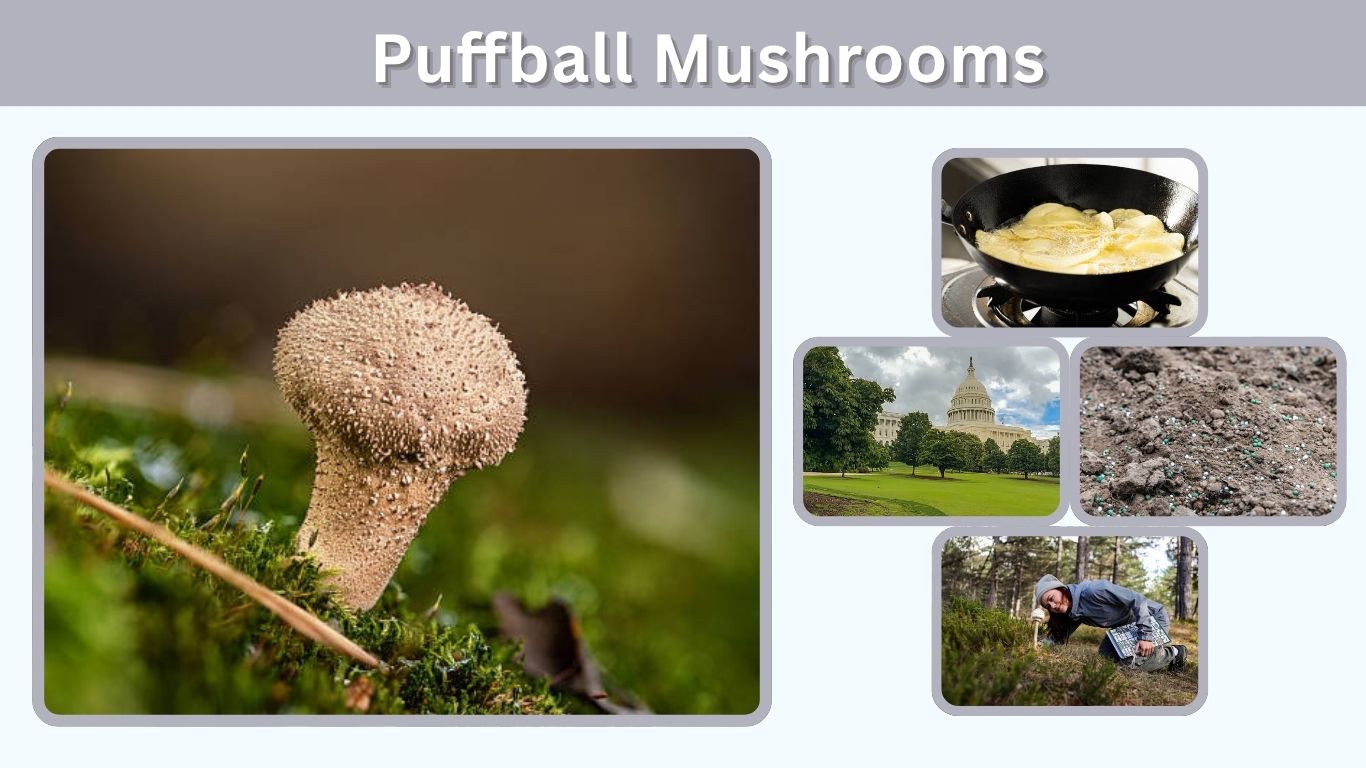
Puffball mushrooms are unique, round fungi that often catch attention due to their unusual shape and lack of visible stems or gills. Found in fields, forests, and grassy areas, they are popular among foragers because many species are edible when young. However, proper identification is crucial, as some toxic mushrooms can resemble puffballs at certain stages. This guide will help you understand what puffball mushrooms are, how to identify them safely, and whether they are truly edible.
What Is a Puffball Mushroom?
Puffball mushrooms are a group of fungi that grow as round or pear-shaped bodies without the typical cap and stem structure seen in other mushrooms. Instead of producing spores through gills, they release spores in a cloud when mature. These mushrooms vary in size, from small golf-ball-like species to large ones that can grow as big as a football.
Key Characteristics
- Round or ball-shaped appearance
- No visible gills or cap
- Smooth or slightly textured outer surface
- White, solid interior when young
Are Puffball Mushrooms Edible?
Puffball mushrooms are generally edible, but only when they are harvested at the right stage. Their safety depends on their internal condition rather than their external appearance. Young puffballs with firm, white flesh are considered safe and are commonly used in cooking.
When Puffball Mushrooms Are Safe to Eat
- Interior is completely white and solid
- Texture is soft but firm
- No signs of decay or discoloration
When Puffball Mushrooms Are Not Edible
- Interior turns yellow, brown, or powdery
- Strong or unpleasant smell develops
- Signs of aging or spoilage appear
Are Puffball Mushrooms Poisonous or Toxic?

Puffball mushrooms themselves are not toxic when properly identified. The real danger lies in confusing them with poisonous look-alikes. Some deadly mushrooms can resemble puffballs in early stages, making careful inspection essential before consumption.
Common Poisonous Look-Alikes
- Amanita mushrooms in their early “egg” stage
- Earthball mushrooms with dark interiors
Safety Tips Before Eating
- Always cut the mushroom open before use
- Avoid eating if unsure about identification
- Learn from experienced foragers or experts
How to Identify Puffball Mushrooms
Identifying puffball mushrooms correctly is the most important step before eating them. While their round shape is a helpful clue, it is not enough on its own. The key test is examining the inside of the mushroom.
Step-by-Step Identification
- Check for a smooth, round outer surface
- Cut the mushroom in half
- Confirm a pure white, solid interior
Puffball Mushroom Look-Alikes
Some mushrooms may look similar on the outside but differ internally. For example, toxic species often show developing structures or darker flesh inside when cut open. This simple check can prevent serious mistakes and ensure safe foraging.
Where Do Puffball Mushrooms Grow?

Puffball mushrooms grow in a variety of natural environments where the soil is rich in organic material. They are commonly found in open areas rather than dense forests, making them relatively easy to spot when conditions are right.
Common Growing Locations
- Grassy fields and meadows
- Forest edges and clearings
- Lawns and open park areas
Geographic Range and Season
Puffball mushrooms are widely distributed across temperate regions, including North America, Europe, and parts of Asia. They typically appear during late summer and early autumn, especially after rainfall when moisture levels are high.
What Do Puffball Mushrooms Taste Like?
Puffball mushrooms have a mild, neutral flavor that makes them highly versatile in cooking. Their texture is soft and slightly spongy, similar to tofu or fresh bread. Because of this, they absorb seasonings and sauces very well, making them suitable for a wide range of dishes. When cooked properly, they can be both satisfying and flavorful, even though their natural taste is subtle.
How to Cook Puffball Mushrooms

Cooking puffball mushrooms is simple, but proper preparation ensures the best taste and texture. Since they contain a lot of moisture, they should always be cooked rather than eaten raw. Their mild flavor makes them ideal for absorbing spices, herbs, and sauces.
How to Prepare Puffball Mushrooms
- Remove any tough outer skin if present
- Slice into even, thick pieces
- Clean gently without soaking in water
Popular Cooking Methods
- Fry slices in butter or oil until golden
- Grill thick cuts like a steak
- Bake with herbs and seasoning
Best Ways to Eat Puffball Mushrooms
Puffball mushrooms can be used in a variety of dishes due to their neutral taste and soft texture. They are especially popular as a meat substitute in vegetarian meals.
Easy Serving Ideas
- Pan-fried slices with garlic and butter
- Puffball “steak” served with spices
- Added to soups, curries, or stir-fries
How to Store and Preserve Puffball Mushrooms
Proper storage is important because puffball mushrooms spoil quickly. Fresh specimens should be used as soon as possible for the best quality. If you need to keep them longer, there are a few effective preservation methods.
Storage Tips
- Keep in the refrigerator wrapped in paper
- Avoid airtight plastic to reduce moisture buildup
- Use within a few days of harvesting
Preservation Methods
- Slice and freeze for later use
- Blanch before freezing to keep texture
- Dehydrate for long-term storage
Can You Grow Puffball Mushrooms?

Growing puffball mushrooms at home can be challenging because they rely heavily on natural outdoor conditions. Unlike cultivated mushrooms, they do not easily adapt to indoor growing systems. Most successful growth happens when spores are spread in suitable soil and left to develop naturally.
Growing Basics
- Spread spores in nutrient-rich soil
- Maintain moisture and partial shade
- Allow natural seasonal conditions to support growth
Are Puffball Mushrooms Healthy?
Puffball mushrooms can be a healthy addition to your diet when eaten in moderation. They are low in calories and fat, making them suitable for balanced meals. While they are not extremely nutrient-dense, they do provide some protein, fiber, and essential nutrients. Their ability to absorb flavors also makes it easier to prepare healthy, low-fat dishes without sacrificing taste.
FAQs
Can you eat puffball mushrooms raw?
It is not recommended to eat puffball mushrooms raw. Cooking improves their taste and texture while also making them easier to digest and safer to consume.
How do you cook puffball mushrooms?
Puffball mushrooms are usually sliced and then fried, grilled, or baked. Cooking them thoroughly enhances their flavor and removes excess moisture.
How do you identify a puffball mushroom?
Cut the mushroom open and check the inside. A true puffball will have a solid, pure white interior with no gills or structures.
Are puffball mushrooms poisonous?
Puffball mushrooms are not poisonous if correctly identified. However, some toxic mushrooms can look similar, so careful identification is essential.
Where do puffball mushrooms grow?
They typically grow in grassy areas, fields, forest edges, and lawns, especially during late summer and early autumn after rainfall.