
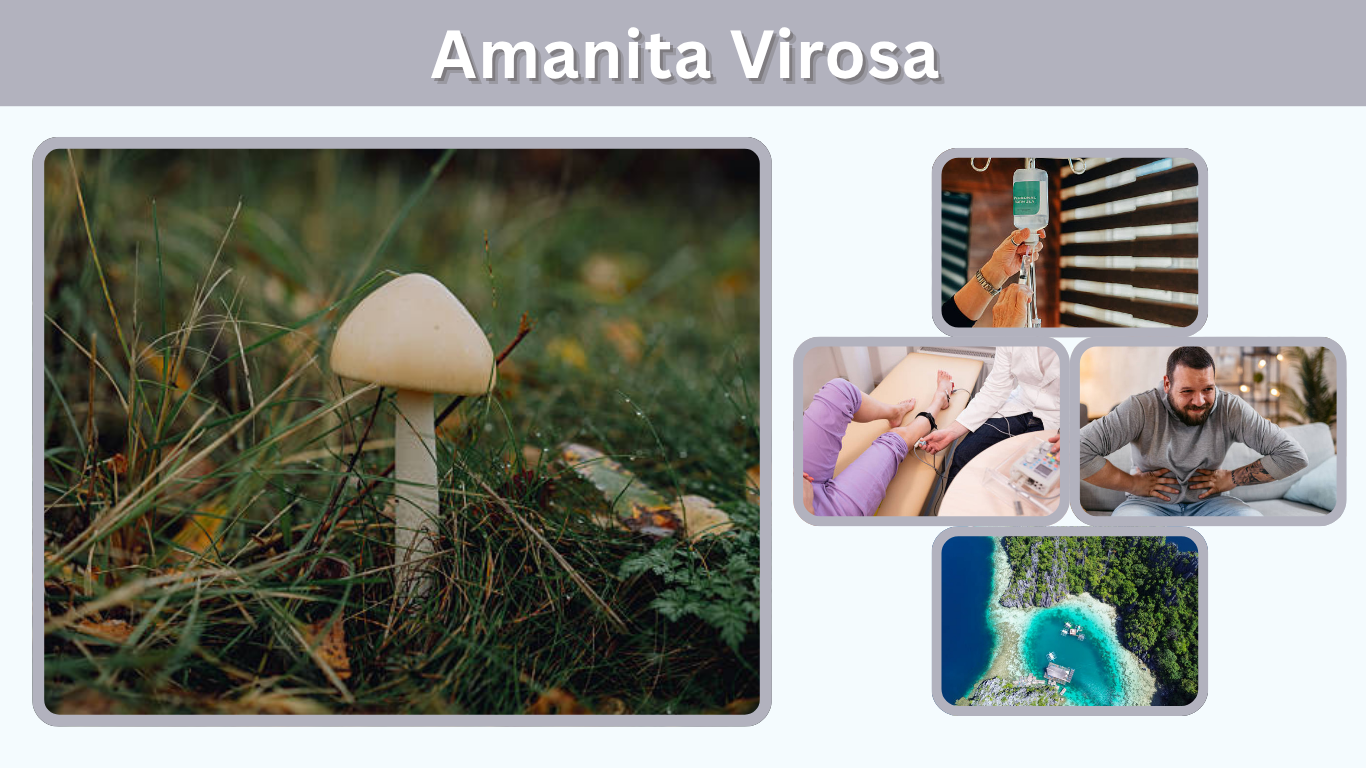
Amanita virosa, commonly known as the Destroying Angel, is one of the most dangerous mushrooms found in nature. Its pure white appearance often deceives inexperienced foragers, leading to accidental poisoning. This species contains powerful toxins that can cause severe organ failure and even death. Understanding its characteristics, habitat, and risks is essential for anyone interested in wild mushrooms or outdoor exploration.
What Is Amanita Virosa?
Amanita virosa belongs to the Amanitaceae family and is widely recognized for its lethal toxicity. It is part of a group of white Amanita mushrooms often referred to as Destroying Angels. Despite its delicate and harmless look, it is responsible for numerous poisoning cases worldwide. This mushroom plays a role in forest ecosystems but poses serious risks to humans who misidentify it.
Scientific Classification
- Scientific name: Amanita virosa
- Family: Amanitaceae
- Order: Agaricales
- Phylum: Basidiomycota
Common Names and Pronunciation
- Common name: Destroying Angel
- Alternate names: Death Angel mushroom
- Pronunciation: uh-MAN-ih-tuh vy-ROH-suh
Amanita virosa Characteristics
This mushroom is known for its striking all-white appearance, which makes it both visually appealing and dangerously misleading. Recognizing its physical traits is essential for avoiding accidental consumption. Each part of the mushroom offers important clues for identification, especially the base and stem structures.
Cap (Pileus)
- Smooth, white, and sometimes slightly sticky
- Starts egg-shaped and flattens with age
- Typically 5–12 cm in diameter
Gills
- White and closely spaced
- Free from the stem
- Remain unchanged in color over time
Stem and Base
- Slender white stem with a ring (annulus)
- Bulbous base surrounded by a sac-like volva
- Volva is a key identification feature
Amanita virosa Habitat and Distribution

Amanita virosa is commonly found in temperate regions, particularly in Europe, including the United Kingdom and Ireland. It thrives in woodland environments where it forms symbiotic relationships with trees. Although the true species is mostly European, similar toxic relatives appear in North America, often causing confusion among foragers and increasing the risk of accidental poisoning.
Amanita virosa Identification Guide
Correct identification of Amanita virosa is critical due to its extreme toxicity. Many fatal incidents occur because people mistake it for edible white mushrooms. Careful observation of its structure, especially the base and gills, can help distinguish it from safer species.
Key Identification Features
- Entirely white cap, gills, and stem
- Presence of both a ring and a volva
- White spore print
Common Identification Mistakes
- Ignoring the base while picking
- Confusing it with edible Agaricus species
- Assuming all white mushrooms are safe
Amanita virosa Look-Alikes
Many mushrooms resemble Amanita virosa, making it particularly dangerous for beginners. Some edible species look similar at certain stages, while others are equally toxic. Understanding these look-alikes is essential for reducing the risk of misidentification.
Edible Look-Alikes
- Button mushrooms (Agaricus species)
- Young puffballs before they mature
Toxic Look-Alikes
- Amanita verna
- Amanita bisporigera
How to Tell the Difference
The most reliable way to distinguish Amanita virosa is by examining the volva at the base and the presence of a ring on the stem. Edible mushrooms often lack one or both of these features. Additionally, checking the spore print and avoiding assumptions based on appearance alone can prevent serious mistakes.
Amanita virosa vs Amanita phalloides

Both Amanita virosa and Amanita phalloides are among the deadliest mushrooms known. While A. virosa is pure white, A. phalloides, also called the death cap, typically has a greenish or yellowish cap. Despite these visual differences, both contain similar toxins and cause severe liver damage, making them equally dangerous to humans.
Amanita virosa Toxicity and Poisoning
Amanita virosa is extremely toxic due to the presence of potent compounds known as amatoxins. These toxins are not destroyed by cooking, drying, or freezing, making the mushroom dangerous in any form. Even a small amount can cause severe damage to vital organs, especially the liver and kidneys. Understanding how these toxins work helps explain why this mushroom is so deadly.
Toxins Present
- Amatoxins (primary lethal compounds)
- Heat-stable and resistant to digestion
- Found in all parts of the mushroom
How It Affects the Body
- Blocks RNA polymerase, stopping protein production
- Causes rapid liver cell damage
- Leads to organ failure if untreated
Symptoms of Amanita virosa Poisoning

Poisoning symptoms are often delayed, which makes the situation more dangerous. Victims may feel fine for several hours before severe symptoms begin. This delay can lead to late treatment, increasing the risk of fatal outcomes.
Early Stage (6–24 Hours)
- Severe abdominal pain
- Vomiting and watery diarrhea
- Dehydration and weakness
False Recovery Phase
- Temporary improvement in symptoms
- Internal organ damage continues silently
Advanced Stage
- Liver failure and jaundice
- Confusion or coma
- High risk of death without treatment
Amanita virosa Treatment and Antidote

There is no single guaranteed cure for Amanita virosa poisoning, but rapid medical care significantly improves survival chances. Treatment focuses on reducing toxin absorption and supporting organ function. In severe cases, advanced medical procedures may be required to save the patient’s life.
Emergency Treatments
- Immediate hospitalization
- Activated charcoal to limit toxin absorption
- Intravenous fluids to prevent dehydration
Medical Interventions
- Silibinin-based therapy in some cases
- Intensive liver support
- Liver transplant for critical patients
Amanita virosa Reproduction and Ecology
Amanita virosa reproduces through microscopic spores that are released from its gills. These spores spread through the air and germinate in suitable environments. The fungus forms a symbiotic relationship with trees, helping them absorb nutrients while receiving sugars in return. This ecological role is important for forest health, even though the mushroom itself is highly toxic to humans.
Safety Tips for Mushroom Foragers
Foraging can be rewarding, but it also carries risks, especially when dealing with toxic species like Amanita virosa. Proper knowledge and caution are essential to avoid life-threatening mistakes.
Essential Safety Practices
- Never eat unidentified mushrooms
- Avoid all-white mushrooms if unsure
- Always check for a volva at the base
- Use multiple identification guides
Beginner Mistakes to Avoid
- Relying only on appearance
- Ignoring expert advice
- Collecting mushrooms without proper tools
FAQs
What is the common name of Amanita virosa?
The common name of Amanita virosa is “Destroying Angel.” This name reflects its pure white appearance and extremely toxic nature. It belongs to a group of deadly Amanita mushrooms responsible for many fatal poisoning cases worldwide.
Is Amanita virosa edible in any form?
No, Amanita virosa is not edible under any circumstances. It contains lethal toxins that remain active even after cooking or drying. Consuming even a small amount can lead to severe illness or death.
How long does it take for symptoms to appear?
Symptoms usually appear between 6 and 24 hours after ingestion. This delayed onset is dangerous because it can give a false sense of safety, allowing toxins to damage the liver before treatment begins.
Can Amanita virosa poisoning be treated?
Treatment is possible if medical care is received quickly. While there is no guaranteed antidote, therapies such as activated charcoal and liver support can improve survival. In severe cases, a liver transplant may be required.
Where is Amanita virosa commonly found?
Amanita virosa is most commonly found in Europe, particularly in woodland areas. Similar species exist in North America, often leading to confusion. It typically grows in forests during late summer and autumn.