
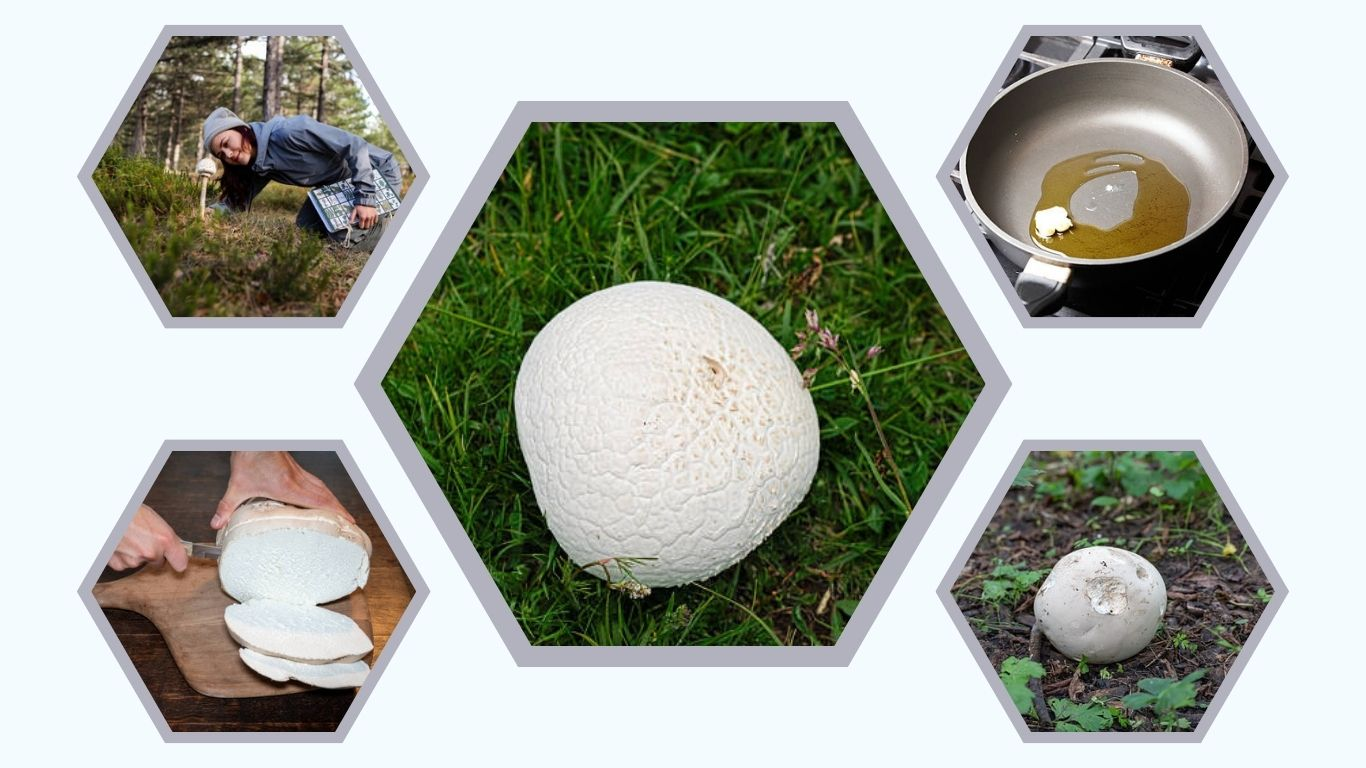
The giant puffball mushroom is one of the most fascinating edible fungi found in the wild. Known for its massive size and simple structure, it often surprises foragers and nature lovers alike. This unique mushroom is not only edible but also versatile in cooking when properly identified. However, safety is essential, as some look-alikes can be dangerous. In this guide, you’ll learn how to identify giant puffball mushrooms, understand their edibility, and explore where they grow and how they are used.
What Is a Giant Puffball Mushroom?
The giant puffball mushroom, scientifically known as Calvatia gigantea, is a large, round fungus that can grow to impressive sizes. Unlike many other mushrooms, it does not have a visible stem, gills, or cap. Instead, it appears as a smooth, white ball sitting directly on the ground. Its simple appearance makes it easy to recognize, especially when it is young and fresh.
Key Characteristics
- Large, ball-shaped structure without a stem
- Smooth white outer surface
- Solid white interior when cut open
- Can grow as large as a football or bigger
Are Giant Puffball Mushrooms Edible?

Giant puffball mushrooms are considered edible and are often enjoyed by foragers and chefs. Their mild flavor and soft texture make them suitable for a variety of dishes. However, their edibility depends entirely on their condition at the time of harvest. Only young specimens that are fresh and properly identified should be consumed.
When Is It Safe to Eat?
- The inside is completely white and firm
- No signs of discoloration or spoilage
- Texture is soft but not mushy
When Not to Eat Them
- Interior turns yellow, brown, or powdery
- Presence of unusual smell
- Signs of decay or aging
Are Giant Puffball Mushrooms Poisonous?

Giant puffball mushrooms themselves are not poisonous when correctly identified. The main risk comes from confusing them with other toxic mushrooms that look similar in early stages. This is why careful identification is critical before consumption. Cutting the mushroom open is the most reliable way to ensure it is safe, as true puffballs have a uniform white interior.
Dangerous Look-Alikes
- Amanita mushrooms in early “egg” stage
- Earthball mushrooms with dark interiors
Safety Tips Before Eating
- Always slice the mushroom open before cooking
- Avoid eating if unsure about identification
- Learn from experienced foragers when possible
How to Identify a Giant Puffball Mushroom
Identifying a giant puffball mushroom is relatively straightforward if you follow a few simple checks. Its large size and round shape are the first clues, but the most important step is examining the inside. A true giant puffball will always be pure white and solid when fresh.
Step-by-Step Identification
- Observe the smooth, round exterior
- Cut the mushroom in half
- Check for a uniform white interior
Giant Puffball Mushroom Look-Alikes
Some mushrooms may resemble puffballs from the outside, but they differ internally. For example, immature Amanita mushrooms will show developing structures inside when cut open, unlike the solid flesh of a true puffball. Recognizing these differences is essential for safe foraging.
Where Do Giant Puffball Mushrooms Grow?

Giant puffball mushrooms grow naturally in open areas where the soil is rich in organic matter. They are commonly found in grassy fields, meadows, and forest edges rather than deep wooded areas. Their appearance often follows periods of rain combined with warm temperatures, which create ideal growing conditions.
Geographic Range
These mushrooms are widely distributed across temperate regions. They are commonly found in parts of North America and Europe, including the UK and several regions of the United States. Their adaptability allows them to thrive in various environments as long as moisture and nutrients are available.
When to Find Them
The best time to find giant puffball mushrooms is during late summer and early autumn. During this period, the combination of humidity and moderate temperatures encourages rapid growth. They can appear suddenly and grow quickly, so timing is important for successful foraging.
How Fast Do Giant Puffball Mushrooms Grow?
Giant puffball mushrooms are known for their rapid growth, often appearing almost overnight under the right conditions. With enough moisture and warmth, they can expand dramatically in just a few days. This fast growth is one of the reasons they are so exciting to find in the wild.
Growth Speed and Size
- Can grow several centimeters per day
- Often reach football size within a week
- Some specimens weigh over 10–20 kg
Life Cycle Overview
- Starts as a small white ball
- Expands rapidly with moisture
- Eventually matures and releases spores
Giant Puffball Mushroom Taste and Nutrition
The giant puffball mushroom has a mild and neutral flavor, making it a versatile ingredient in many dishes. Its texture is soft yet slightly firm, often compared to tofu or fresh bread. Because it absorbs flavors easily, it works well with various seasonings and cooking methods.
Nutritional Value
Giant puffball mushrooms are low in calories and fat, making them a healthy addition to meals. They contain small amounts of protein, fiber, and essential nutrients. While not a superfood, they contribute to a balanced diet and provide a satisfying plant-based option for cooking.
How to Cook Giant Puffball Mushrooms

Cooking giant puffball mushrooms is simple, but proper preparation is essential to get the best flavor and texture. Since they have a high water content, they should be cooked thoroughly rather than eaten raw.
Preparation Tips
- Remove the outer skin if tough
- Slice into even pieces
- Clean gently without soaking
Popular Cooking Methods
- Fry slices in butter or oil
- Grill thick cuts like steaks
- Bake with herbs and seasoning
How to Store and Preserve Giant Puffball Mushrooms
Proper storage helps extend the usability of giant puffball mushrooms after harvesting. Because they are perishable, they should be handled carefully to avoid spoilage.
Storage Tips
- Keep in the refrigerator for short-term use
- Wrap in paper to reduce moisture buildup
- Use within a few days for best quality
Freezing Methods
- Slice into portions before freezing
- Blanch briefly to preserve texture
- Store in airtight containers
Can You Grow Giant Puffball Mushrooms?
Growing giant puffball mushrooms at home is possible but can be challenging. Unlike cultivated mushrooms, they do not easily grow in controlled environments. Most successful growth occurs naturally in outdoor conditions.
Growing Basics
- Spread spores in nutrient-rich soil
- Maintain moisture and shade
- Allow natural conditions to support growth
Buying Giant Puffball Mushrooms
Giant puffball mushrooms are not commonly found in regular grocery stores due to their short shelf life. They are usually sourced through foraging or specialty suppliers.
Availability and Price
The price of giant puffball mushrooms can vary depending on location and availability. When sold, they are often priced per pound and may be considered a specialty item. Freshness and size play a significant role in determining their market value.
Interesting Facts About Giant Puffball Mushrooms
- Can release trillions of spores into the air
- Some of the largest mushrooms in the world
- Historically used in traditional remedies
- Known for their rapid and sudden growth
FAQs
Can you eat giant puffball mushrooms raw?
While technically edible, eating them raw is not recommended. Cooking improves both flavor and digestibility, and it also reduces the chance of stomach discomfort.
How do you tell if a giant puffball mushroom is edible?
Cut it open and check the inside. If the flesh is completely white and uniform, it is safe to eat. Any discoloration means it should be avoided.
Where can you find giant puffball mushrooms?
They are typically found in open grassy areas such as fields, meadows, and forest edges, especially after rainfall during late summer and early autumn.
What do giant puffball mushrooms taste like?
They have a mild, slightly nutty flavor and a soft texture. Their neutral taste allows them to absorb the flavors of spices and sauces easily.
Can you freeze giant puffball mushrooms?
Yes, they can be frozen after proper preparation. Slicing and blanching before freezing helps maintain their texture and extends their shelf life.