
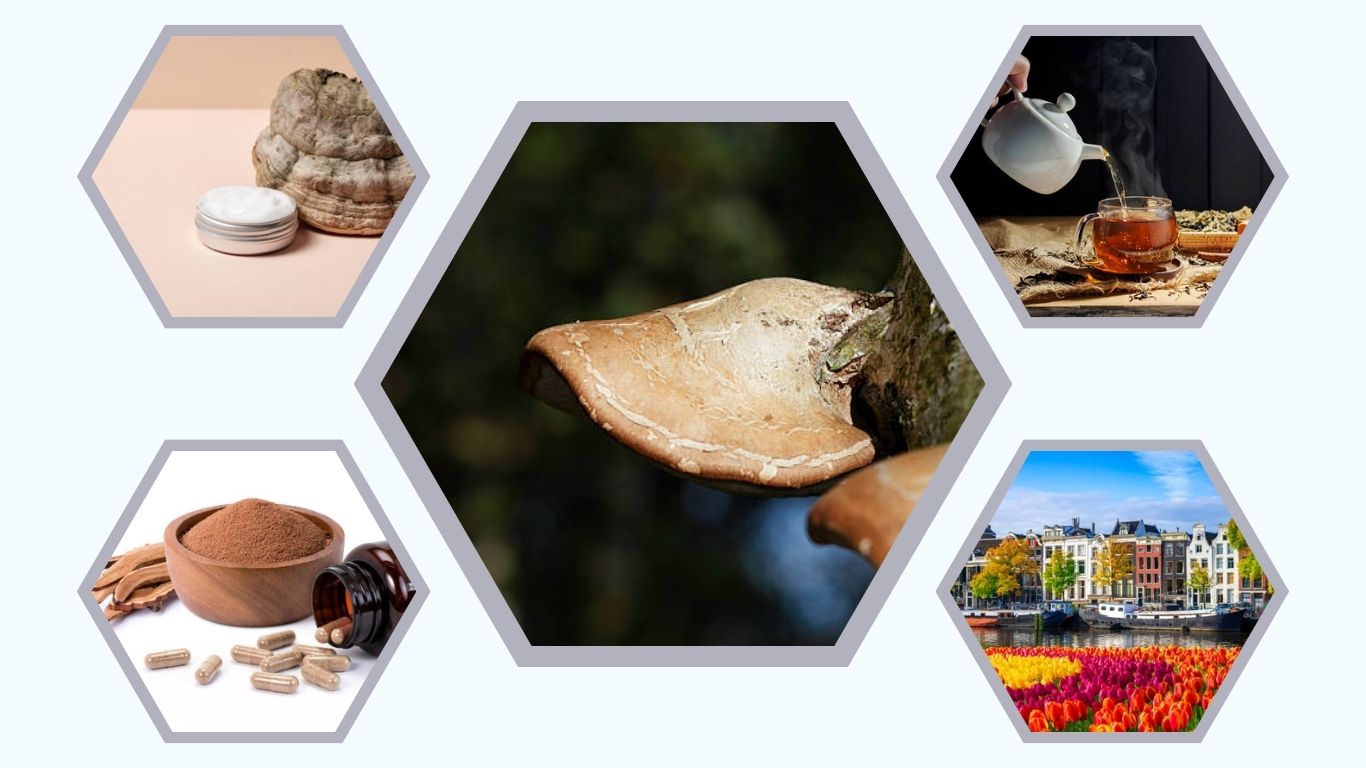
Birch polypore is a unique fungus that grows almost exclusively on birch trees and has been valued for centuries for its practical and medicinal uses. Known for its smooth, rounded appearance and pale color, this mushroom is easy to recognize once you understand its key features. While it is not commonly eaten as food, it has gained attention for its potential health benefits, traditional remedies, and survival applications. This guide explains how to identify birch polypore, where it grows, and why it remains important today.
What Is Birch Polypore?
Birch polypore is a bracket fungus that forms shelf-like growths on birch trees. It belongs to a group of fungi known for producing spores through small pores rather than gills. This species has a long history of use in traditional medicine and outdoor survival practices.
Scientific Classification
- Scientific name: Fomitopsis betulina
- Former name: Piptoporus betulinus
- Phylum: Basidiomycota
Common Names
- Birch polypore
- Razor strop fungus
- Birch bracket fungus
Historical Significance
- Found with Ötzi the Iceman, likely used for medicinal purposes
- Traditionally used in Europe as a natural remedy
- Valued for both healing and practical applications
Birch Polypore Identification Guide
Correct identification is essential when working with wild fungi. Birch polypore has several distinctive features that make it easier to recognize compared to many other mushrooms.
Key Identification Features
- Rounded or kidney-shaped bracket growing on tree trunks
- Smooth surface, usually light brown, tan, or off-white
- Thick, firm body that feels slightly rubbery when fresh
- No visible gills on the underside
Underside (Pore Surface)
- White and covered in tiny pores
- Releases spores through these pores instead of gills
- Soft when young but becomes tougher with age
Young vs Old Birch Polypore
- Young specimens are soft, white, and easier to cut
- Older ones become hard, cracked, and darker
- Fresh mushrooms are preferred for most uses
Birch Polypore Habitat and Growth

Birch polypore grows in close association with birch trees, making its habitat relatively easy to understand. It is commonly found in forests where birch trees are present and plays a role in breaking down dead wood.
Where It Grows
- On dead or dying birch trees
- Forests with abundant birch populations
- Temperate regions across Europe, North America, and Asia
Growth Pattern
- Usually found alone or in small clusters
- Attaches directly to the trunk without a stem
- Appears at various heights on the tree
When to Harvest
- Can be found year-round
- Best harvested when young and soft
- Easier to process when freshly collected
Is Birch Polypore Edible?
Birch polypore is technically edible, but it is not commonly consumed as food. Its texture is tough and somewhat leathery, which makes it less appealing compared to typical culinary mushrooms. The taste is often described as bitter, especially in older specimens.
Instead of being used as a food source, birch polypore is more commonly prepared as tea, powder, or extract. These forms allow people to make use of its potential benefits without dealing with its unpleasant texture. While it is not considered poisonous, it should still be used carefully and in moderation, especially for those trying it for the first time.
Birch Polypore Benefits and Medicinal Uses
Birch polypore has been used for centuries in traditional medicine, and modern interest has grown due to its potential health-supporting properties. While research is still developing, many people use it as part of natural wellness practices.
Potential Health Benefits
- May support the immune system
- Contains antibacterial and antimicrobial compounds
- Traditionally used for digestive support
- May help reduce inflammation
Medicinal Compounds
- Rich in bioactive substances studied for health effects
- Often used in extracts, powders, and teas
- Believed to support overall wellness
Birch Polypore Tea and Preparation

One of the most common ways to use birch polypore is by making tea. This method allows beneficial compounds to be extracted while avoiding the tough texture of the mushroom.
How to Make Birch Polypore Tea
- Slice or break dried mushroom into small pieces
- Simmer in water for 20–30 minutes
- Strain and drink warm
Tea Benefits
- Traditionally used for immune support
- May aid digestion
- Mild, earthy taste
Birch Polypore Tincture and Extract
Tinctures are concentrated forms of birch polypore made using alcohol or a combination of water and alcohol. These extracts are popular for long-term storage and convenience.
How to Make a Tincture
- Dry and grind the mushroom
- Place in a jar and cover with alcohol
- Let sit for several weeks before straining
Double Extraction Method
- Combines water extraction and alcohol extraction
- Helps capture both water-soluble and alcohol-soluble compounds
Practical Uses of Birch Polypore

Birch polypore is not just valued for health—it also has many practical applications, especially in outdoor and survival settings.
Common Uses
- Natural fire starter (tinder)
- Knife sharpening strop
- Bandage or plaster for small wounds
Modern Applications
- Powder supplements
- Herbal preparations
- Skincare products
Birch Polypore vs Chaga

Birch polypore and chaga are both fungi that grow on birch trees, but they are very different in appearance and use. Birch polypore has a smooth, rounded shape with a pale surface, while chaga looks like a dark, cracked mass resembling burnt wood.
In terms of use, birch polypore is known for both medicinal and practical applications, whereas chaga is primarily used for making tea and extracts. Although both are valued in natural health practices, they should not be confused when foraging.
Safety, Side Effects and Identification Tips
Possible Side Effects
- Mild digestive discomfort in some individuals
- Rare allergic reactions
- Bitter taste may not suit everyone
Safety Tips
- Always identify correctly before use
- Avoid overconsumption
- Start with small amounts
Is Birch Polypore Poisonous?
- Not considered poisonous
- Generally safe when properly identified
- Still should be used responsibly
Conclusion
Birch polypore is a versatile fungus with a long history of use in medicine and daily life. While it may not be a popular food, its value lies in its potential health benefits and practical applications. From tea and tinctures to survival uses, it remains an important natural resource. Proper identification and preparation are essential to make the most of what this unique mushroom has to offer.
FAQs
Is birch polypore edible?
Birch polypore is technically edible, but it is not commonly eaten due to its tough texture and bitter taste. It is more often used for tea, extracts, or medicinal purposes rather than as a regular food.
What are the benefits of birch polypore?
Birch polypore may support the immune system and has antibacterial and anti-inflammatory properties. It has been used traditionally for digestive health and general wellness.
How do you make birch polypore tea?
To make tea, dry and slice the mushroom, then simmer it in water for about 20–30 minutes. After straining, the liquid can be consumed warm as a traditional herbal drink.
Is birch polypore poisonous?
No, birch polypore is not considered poisonous. However, proper identification is important to avoid confusion with other fungi, especially for beginners.
What is birch polypore used for?
Birch polypore is used for making tea, tinctures, and powders. It also has practical uses such as fire starting, knife sharpening, and acting as a natural bandage.