
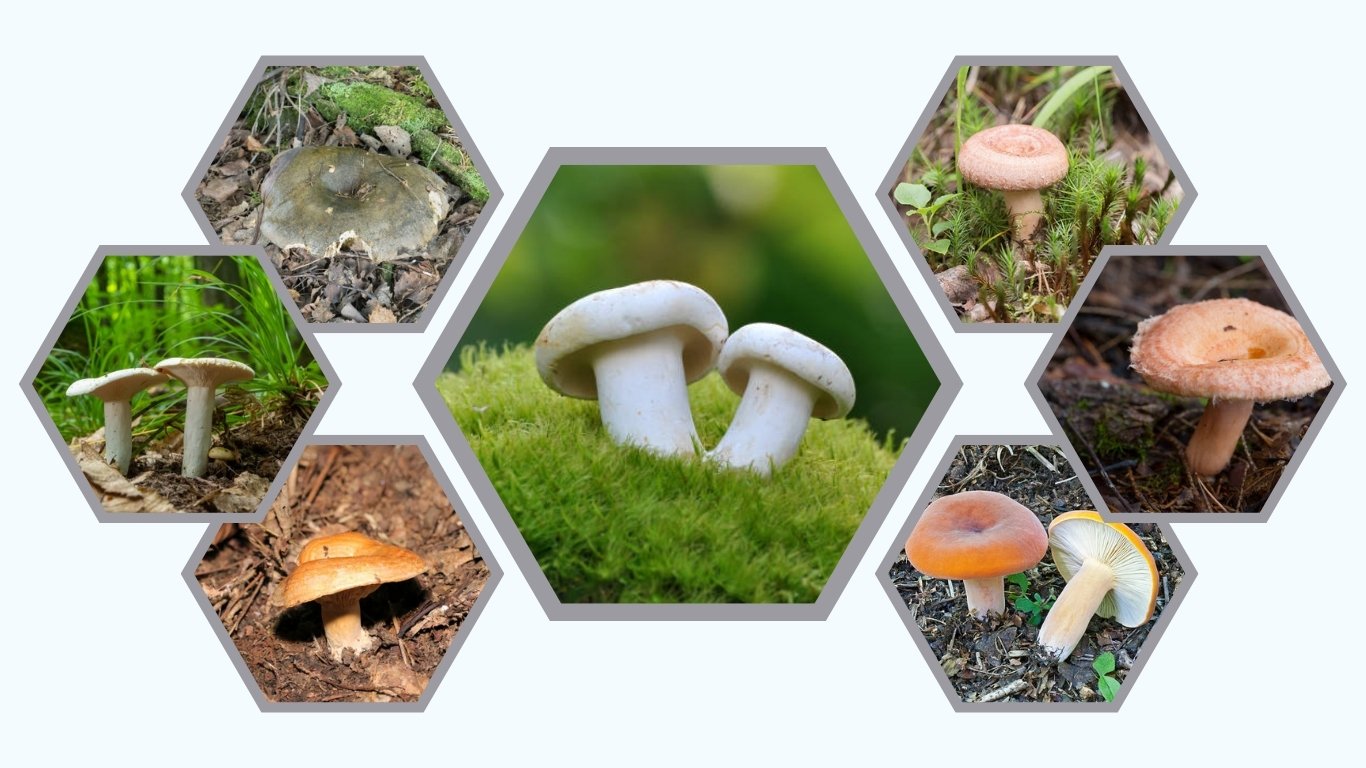
Milk cap mushrooms are a fascinating group of fungi known for releasing a milky latex when cut or damaged. Belonging mainly to the Lactarius genus, these mushrooms appear in a wide range of colors, shapes, and habitats across forests worldwide. Some species are highly prized for their edible quality, while others are toxic or intensely peppery. Many milk cap mushrooms form important relationships with trees, helping maintain healthy woodland ecosystems. This guide explores 10 notable types of milk cap mushrooms, highlighting their identification features, habitats, edibility, and the characteristics that make each species unique.
1. Lactarius deliciosus

Lactarius deliciosus, commonly known as the Saffron Milk Cap, is one of the most famous and widely collected milk cap mushrooms. It is admired for its bright orange coloration and the carrot-colored milk it releases when cut or damaged. This mushroom is commonly associated with pine forests and is highly valued as an edible species in many countries. Its attractive appearance and distinctive staining reactions make it one of the easiest milk cap mushrooms to recognize in the wild.
Identification
- Bright orange to reddish-orange cap coloration
- Cap surface often marked with darker concentric rings
- Funnel-shaped cap develops with age
- Orange gills that may bruise green
- Thick orange stem with small darker pits
- Releases carrot-orange milk when cut
- Flesh slowly develops green stains after damage
- Spore print is pale cream to light yellow
Habitat
Lactarius deliciosus commonly grows in coniferous forests, especially near pine trees. It prefers sandy or acidic soil and often appears in mossy woodland areas during autumn. Fruiting bodies may grow singly or in scattered groups across forest floors covered with pine needles. Like many milk cap mushrooms, it forms mycorrhizal relationships with nearby trees, helping support nutrient exchange within woodland ecosystems. This species is widespread across Europe and is also found in other temperate regions where pine forests are common.
Edibility
Lactarius deliciosus is considered an excellent edible mushroom and is highly valued in many culinary traditions. Its firm texture and mild nutty flavor make it suitable for frying, grilling, pickling, and mixed mushroom dishes. The mushroom is especially popular in Mediterranean and Eastern European cuisine. Green staining may appear after handling or cooking, but this is normal and does not indicate spoilage. Proper identification remains important because some orange milk cap species can differ in quality and taste.
Distinct Features
The most recognizable feature of Lactarius deliciosus is the bright orange milk released when the mushroom is cut or bruised. The milk and flesh gradually develop green discoloration after exposure to air. Its orange cap with concentric ring patterns and association with pine trees also help distinguish it from similar species. Unlike many mushrooms with white latex, this species produces vividly colored milk, making it one of the easiest milk cap mushrooms to identify in woodland habitats.
2. Lactarius indigo

Lactarius indigo, commonly known as the Indigo Milk Cap, is one of the most visually striking mushrooms in the world because of its deep blue coloration. This unusual milk cap mushroom is easily recognized by its vivid indigo-blue cap, gills, and milk. It grows in woodland habitats during summer and autumn and is found in parts of North and Central America as well as Asia. Its unusual color and edible quality make it highly interesting to mushroom enthusiasts and nature photographers.
Identification
- Deep blue to indigo-colored cap
- Cap surface may fade to pale blue with age
- Funnel-shaped cap develops in mature specimens
- Blue gills attached closely beneath the cap
- Thick blue stem with a firm texture
- Releases dark blue milk when cut or damaged
- Flesh slowly turns greenish after bruising
- Spore print is pale yellow to cream-colored
Habitat
Lactarius indigo commonly grows in deciduous and coniferous forests, especially near oak and pine trees. It prefers moist woodland soil rich in organic matter and often appears after seasonal rainfall. Fruiting bodies may grow singly or in scattered groups across mossy or leaf-covered forest floors. Like other milk cap mushrooms, it forms mycorrhizal relationships with nearby trees, helping support nutrient exchange within forest ecosystems. This species is commonly found in temperate and subtropical woodland regions.
Edibility
Lactarius indigo is considered an edible mushroom and is consumed in several regions where it naturally grows. It has a mild to slightly earthy flavor and becomes less colorful after cooking. The mushroom is often sautéed, grilled, or added to mixed dishes. Although edible, its texture may become slightly brittle with age, so younger specimens are generally preferred. Proper identification is still important because unusual mushroom colors can sometimes lead to confusion with less desirable woodland species.
Distinct Features
The intense blue coloration is the most distinctive feature of Lactarius indigo. Few mushrooms display such vivid natural blue shades across the cap, gills, stem, and milk. The mushroom also releases blue latex when cut, which later develops greenish tones after exposure to air. Its funnel-shaped cap and woodland habitat further help with identification. These unique characteristics make it one of the most recognizable and photographed milk cap mushrooms found in nature.
3. Lactarius deterrimus

Lactarius deterrimus, commonly known as the False Saffron Milk Cap, is a bright orange milk cap mushroom closely related to Lactarius deliciosus. It is commonly found in spruce forests and is known for releasing orange milk that later turns reddish or greenish after exposure to air. Although similar in appearance to other saffron milk caps, this species has distinct ecological preferences and staining reactions. It is considered edible and is widely collected in parts of Europe during the autumn mushroom season.
Identification
- Bright orange cap with darker circular ring patterns
- Funnel-shaped cap becomes depressed with age
- Orange gills that bruise greenish or reddish
- Orange stem with small darker spots or pits
- Releases carrot-orange milk when damaged
- Flesh develops reddish to green discoloration over time
- Mild smell and slightly fruity taste
- Spore print is pale cream to light yellow
Habitat
Lactarius deterrimus commonly grows in coniferous forests, especially in association with spruce trees. It prefers moist acidic soil covered with moss and fallen needles. Fruiting bodies usually appear from late summer through autumn, often after rainfall. The mushroom may grow singly or in scattered groups across woodland floors. Like other milk cap mushrooms, it forms mycorrhizal relationships with nearby trees, helping exchange nutrients within forest ecosystems. This species is widely distributed across European mountain forests and cool temperate woodland regions.
Edibility
Lactarius deterrimus is considered an edible mushroom and is commonly collected for food in many European countries. It has a mild flavor and firm texture suitable for frying, grilling, and preserving. The mushroom may develop greenish discoloration during handling or cooking, but this is a natural reaction and does not affect edibility. Younger specimens are generally preferred because older mushrooms may become soft or insect-damaged. Careful identification is recommended because several orange milk cap species can appear similar in forests.
Distinct Features
The most recognizable feature of Lactarius deterrimus is its orange milk and strong association with spruce forests. Unlike Lactarius deliciosus, which is usually linked with pine trees, this species prefers spruce habitats. The flesh and milk also tend to develop deeper reddish or greenish discoloration after bruising. Its orange cap with concentric ring markings further helps with identification. These characteristics make it a distinctive and commonly collected milk cap mushroom in coniferous woodland environments.
4. Lactarius volemus

Lactarius volemus, commonly known as the Weeping Milk Cap, is a well-known edible milk cap mushroom recognized for producing large amounts of white latex when cut or damaged. It is commonly found in forests during summer and autumn and is appreciated for its firm texture and nutty flavor. Mature specimens often develop a strong fishy odor, which helps distinguish this species from many other milk cap mushrooms. It is widely distributed across Europe, Asia, and North America.
Identification
- Orange-brown to reddish-brown cap coloration
- Smooth and dry cap surface
- Funnel-shaped cap develops with age
- Cream to pale yellow gills beneath the cap
- Thick pale stem with a sturdy structure
- Releases abundant white milk when damaged
- Flesh remains mostly white after cutting
- Spore print is cream to pale yellow
Habitat
Lactarius volemus commonly grows in deciduous and mixed forests, especially near oak, beech, chestnut, and pine trees. It prefers moist woodland soil rich in organic matter and often appears among moss and leaf litter. Fruiting bodies usually emerge from summer through autumn, particularly after rainfall. The mushroom may grow singly or in small scattered groups across forest floors. Like other milk cap mushrooms, it forms mycorrhizal relationships with nearby trees, helping support nutrient exchange and healthy woodland ecosystems.
Edibility
Lactarius volemus is considered an excellent edible mushroom and is valued for its dense texture and mild nutty flavor. It is commonly fried, sautéed, grilled, or added to soups and mixed mushroom dishes. Younger specimens are usually preferred because older mushrooms may develop a stronger fishy odor that some people find unpleasant. The abundant white milk released during cutting does not indicate toxicity. Proper identification remains important because several brown milk cap species may resemble this mushroom in woodland habitats.
Distinct Features
The most distinctive feature of Lactarius volemus is the large amount of white latex released when the mushroom is cut or bruised. Mature specimens also develop a strong fish-like smell that becomes more noticeable with age. Its reddish-brown cap, pale gills, and firm structure further assist with identification. Unlike many milk cap mushrooms that change color dramatically after damage, the flesh of this species usually remains fairly stable. These characteristics make it one of the easier edible milk caps to recognize in forests.
5. Lactarius torminosus

Lactarius torminosus, commonly known as the Woolly Milk Cap, is a striking mushroom recognized for its pinkish cap covered with hairy or woolly edges. This species is commonly found in birch forests during late summer and autumn. Although visually attractive, it is considered toxic or strongly irritating when eaten raw because of its sharp taste and digestive effects. Its distinctive cap texture and pale milk make it one of the easier milk cap mushrooms to identify in woodland habitats.
Identification
- Pink to pale reddish cap with darker concentric rings
- Woolly or hairy cap margins
- Funnel-shaped cap develops with maturity
- Cream to pale pink gills beneath the cap
- Thick pale stem with a firm texture
- Releases white milk when damaged
- Flesh has a strongly peppery taste
- Spore print is pale cream
Habitat
Lactarius torminosus commonly grows in deciduous woodlands, especially in association with birch trees. It prefers moist acidic soil rich in moss and leaf litter. Fruiting bodies usually emerge from late summer through autumn after rainfall. The mushroom often grows singly or in scattered groups across forest floors. Like other milk cap mushrooms, it forms mycorrhizal relationships with nearby trees, supporting nutrient exchange and maintaining healthy woodland ecosystems. This species is widespread across Europe, Asia, and North America in cool temperate regions.
Toxicity
Lactarius torminosus is generally considered poisonous when raw because it can cause severe digestive irritation, nausea, and stomach discomfort. Its intensely peppery taste acts as a natural warning sign against consumption. In some regions, special preparation methods involving repeated boiling are traditionally used before eating, but many mushroom guides still advise avoiding the species entirely. Proper identification is important because its attractive appearance may mislead inexperienced foragers searching for edible woodland mushrooms.
Distinct Features
The most recognizable feature of Lactarius torminosus is the woolly or hairy edge surrounding the cap margin. Few milk cap mushrooms display such a fuzzy texture. Its pinkish coloration with darker ring patterns and white latex further help with identification. The mushroom’s strong peppery taste also separates it from milder edible milk cap species. Combined with its close association with birch trees, these characteristics make it one of the most distinctive and easily recognized milk cap mushrooms in forest environments.
6. Lactarius quietus

Lactarius quietus, commonly known as the Oak Milk Cap, is a small to medium-sized milk cap mushroom closely associated with oak forests. It is recognized for its brownish cap, mild banded patterns, and the distinctive oily or bug-like smell produced by mature specimens. This mushroom commonly appears during autumn and is widespread across Europe and parts of North America. Although not considered highly toxic, it is generally regarded as inedible because of its unpleasant taste and odor.
Identification
- Brown to reddish-brown cap with faint concentric rings
- Smooth and dry cap surface
- Funnel-shaped cap develops slightly with age
- Pale cream to light brown gills
- Slender pale brown stem with a smooth texture
- Releases white milk when cut or damaged
- Strong oily or insect-like smell in mature specimens
- Spore print is pale cream
Habitat
Lactarius quietus commonly grows in deciduous woodlands, especially in association with oak trees. It prefers woodland soil rich in leaf litter and organic material. Fruiting bodies usually appear from late summer through autumn, often after rainfall. The mushroom may grow singly or in scattered groups across forest floors covered with fallen oak leaves. Like other milk cap mushrooms, it forms mycorrhizal relationships with nearby trees, helping exchange nutrients within woodland ecosystems and supporting healthy forest growth.
Edibility
Lactarius quietus is generally considered inedible because of its unpleasant smell and mediocre taste. Although it is not regarded as dangerously poisonous, the mushroom has little culinary value and is rarely collected for food. Some specimens may also produce a slightly bitter or irritating flavor. Mushroom guides commonly advise against eating this species, especially when better edible milk cap mushrooms are available in the same habitats. Accurate identification remains important because several brown milk cap species can appear similar.
Distinct Features
The most distinctive feature of Lactarius quietus is its strong oily or bug-like odor, which becomes more noticeable as the mushroom matures. Its brown cap with faint ring patterns and close association with oak trees also help distinguish it from related milk cap species. Unlike brightly colored milk caps, this mushroom has a more subtle woodland appearance. The white latex and mild funnel-shaped cap further assist with identification. These combined characteristics make it a recognizable but generally avoided milk cap mushroom.
7. Lactarius chrysorrheus

Lactarius chrysorrheus, commonly known as the Yellowdrop Milk Cap, is a woodland mushroom recognized for the white milk it produces that quickly turns bright yellow after exposure to air. This species is commonly found in deciduous forests during autumn and is especially associated with oak trees. Although visually interesting, it is considered poisonous and should not be eaten. Its dramatic latex color change and pale cap make it a distinctive member of the milk cap mushroom group.
Identification
- Pale cream to light buff-colored cap
- Smooth cap surface with faint concentric zones
- Funnel-shaped cap develops with age
- Cream-colored gills attached closely beneath the cap
- Pale stem with a firm but brittle texture
- Releases white milk that rapidly turns yellow
- Flesh is pale and fragile
- Spore print is cream to pale yellow
Habitat
Lactarius chrysorrheus commonly grows in deciduous woodlands, particularly near oak trees. It prefers moist forest soil rich in leaf litter and organic material. Fruiting bodies usually emerge from late summer through autumn after rainfall. The mushroom may grow singly or in scattered groups across woodland floors. Like other milk cap mushrooms, it forms mycorrhizal relationships with nearby trees, helping support nutrient exchange within forest ecosystems. This species is widespread across Europe and is also found in some temperate woodland regions elsewhere.
Toxicity
Lactarius chrysorrheus is considered poisonous and may cause digestive problems such as nausea, stomach pain, and vomiting if consumed. Its bitter and unpleasant taste also discourages consumption. The mushroom is not regarded as deadly, but most field guides strongly advise avoiding it. Proper identification is important because pale milk cap mushrooms can sometimes resemble edible species. Mushroom foragers should pay close attention to the latex reaction, since the rapid yellow color change is a key warning characteristic.
Distinct Features
The most distinctive feature of Lactarius chrysorrheus is the latex that changes from white to bright yellow within a short time after exposure to air. Few milk cap mushrooms display such a strong and rapid color transformation. Its pale cap, cream-colored gills, and close association with oak trees further assist with identification. Compared to brightly colored milk cap species, this mushroom appears relatively plain until its yellow-staining milk is observed. These characteristics make it a memorable but toxic woodland mushroom.
8. Lactarius piperatus

Lactarius piperatus, commonly known as the Peppery Milk Cap, is a large white milk cap mushroom famous for its intensely spicy taste. It is commonly found in deciduous forests during summer and autumn and is one of the most recognizable white milk cap species. Although not considered highly poisonous, it is generally avoided because of its strong peppery flavor and potential digestive irritation. Its abundant white latex and crowded gills make it relatively easy to identify in woodland habitats.
Identification
- Large white to cream-colored cap
- Smooth dry cap surface
- Funnel-shaped cap develops deeply with age
- Extremely crowded white gills
- Thick white stem with a firm texture
- Releases abundant white milk when cut
- Flesh has a very hot peppery taste
- Spore print is white to pale cream
Habitat
Lactarius piperatus commonly grows in deciduous and mixed forests, especially near beech, oak, and hazel trees. It prefers moist woodland soil rich in organic matter and often appears among fallen leaves and moss. Fruiting bodies usually emerge from summer through autumn, especially after rainfall. The mushroom may grow singly or in groups across forest floors. Like other milk cap mushrooms, it forms mycorrhizal relationships with nearby trees, helping maintain nutrient exchange and healthy woodland ecosystems in temperate forest environments.
Edibility
Lactarius piperatus is generally considered inedible or of low culinary value because of its intensely peppery taste. Eating it raw can cause mouth and stomach irritation. In some traditional cuisines, the mushroom is processed through boiling, drying, or pickling to reduce the sharp flavor before consumption. However, many field guides still recommend avoiding it for regular culinary use. Careful identification is important because several large white milk cap mushrooms may appear similar in woodland habitats.
Distinct Features
The most distinctive feature of Lactarius piperatus is its extremely crowded gills combined with its sharp peppery taste. Few milk cap mushrooms produce such a strong burning sensation when tasted carefully during identification. Its large white funnel-shaped cap and abundant white latex further help distinguish it from similar woodland mushrooms. Unlike species with colored milk or staining reactions, the latex usually remains white. These characteristics make it one of the easiest white milk cap mushrooms to recognize in forests.
9. Lactarius vellereus

Lactarius vellereus, commonly known as the Fleecy Milk Cap, is a large white milk cap mushroom recognized for its velvety cap surface and thick brittle flesh. It commonly grows in deciduous forests during summer and autumn and is often found in groups. Although impressive in size, this mushroom is generally considered inedible because of its intensely acrid taste. Its woolly texture and abundant white latex make it one of the easier white milk cap species to identify in woodland habitats.
Identification
- Large white to creamy-white cap coloration
- Velvety or woolly cap surface
- Deeply funnel-shaped cap develops with age
- Thick widely spaced white gills
- Short sturdy white stem
- Releases abundant white milk when damaged
- Flesh has a strongly acrid or peppery taste
- Spore print is white to pale cream
Habitat
Lactarius vellereus commonly grows in deciduous and mixed forests, especially near beech, oak, and birch trees. It prefers woodland soil rich in organic matter and often appears among leaf litter and moss. Fruiting bodies usually emerge from summer through autumn after periods of rainfall. The mushroom may grow singly or in clusters across forest floors. Like other milk cap mushrooms, it forms mycorrhizal relationships with nearby trees, helping support nutrient exchange and maintaining healthy woodland ecosystems in temperate regions.
Edibility
Lactarius vellereus is generally considered inedible because of its extremely sharp and irritating taste. Raw consumption may cause digestive discomfort and mouth irritation. In some regions, special preparation methods such as repeated boiling or pickling are traditionally used before consumption, but most field guides advise against eating it. The mushroom’s thick flesh and unpleasant flavor make it unpopular for culinary use. Proper identification is important because several large white milk cap mushrooms can appear similar in forest environments.
Distinct Features
The most distinctive feature of Lactarius vellereus is its velvety or fleecy cap surface, which gives the mushroom a soft textured appearance. Its large size and thick white flesh also help distinguish it from smoother milk cap species. Unlike some related mushrooms with tightly packed gills, this species often has more widely spaced gills beneath the cap. The abundant white latex and intensely acrid taste further assist with identification. These characteristics make it a recognizable but generally avoided woodland mushroom.
10. Lactarius turpis

Lactarius turpis, commonly known as the Ugly Milk Cap, is a dark-colored milk cap mushroom recognized for its slimy olive-brown cap and strong staining reactions. This species commonly grows in damp woodland habitats during autumn and is especially associated with birch trees. Although once considered edible in some regions after special preparation, it is now generally regarded as poisonous or unsafe for consumption. Its dark appearance and sticky surface make it one of the more unusual milk cap mushrooms found in forests.
Identification
- Dark olive-brown to blackish cap coloration
- Sticky or slimy cap surface in wet weather
- Funnel-shaped cap with a depressed center
- Pale cream to yellowish gills
- Thick pale stem that darkens with age
- Releases white milk when damaged
- Flesh slowly stains brownish or dark tones
- Spore print is pale cream to yellowish
Habitat
Lactarius turpis commonly grows in damp deciduous and mixed forests, especially near birch trees. It prefers moist acidic soil rich in moss and leaf litter. Fruiting bodies usually emerge from late summer through autumn after rainfall. The mushroom may grow singly or in scattered groups across wet woodland floors. Like other milk cap mushrooms, it forms mycorrhizal relationships with nearby trees, helping exchange nutrients within forest ecosystems. This species is widespread across northern and temperate woodland regions in Europe and Asia.
Toxicity
Lactarius turpis is generally considered poisonous and should not be eaten. Earlier traditions sometimes treated the mushroom as edible after prolonged boiling or pickling, but modern studies have raised concerns about potentially harmful compounds within the species. Consumption may cause digestive problems and other health risks. Because of these concerns, most mushroom guides strongly recommend avoiding this mushroom entirely. Proper identification is important because dark-colored milk cap mushrooms can resemble other woodland species under wet forest conditions.
Distinct Features
The most distinctive feature of Lactarius turpis is its dark slimy cap, which often appears olive-brown or nearly black in damp weather. Its sticky surface and depressed cap center create a heavy, weathered appearance in woodland environments. The white milk and gradual dark staining of the flesh further help with identification. Unlike brightly colored edible milk caps, this species has a darker and less attractive appearance. These characteristics make it one of the more recognizable toxic milk cap mushrooms found in forests.
FAQs
Is Lactarius turpis edible?
Lactarius turpis is generally considered poisonous or unsafe to eat. Although it was traditionally prepared as food in some regions after special processing, modern mushroom guides recommend avoiding it because of potential toxic compounds and possible health risks.
Where does Lactarius turpis usually grow?
This mushroom commonly grows in damp deciduous and mixed forests, especially near birch trees. It prefers moist acidic soil rich in moss, leaf litter, and woodland debris. Fruiting bodies usually appear during late summer and autumn after rainfall.
How can you identify Lactarius turpis?
Lactarius turpis can be identified by its dark olive-brown slimy cap, pale gills, white milk, and funnel-shaped appearance. The flesh often stains darker shades after damage, and the mushroom commonly grows in wet birch woodland habitats.
Does Lactarius turpis release milk when cut?
Yes, Lactarius turpis releases white latex or milk when cut or bruised. The milk itself usually remains pale, while the surrounding flesh may slowly develop brownish or darker discoloration after exposure to air.
Why is Lactarius turpis called the Ugly Milk Cap?
The mushroom earned the name Ugly Milk Cap because of its dark sticky appearance and weathered look in damp forest conditions. Its olive-brown slimy cap and muddy coloration make it less visually attractive than many brightly colored milk cap mushrooms.