Black morel mushrooms are among the most sought-after wild mushrooms in the world. Known for their unique honeycomb appearance and rich, earthy flavor, they are highly prized by chefs, foragers, and food enthusiasts alike. Every spring, mushroom hunters venture into forests searching for these elusive fungi, often treating the experience like a treasure hunt.
Beyond their culinary appeal, black morels are also valued for their nutritional benefits and rarity. However, proper identification and preparation are essential, as they can be confused with toxic look-alikes. This guide will help you understand everything about black morel mushrooms—from how to identify them to where to find them.
What Is a Black Morel Mushroom?
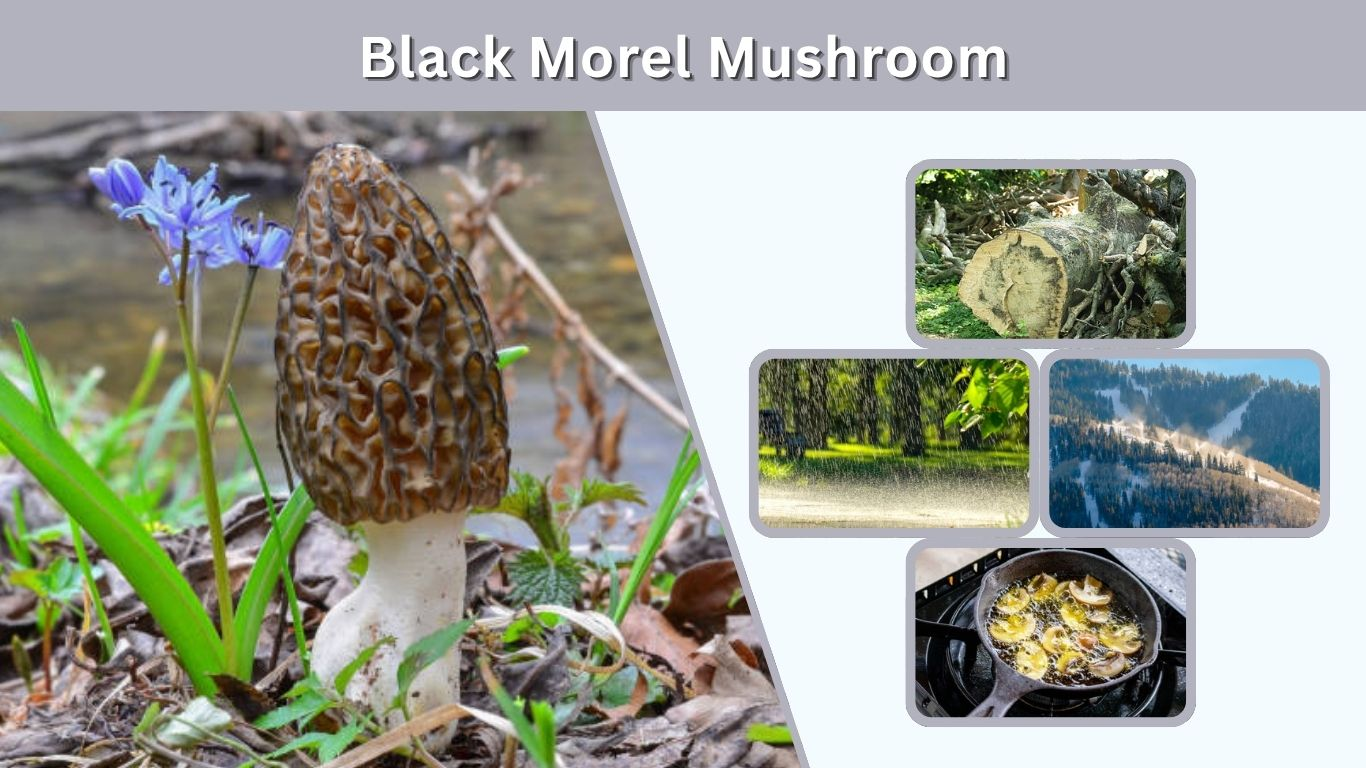
A black morel mushroom is a type of edible fungus belonging to the genus Morchella. These mushrooms are easily recognized by their distinctive cap, which features a honeycomb-like structure made up of ridges and pits.
Black morels are typically darker in color than other morel varieties, ranging from deep brown to nearly black. They are considered one of the first mushrooms to appear in the spring, making them highly anticipated among foragers.
Scientific Classification and Types
Black morels are commonly associated with species such as Morchella conica and related varieties. While there are several types of morels, they are generally grouped into black, yellow, and white categories based on color and growth patterns.
Each type has its own characteristics, but black morels are often the earliest to emerge in the season and are especially popular for their strong flavor.
Why Black Morels Are Special
Black morels are special because they are difficult to cultivate and mostly found in the wild. This rarity contributes to their high demand and value.
Their flavor is another reason for their popularity. They have a deep, nutty, and slightly smoky taste that enhances a wide range of dishes. Because of this, they are often used in gourmet cooking and fine dining.
Black Morel Mushroom Identification
Correct identification is the most important step when dealing with wild mushrooms. Black morels have several distinctive features that make them easier to recognize.
- Honeycomb-like cap with deep pits and ridges
- Dark brown to black coloration
- Hollow interior from cap to stem
- Cap attached directly to the stem
- Typically found in spring
One of the easiest ways to confirm a black morel is to cut it in half lengthwise. A true morel will be completely hollow inside, from the top of the cap to the bottom of the stem.
Even with these characteristics, caution is essential. Beginners should always double-check identification or consult an expert before consuming wild mushrooms.
Black Morel vs False Morel (Important Comparison)

| Feature | Black Morel | False Morel |
| Cap Texture | Honeycomb pits | Wrinkled or brain-like |
| Inside | Completely hollow | Solid or cotton-like |
| Edibility | Edible (when cooked) | Potentially toxic |
| Shape | Uniform and structured | Irregular shape |
This comparison is critical because false morels can look similar at first glance but may be toxic. Unlike black morels, false morels often have irregular, folded caps and are not hollow inside.
Mistaking a false morel for a true one can be dangerous, so always rely on multiple identification features rather than just appearance.
Where Do Black Morel Mushrooms Grow?
Black morel mushrooms grow in specific environments that provide the right balance of moisture, temperature, and organic material.
Natural Habitat
They are commonly found in forests, especially near hardwood trees such as ash, elm, and oak. They often grow in areas where the soil is rich in organic matter.
Black morels are also frequently found in recently disturbed areas, such as burned forests or logging sites. These conditions seem to encourage their growth.
Popular Regions
Black morels are widely found across North America and parts of Europe. In the United States, popular regions include Michigan, Colorado, and the Black Hills.
Local conditions can greatly influence where they appear, so experienced foragers often develop knowledge of specific spots.
Best Season to Find Them
The best time to find black morels is during spring, typically when daytime temperatures begin to warm and the soil reaches the right conditions.
They often appear after rainfall, especially when followed by mild, sunny weather. Timing is crucial, as their growing season can be relatively short.
Black Morel Mushroom Hunting Tips

Finding black morels can be challenging, but certain strategies can improve your chances.
- Search near dead or dying trees
- Look after rainfall and warm temperatures
- Focus on south-facing slopes early in the season
- Walk slowly and scan the ground carefully
- Revisit successful locations each year
Morel hunting requires patience and attention to detail. These mushrooms blend well with their surroundings, so spotting them often becomes easier with experience.
Many foragers also keep their best locations secret, adding to the mystery and excitement of the hunt.
Are Black Morel Mushrooms Edible?

Black morel mushrooms are edible and highly prized, but they must be handled properly.
Can You Eat Black Morels?
Yes, black morels are safe to eat when cooked. Cooking removes certain natural compounds that can cause digestive discomfort if consumed raw.
They are widely used in cooking and are considered a delicacy in many cuisines.
Are Black Morels Poisonous?
Black morels are not poisonous when properly identified and cooked. However, eating them raw or confusing them with false morels can be dangerous.
Proper identification and preparation are essential to ensure safety.
Black Morel Mushroom Benefits
Black morel mushrooms are not only prized for their flavor but also for their nutritional value. They contain a variety of essential nutrients that contribute to a healthy diet.
- Rich in vitamins such as vitamin D and B-complex
- Good source of minerals like iron and potassium
- High in antioxidants that support overall health
- Low in calories, making them diet-friendly
- Contains protein and fiber for balanced nutrition
These mushrooms are often included in gourmet dishes not just for taste, but also for their health benefits. Their nutrient density makes them a valuable addition to meals.
How to Cook Black Morel Mushrooms

Cooking black morels properly is essential for both safety and flavor. They should never be eaten raw, as cooking helps remove natural toxins.
- Clean thoroughly to remove dirt and debris
- Slice lengthwise to check for insects
- Cook in butter or oil over medium heat
- Avoid overcooking to preserve texture
- Pair with simple ingredients to highlight flavor
Before cooking, it’s important to rinse them gently and pat them dry. Many people prefer sautéing them in butter, which enhances their rich, nutty taste.
Black Morel Mushroom Recipes
Black morels are widely used in both simple and gourmet recipes. Their unique flavor pairs well with a variety of ingredients.
Simple Sauteed Morels
One of the easiest ways to enjoy black morels is by sautéing them with butter, garlic, and a pinch of salt. This method highlights their natural taste without overpowering it.
Gourmet Dishes (Risotto, Pasta)
Black morels are often used in high-end dishes such as risotto, creamy pasta, and sauces. Their earthy flavor blends well with cream, wine, and meats, making them a favorite in fine dining.
Black Morel Mushroom Price and Value
| Type | Price Range |
| Fresh Black Morels | High seasonal price |
| Dried Morels | Higher cost per ounce |
| Foraged Morels | Free but time-consuming |
Black morels are considered a luxury ingredient due to their rarity and short growing season. Fresh morels are typically expensive when in season, while dried morels can be even more costly because of their concentrated flavor and longer shelf life.
The price can vary depending on location, availability, and demand. Foragers often value them highly, even when collected for free, due to the effort required to find them.
Growing Black Morel Mushrooms
Growing black morel mushrooms is possible, but it is known to be challenging compared to other mushroom types.
Can You Grow Black Morels?
Yes, black morels can be grown, but success is not guaranteed. Unlike common cultivated mushrooms, morels require very specific environmental conditions that are difficult to replicate.
Growing Conditions
They thrive in soil rich in organic matter with proper moisture and temperature balance. Outdoor environments, especially areas with decaying wood or leaf litter, tend to provide better results than indoor setups.
Some growers use specialized kits or spores, but even then, results can vary. For most people, foraging remains the more reliable way to obtain black morels.
Do Morel Mushrooms Glow Under Black Light?
A common question is whether black morel mushrooms glow under black light. In general, morels do not strongly glow like some other fungi.
However, under certain conditions, they may show slight fluorescence. This is not a reliable method for finding or identifying them, and traditional foraging techniques are far more effective.
Common Problems and Look-Alikes
When dealing with wild mushrooms, it’s important to be aware of potential risks and common issues.
- False morels that can be toxic
- Misidentification by beginners
- Mushrooms turning black due to age or heat
- Insects hiding inside the hollow structure
- Spoilage if not stored properly
False morels are the most serious concern, as they can look somewhat similar but may be harmful. Always confirm identification before consumption.
FAQs
Where do black morel mushrooms grow?
Black morel mushrooms grow in forests, especially near hardwood trees like ash, elm, and oak. They are often found in disturbed areas such as burned forests or logging sites during the spring season.
Are black morel mushrooms edible?
Yes, black morel mushrooms are edible and highly valued, but they must always be cooked before eating. Raw morels can cause digestive issues, so proper preparation is essential.
How do you identify a black morel mushroom?
They can be identified by their honeycomb-like cap, dark color, and completely hollow interior. Cutting the mushroom in half is a reliable way to confirm its identity.
How much are black morel mushrooms worth?
Black morels are considered expensive due to their rarity. Fresh morels can command high prices during the season, while dried morels are often even more costly per ounce.
Can you grow black morel mushrooms at home?
Growing black morels is possible but difficult. They require specific environmental conditions, and success rates are lower compared to other cultivated mushrooms.