
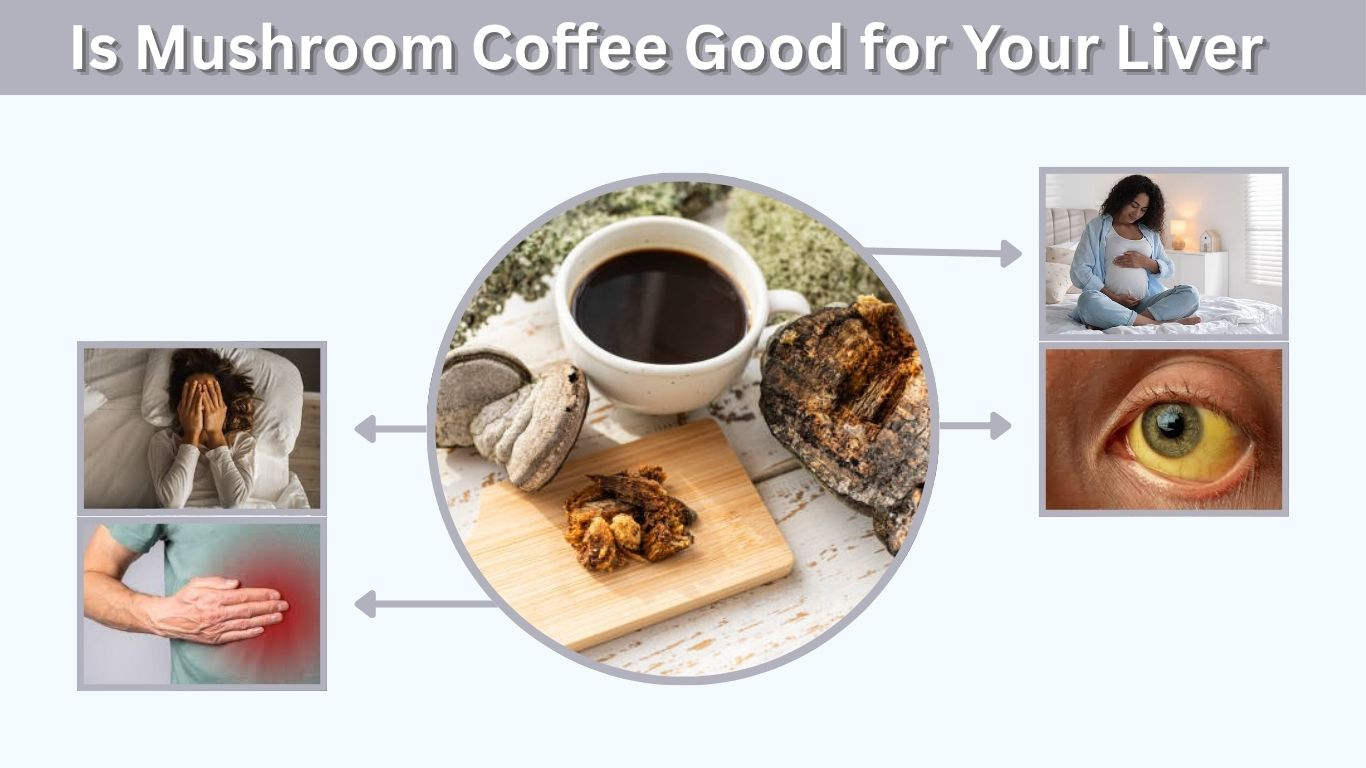
Mushroom coffee is often marketed as a healthier version of regular coffee, but its effect on the liver is not as simple as “good” or “bad.” Some ingredients may support overall wellness, while others may raise concerns for people with liver disease, kidney problems, or medication use. For most healthy adults, occasional mushroom coffee is unlikely to harm the liver, but it should not be treated as a liver detox or cure.
What Is Mushroom Coffee?
Mushroom coffee is a drink made by blending coffee with powdered functional mushrooms or mushroom extracts. It does not usually taste like cooked mushrooms. Most products taste earthy, nutty, or similar to regular coffee, especially when mixed with milk, cacao, cinnamon, or sweeteners.
Common mushrooms used in mushroom coffee include reishi, lion’s mane, chaga, cordyceps, and turkey tail. Some products contain regular caffeine, while others are made with decaf coffee, cacao, chicory, or herbal blends.
Common Mushroom Coffee Ingredients
The effect on your liver depends on the exact ingredients. A mushroom coffee with low-dose lion’s mane and coffee is different from one with high-dose reishi, chaga, multiple herbs, sweeteners, and unknown extracts.
Some labels clearly list the amount of each mushroom. Others use “proprietary blends,” which makes it harder to know how much you are consuming. This matters because liver safety often depends on dose, frequency, product quality, and personal health.
Regular Coffee vs Mushroom Coffee
Regular coffee has been studied much more than mushroom coffee. Many studies link moderate coffee intake with better liver-related markers and lower risk of some liver conditions. Mushroom coffee, however, has much less direct research.
That means the coffee part may have better evidence for liver health than the mushroom part. The mushroom extracts may offer antioxidant or anti-inflammatory compounds, but most claims are based on studies of individual mushrooms, not mushroom coffee as a finished drink.
Is Mushroom Coffee Good for Your Liver?
Mushroom coffee may be neutral or possibly helpful for some people, but there is not enough evidence to say it directly improves liver health. If it replaces sugary drinks, excessive alcohol, or very high-caffeine coffee, it may fit into a liver-friendly routine. But if it contains risky extracts, poor-quality ingredients, or high doses, it may not be the best choice.
| Ingredient | Possible Liver-Related Benefit | Possible Concern |
|---|---|---|
| Coffee | May support liver health in moderate amounts | Too much caffeine may worsen anxiety, sleep, or reflux |
| Reishi | Studied for antioxidant and anti-inflammatory effects | Rare liver injury reports, possible interactions |
| Chaga | Contains antioxidants | High oxalates; kidney concerns; limited liver evidence |
| Lion’s mane | Studied for brain and nerve support | Limited direct liver evidence |
| Cordyceps | Marketed for energy and endurance | Limited human evidence; possible medication concerns |
| Turkey tail | Contains beta-glucans linked to immune support | May cause digestive discomfort |
| Added sugar | Improves taste | Too much sugar may work against liver health |
Possible Liver Benefits of Mushroom Coffee
Mushroom coffee may support liver health indirectly when used wisely. The most realistic benefits come from caffeine moderation, antioxidants, lower sugar intake, and replacing less healthy drinks.
May Provide Coffee-Related Liver Benefits
Regular coffee is one of the most studied beverages in relation to liver health. Moderate coffee intake has been associated with healthier liver enzyme patterns and lower risk of some chronic liver problems in many observational studies.
If mushroom coffee contains real coffee, you may still get some coffee-related compounds, including caffeine and polyphenols. However, the amount depends on the product. Some mushroom coffees contain much less coffee than a standard cup.
May Help Reduce Caffeine Intake
Some mushroom coffee blends contain less caffeine than regular coffee. This can be useful if you drink too much coffee or feel jittery after caffeine. Better sleep and lower stress may indirectly support liver health because poor sleep, high stress, and unhealthy eating patterns often go together.
However, low caffeine is not guaranteed. Always check the label. Some mushroom coffees contain almost as much caffeine as regular coffee.
May Add Antioxidant Compounds
Functional mushrooms contain compounds such as polysaccharides, beta-glucans, and polyphenols. These compounds are often studied for antioxidant and immune-related effects.
Oxidative stress plays a role in many chronic health problems, including liver disease. Still, this does not prove mushroom coffee reverses liver damage. The amount of mushroom extract in a coffee blend may be much lower than the amounts used in some studies.
May Replace Sugary Coffee Drinks
A plain mushroom coffee may be better for your liver than a large sugary latte, energy drink, or dessert-style coffee. Too much added sugar can contribute to weight gain, insulin resistance, and fatty liver risk.
The benefit depends on how you prepare it. If you add several teaspoons of sugar, flavored syrups, or high-calorie creamers, mushroom coffee may not be any more liver-friendly than regular sweetened coffee.
Possible Liver Side Effects and Risks
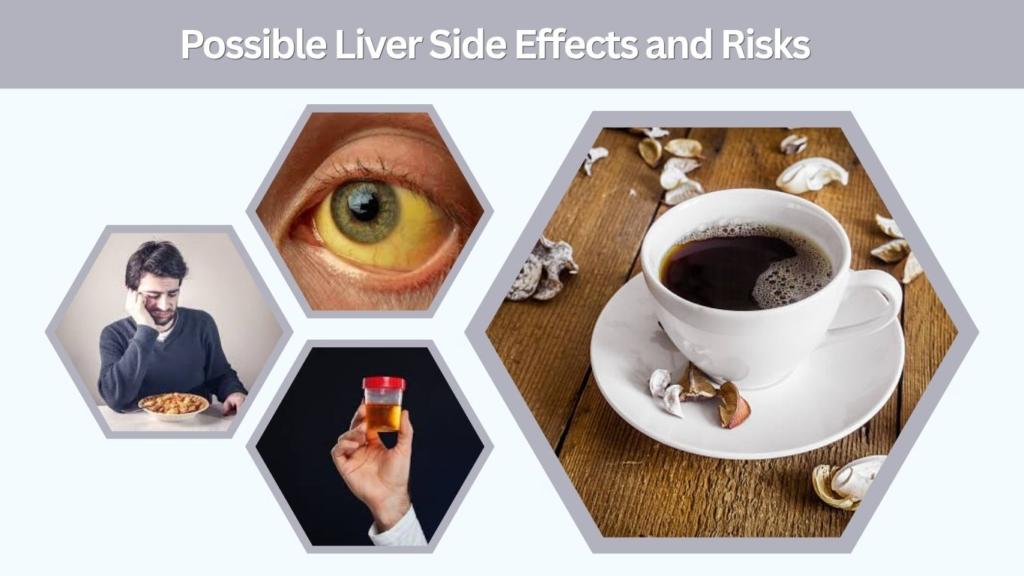
Mushroom coffee is not risk-free. Most healthy adults may tolerate it, but some ingredients can cause problems, especially in concentrated supplement form.
Reishi and Liver Concerns
Reishi is one of the most common mushrooms in mushroom coffee. It is often promoted for stress, immunity, and longevity. However, rare cases of liver injury have been reported with reishi or reishi extracts.
This does not mean reishi always damages the liver. The risk appears uncommon, but it matters for people with liver disease, people taking multiple medications, and people using high-dose powders or extracts daily.
Possible warning signs of liver trouble include:
- Yellowing of the skin or eyes
- Dark urine
- Pale stools
- Severe fatigue
- Nausea or loss of appetite
- Pain in the upper right abdomen
- Unexplained itching
Stop using mushroom coffee and seek medical advice if these symptoms appear.
Chaga and Kidney-Related Concerns
Chaga is more often discussed for kidney risk than liver risk. It can be high in oxalates, which may contribute to kidney stones or kidney damage in vulnerable people. Kidney and liver health are connected through overall metabolism and detoxification, so anyone with chronic disease should be cautious.
People with kidney disease, kidney stones, or a low-oxalate diet should avoid chaga mushroom coffee unless a healthcare professional approves it.
Medication Interactions
Some mushroom extracts may affect blood sugar, blood pressure, immune activity, or bleeding risk. This can matter if you take daily medications.
Be especially careful if you use:
- Blood thinners
- Diabetes medication
- Blood pressure medication
- Immune-suppressing drugs
- Chemotherapy or cancer-related medicines
- Liver-metabolized medications
If you already have liver disease, your body may process supplements differently. A drink that is harmless for one person may not be safe for someone with cirrhosis, hepatitis, fatty liver disease, or abnormal liver enzymes.
Product Quality Problems
Supplements and mushroom powders can vary in quality. Some may contain contaminants, fillers, heavy metals, pesticides, or inaccurate ingredient amounts. Poor-quality products can place extra stress on the liver because the liver helps process many substances you consume.
Choose brands that provide third-party testing, clear ingredient amounts, and transparent sourcing. Avoid products that make extreme claims such as “detoxes the liver,” “cures fatty liver,” or “repairs liver damage.”
Is Mushroom Coffee Bad for Fatty Liver?
Mushroom coffee is not proven to treat fatty liver disease. However, it may be reasonable for some people with fatty liver if it is low in sugar, moderate in caffeine, and free from risky high-dose extracts.
For fatty liver, the most important habits are usually weight management when needed, balanced meals, regular activity, limiting alcohol, managing blood sugar, and reducing added sugar. Mushroom coffee cannot replace these steps.
Best Way to Drink It With Fatty Liver
If you have fatty liver and want to try mushroom coffee, keep it simple. Choose an unsweetened product, avoid large amounts of creamer, and do not drink multiple servings daily. A plain cup in the morning is very different from a sweetened mushroom latte with syrups and whipped cream.
Also, tell your healthcare provider if you use mushroom supplements regularly. This is especially important if you are tracking liver enzymes.
Who Should Avoid Mushroom Coffee for Liver Safety?
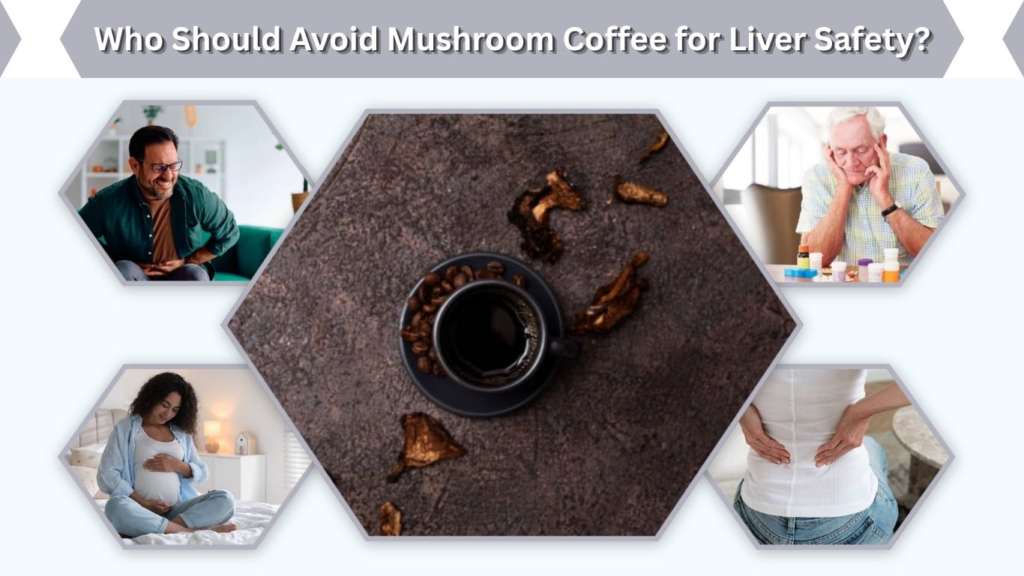
Mushroom coffee may not be appropriate for everyone. Some people should avoid it or get medical advice first.
People With Liver Disease
If you have hepatitis, cirrhosis, liver cancer, fatty liver with high enzymes, or unexplained liver test abnormalities, ask a clinician before using mushroom coffee. This is especially important if the product contains reishi or a complex mushroom-herb blend.
People Taking Multiple Medications
The more medications you take, the more careful you should be with supplement-style drinks. Mushroom extracts may interact with some drugs, and product labels do not always provide complete safety information.
Pregnant or Breastfeeding People
There is not enough reliable safety evidence for many concentrated functional mushroom extracts during pregnancy or breastfeeding. Regular culinary mushrooms are different from mushroom supplement powders.
People With Kidney Stones or Kidney Disease
Avoid chaga-containing blends if you have kidney disease, recurrent kidney stones, or have been told to limit oxalates. Choose a simpler coffee or ask your healthcare provider for guidance.
How to Choose a Liver-Friendly Mushroom Coffee
The safest choice is usually a simple, transparent product with moderate caffeine and no exaggerated health claims.
Look for these features:
- Clearly listed mushroom types
- Exact dose per serving
- Third-party testing
- Low or no added sugar
- Moderate caffeine content
- No unnecessary herbal blends
- No “detox” or disease-cure claims
- Clear allergen and safety warnings
Start with half a serving to see how your body responds. Avoid combining mushroom coffee with separate mushroom capsules, liver detox supplements, or multiple adaptogen products unless advised by a healthcare professional.
FAQs
Is mushroom coffee good for your liver?
Mushroom coffee may be liver-friendly for some healthy adults, especially if it is low in sugar and helps reduce excess caffeine. However, there is not enough direct evidence to prove it improves liver health. The coffee part has stronger liver-related evidence than the mushroom extract part.
Can mushroom coffee hurt your liver?
It is unlikely to harm most healthy adults when used occasionally, but some mushroom extracts may carry risks. Reishi has rare reports of liver injury, especially with concentrated products. People with liver disease, abnormal liver enzymes, or heavy medication use should ask a doctor first.
Is reishi mushroom coffee safe for the liver?
Reishi may be safe for many people in moderate amounts, but it is not risk-free. Rare liver injury cases have been linked to reishi products. Avoid daily high-dose use if you have liver disease, take multiple medications, or notice symptoms like jaundice, dark urine, nausea, or severe fatigue.
Is mushroom coffee good for fatty liver?
Mushroom coffee is not a treatment for fatty liver. It may fit into a fatty-liver-friendly diet if it is unsweetened, moderate in caffeine, and used instead of sugary drinks. Weight management, exercise, blood sugar control, and limiting alcohol matter much more than mushroom coffee.
What is the safest mushroom coffee for liver health?
The safest option is usually a third-party-tested product with clear ingredient amounts, no added sugar, moderate caffeine, and no extreme detox claims. People with liver or kidney problems should avoid complex blends and speak with a healthcare provider before using mushroom coffee regularly.