
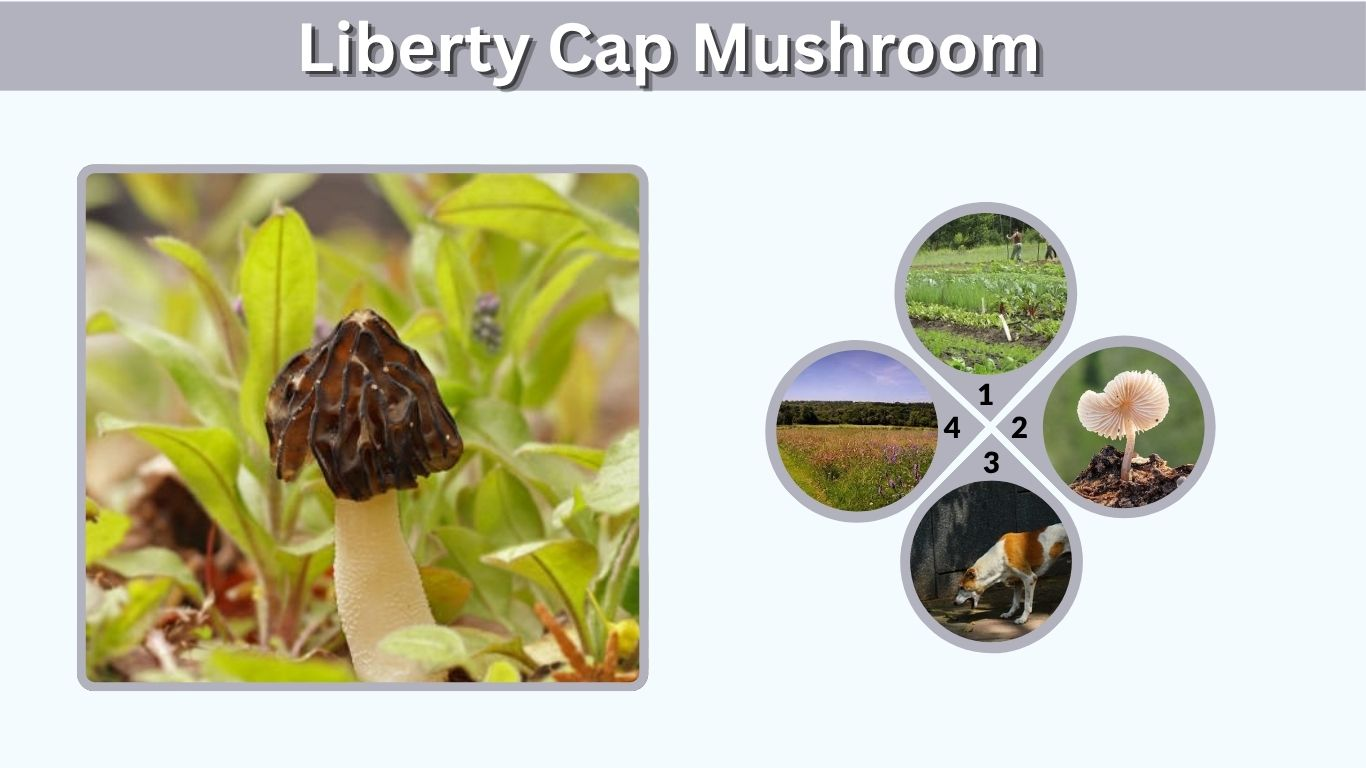
The liberty cap mushroom (Psilocybe semilanceata) is one of the most recognized mushroom species in the world. Known for its distinctive pointed cap and widespread distribution, it attracts interest from mushroom enthusiasts, researchers, and nature lovers alike. Liberty caps are commonly found in grasslands and pastures across Europe and parts of North America. Because several similar-looking mushrooms exist, proper identification is essential. Understanding their appearance, habitat, characteristics, and safety considerations can help prevent confusion and support responsible observation of wild fungi.
What Is a Liberty Cap Mushroom?
The liberty cap mushroom is a small grassland fungus belonging to the Psilocybe genus. It is best known for its distinctive cap shape and widespread occurrence in temperate regions. Although relatively small in size, it has become one of the most studied mushroom species due to its unique characteristics and historical significance. Accurate identification is important because numerous other mushrooms share similar features and may be difficult for beginners to distinguish.
Scientific Classification
Liberty caps belong to the genus Psilocybe within the family Hymenogastraceae. The species name, Psilocybe semilanceata, refers to the mushroom’s lance-shaped cap that gives it a distinctive appearance among grassland fungi.
Liberty Cap Mushroom Facts
Several features make liberty caps easy to recognize:
- Bell-shaped or conical cap
- Distinct central nipple-like point
- Thin, flexible stem
- Dark purple-brown spores
- Small overall size
Why Is It Called a Liberty Cap?
The mushroom’s pointed cap resembles the historic Phrygian cap, also known as the “liberty cap,” a symbol associated with freedom in several cultures. This resemblance inspired the common name still used today.
Liberty Cap Mushroom Identification
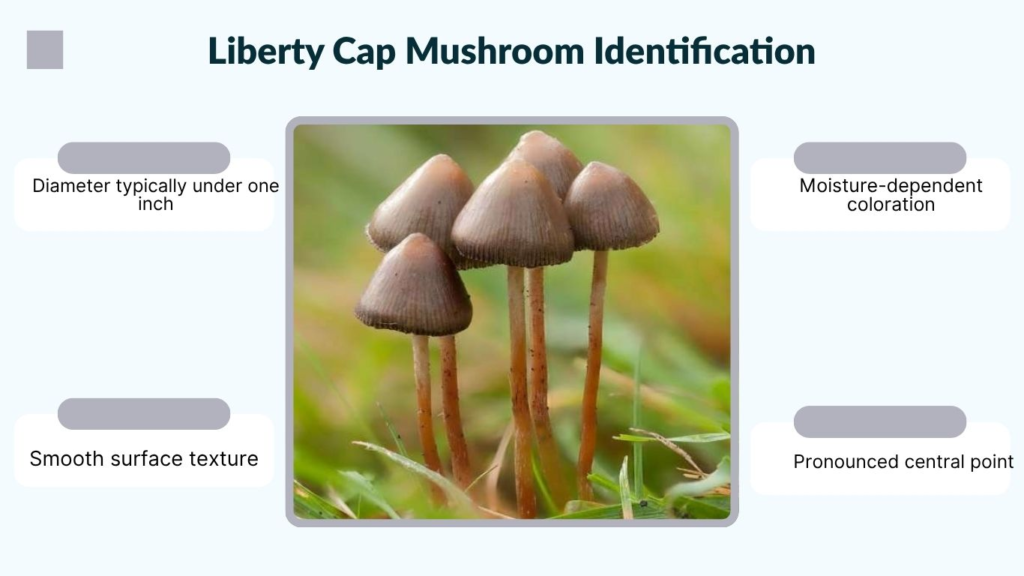
Correct identification is one of the most important aspects of learning about liberty cap mushrooms. Many species share similar colors, shapes, and growing environments. While experienced mushroom observers can recognize certain characteristics, beginners should understand the key features that separate liberty caps from common lookalikes. Careful observation of cap shape, stem structure, gills, and spores helps improve identification accuracy.
What Does a Liberty Cap Mushroom Look Like?
The most distinctive feature is the sharply pointed cap, which often retains a noticeable nipple-like tip even as the mushroom matures. The cap surface changes color depending on moisture levels, appearing darker when wet and lighter when dry.
Cap Characteristics
Important cap features include:
- Conical to bell-shaped form
- Pronounced central point
- Smooth surface texture
- Moisture-dependent coloration
- Diameter typically under one inch
Stem and Gills
The stem is usually long, thin, and flexible compared to the cap. Underneath, closely spaced gills range from pale brown to dark purple-brown as spores mature. These features contribute to the mushroom’s distinctive appearance in natural habitats.
Liberty Cap Mushroom Lookalikes
Many mushrooms resemble liberty caps at first glance. This similarity creates challenges for identification and highlights the importance of caution when observing wild fungi. Some lookalikes are harmless, while others may cause illness if misidentified. Understanding the differences between liberty caps and similar species helps reduce confusion and encourages responsible mushroom observation.
Why Misidentification Matters
Mistaken identification is one of the most common issues encountered by mushroom enthusiasts. Small differences in cap shape, gill color, and habitat can separate one species from another.
Common Liberty Cap Lookalikes
Several mushrooms are frequently confused with liberty caps:
- Mower’s mushroom
- Bonnet mushrooms
- Conecap species
- Panaeolus species
- Small grassland fungi
Key Differences
Lookalike species often lack the distinctive nipple-shaped cap, possess different spore colors, or grow in slightly different habitats. Observing multiple identifying characteristics rather than relying on a single feature is important for accurate identification.
Liberty Cap Mushroom Habitat and Distribution
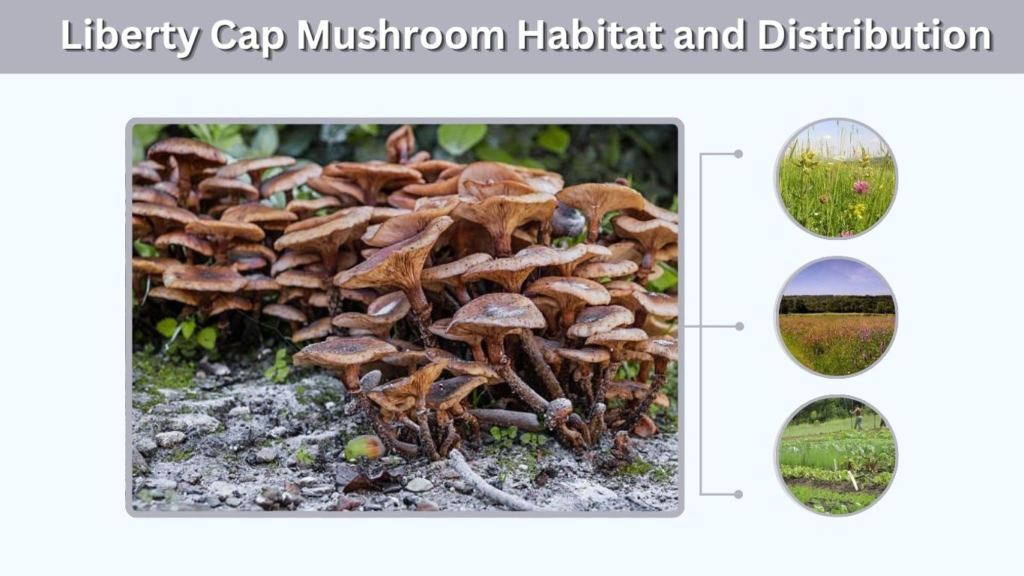
Liberty cap mushrooms occur across a broad geographic range and are particularly associated with temperate climates. Unlike many mushrooms that grow directly on wood, liberty caps are most commonly found in grassy environments. Environmental conditions, seasonal weather patterns, and soil quality all influence where and when they appear.
Where Do Liberty Cap Mushrooms Grow?
These mushrooms are frequently observed in open grasslands and pasture ecosystems. They thrive in areas with healthy soil and adequate moisture but are not typically associated with heavily wooded environments.
Preferred Habitat
Liberty caps are often found in:
- Grazed pastures
- Meadows
- Grasslands
- Hillsides
- Open fields
They are especially common in locations where grasses remain undisturbed for long periods.
Geographic Range
The species is widely distributed throughout Europe and can also be found in parts of North America, South America, Asia, Australia, and New Zealand. Local abundance varies depending on climate and habitat suitability.
Liberty Cap Mushroom Life Cycle
Like all fungi, liberty caps undergo a complex life cycle that begins with microscopic spores and ends with the production of mature fruiting bodies. Environmental conditions play a critical role in every stage of development. Understanding this process provides valuable insight into how mushrooms reproduce and maintain populations across diverse habitats.
Spore Production
Mature mushrooms release microscopic spores from their gills. These spores are dispersed by wind, water, animals, and other natural processes, allowing the species to spread into suitable habitats.
Mycelium Growth
Once conditions become favorable, spores germinate and develop into mycelium. This underground network absorbs nutrients from the surrounding environment and serves as the foundation for future mushroom growth.
Are Liberty Cap Mushrooms Psychoactive?
Liberty cap mushrooms are widely recognized because they contain naturally occurring psychoactive compounds. These compounds have been the subject of scientific research and public interest for decades. However, effects can vary significantly depending on the individual, the mushroom, and local regulations. Understanding the biological properties and potential risks associated with liberty caps is important for educational and safety purposes.
Psychoactive Compounds
Liberty caps contain naturally occurring compounds that interact with the brain and nervous system. These substances are responsible for the species’ classification as a psychoactive mushroom and have attracted scientific attention for their effects on perception and cognition.
Why Liberty Caps Are Well Known
The species has gained worldwide recognition due to its widespread distribution and distinctive appearance. It is often referenced in discussions about wild mushrooms, fungal ecology, and the history of psychoactive fungi.
Potential Risks
The effects associated with psychoactive mushrooms can vary greatly between individuals. Factors such as health conditions, environment, and mistaken identification may increase potential risks. Education and awareness remain important when discussing wild mushroom species.
Are Liberty Cap Mushrooms Poisonous?
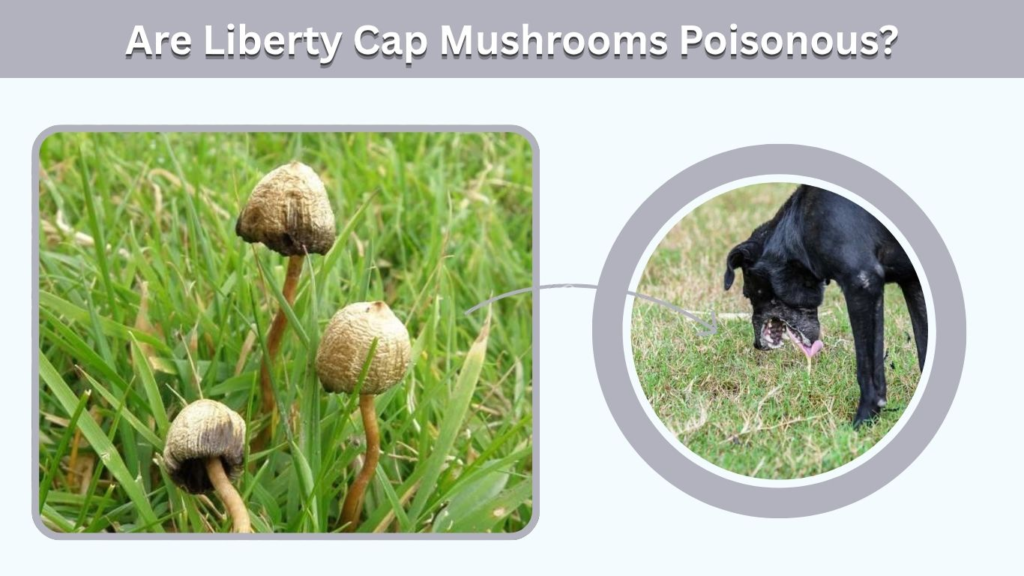
One of the most common questions concerns whether liberty cap mushrooms are poisonous. While they are not generally classified alongside highly toxic mushrooms, confusion with lookalike species can create serious safety concerns. Accurate identification is therefore essential when studying or observing mushrooms in the wild.
Toxicity vs Misidentification
The greatest danger often comes from confusing liberty caps with other species. Some mushrooms that resemble liberty caps may contain harmful toxins and can cause severe illness if mistakenly identified.
Are Liberty Cap Mushrooms Dangerous to Dogs?
Dogs may be more vulnerable to mushroom-related health problems because they often consume unknown substances while exploring outdoors. Any mushroom ingestion by a pet should be treated seriously.
Signs that may require veterinary attention include:
- Vomiting
- Excessive drooling
- Weakness
- Loss of coordination
- Unusual behavior
Safety Considerations
Because many mushroom species appear similar, experts recommend avoiding assumptions based solely on appearance. Careful identification and professional guidance are important when dealing with wild fungi.
Legal Status of Liberty Cap Mushrooms
The legal status of liberty cap mushrooms varies considerably throughout the world. Laws may differ between countries, states, provinces, and local jurisdictions. Anyone interested in learning about liberty caps should understand that regulations can change and may vary depending on location.
Are Liberty Cap Mushrooms Illegal?
In some regions, laws regulate psychoactive mushroom species and their active compounds. Legal classifications differ widely, making it important to consult current local regulations rather than relying on general assumptions.
Legal Status Around the World
Different countries approach liberty cap mushrooms in different ways. Some regions prohibit possession and use, while others have adopted alternative regulatory approaches. Local laws should always be reviewed for accurate information.
Why Legal Awareness Matters
Understanding legal considerations helps individuals avoid unintended violations and promotes responsible engagement with information about mushroom species and their habitats.
Liberty Cap vs Similar Mushroom Species
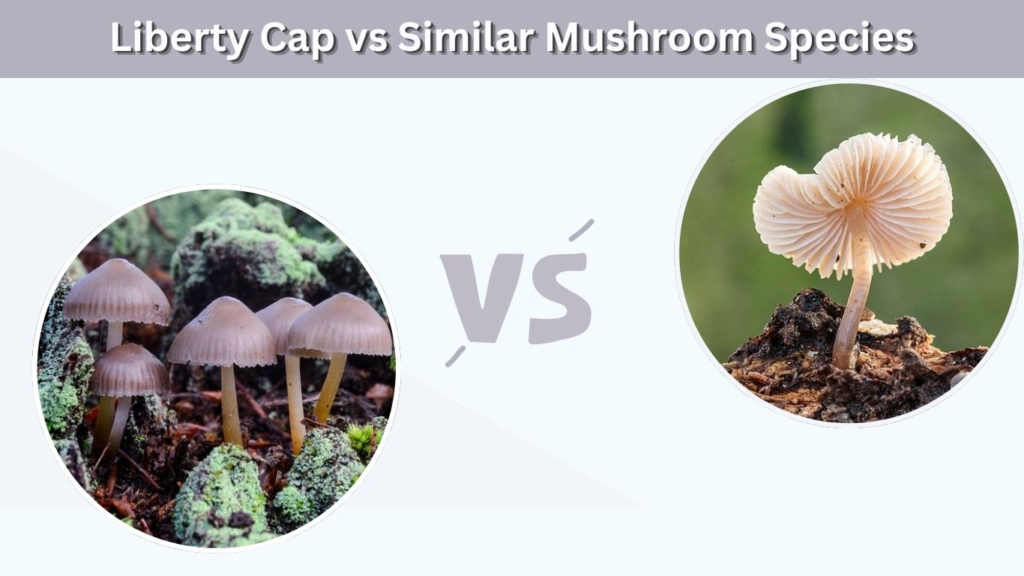
Liberty caps are often compared with several grassland mushrooms due to their appearance and growing environments. Learning the differences between these species improves identification skills and reduces the likelihood of confusion.
Liberty Cap vs Mower’s Mushroom
Mower’s mushrooms are among the most commonly confused species. While both may grow in grassy areas, mower’s mushrooms typically lack the distinctive pointed cap associated with liberty caps.
Liberty Cap vs Bonnet Mushrooms
Bonnet mushrooms belong to a different group of fungi and often possess thinner caps and stems. Their overall appearance may seem similar from a distance, but closer examination usually reveals important differences.
Identification Comparison
When comparing species, observers often focus on:
- Cap shape
- Stem structure
- Gill coloration
- Spore color
- Growing habitat
Using multiple characteristics together is generally more reliable than relying on a single identifying feature.
FAQs
What Is a Liberty Cap Mushroom?
A liberty cap mushroom is a small grassland fungus scientifically known as Psilocybe semilanceata. It is recognized for its pointed cap and widespread distribution in temperate regions.
Where Do Liberty Cap Mushrooms Grow?
Liberty caps are commonly associated with grasslands, meadows, and grazed pastures where environmental conditions support fungal growth.
What Do Liberty Cap Mushrooms Look Like?
They typically feature a bell-shaped cap with a distinctive central point, a slender stem, and dark spores that mature beneath the cap.
Are Liberty Cap Mushrooms Poisonous?
The primary safety concern involves misidentification with other mushroom species. Accurate identification is important when studying any wild mushroom.
When Is Liberty Cap Mushroom Season?
Liberty caps generally appear during cooler, wetter periods of the year, although timing varies according to climate and geographic location.