
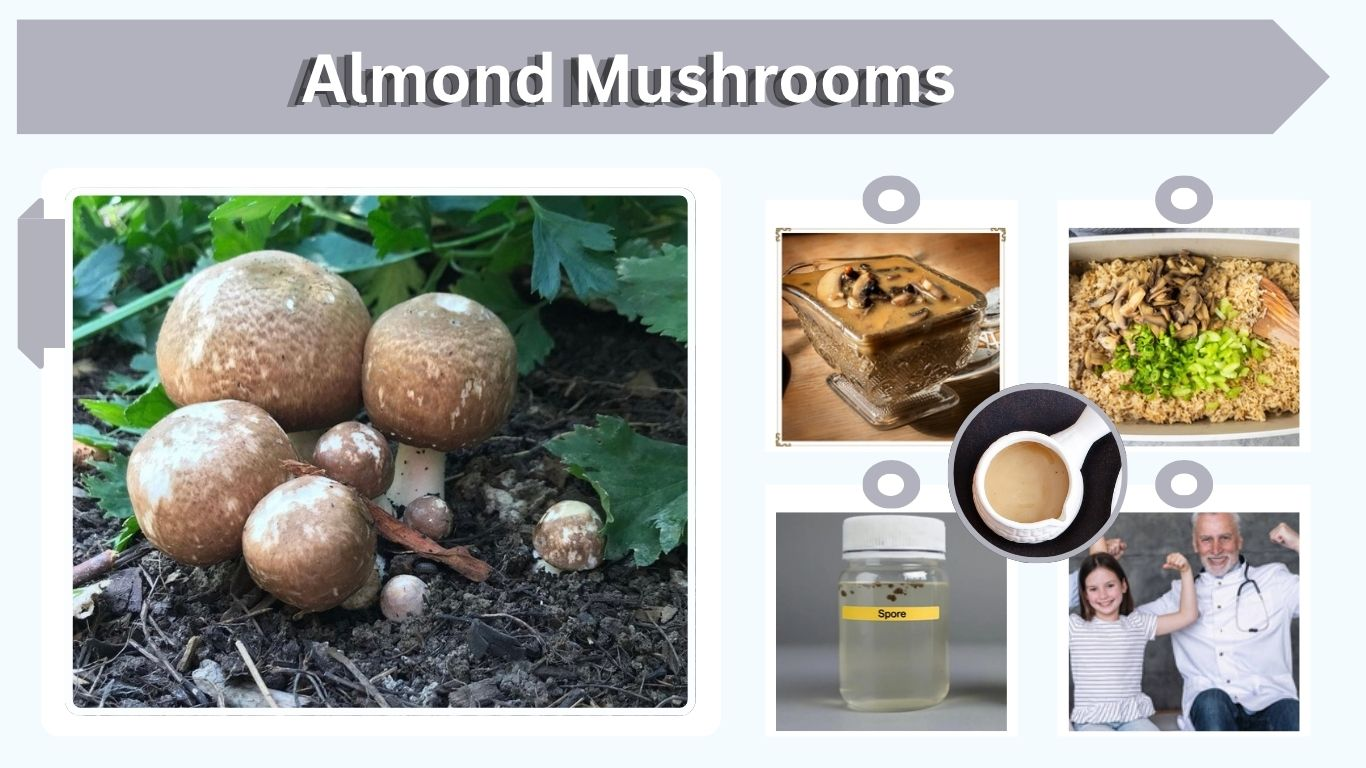
Almond mushrooms are popular for their rich flavor, soft texture, and sweet almond-like smell. These mushrooms are commonly used in soups, pasta, casseroles, and healthy side dishes. Many people also enjoy growing them at home because they can grow in compost-rich environments and produce large harvests.
Besides their great taste, almond mushrooms may provide vitamins, minerals, antioxidants, and fiber. They are also versatile in both vegan and traditional recipes. This guide explains identification, benefits, cultivation, and delicious cooking ideas using almond mushrooms.
What Is an Almond Mushroom?
Almond mushrooms are edible mushrooms known for their pleasant almond scent and nutty flavor. Their scientific name is Agaricus subrufescens, though many people also call them almond agaricus mushrooms. They are valued in home kitchens and commercial farming because they are flavorful, nutritious, and easy to cook in many dishes.
Scientific Name and Classification
The almond mushroom belongs to the Agaricus family. It is closely related to common button mushrooms and portobello mushrooms. Some growers also call it the “sun mushroom” because it grows well in warm and humid conditions.
Why It Smells Like Almonds
One of the most unique features of this mushroom is its sweet almond smell. The scent becomes stronger when the mushroom is freshly cut or cooked. This aroma helps people identify almond mushrooms from other similar species.
Where Almond Mushrooms Grow
Almond mushrooms naturally grow in rich organic soil, compost, and grassy areas. Commercial growers often cultivate them in composted straw or manure-based substrates. They are commonly grown in warm climates with moderate humidity.
Are Almond Mushrooms Edible?
Yes, almond mushrooms are edible and widely enjoyed in cooking. Their flavor is rich, slightly nutty, and more complex than regular white mushrooms. Many chefs use them in soups, sauces, and roasted vegetable dishes.
Almond Mushroom Identification Guide
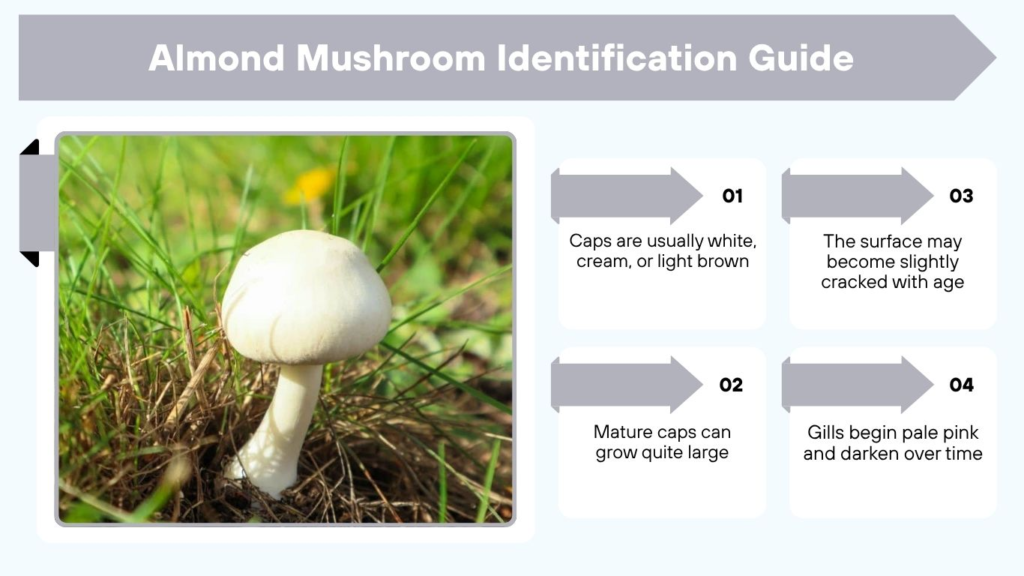
Correct identification is important because some wild mushrooms may look similar. Almond mushrooms have several features that make them easier to recognize in the wild or in cultivation.
Cap Appearance
- Caps are usually white, cream, or light brown
- The surface may become slightly cracked with age
- Mature caps can grow quite large
- Young mushrooms have rounded caps
Stem and Gills
- Thick white stem with a sturdy texture
- Gills begin pale pink and darken over time
- Mature gills often become chocolate brown
- Some mushrooms have a thin ring near the stem
Almond-Like Aroma
- Fresh mushrooms release a sweet almond scent
- The smell becomes stronger when sliced
- The aroma helps separate them from toxic lookalikes
Similar Mushrooms to Avoid
Some poisonous mushrooms may resemble almond mushrooms. Avoid eating any wild mushroom unless properly identified by an expert. Toxic species may lack the almond smell or show unusual discoloration when bruised.
Almond Mushroom Nutritional Value and Health Benefits
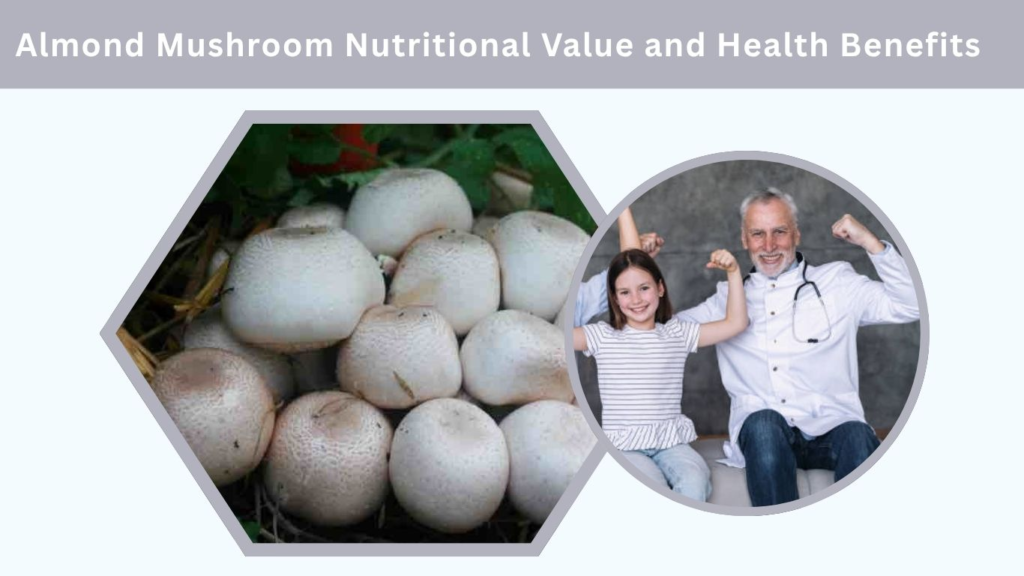
Almond mushrooms are considered nutrient-rich foods that fit into many healthy diets. They contain vitamins, minerals, fiber, and beneficial plant compounds that may support overall wellness.
Vitamins and Minerals
- Vitamin D for bone health
- Potassium for muscle function
- Selenium for antioxidant support
- B vitamins for energy production
- Dietary fiber for digestion
Immune System Support
Researchers continue studying mushrooms for their possible immune-supporting compounds. Almond mushrooms contain antioxidants and beta-glucans that may help protect cells from damage.
Low-Calorie Food Choice
These mushrooms are naturally low in calories and fat. They can add flavor and texture to meals without making dishes too heavy, making them useful in balanced diets.
Potential Medicinal Uses
In some traditional practices, almond mushrooms are used as wellness-support foods. Scientists continue researching their possible role in supporting immunity and general health, though more studies are still needed.
Almond Mushroom Cultivation
Many gardeners and mushroom growers enjoy cultivating almond mushrooms because they grow well in nutrient-rich materials. They can be grown outdoors or in controlled indoor spaces with proper humidity and temperature.
Best Growing Conditions
- Warm temperatures between 70°F and 85°F
- High humidity levels
- Indirect light exposure
- Good airflow for healthy growth
Almond Mushroom Spores and Liquid Culture
Growers often start cultivation using spores or liquid culture. Liquid culture usually grows faster because the mushroom mycelium is already active before planting into the substrate.
Growth Time Frame
- Mycelium growth may take several weeks
- Fruiting usually starts after colonization
- Harvesting often begins within two months
- Multiple flushes may appear over time
Using Compost and Substrates
Almond mushrooms grow well in compost-rich materials. Many growers use straw, manure compost, or agricultural waste products to create nutrient-rich growing beds.
Almond Mushroom Grow Kits
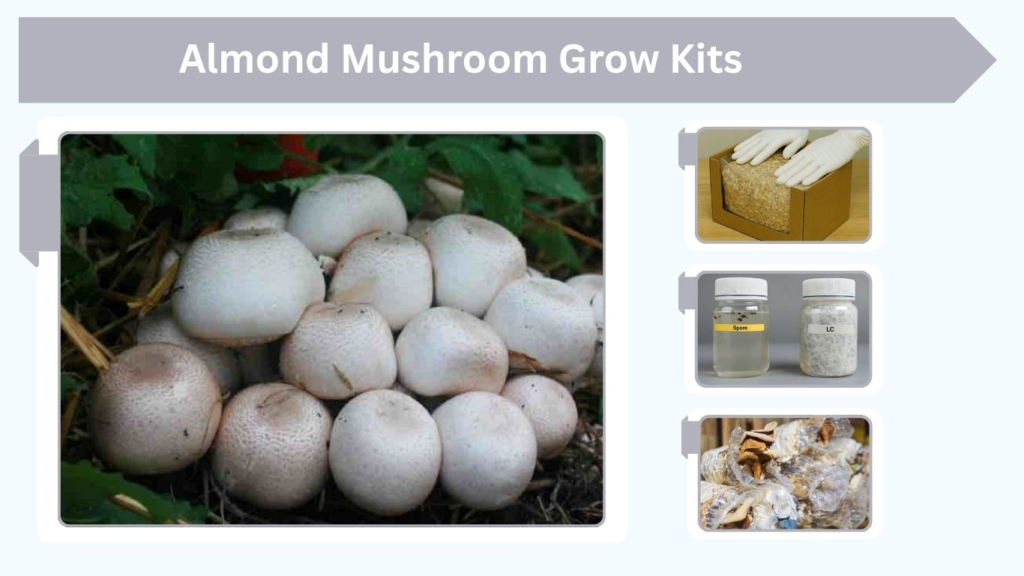
Grow kits are popular among beginners because they simplify the cultivation process. These kits already contain prepared substrate and growing instructions, making home mushroom growing easier for new users.
What Comes in a Grow Kit
- Prepared substrate block
- Mushroom culture or spores
- Humidity bag
- Step-by-step instructions
How to Use a Grow Kit
Most grow kits only require moisture, warmth, and airflow. After opening the kit and misting it regularly, mushrooms may begin forming within a few weeks.
Common Growing Problems
- Dry substrate reducing growth
- Poor airflow causing mold
- Low humidity slowing mushroom development
- Excess water damaging the mycelium
Cooking With Almond Mushrooms
Almond mushrooms are highly versatile in the kitchen because of their nutty flavor and rich texture. They work well in soups, casseroles, pasta dishes, sauces, and roasted meals. Their mild almond aroma also pairs nicely with herbs, rice, chicken, green beans, and creamy ingredients.
Flavor Profile
Almond mushrooms have a savory taste with slight sweetness and a gentle nutty aroma. Their flavor becomes deeper when sautéed or roasted, making them ideal for hearty comfort foods.
Best Cooking Methods
- Sautéing with garlic and butter
- Roasting with herbs and olive oil
- Adding to soups and stews
- Grilling large mushroom caps
- Mixing into casseroles and pasta
Foods That Pair Well
- Green beans
- Wild rice
- Almonds
- Cream sauces
- Chicken dishes
- Garlic and onions
Tips for Better Texture
Avoid washing mushrooms under heavy water because they absorb moisture quickly. Instead, wipe them gently with a damp cloth before cooking. Cook over medium heat so the mushrooms brown evenly without becoming soggy.
Almond Mushroom Soup Recipes
Soup is one of the most popular ways to enjoy almond mushrooms. Their earthy flavor blends well with creamy ingredients and herbs, creating warm and comforting meals for cold weather.
Almond Mushroom Soup With Almond Milk
Almond milk creates a creamy texture while keeping the soup dairy-free. This recipe is popular among vegan and lactose-intolerant cooks because it stays rich without using heavy cream.
Creamy Mushroom Soup Variations
There are many ways to customize mushroom soup recipes. Some cooks add potatoes for thickness, while others use herbs and roasted garlic for stronger flavor.
Common Seasonings
- Black pepper
- Thyme
- Garlic
- Onion powder
- Parsley
- Sea salt
Vegan Mushroom Soup Ideas
Vegan versions often use almond milk, vegetable broth, and olive oil instead of dairy products. Nutritional yeast may also be added for a richer and slightly cheesy flavor.
Green Bean Almond Mushroom Recipes
Green beans, almonds, and mushrooms are commonly combined in side dishes and casseroles. The crunchy almonds balance the soft mushrooms and tender green beans, creating a flavorful texture combination.
Green Beans With Mushrooms and Almonds
This simple side dish is often cooked in a skillet with olive oil, garlic, and toasted almonds. It pairs well with chicken, turkey, or rice dishes.
Green Bean Mushroom Almond Casserole
- Uses cream-based mushroom sauce
- Often topped with crispy onions
- Popular during holiday dinners
- Can be made with fresh or frozen beans
Green Bean Casserole With Cream of Mushroom Soup
Traditional casseroles often use cream of mushroom soup as the base. Almond slices or slivered almonds can add extra crunch and flavor to the topping.
Almond Oyster Mushrooms and Green Beans
Some recipes replace almond mushrooms with almond oyster mushrooms for a softer texture. Both mushrooms work well with roasted vegetables and light seasonings.
Almond Mushroom Pasta and Sauce Ideas
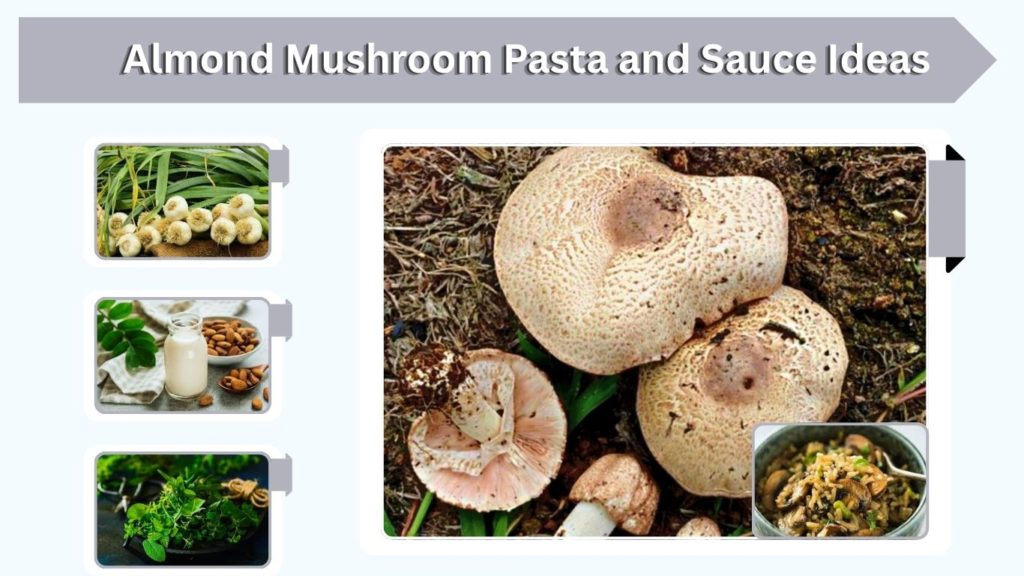
Creamy mushroom sauces made with almond milk are popular in dairy-free and vegan cooking. Almond mushrooms also add rich flavor to pasta dishes without needing large amounts of meat or cheese.
Almond Milk Mushroom Pasta Sauce
This sauce usually combines sautéed mushrooms, garlic, almond milk, and herbs. The result is creamy, smooth, and lighter than traditional cream sauces.
Mushroom Gravy With Almond Flour
- Almond flour helps thicken the gravy
- Creates a gluten-free sauce option
- Pairs well with rice and roasted vegetables
- Adds a mild nutty flavor
Portobello and Almond Mushroom Pasta
Combining portobello and almond mushrooms creates a richer flavor profile. The different textures make the pasta dish more filling and satisfying.
Mushroom Cream Sauce for Pasta
Creamy mushroom sauces are often served over spaghetti, fettuccine, or penne pasta. Fresh parsley and black pepper can improve the final flavor.
Keto and Gluten-Free Almond Mushroom Recipes
Almond mushrooms fit well into keto and gluten-free diets because they are low in carbohydrates and naturally gluten-free. Almond flour is commonly used in these recipes for coating and thickening.
Almond Flour Fried Mushrooms
These mushrooms are coated with almond flour and lightly fried until crispy. They can be served as appetizers, snacks, or side dishes.
Keto Stuffed Mushrooms
- Filled with cheese and herbs
- Low in carbohydrates
- Popular party appetizer
- Easy to prepare ahead of time
Almond Flour Mushroom Gravy
This gravy works well for keto meals because almond flour thickens the sauce without using wheat flour or cornstarch.
Gluten-Free Mushroom Recipes
Many mushroom soups, casseroles, and sauces can become gluten-free simply by replacing regular flour with almond flour or other gluten-free alternatives.
Wild Rice, Chicken, and Mushroom Dishes
Almond mushrooms pair especially well with hearty ingredients such as wild rice, roasted chicken, and stuffing mixtures. These dishes are common during family dinners and holiday meals.
Wild Rice With Mushrooms and Almonds
Wild rice dishes become more flavorful when cooked with sautéed mushrooms, toasted almonds, herbs, and vegetable broth. This combination creates a rich and earthy side dish.
Braised Chicken With Mushrooms and Almonds
Braised chicken recipes often include mushrooms because they absorb savory cooking juices. Almonds add texture and mild sweetness that balances the dish.
Mushroom and Almond Stuffing
- Uses bread cubes or wild rice
- Includes herbs like thyme and sage
- Works as a holiday side dish
- Can be made vegetarian
Arabic Rice With Almonds and Mushrooms
Some Middle Eastern rice dishes combine mushrooms, almonds, onions, and warm spices for a fragrant and filling meal.
FAQs
What do almond mushrooms taste like?
Almond mushrooms have a rich, earthy flavor with a mild nutty sweetness. Their taste becomes deeper when roasted or sautéed, making them excellent for soups, pasta, and casseroles.
Are almond mushrooms healthy?
Yes, almond mushrooms contain fiber, vitamins, minerals, and antioxidants. They are low in calories and can fit into many balanced eating plans.
Can almond mushrooms grow indoors?
Yes, almond mushrooms can grow indoors if they receive proper warmth, humidity, airflow, and nutrient-rich substrate.
How long do almond mushrooms take to grow?
Most almond mushrooms begin producing after several weeks of colonization. Complete growth and harvesting often take around one to two months.
What recipes work best with almond mushrooms?
Soups, casseroles, pasta sauces, green bean dishes, wild rice recipes, and roasted vegetable meals all work very well with almond mushrooms.