Blue oyster mushrooms are one of the most popular and fast-growing edible mushrooms, known for their vibrant color, delicate texture, and impressive health benefits. They belong to the oyster mushroom family and are widely cultivated due to their adaptability and nutritional value.
These mushrooms are especially popular among health-conscious individuals and home growers because they are easy to cultivate and packed with essential nutrients. Whether you are interested in their health benefits, taste, or growing process, blue oyster mushrooms offer a complete package for both beginners and experienced enthusiasts.
What Is a Blue Oyster Mushroom?

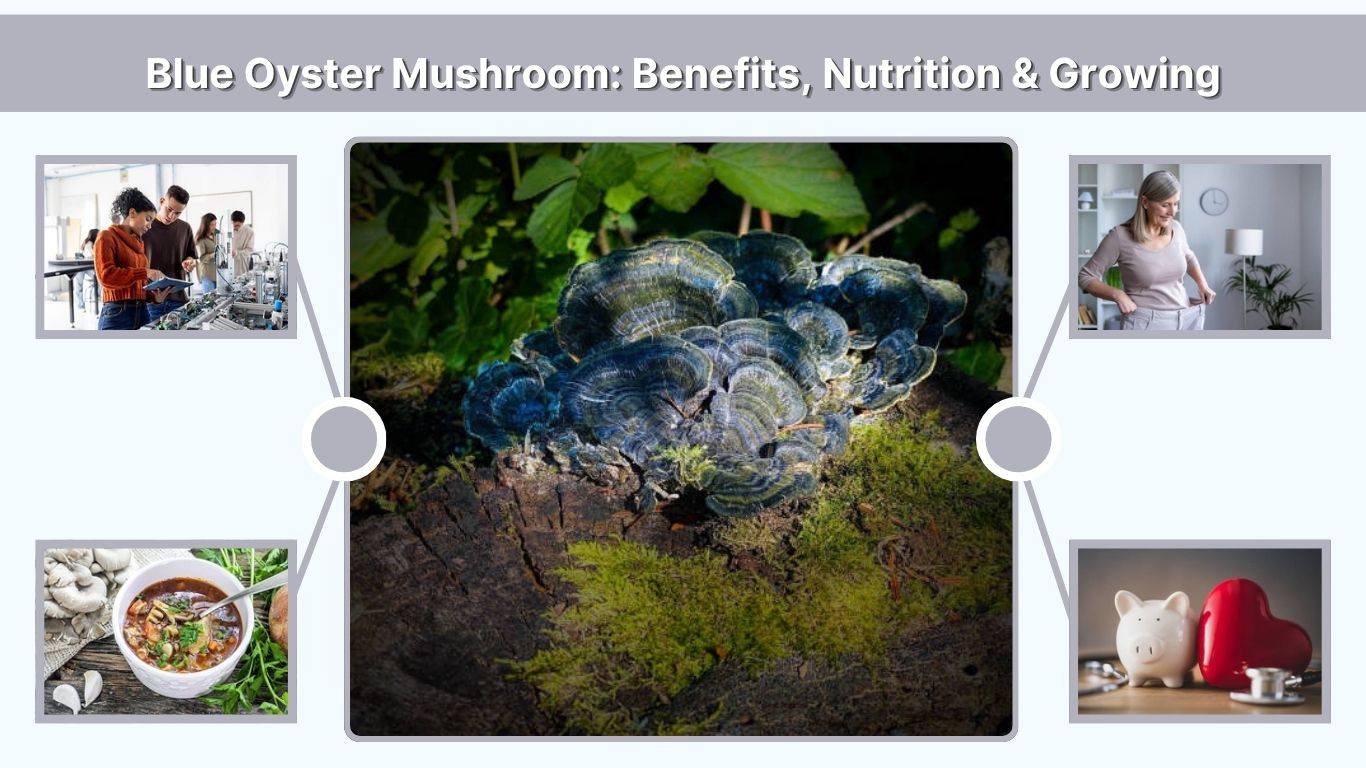
Blue oyster mushroom is a type of oyster mushroom recognized for its bluish-gray color and soft, fan-shaped caps. It is widely consumed around the world and valued for both its culinary and nutritional qualities.
Scientific Name and Classification
Blue oyster mushrooms belong to the Pleurotus genus, a group of edible fungi known for their fast growth and adaptability. They are closely related to other oyster mushroom species and share many similar characteristics, including their ability to grow on organic materials.
Physical Appearance and Identification
These mushrooms are easy to identify due to their unique blue-gray color when young, which gradually fades to a lighter gray as they mature. They typically grow in clusters, with overlapping caps that resemble oyster shells. The stems are short, and the gills run down the underside of the cap.
Natural Habitat and Origin
In the wild, blue oyster mushrooms grow on decaying wood, especially hardwood trees. They thrive in cooler temperatures and humid environments. Today, they are widely cultivated indoors, making them accessible throughout the year in many regions.
Blue Oyster Mushroom Nutrition
Blue oyster mushrooms are considered a nutrient-dense food, offering a wide range of essential nutrients while being low in calories.
Calories, Protein, and Macronutrients
These mushrooms are low in calories and fat, making them ideal for weight management. They also provide a moderate amount of protein compared to other vegetables, which is beneficial for plant-based diets. Their low carbohydrate content further enhances their appeal for balanced eating.
Vitamins and Minerals
Blue oyster mushrooms are rich in important vitamins such as B-complex vitamins, including niacin and riboflavin, which help support energy production and metabolism. They also contain minerals like potassium and iron, which are essential for maintaining proper body functions.
Antioxidants and Compounds
One of the key nutritional advantages of blue oyster mushrooms is their antioxidant content. They contain compounds that help protect the body from oxidative stress. Additionally, they include beta-glucans, which are known for supporting immune health and reducing inflammation.
Health Benefits of Blue Oyster Mushrooms

The combination of nutrients and bioactive compounds in blue oyster mushrooms contributes to several health benefits.
Supports Heart Health
Blue oyster mushrooms may help support heart health by contributing to balanced cholesterol levels. Their natural compounds assist in improving lipid metabolism, which can reduce the risk of cardiovascular issues over time. Including them in a balanced diet may promote better circulation and heart function.
Boosts Immune System
These mushrooms contain polysaccharides and antioxidants that help strengthen the immune system. They support the body’s natural defense mechanisms, making it easier to fight infections and reduce inflammation. Regular consumption can improve overall immunity and resilience.
Helps with Weight Management
Blue oyster mushrooms are low in calories but provide a satisfying texture that helps promote fullness. This makes them a great option for those trying to manage their weight without compromising on nutrition. Their fiber content also supports healthy digestion.
Taste, Texture, and Characteristics

Blue oyster mushrooms are highly appreciated for their unique taste and texture, which make them stand out among other edible mushrooms.
Flavor Profile
Blue oyster mushrooms have a mild, slightly sweet flavor with subtle earthy and umami notes. Their taste is not overpowering, which makes them appealing to a wide range of people. They easily absorb surrounding flavors, enhancing their versatility in different dishes.
Texture and Structure
These mushrooms have a soft yet slightly chewy texture. When fresh, they are tender and delicate, making them different from denser mushroom varieties. Their layered, fan-like structure also adds visual appeal.
Why They Are Popular in Modern Diets
With the increasing popularity of plant-based diets, blue oyster mushrooms have gained attention as a nutritious and satisfying food option. Their combination of taste, texture, and health benefits makes them suitable for a variety of dietary preferences.
Growing Blue Oyster Mushrooms
Blue oyster mushrooms are one of the easiest mushrooms to grow, making them ideal for beginners and home growers.
Ideal Growing Conditions
These mushrooms thrive in cool to moderate temperatures, typically between 15°C to 24°C. High humidity levels are essential for proper growth, along with good air circulation. Maintaining clean conditions helps prevent contamination.
Substrate and Materials
Blue oyster mushrooms grow well on organic materials such as straw, sawdust, or agricultural waste. These substrates provide the nutrients needed for mycelium development and fruiting.
Growth Stages
The growth process begins with the introduction of spawn into the substrate. This is followed by colonization, where the mycelium spreads throughout the material. After that, the fruiting stage begins, during which mushrooms start to form and grow rapidly.
Harvesting Time
Blue oyster mushrooms grow quickly and can be harvested within a few weeks. They are ready to harvest when the caps are fully formed but still slightly curled at the edges. Timely harvesting ensures the best texture and quality.
Market Value and Pricing
Blue oyster mushrooms have a growing demand in both local and global markets due to their popularity and health benefits.
Average Price Range
They are generally affordable compared to other gourmet mushrooms. Prices may vary depending on freshness, quality, and location, but they remain accessible to most consumers.
Factors Affecting Price
Several factors influence the price, including cultivation method, organic certification, and supply availability. Fresh, high-quality mushrooms typically command higher prices.
Demand and Availability
With increasing awareness of healthy eating and plant-based diets, the demand for blue oyster mushrooms continues to rise. They are now widely available in supermarkets and specialty stores.
Are Blue Oyster Mushrooms Good for You?
Blue oyster mushrooms are widely considered a healthy and beneficial food due to their rich nutrient profile.
Who Should Eat Them
They are suitable for most people, including vegetarians, vegans, and those looking for low-calorie food options. Their nutritional content supports overall health and wellness.
Possible Side Effects
While generally safe, some individuals may experience mild digestive discomfort if consumed in large amounts. It is always advisable to introduce new foods gradually.
Recommended Consumption
Including blue oyster mushrooms as part of a balanced diet can provide various health benefits. Consuming them in moderation alongside other nutrient-rich foods is the best approach.
FAQs
What do blue oyster mushrooms taste like?
Blue oyster mushrooms have a mild, slightly sweet flavor with earthy and umami notes. Their taste is subtle and adaptable, making them enjoyable for many people. They are not overpowering and blend well with a variety of foods.
Are blue oyster mushrooms healthy?
Yes, blue oyster mushrooms are low in calories and rich in essential nutrients such as vitamins, minerals, and antioxidants. They support heart health, boost immunity, and help with weight management, making them a healthy addition to any diet.
How do you grow blue oyster mushrooms?
Blue oyster mushrooms can be grown using substrates like straw or sawdust in a humid environment. With proper temperature, airflow, and hygiene, they can grow quickly and be harvested within a few weeks, even by beginners.
How much protein is in blue oyster mushrooms?
Blue oyster mushrooms contain a moderate amount of protein compared to other vegetables. While they are not a complete protein source, they contribute to daily protein intake and are beneficial in plant-based diets.
Are blue oyster mushrooms edible?
Yes, blue oyster mushrooms are fully edible and widely consumed around the world. They are safe to eat and valued for their taste, texture, and nutritional benefits