
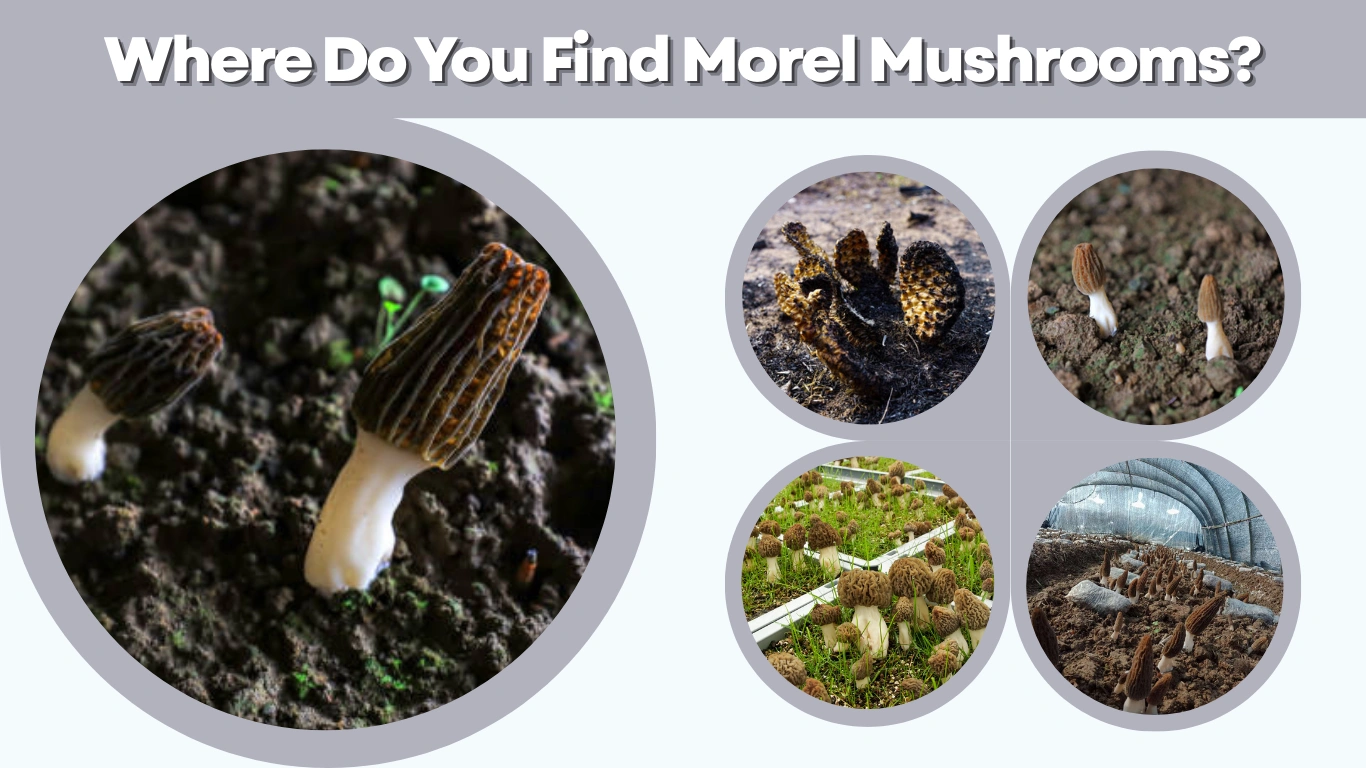
Morel mushrooms are one of the most prized wild mushrooms, yet they remain elusive for many people. Their short growing season, excellent camouflage, and specific habitat requirements make them challenging to locate. Unlike cultivated mushrooms, morels grow only in the wild and depend on precise environmental conditions. Knowing where to find morel mushrooms is less about luck and more about understanding forests, trees, soil, and weather patterns. This guide explains the most reliable places and conditions where morels are commonly found.
Understanding Where Morel Mushrooms Grow
Morel mushrooms do not grow randomly. They appear in environments where underground fungal networks interact with trees, soil, and organic matter. These relationships help explain why some areas produce morels year after year while others never do.
Morels thrive in temperate regions where seasonal changes signal the right time to fruit. Spring warmth combined with moisture activates the mycelium beneath the soil. Because these conditions vary from place to place, successful foraging often requires careful observation rather than simply searching large areas.
Forests Where You Find Morel Mushrooms
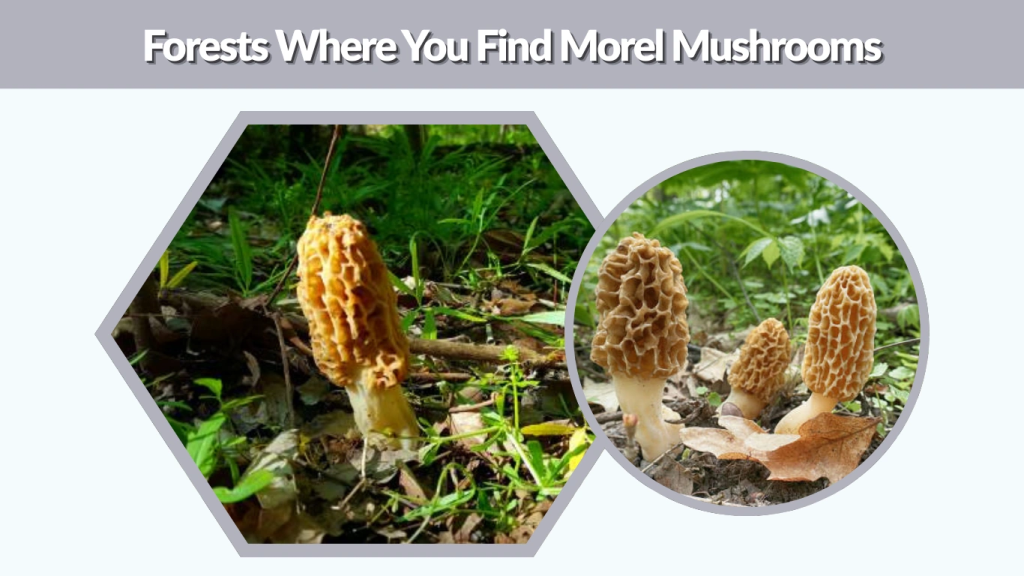
Forests are the most common places to find morel mushrooms, especially those dominated by hardwood trees. Deciduous forests provide the right balance of sunlight, leaf litter, and soil nutrients that morels need.
Evergreen forests are far less productive because dense needles create acidic soil and block sunlight. In contrast, hardwood forests warm faster in spring, which helps trigger morel growth.
Forest Edges vs Deep Woods
Forest edges tend to be more productive than deep woods. Edges receive more sunlight, warming the soil earlier in the season. They also retain moisture while avoiding excessive shade. Trails, clearings, and natural breaks in the forest often produce better results than heavily shaded interiors.
Trees to Look for When Finding Morels
Certain trees are strong indicators of potential morel locations. Morels often grow near the roots of specific hardwood species, making tree identification a valuable skill for foragers.
Common Trees Associated With Morels
Morels are commonly found near elm, ash, oak, apple, sycamore, and cottonwood trees. Old apple orchards are especially productive, as long-established root systems and decaying organic matter enrich the soil.
Elm and ash trees affected by disease or age often attract morels. As these trees weaken, nutrients are released into the surrounding soil, creating favorable conditions for fungal growth.
Healthy Trees vs Dying Trees
While morels can grow near healthy trees, dying or stressed trees often produce better results. Changes in root chemistry and increased organic material appear to stimulate morel fruiting. This is why areas with aging forests or environmental stress may suddenly become productive.
Ground and Soil Conditions
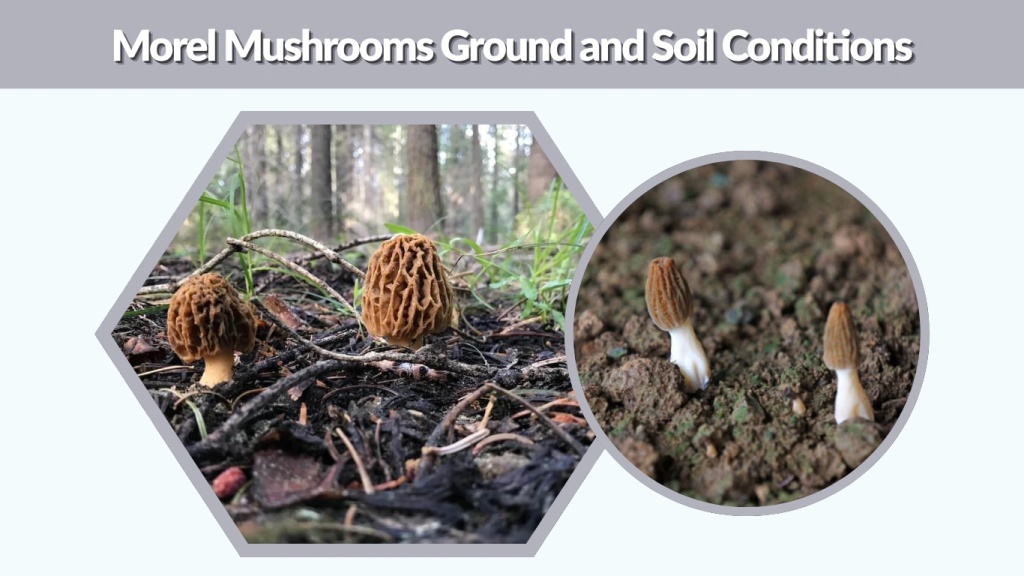
Soil plays a critical role in determining where you find morel mushrooms. Morels prefer loose, well-drained soil that retains moisture without becoming soggy. Loamy soil rich in organic matter is ideal.
Leaf litter from hardwood trees helps regulate soil temperature and moisture. Compacted or overly dry soil usually produces poor results, as it limits the growth of underground mycelium.
Moisture and Drainage
Balanced moisture is essential. Spring rain followed by warm days often triggers morel growth, while heavy flooding can delay or reduce fruiting. Areas that drain well but remain damp are usually the most productive.
Seasonal Timing and Weather Conditions
Timing is just as important as location when searching for morel mushrooms. Morels appear in spring when soil temperatures rise and weather conditions stabilize.
Rainfall and Temperature Changes
Soil temperatures between roughly 50–60°F (10–16°C) are ideal for morel growth. Rainfall provides the moisture needed for fruiting, while warm daytime temperatures and cool nights create optimal conditions.
Finding Morels After Fires
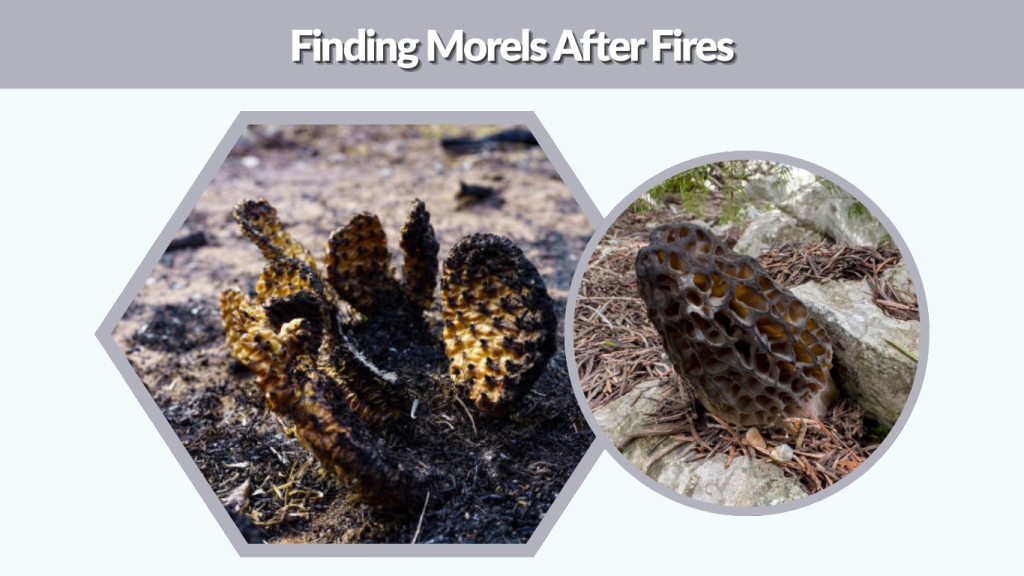
One of the most reliable but lesser-known places to find morel mushrooms is in areas affected by wildfires. These are often called burn-site morels. After a fire, nutrients are released into the soil, competing plants are reduced, and sunlight reaches the forest floor more easily. Together, these changes create ideal conditions for morel growth.
Burn-site morels usually appear during the first spring after a fire and may continue for up to three years. They are especially common in western regions where wildfires are more frequent, though smaller burn areas can produce morels in other regions as well.
How Long Burn Areas Stay Productive
Most burn areas produce morels for one to three seasons. Productivity tends to decline as vegetation returns and soil conditions stabilize. Experienced foragers often track wildfire locations from previous years to identify promising hunting areas.
Where You Find Morel Mushrooms in the United States
Morel mushrooms grow throughout much of the United States, but their habitats and timing vary by region.
Eastern and Midwestern States
In the eastern and midwestern regions, morels are commonly found in hardwood forests, river valleys, and old farmland. Elm, ash, and oak trees are strong indicators. Consistent spring rainfall and moderate temperatures make these regions some of the most reliable for morel hunting.
Western United States
In the western U.S., morels are often found at higher elevations and in burn sites. Mountain forests and recently disturbed land are productive, though the season may start later due to cooler temperatures. Elevation changes can extend the morel season by several weeks.
Southern States
Southern states typically experience earlier morel seasons. Morels may appear as early as late winter in some areas, particularly near riverbanks, floodplains, and hardwood forests with good moisture levels.
Where You Find Morel Mushrooms Around the World
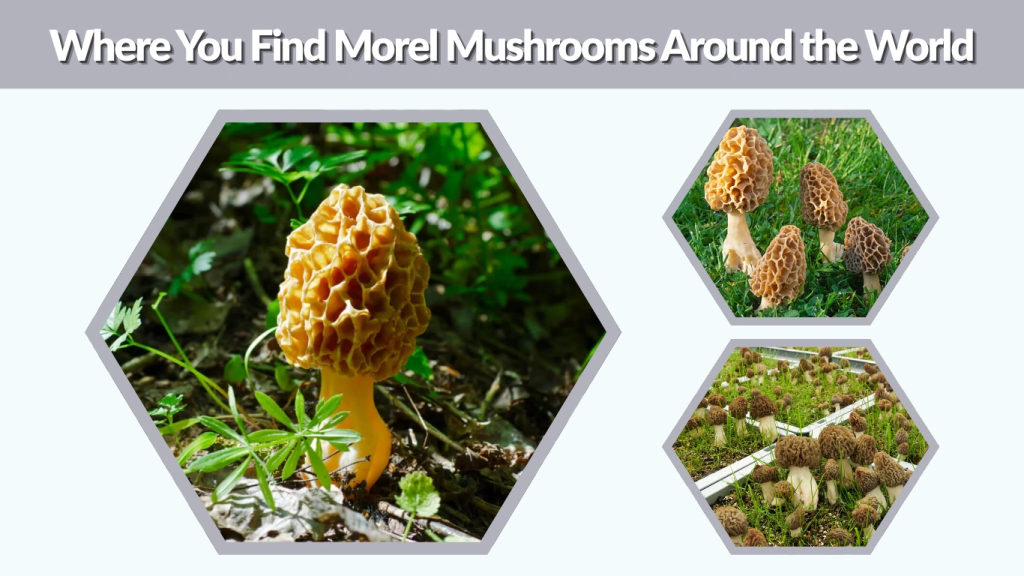
Morel mushrooms grow in many temperate regions around the world where similar environmental conditions exist. In Europe, morels are commonly found in forests, orchards, and grassy woodland edges during spring. Parts of Asia also support morel growth, particularly in mountainous and forested areas.
Despite regional differences, the same basic factors—moist soil, moderate temperatures, and suitable tree species—remain consistent across continents.
Unexpected Places You Can Find Morels
While forests are the most common locations, morels can sometimes be found in unexpected places. Old apple orchards, riverbanks, floodplains, and areas disturbed by construction or logging may produce morels temporarily.
Urban parks and landscaped areas with hardwood trees can occasionally host morels, though foragers should always check local regulations before harvesting in public spaces.
How to Recognize a Good Morel Hunting Spot
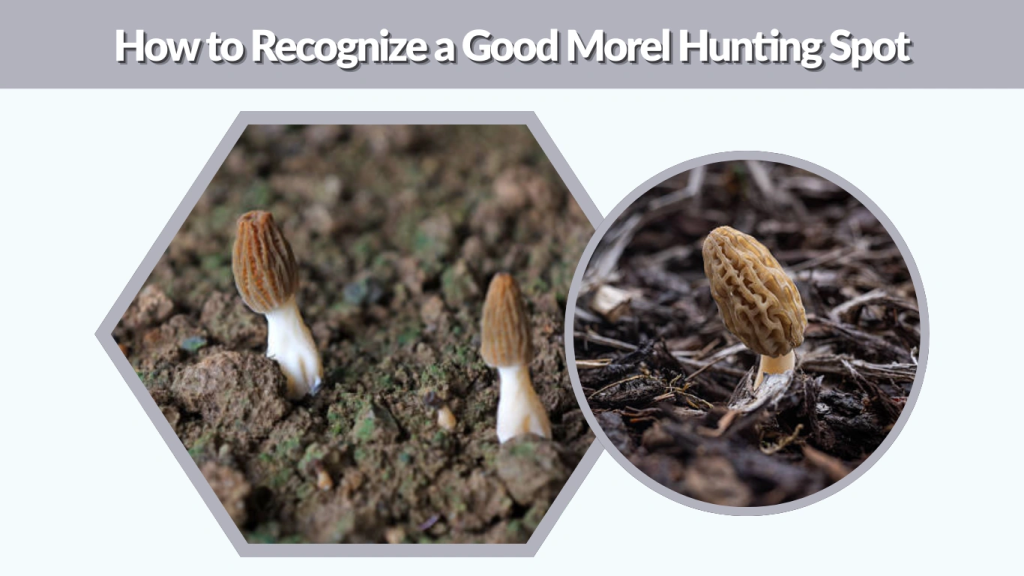
Learning to read the landscape greatly improves your chances of finding morels. Productive areas often have a mix of sun and shade, soft soil covered in leaf litter, and nearby water sources.
Signs You’re in the Right Area
Look for hardwood trees showing signs of age or stress, gently sloping terrain, and soil that feels damp but not muddy. If conditions seem right, slow down and scan carefully—morels blend easily into their surroundings.
Common Mistakes When Looking for Morels
Many beginners search too early or too late in the season, missing the short window when morels appear. Others focus only on one location year after year or ignore tree species entirely. Walking too quickly and overlooking well-camouflaged mushrooms are also common mistakes.
FAQs
Where do you usually find morel mushrooms?
Morels are usually found in hardwood forests, old orchards, burn sites, and areas with moist, well-drained soil.
Do morels grow in the same place every year?
They often return to similar environments, but exact locations can vary depending on weather and soil conditions.
Can you find morels in parks or backyards?
Occasionally, yes—especially in areas with mature hardwood trees and suitable soil.
Do morels grow near dead trees?
Yes, dying or dead trees are strong indicators of productive morel habitat.
Can you find morels after rain?
Rain followed by warm temperatures often triggers morel growth.
Conclusion
Finding morel mushrooms becomes much easier once you understand the environments they prefer. By focusing on the right forests, trees, soil conditions, and weather patterns, you can greatly improve your chances of success. With patience, observation, and responsible foraging, searching for morels can be both rewarding and enjoyable.