
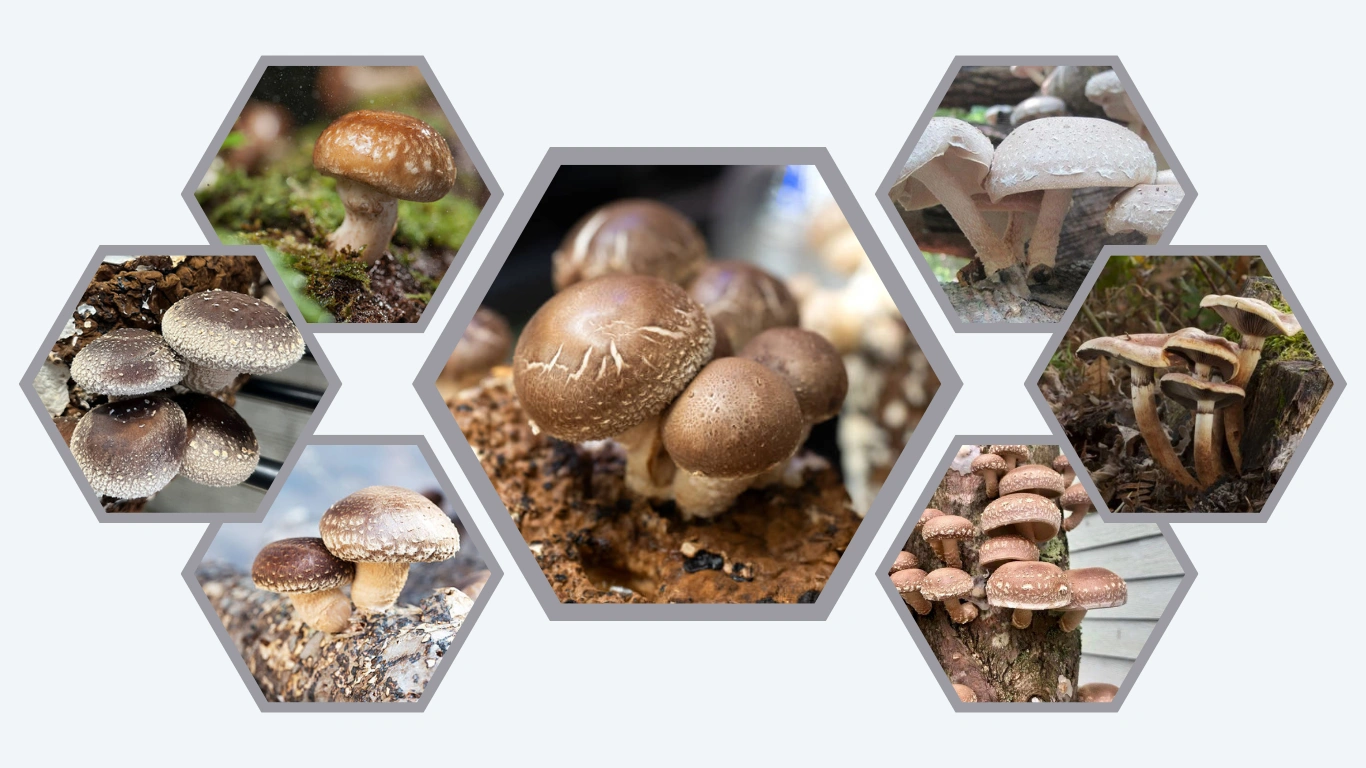
Shiitake mushrooms are among the most popular and widely cultivated edible fungi in the world, valued for their rich umami flavor, meaty texture, and impressive nutritional profile. Native to East Asia, shiitake are grown in many different forms depending on climate, cultivation method, and harvest stage. From thick, cold-grown varieties to delicate warm-season types and deeply flavored dried forms, each shiitake type offers unique characteristics that influence taste, appearance, and culinary use.
1. Donko Shiitake
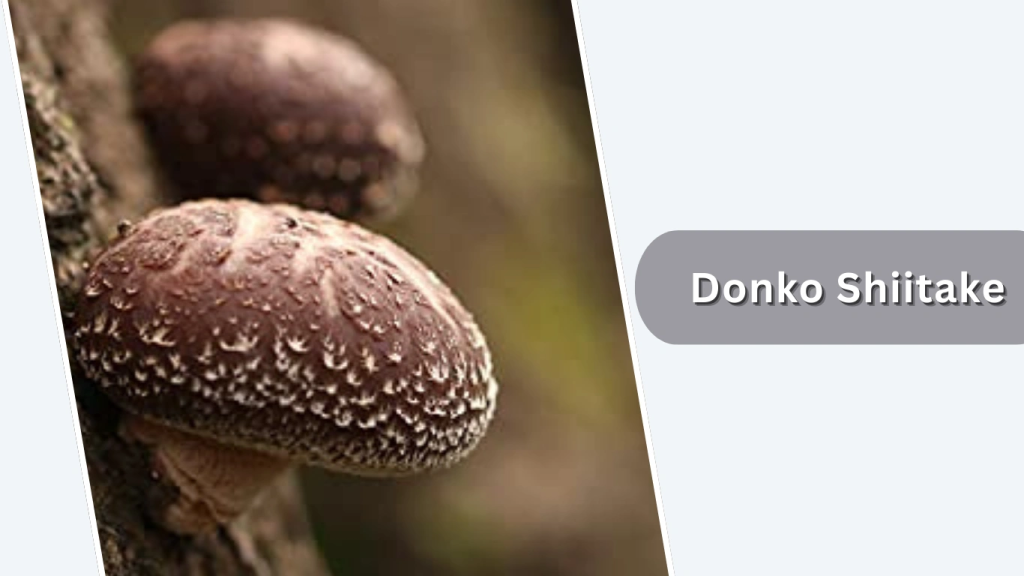
Donko shiitake is a premium, thick-capped form of shiitake mushroom that develops in cooler growing conditions. It is highly valued for its dense texture, rich umami flavor, and cracked or domed cap surface. Donko shiitake is commonly sold fresh or dried and is widely used in Asian cooking, soups, and medicinal preparations.
Identification
- Thick, fleshy, dome-shaped cap
- Cap color ranges from dark brown to deep chocolate
- Surface often cracked or flower-patterned
- Short, firm stem
- Dense, white to pale cream flesh
- Strong earthy, smoky aroma
Habitat
Donko shiitake grows naturally on decaying hardwood trees, especially oak, beech, and chestnut. In cultivation, it is commonly produced on hardwood logs or compressed sawdust blocks kept in cool, humid environments.
Flavor Profile
This variety is known for its intense umami taste, meaty bite, and slightly smoky notes. When dried, its flavor becomes even more concentrated, making it especially popular for broths and slow-cooked dishes.
Culinary Uses
Donko shiitake is widely used in soups, ramen, stir-fries, hot pots, and braised dishes. Its thick cap holds shape well during cooking, making it ideal for stuffing, grilling, and long simmering recipes.
2. Koshin Shiitake
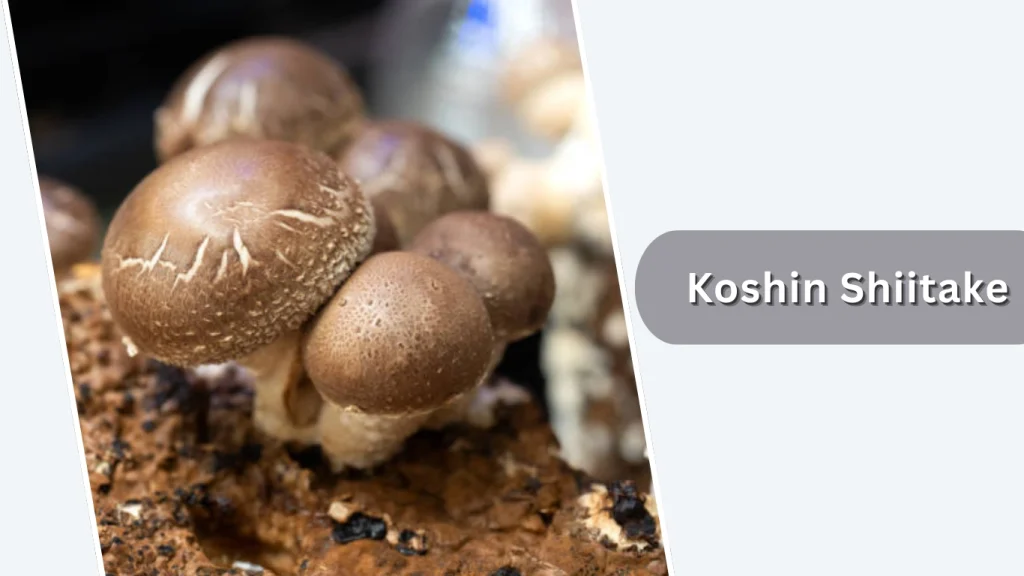
Koshin shiitake is a lighter, thinner-capped type of shiitake mushroom that grows in warmer conditions than donko varieties. It is prized for its delicate texture, quicker cooking time, and balanced umami flavor. Koshin shiitake is commonly used fresh or dried and is popular in everyday home cooking and restaurant dishes.
Identification
- Thin, flatter cap with gently curved edges
- Light to medium brown cap color
- Smooth or slightly textured surface
- Longer, slimmer stem than donko
- Softer flesh with a tender bite
- Mild earthy aroma
Habitat
Koshin shiitake grows on decaying hardwood trees such as oak and beech. In commercial cultivation, it is commonly produced on sawdust blocks in warmer, more humid environments.
Flavor Profile
This variety offers a lighter, cleaner umami taste than donko shiitake. It has subtle smoky notes and a slightly sweet finish, making it suitable for a wide range of dishes.
Culinary Uses
Koshin shiitake is ideal for stir-fries, quick sautés, noodle dishes, omelets, and light soups. Because of its thinner cap, it cooks quickly and blends easily with vegetables, meats, and seafood.
3. Flower Shiitake
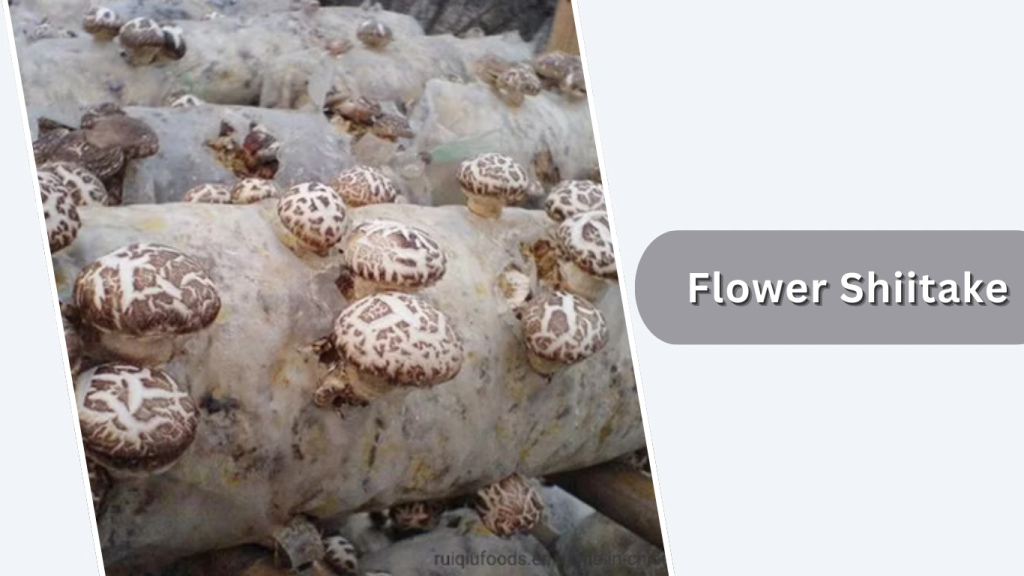
Flower shiitake is a decorative and highly valued form of shiitake mushroom known for the cracked, blossom-like patterns on its cap. These cracks develop when growth is slowed by cool temperatures. Flower shiitake is appreciated for both its striking appearance and its rich, concentrated flavor.
Identification
- Thick, rounded cap with white cracked “flower” patterns
- Dark brown background color
- Short, sturdy stem
- Dense, firm flesh
- Velvety to dry cap surface
- Strong, savory aroma
Habitat
Flower shiitake grows on hardwood trees, especially oak. It is usually cultivated on logs or specialty sawdust blocks under cool, carefully controlled conditions that encourage surface cracking.
Flavor Profile
This variety has a deep umami taste with earthy, smoky notes. When dried, the flavor becomes more intense, making it excellent for broths and slow-cooked recipes.
Culinary Uses
Flower shiitake is often used in soups, braised dishes, hot pots, and traditional Asian cuisine. Its thick texture makes it ideal for stuffing, slicing into stews, or serving as a featured ingredient.
4. Thick-Cap Shiitake
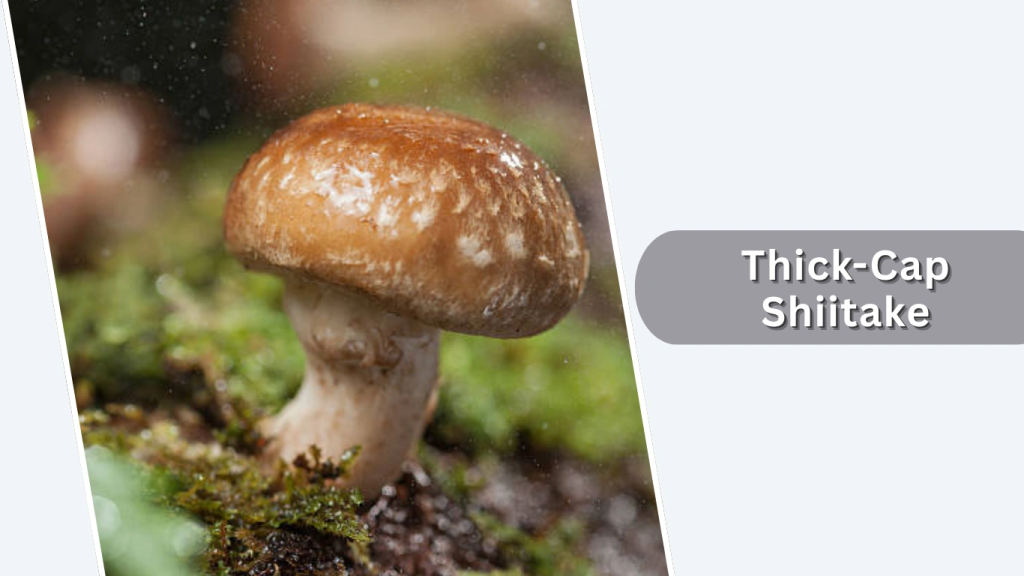
Thick-cap shiitake refers to shiitake mushrooms bred or grown under conditions that produce broad, fleshy caps. These mushrooms are valued for their meaty texture, long cooking tolerance, and strong umami flavor. They are commonly used when a substantial, bite-like mushroom is desired.
Identification
- Broad, thick, fleshy cap
- Cap color from medium to dark brown
- Firm, dense interior
- Short to medium-length stem
- Smooth to lightly cracked surface
- Pronounced earthy aroma
Habitat
Thick-cap shiitake naturally grow on decaying hardwood such as oak, maple, and chestnut. In cultivation, they are usually produced on hardwood logs or nutrient-rich sawdust blocks in cool, humid environments.
Flavor Profile
This type has a rich, savory umami taste with mild smoky and nutty notes. The thick flesh absorbs seasonings well while maintaining structure during long cooking.
Culinary Uses
Thick-cap shiitake is excellent for grilling, braising, roasting, ramen, and vegetarian meat substitutes. Its firm texture makes it suitable for skewers, stuffing, and slow-simmered dishes.
5. Thin-Cap Shiitake
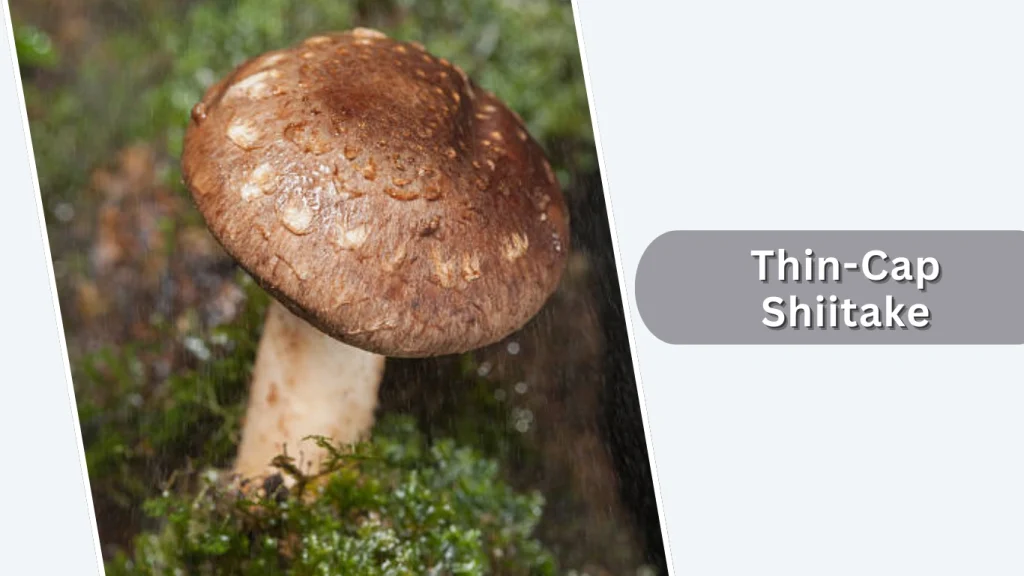
Thin-cap shiitake is a lighter, more delicate form of shiitake mushroom with a flatter cap and softer flesh. It grows more quickly than thick-cap types and is widely used in everyday cooking because of its quick cooking time and gentle texture.
Identification
- Thin, flat to slightly curved cap
- Light to medium brown coloration
- Smooth or faintly wrinkled surface
- Longer, slender stem
- Tender, flexible flesh
- Mild mushroom aroma
Habitat
Thin-cap shiitake grows on decaying hardwood trees, especially oak and beech. In commercial farming, it is commonly cultivated on sawdust blocks under warm, humid conditions.
Flavor Profile
This variety has a mild umami flavor with subtle earthy and slightly sweet notes. It blends well with other ingredients without overpowering them.
Culinary Uses
Thin-cap shiitake is ideal for quick stir-fries, soups, noodle bowls, omelets, and light sautés. Because it softens rapidly, it works best in dishes with short cooking times.
6. Winter Shiitake
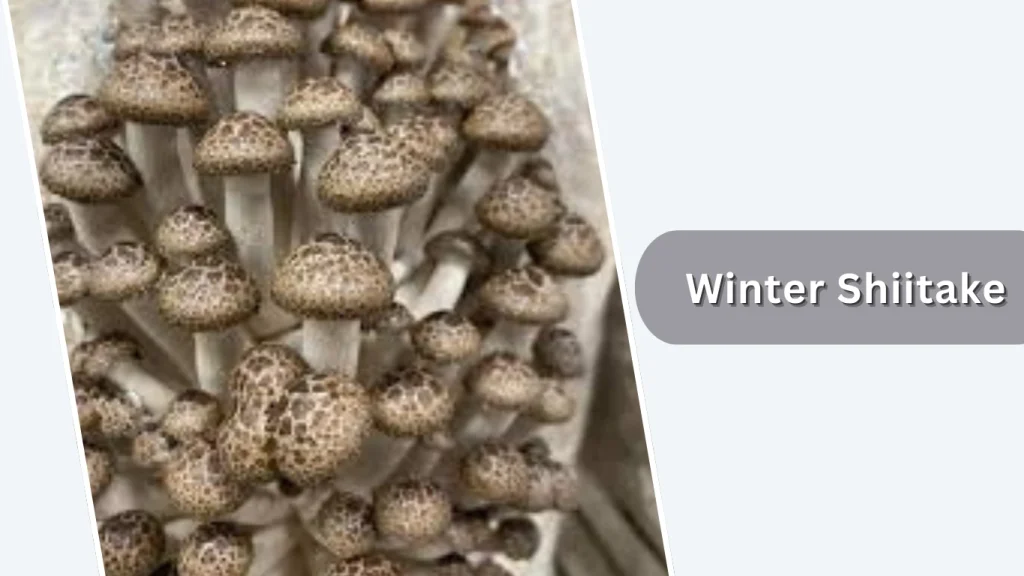
Winter shiitake refers to shiitake mushrooms grown in colder conditions, which slow their development and result in thicker caps, denser flesh, and deeper flavor. These mushrooms are often considered premium because of their rich taste and firm texture.
Identification
- Thick, rounded cap
- Dark brown to deep chestnut color
- Short, solid stem
- Dense, heavy flesh
- Cap surface may show cracking
- Strong earthy, smoky aroma
Habitat
Winter shiitake naturally grows on hardwood logs during cooler months. In cultivation, it is produced on oak or beech logs and sawdust blocks kept at lower temperatures with high humidity.
Flavor Profile
This type has an intense umami flavor with smoky, woodsy undertones. Cold growth conditions concentrate nutrients and flavor compounds.
Culinary Uses
Winter shiitake is excellent for hot pots, soups, braised dishes, medicinal broths, and drying. Its thick texture holds up well in long-simmered recipes.
7. Summer Shiitake
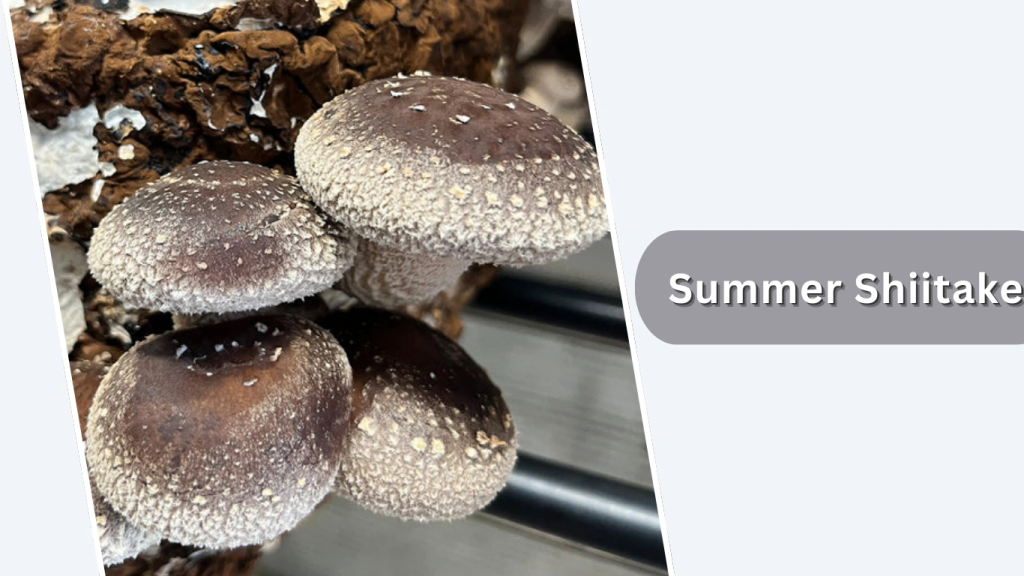
Summer shiitake refers to shiitake mushrooms grown in warmer conditions, which leads to faster growth, thinner caps, and a lighter overall texture. These mushrooms are widely produced and commonly used because they are tender, versatile, and cook quickly.
Identification
- Thinner, flatter cap
- Light to medium brown color
- Smooth or slightly wrinkled surface
- Longer, slimmer stem
- Softer flesh than winter types
- Mild, fresh mushroom aroma
Habitat
Summer shiitake grows on decaying hardwood trees such as oak and beech. In cultivation, it is typically produced on sawdust blocks in warm, humid growing rooms.
Flavor Profile
This variety has a gentle umami flavor with mild earthy notes. Its taste is lighter and less smoky than cold-grown shiitake, making it suitable for subtle dishes.
Culinary Uses
Summer shiitake is ideal for stir-fries, quick sautés, noodle dishes, fried rice, and light soups. Its tender texture allows it to absorb sauces quickly without long cooking.
8. Black Forest Shiitake
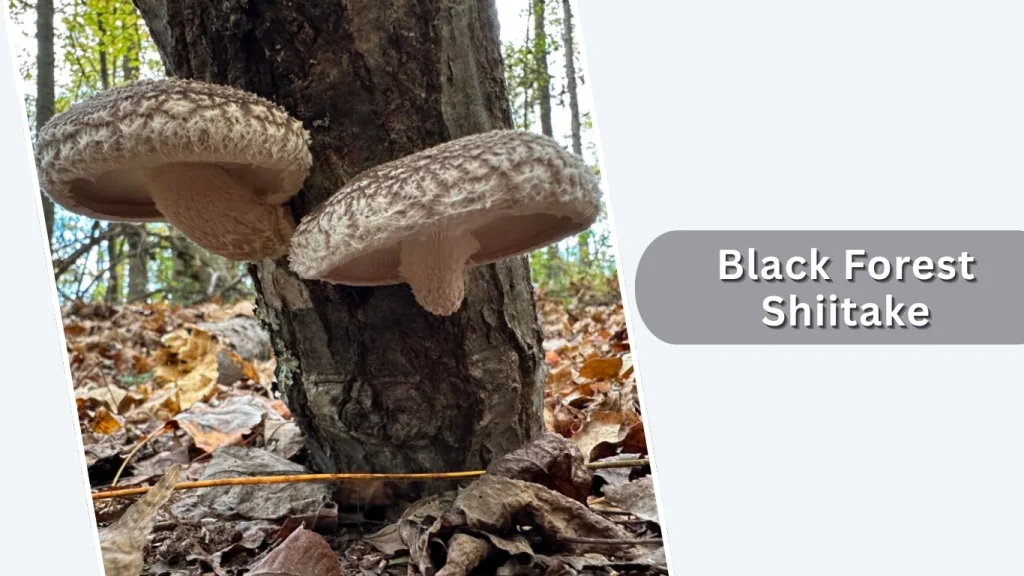
Black Forest shiitake is a dark-capped variety known for its bold appearance, firm texture, and rich, earthy taste. It is often cultivated on hardwood and valued for both culinary quality and visual appeal in gourmet dishes.
Identification
- Deep brown to nearly black cap
- Thick, rounded cap shape
- Short, sturdy stem
- Dense, meaty flesh
- Slightly cracked or matte surface
- Strong forest-like aroma
Habitat
Black Forest shiitake grows on decaying hardwood logs, especially oak. In controlled cultivation, it is produced on hardwood logs or enriched sawdust blocks in cool, humid environments.
Flavor Profile
This type offers a robust umami flavor with pronounced earthy and smoky notes. Its taste is deeper and stronger than many lighter shiitake varieties.
Culinary Uses
Black Forest shiitake is excellent for gourmet stir-fries, ramen, broths, grilling, and braised dishes. Its dark color and thick texture make it a striking addition to plated meals.
9. White Shiitake
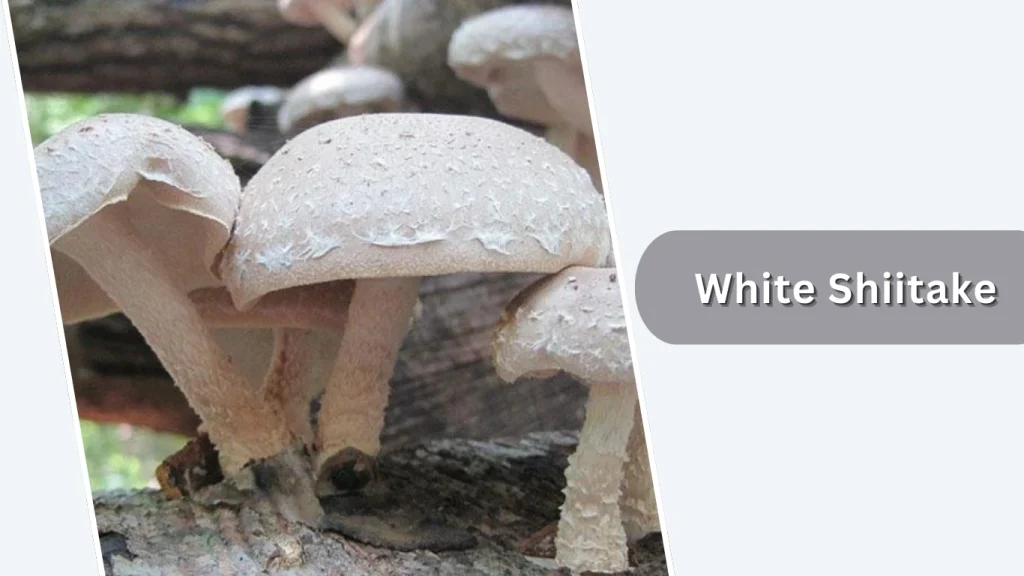
White shiitake is a lighter-colored cultivated form of shiitake mushroom known for its pale cap, mild aroma, and delicate appearance. It is less common than brown shiitake and is often grown under controlled conditions to preserve its lighter pigmentation.
Identification
- Pale beige to light tan cap
- Smooth, rounded surface
- Medium-thick flesh
- Slender, light-colored stem
- Soft but resilient texture
- Mild, clean mushroom scent
Habitat
White shiitake grows on hardwood logs and sawdust blocks, especially oak and beech. Cultivators use low-light, carefully managed environments to maintain the lighter coloration.
Flavor Profile
This variety has a gentle umami taste with subtle nutty and earthy notes. Its flavor is softer and less smoky than darker shiitake types.
Culinary Uses
White shiitake is suitable for light soups, clear broths, stir-fries, steaming, and decorative culinary presentations where color contrast is desired.
10. Organic Shiitake
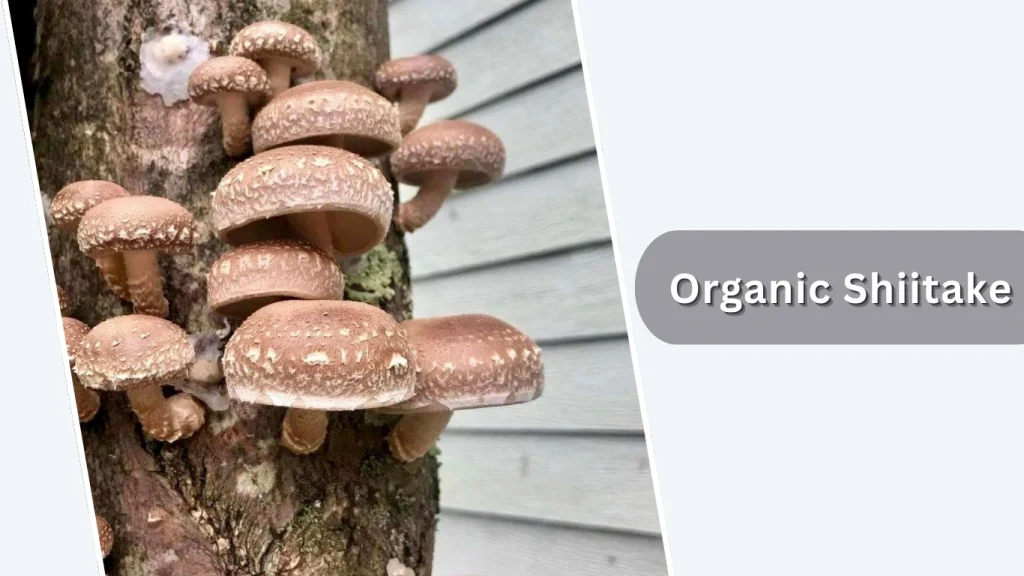
Organic shiitake refers to shiitake mushrooms cultivated without synthetic fertilizers, pesticides, or chemical growth enhancers. They are grown using certified organic substrates and methods, making them popular among health-conscious consumers and organic food markets.
Identification
- Medium to dark brown cap
- Smooth to lightly textured surface
- Firm, elastic flesh
- White to light tan gills
- Woody, fibrous stem
- Fresh earthy aroma
Habitat
Organic shiitake grows on certified organic hardwood logs or organic sawdust blocks, typically made from oak or beech. They are cultivated in controlled, chemical-free environments with high humidity.
Flavor Profile
This type has a clean, rich umami flavor with natural earthy and slightly smoky undertones. Many people find organic shiitake to have a purer, more pronounced mushroom taste.
Culinary Uses
Organic shiitake is widely used in stir-fries, soups, sauces, roasted dishes, and health-focused recipes. It is also commonly dried for long-term storage and medicinal use.
11. Wild Shiitake
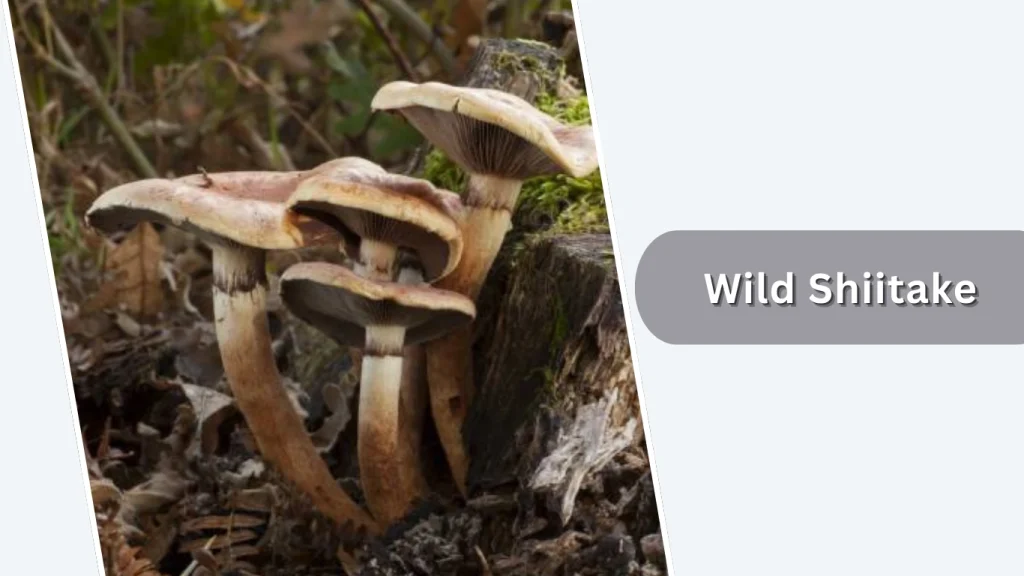
Wild shiitake refers to shiitake mushrooms that grow naturally on decaying hardwood trees in forest environments. They are less uniform than cultivated types and are valued for their intense aroma, complex flavor, and firm, natural texture.
Identification
- Irregular, naturally shaped cap
- Medium to dark brown coloration
- Slightly cracked or rough surface
- Firm, fibrous stem
- Dense, resilient flesh
- Strong earthy, woodland aroma
Habitat
Wild shiitake grows on dead or dying hardwood trees, especially oak, chestnut, and beech, in humid forest regions. They appear seasonally, most often during cool and moist weather.
Flavor Profile
This variety has a deeper, more complex umami taste than most cultivated shiitake. The flavor is earthy, smoky, and sometimes slightly peppery.
Culinary Uses
Wild shiitake is excellent for broths, stews, traditional Asian dishes, and drying. Its strong flavor makes it ideal for soups, medicinal teas, and slow-cooked meals.
12. Cultivated Shiitake
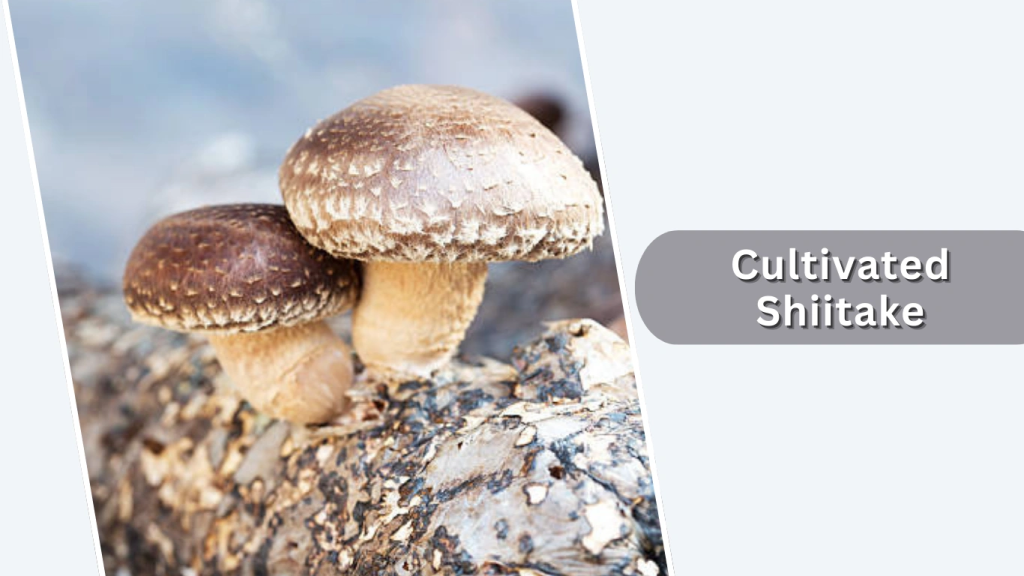
Cultivated shiitake refers to shiitake mushrooms grown under controlled farming conditions to ensure consistent quality, size, and year-round availability. They are the most widely sold shiitake type in global markets and are valued for their reliable flavor and texture.
Identification
- Uniform, rounded cap
- Light to dark brown color range
- Smooth to slightly cracked surface
- Medium-length, firm stem
- Moist, springy flesh
- Mild to moderate earthy aroma
Habitat
Cultivated shiitake is grown on hardwood logs or compressed sawdust blocks, primarily made from oak, beech, or other hardwoods. Production occurs in climate-controlled rooms with regulated humidity and temperature.
Flavor Profile
This type offers a balanced umami flavor with mild smoky and nutty notes. It is less intense than wild shiitake but more consistent and versatile.
Culinary Uses
Cultivated shiitake is commonly used in stir-fries, soups, sauces, noodle dishes, pizzas, and vegetarian meals. It performs well in both quick-cooking and slow-simmered recipes.
13. Log-Grown Shiitake
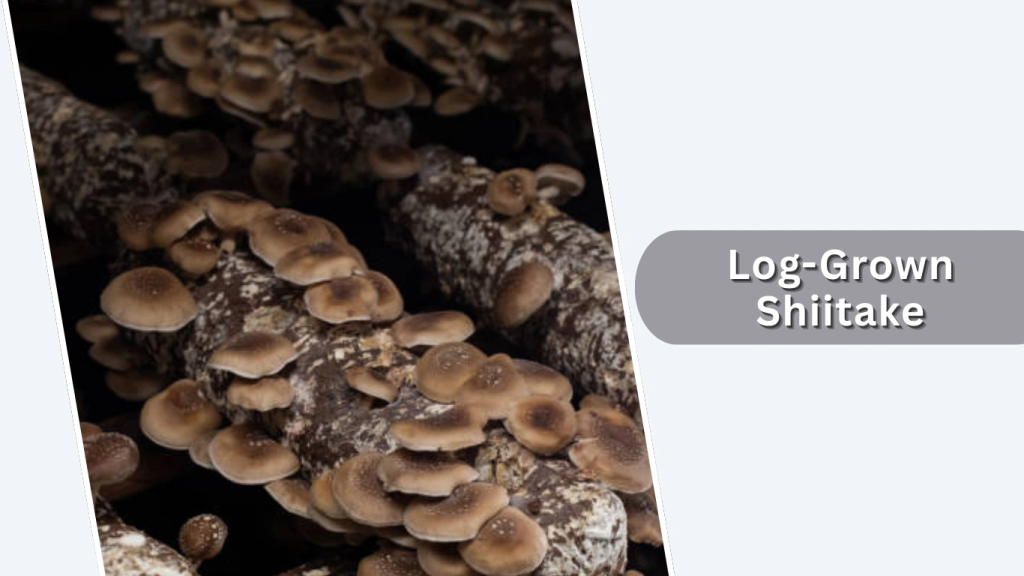
Log-grown shiitake are cultivated using traditional methods where hardwood logs are inoculated with shiitake spores and allowed to fruit naturally over time. This slow-growing process produces mushrooms with firmer texture, thicker caps, and deeper flavor.
Identification
- Thick, well-formed cap
- Medium to dark brown color
- Dense, heavy flesh
- Short, solid stem
- Natural cracks or textured surface
- Strong, fresh woodland aroma
Habitat
Log-grown shiitake develops on hardwood logs such as oak, chestnut, and beech, typically outdoors in shaded, humid forest-like environments. Fruiting may take several months after inoculation.
Flavor Profile
This type has a rich umami taste with pronounced earthy and woody notes. Slow growth allows more complex flavors to develop compared to fast-grown block shiitake.
Culinary Uses
Log-grown shiitake is excellent for grilling, roasting, soups, hot pots, and drying. Its firm structure makes it ideal for long cooking and premium culinary applications.
14. Sawdust-Grown Shiitake
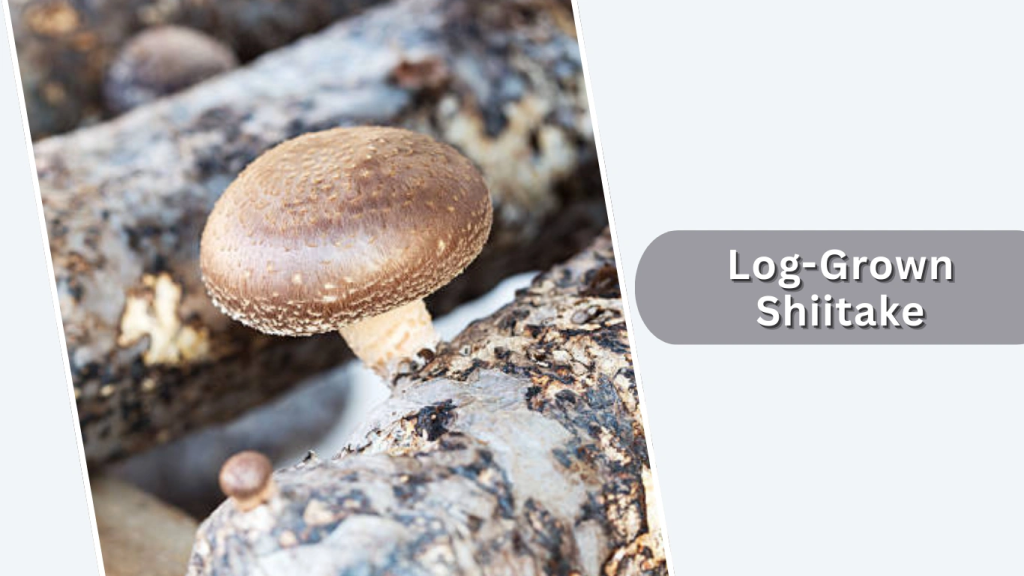
Sawdust-grown shiitake are cultivated on compacted blocks made from hardwood sawdust mixed with nutrients. This modern growing method allows faster production, consistent yields, and year-round availability, making it common in commercial mushroom farming.
Identification
- Evenly shaped, round to slightly flat cap
- Light to medium brown color
- Smooth surface texture
- Medium-length stem
- Softer flesh than log-grown types
- Mild earthy aroma
Habitat
Sawdust-grown shiitake is produced indoors on sterilized hardwood sawdust blocks, often made from oak or beech. They are grown in climate-controlled rooms with regulated humidity, light, and airflow.
Flavor Profile
This variety has a pleasant umami taste with gentle earthy notes. The flavor is milder and less smoky than log-grown shiitake.
Culinary Uses
Sawdust-grown shiitake is ideal for stir-fries, soups, sauces, and everyday cooking. Its consistent size and quick cooking time make it convenient for commercial kitchens and home use.
15. Premium Dried Shiitake
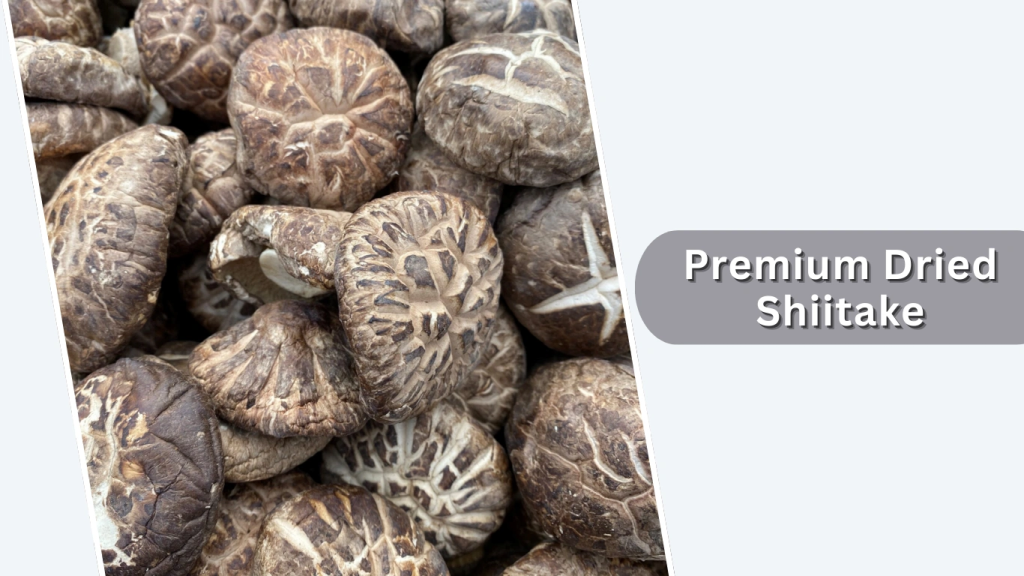
Premium dried shiitake mushrooms are carefully selected shiitake mushrooms that are dehydrated to concentrate flavor, aroma, and nutrients. Drying enhances their umami compounds, making them one of the most flavorful forms of shiitake used in cooking.
Identification
- Wrinkled, fully dried caps
- Dark brown to nearly black color
- Thick, leathery texture when dry
- Strong smoky, earthy aroma
- Firm flesh that softens when soaked
- Often shows cracked or flowered patterns
Habitat
Premium dried shiitake originate from fresh shiitake grown on hardwood logs or sawdust blocks, then slowly air-dried or low-heat dried to preserve flavor and medicinal qualities.
Flavor Profile
This form has a very concentrated umami taste with deep smoky and earthy notes. Soaking water becomes richly flavored and is often used as a broth base.
Culinary Uses
Premium dried shiitake are widely used in soups, sauces, ramen, rice dishes, and medicinal broths. They are soaked before cooking and can be sliced, whole, or powdered for seasoning.
FAQs
What is the difference between donko and koshin shiitake?
Donko shiitake grow in cooler conditions and develop thick, dense caps with a rich, concentrated flavor. Koshin shiitake grow in warmer conditions, producing thinner caps and a lighter texture. Donko are preferred for slow cooking, while koshin are better for quick dishes.
Are dried shiitake stronger in flavor than fresh ones?
Yes, dried shiitake have a much stronger and deeper umami flavor than fresh mushrooms. The drying process concentrates natural compounds that create rich taste and aroma. After soaking, both the mushrooms and the soaking liquid can be used to enhance soups and sauces.
Which shiitake type is best for medicinal use?
Log-grown, winter, and premium dried shiitake are most often used for medicinal purposes. These types tend to contain higher concentrations of beneficial compounds because of slower growth and dehydration, making them popular in traditional remedies, teas, and health-focused broths.
Can different shiitake types be used interchangeably in cooking?
Most shiitake types can be substituted for each other, but texture and flavor strength will vary. Thick-cap and winter shiitake work better in slow-cooked dishes, while thin-cap and summer shiitake suit quick recipes. Dried shiitake should always be soaked before use.
Are all shiitake mushrooms grown on wood?
Traditionally, shiitake grow on hardwood logs such as oak and beech. Modern cultivation often uses compressed sawdust blocks made from hardwood. Both methods mimic natural wood growth, but log-grown shiitake usually develop firmer texture and deeper flavor than block-grown varieties.