
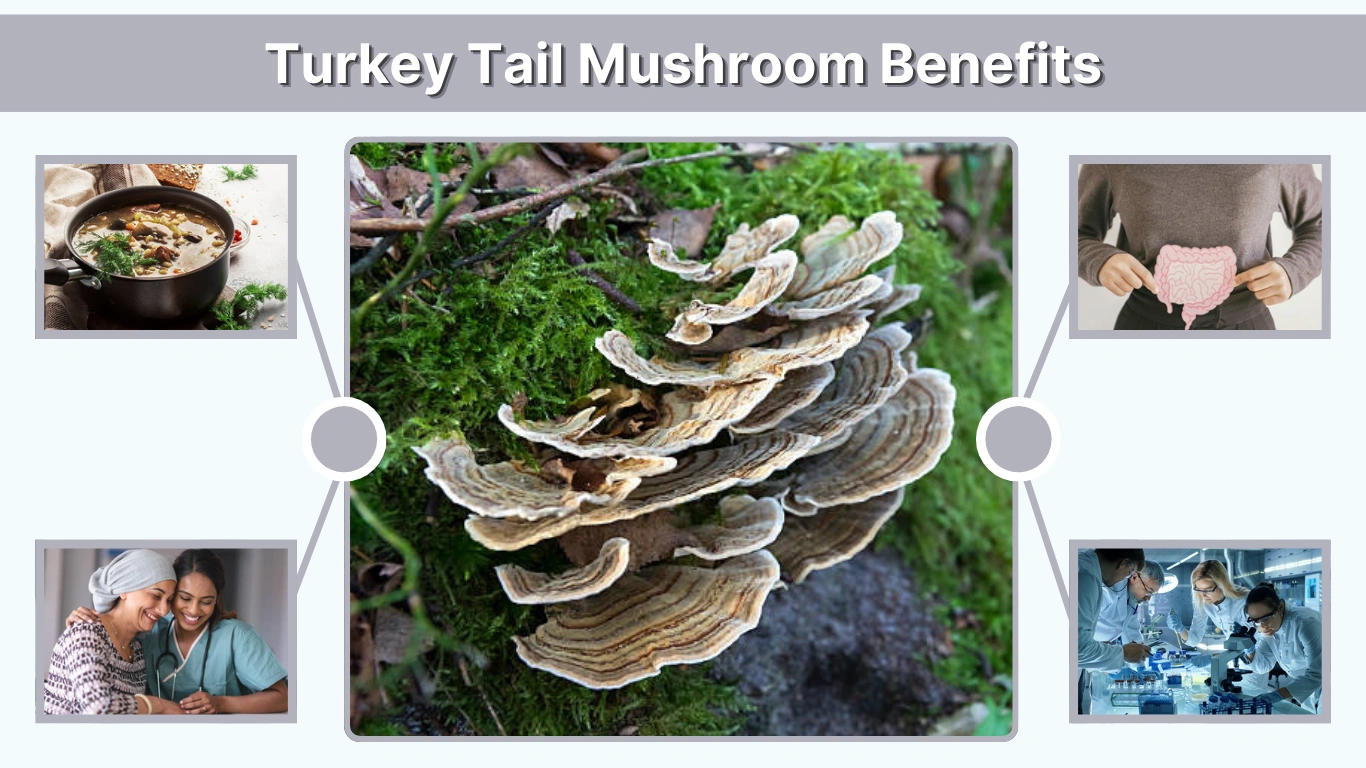
Turkey Tail mushroom is one of the most researched medicinal mushrooms in the world. Known for its immune-supporting properties and rich antioxidant content, this colorful fungus has been used for centuries in traditional Chinese and Japanese medicine. Today, it is widely available as tea, capsules, powders, and extracts. Many people turn to Turkey Tail for immune health, gut balance, and overall wellness support. In this guide, we’ll explore what Turkey Tail mushroom is, its key compounds, and the science-backed benefits behind its growing popularity.
What Is Turkey Tail Mushroom?
Turkey Tail mushroom, scientifically known as Trametes versicolor, is a type of medicinal fungus that grows on dead or decaying hardwood trees. It gets its name from its distinctive appearance. The mushroom features thin, fan-shaped layers with colorful rings that resemble the tail feathers of a wild turkey.
This mushroom is found throughout forests across North America, Europe, and Asia. While it is not typically consumed as a culinary mushroom due to its tough texture, it has long been valued for its therapeutic properties.
In traditional Chinese medicine (where it is called Yun Zhi) and Japanese herbal practices, Turkey Tail has been used to support vitality, strengthen the immune system, and promote longevity. Modern science has since identified specific compounds that help explain these traditional uses.
Key Active Compounds in Turkey Tail
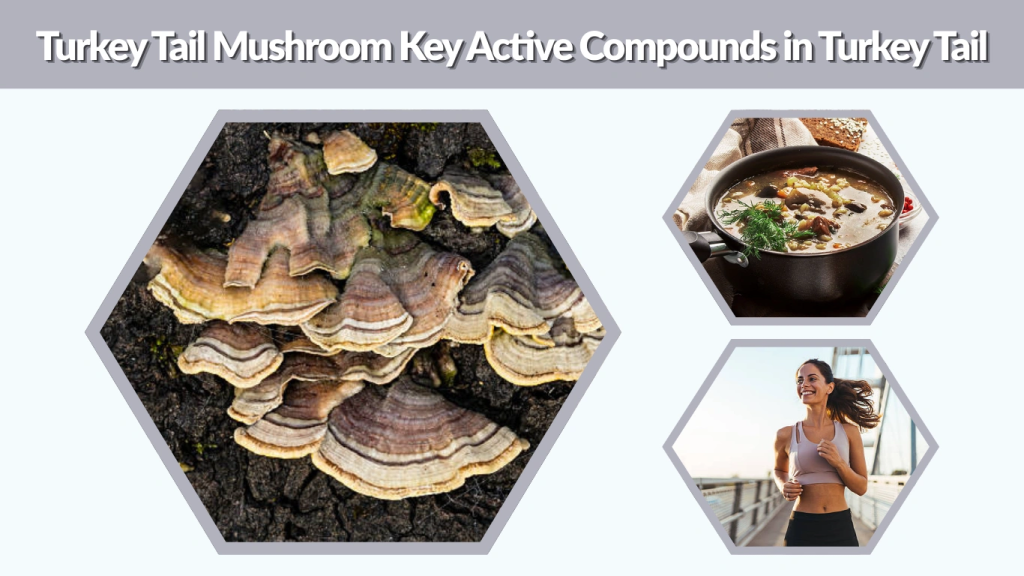
The health benefits of Turkey Tail mushroom come from its powerful bioactive compounds. These natural substances interact with the body in ways that support immune and cellular health.
Polysaccharide-K (PSK)
Polysaccharide-K, commonly known as PSK, is one of the most studied compounds in Turkey Tail. It is a protein-bound polysaccharide that has been used in Japan as an adjunct therapy alongside conventional cancer treatments.
PSK works primarily by modulating the immune system. Instead of overstimulating immune responses, it helps regulate immune activity, supporting the body’s natural defense mechanisms. Clinical studies have examined its role in supporting patients undergoing chemotherapy, particularly in certain types of cancer.
Polysaccharide-P (PSP)
Polysaccharide-P (PSP) is another immune-supporting compound found in Turkey Tail. Similar to PSK, PSP is a complex carbohydrate that interacts with immune cells and may help improve immune function.
Research suggests that PSP may enhance the activity of white blood cells, including macrophages and natural killer cells, which play a crucial role in defending the body against harmful invaders.
Beta-Glucans and Antioxidants
Turkey Tail is rich in beta-glucans, a type of soluble fiber known for its immune-modulating effects. Beta-glucans bind to immune cell receptors, helping the body recognize and respond more effectively to potential threats.
In addition, Turkey Tail contains antioxidants that help neutralize free radicals. By reducing oxidative stress, these antioxidants may support long-term cellular health and overall wellness.
Top Health Benefits of Turkey Tail Mushroom
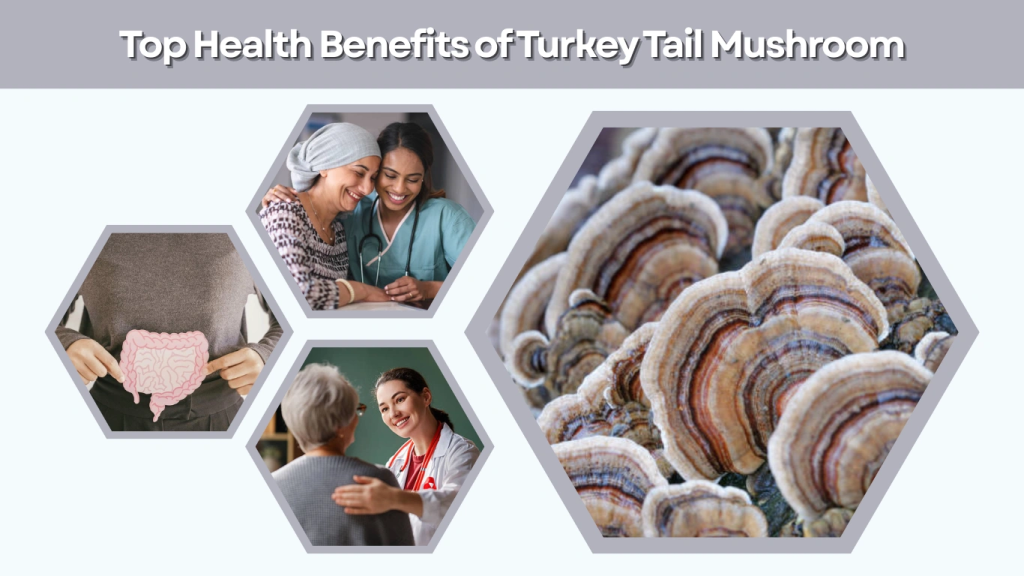
Turkey Tail mushroom is widely known for its immune-supporting properties, but its potential benefits extend beyond just immunity.
1. Supports a Healthy Immune System
One of the primary reasons people use Turkey Tail mushroom is for immune support. The beta-glucans, PSK, and PSP compounds work together to help regulate immune responses.
Rather than simply boosting immunity, Turkey Tail acts as an immune modulator. This means it may help balance immune activity — supporting it when needed while preventing excessive inflammation.
Some research indicates that regular supplementation may increase certain immune markers, especially in individuals with weakened immune systems.
2. Promotes Gut Health
Turkey Tail also acts as a natural prebiotic. Prebiotics feed beneficial bacteria in the gut, helping maintain a balanced microbiome.
A healthy gut microbiome is closely linked to immune function, digestion, and even mood regulation. Studies suggest that Turkey Tail may increase beneficial bacteria such as Bifidobacterium and Lactobacillus species.
By supporting gut bacteria, Turkey Tail may indirectly strengthen the immune system and improve digestive balance.
3. May Support Cancer Treatment
Turkey Tail has received significant attention for its role in cancer research. In Japan, PSK extracted from Turkey Tail has been approved as an adjunct therapy for certain cancers, including gastric and colorectal cancer.
Research indicates that PSK may help improve survival rates when combined with conventional treatments like chemotherapy. It is important to note, however, that Turkey Tail is not a cure for cancer. Instead, it may serve as supportive therapy under medical supervision.
Anyone considering Turkey Tail during cancer treatment should consult a qualified healthcare provider.
4. Rich in Antioxidants
Oxidative stress occurs when free radicals outnumber antioxidants in the body. Over time, this imbalance can contribute to aging and chronic disease.
Turkey Tail contains phenols and flavonoids that act as antioxidants. These compounds may help reduce cellular damage and support overall health. Regular antioxidant intake is associated with improved long-term wellness and immune resilience.
5. May Help Reduce Inflammation
Chronic inflammation is linked to numerous health concerns, including heart disease and autoimmune conditions. Some studies suggest that the bioactive compounds in Turkey Tail may help regulate inflammatory responses.
By supporting balanced immune signaling, Turkey Tail may contribute to a healthier inflammatory response, which is essential for long-term wellness.
Turkey Tail Mushroom and Cancer Research
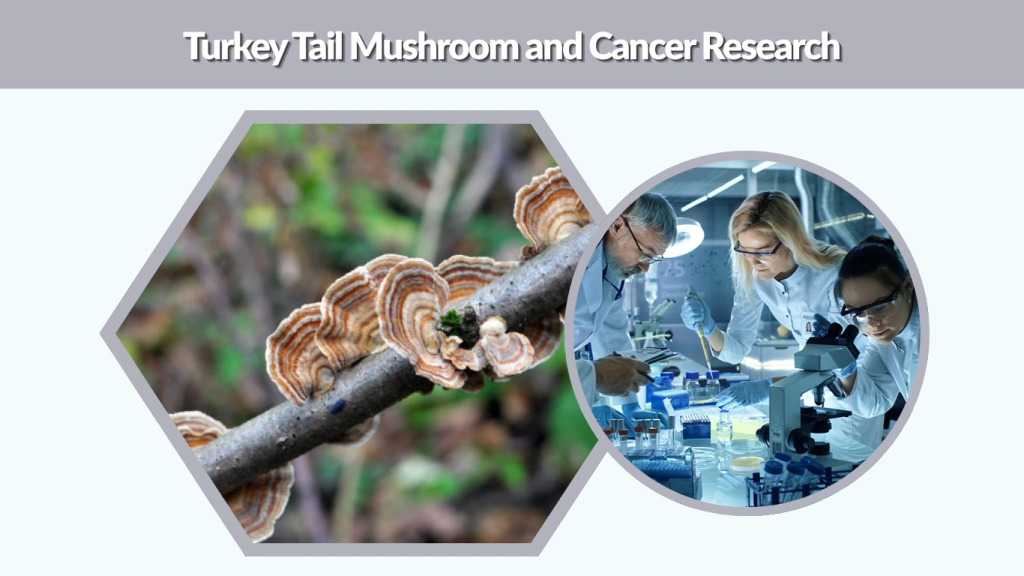
Turkey Tail mushroom is one of the most extensively researched medicinal mushrooms in oncology. In Japan, PSK has been used for decades alongside chemotherapy as a complementary therapy.
Clinical studies have examined its effects on immune markers, tumor response, and overall survival rates. While results are promising, research continues to explore the full extent of its benefits.
It is essential to understand that Turkey Tail should never replace standard medical treatment. Instead, it may serve as supportive therapy when recommended by a healthcare professional.
How to Use Turkey Tail Mushroom
Turkey Tail mushroom is available in several forms, making it easy to incorporate into different wellness routines. Because the mushroom is tough and woody, it is rarely eaten whole. Instead, it is typically consumed as a tea, powder, capsule, or concentrated extract.
Turkey Tail Tea
Turkey Tail tea is one of the most traditional ways to use this mushroom. To prepare it, dried mushroom pieces are simmered in water for at least 45–60 minutes. This long simmering process helps extract beneficial water-soluble compounds such as beta-glucans.
The tea has an earthy, slightly bitter taste. Some people add ginger, honey, or lemon to improve flavor. Drinking the tea regularly may provide gentle, ongoing immune and digestive support.
Capsules and Tablets
Capsules and tablets are among the most convenient options. They provide standardized doses and eliminate the need for preparation. This format is ideal for individuals who prefer a simple daily supplement routine.
When choosing capsules, it is important to look for products that clearly state the amount of extract and beta-glucan content.
Powder Form
Turkey Tail powder can be mixed into smoothies, coffee, soups, or oatmeal. This option allows flexible dosing and can easily fit into a daily diet.
However, the taste may be slightly bitter, so blending it with other flavors often works best.
Liquid Extracts and Tinctures
Liquid extracts are concentrated forms of Turkey Tail. Many high-quality products use dual extraction (water and alcohol) to capture both water-soluble beta-glucans and alcohol-soluble compounds.
Liquid extracts may absorb more quickly than capsules and allow for easy dose adjustments.
Recommended Dosage
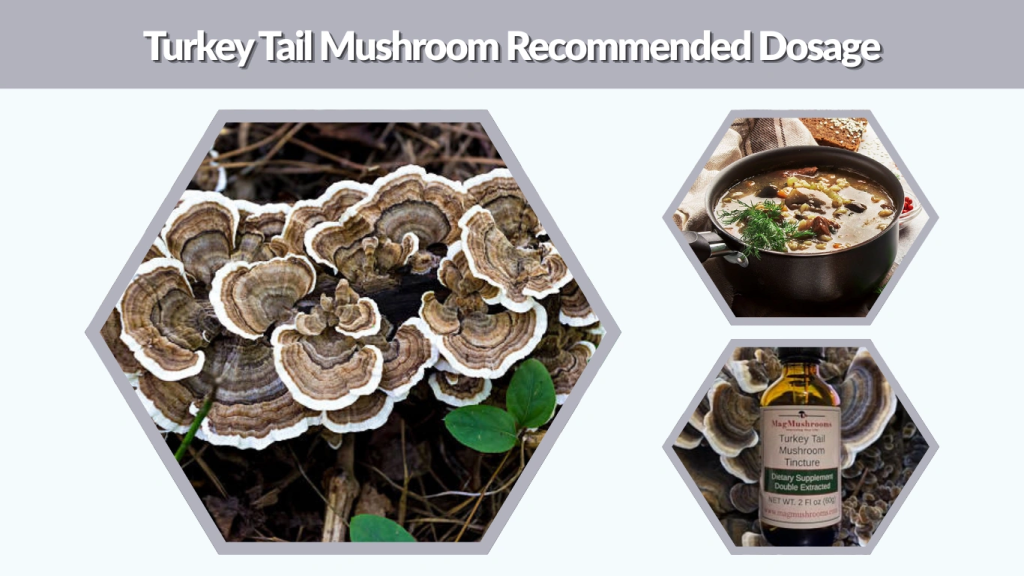
There is no universal dosage for Turkey Tail mushroom, as it depends on the product type and individual health goals.
For general immune support, many supplements provide between 1,000 mg and 3,000 mg per day of Turkey Tail extract. Some clinical studies involving PSK have used higher doses under medical supervision.
If using a concentrated extract, follow the manufacturer’s instructions carefully. It is always wise to start with a lower dose and gradually increase as tolerated.
Individuals undergoing medical treatment, especially cancer therapy, should only use Turkey Tail under the guidance of a healthcare professional.
Possible Side Effects and Safety
Turkey Tail mushroom is generally considered safe for most healthy adults when taken in recommended amounts. However, mild side effects can occur.
Some people report digestive discomfort, including bloating, gas, or darkened stools when first starting supplementation. These effects are usually temporary.
Allergic reactions are possible, particularly in individuals sensitive to mushrooms. Symptoms may include itching, rash, or difficulty breathing, which require immediate medical attention.
Because Turkey Tail influences immune activity, people with autoimmune conditions or those taking immunosuppressive medications should consult a healthcare provider before use.
Pregnant and breastfeeding women should also seek medical advice before adding any new supplement.
Who Should Avoid Turkey Tail?
While many people tolerate Turkey Tail well, it may not be suitable for everyone.
Those who have undergone organ transplants or who take immunosuppressant drugs should avoid immune-modulating supplements unless specifically approved by their doctor.
Individuals with known mushroom allergies should also avoid Turkey Tail products.
If you have a chronic health condition or take prescription medications, consult a healthcare professional before starting supplementation.
How to Choose the Best Turkey Tail Supplement
Not all Turkey Tail products are created equal. Quality can vary significantly between brands.
Look for Dual Extraction
The most effective supplements often use dual extraction methods. Water extraction pulls out beta-glucans, while alcohol extraction captures additional beneficial compounds. A dual-extracted product ensures a broader range of active ingredients.
Check Beta-Glucan Content
Beta-glucans are one of the main beneficial compounds in Turkey Tail. Look for supplements that list the percentage or amount of beta-glucans on the label rather than simply stating “polysaccharides,” which can sometimes include fillers.
Choose Fruiting Body Over Mycelium on Grain
Some lower-quality products use mycelium grown on grain instead of the actual fruiting body of the mushroom. Fruiting body extracts typically contain higher levels of active compounds.
Third-Party Testing
Reputable brands provide third-party testing to verify purity and potency. This helps ensure the product is free from contaminants such as heavy metals or pesticides.
Turkey Tail vs Other Medicinal Mushrooms
Turkey Tail is often compared to other popular medicinal mushrooms.
Turkey Tail vs Reishi
Both mushrooms support immune health. However, Reishi is more commonly associated with stress reduction and relaxation, while Turkey Tail is particularly valued for immune and gut support.
Turkey Tail vs Lion’s Mane
Lion’s Mane is best known for its cognitive and nerve-supporting properties. Turkey Tail, on the other hand, focuses primarily on immune modulation and microbiome balance.
Turkey Tail vs Chaga
Chaga is prized for its extremely high antioxidant content. While Turkey Tail also provides antioxidants, its standout benefit lies in immune regulation and prebiotic support.
FAQs
What is Turkey Tail mushroom good for?
Turkey Tail is mainly used to support immune health and gut balance. It contains beta-glucans and other compounds that help regulate immune responses and promote beneficial gut bacteria.
Can Turkey Tail cure cancer?
No, Turkey Tail cannot cure cancer. Some extracts, such as PSK, have been used alongside conventional treatments in certain countries. However, it should only be used under medical supervision as supportive therapy.
How long does it take to work?
Effects vary depending on the individual and the reason for use. Some people may notice digestive improvements within weeks, while immune support benefits may develop gradually over consistent use.
Is it safe to take it daily?
For most healthy adults, Turkey Tail is considered safe for daily use within recommended dosages. Always consult a healthcare provider if you have underlying health conditions.
Does Turkey Tail help with digestion?
Yes, Turkey Tail acts as a prebiotic, helping nourish beneficial gut bacteria. A balanced microbiome supports healthy digestion and overall immune function.
Final Thoughts
Turkey Tail mushroom stands out as one of the most researched medicinal mushrooms available today. With powerful immune-modulating compounds, antioxidant properties, and prebiotic benefits, it offers broad support for overall wellness.
While research continues to explore its full potential, especially in oncology settings, Turkey Tail is best viewed as a supportive supplement rather than a cure-all. Choosing a high-quality product and consulting a healthcare provider when needed can help ensure safe and effective use.