
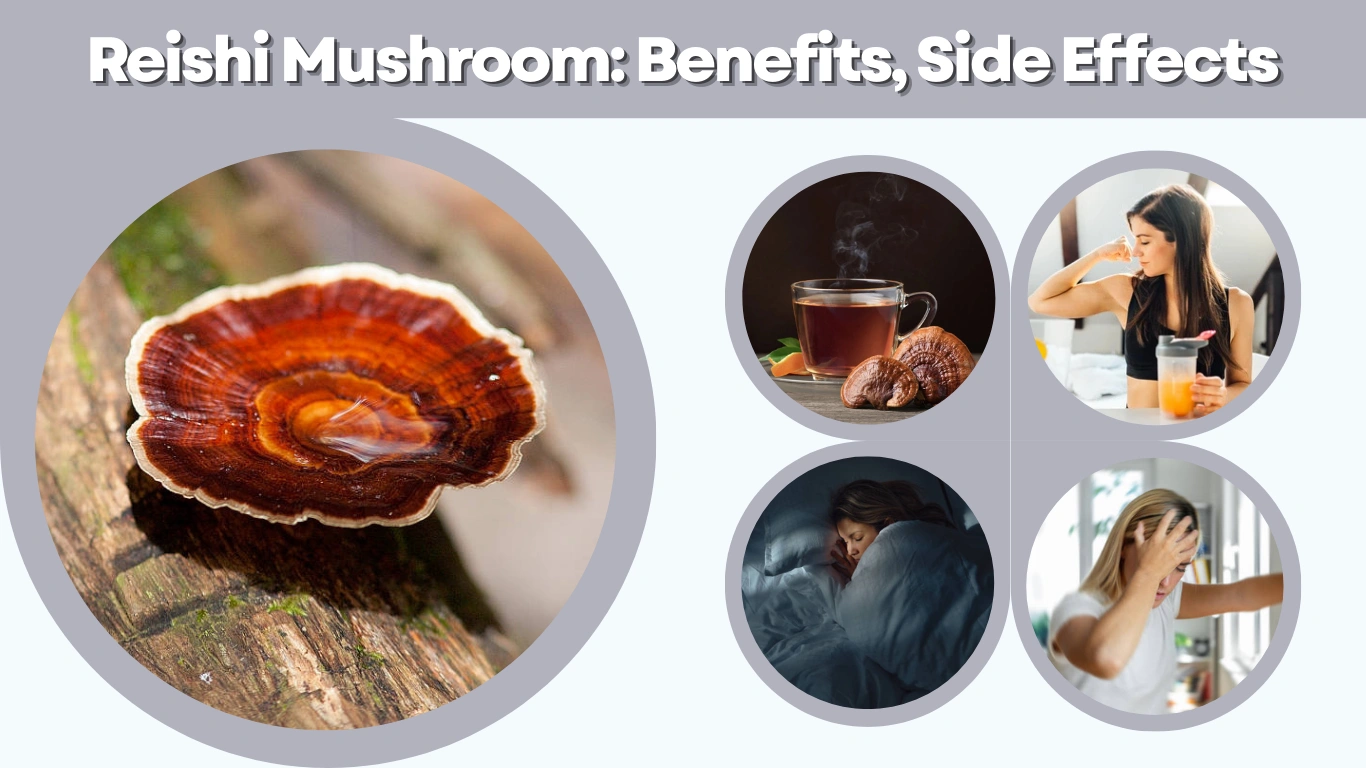
Reishi mushroom is one of the most respected medicinal mushrooms in traditional herbal medicine. Known scientifically as Ganoderma lucidum and commonly called Lingzhi, it has been used for thousands of years to promote vitality and longevity. Today, reishi is widely available in teas, capsules, powders, and extracts, and is often praised for its immune-supporting and stress-reducing properties. In this guide, you’ll learn how to identify reishi mushrooms, explore its potential health benefits, and understand what science says about its effects.
What Is Reishi Mushroom?
Reishi mushroom belongs to the Ganoderma genus, with Ganoderma lucidum being the most well-known species. It grows as a woody bracket fungus on hardwood trees and has a distinctive glossy appearance that makes it easier to recognize than many other mushrooms.
In Traditional Chinese Medicine (TCM), reishi is known as Lingzhi, which translates to “spiritual potency” or “divine mushroom.” It has long been associated with longevity, immune strength, and overall balance. Because of its long history of use, it is sometimes referred to as the “Mushroom of Immortality.”
Reishi is classified as an adaptogen. Adaptogens are natural substances believed to help the body adapt to stress and maintain balance. While the concept comes from traditional herbal systems, modern research is exploring how compounds in reishi may influence immune response, inflammation, and stress-related pathways.
Unlike edible mushrooms such as button mushrooms or shiitake, reishi is not typically consumed as a culinary food due to its tough, woody texture and extremely bitter taste. Instead, it is usually prepared as a decoction (long-simmered tea) or concentrated extract.
Reishi Mushroom Identification
Correct identification is essential for anyone interested in finding reishi in the wild. Fortunately, reishi has several distinctive features that make it relatively recognizable.
Key Visual Characteristics
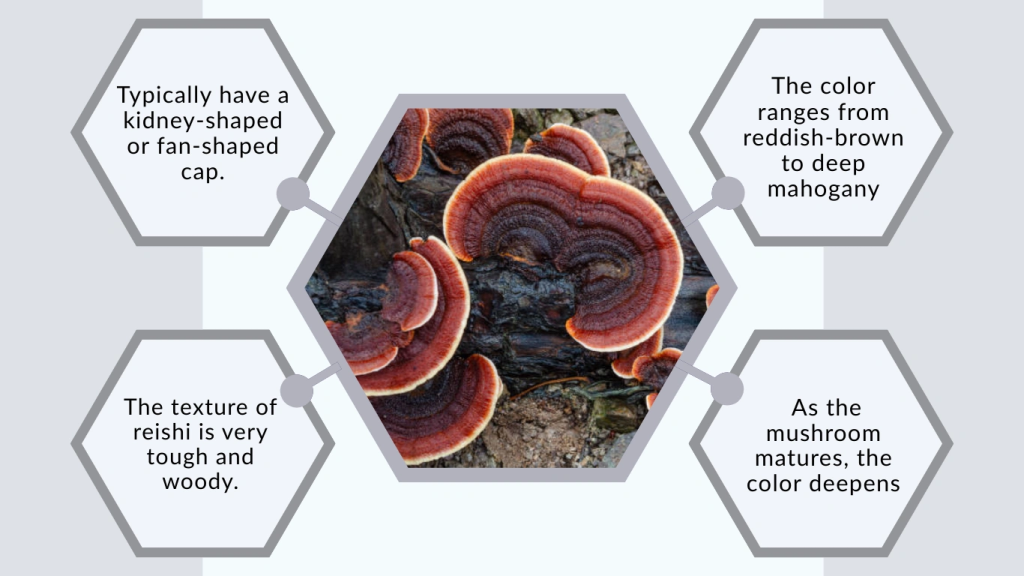
Reishi mushrooms typically have a kidney-shaped or fan-shaped cap. The surface is shiny and lacquered, almost as if it has been varnished. The color ranges from reddish-brown to deep mahogany, often with a lighter, white edge when actively growing.
The cap surface may appear layered with subtle concentric rings. As the mushroom matures, the color deepens and the white growing margin disappears.
The texture of reishi is very tough and woody. Unlike soft, fleshy mushrooms, it cannot be easily bent or torn. This hardness is one reason it is used primarily for extracts rather than direct cooking.
Underside Features
Reishi does not have gills underneath the cap. Instead, it has a fine pore surface. The pores are small and typically white when fresh, gradually turning tan or brown as the mushroom ages.
The spore print of reishi is brown. In the wild, you may sometimes see brown spore dust collecting on the cap below a higher shelf, which can help with identification.
Where Reishi Grows
Reishi grows primarily on hardwood trees such as oak, maple, and other deciduous species. It can be found on dead, dying, or decaying logs and stumps.
This mushroom is perennial, meaning it can continue growing for more than one season. In some cases, you may see large, multi-layered growths that have developed over time.
Although wild reishi is found in North America, Europe, and Asia, much of the reishi available in supplements today is cultivated under controlled conditions.
Red Reishi vs Other Ganoderma Species
There are multiple species within the Ganoderma genus. Red reishi (Ganoderma lucidum) is the most commonly referenced medicinal type. Other species may vary slightly in shape, size, or color but share similar woody characteristics.
For beginners, distinguishing between closely related Ganoderma species can be challenging. When foraging, it is best to consult a local field guide or experienced mycologist.
Reishi Mushroom Benefits
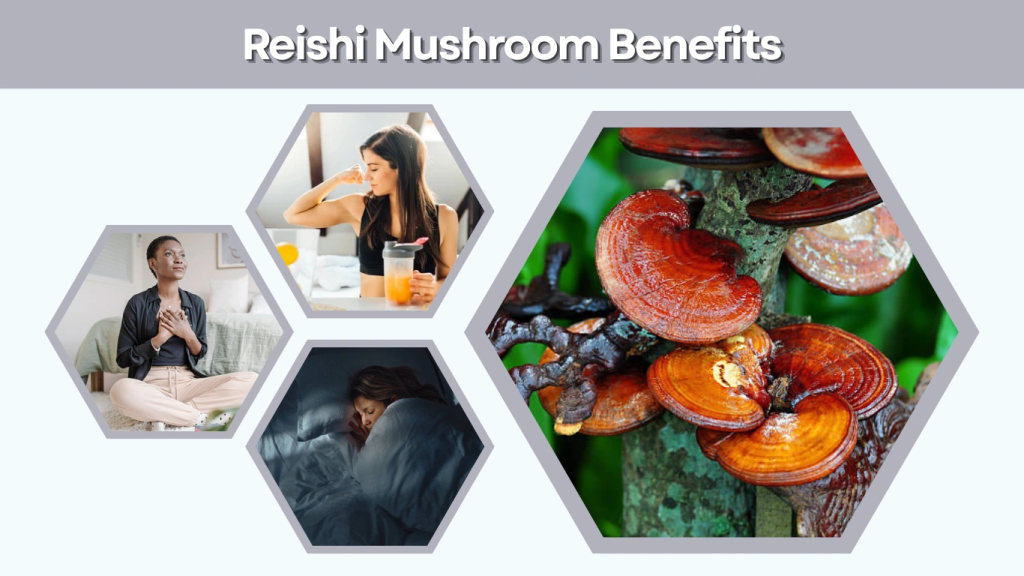
Reishi mushroom is widely valued for its potential health benefits. Much of its activity is attributed to compounds such as beta-glucans and triterpenes.
1. Supports Immune Function
One of the most studied benefits of reishi mushroom is its effect on the immune system. Beta-glucans found in reishi are known to interact with immune cells, helping regulate immune responses.
Rather than simply “boosting” immunity, reishi is considered an immune modulator. This means it may help balance immune activity, supporting it when needed while preventing excessive inflammatory reactions.
Some studies suggest reishi may enhance certain immune markers, though more large-scale human trials are needed.
2. May Help Reduce Stress
Reishi is often classified as an adaptogen because of its potential role in helping the body cope with stress. Traditional use suggests it promotes calmness and resilience.
Preliminary research indicates that reishi may influence stress-related pathways and support overall mood balance. While results are promising, evidence is still developing.
3. Supports Better Sleep
In traditional medicine, reishi has been used to promote relaxation and improve sleep quality. Some users report feeling calmer and more rested after regular use.
Although scientific studies on sleep are limited, the mushroom’s calming reputation continues to make it popular among individuals seeking natural wellness support.
4. Heart Health Support
Some research suggests that compounds in reishi may support heart health by influencing cholesterol levels and blood pressure. Triterpenes found in reishi are believed to contribute to these effects.
However, results vary between studies, and reishi should not replace prescribed cardiovascular treatments.
5. Antioxidant and Anti-Inflammatory Properties
Reishi contains antioxidant compounds that may help reduce oxidative stress. Oxidative stress occurs when free radicals damage cells, contributing to aging and chronic disease.
Its potential anti-inflammatory properties are also being studied, particularly in relation to immune and metabolic health.
Reishi Mushroom Health Benefits: What Research Says
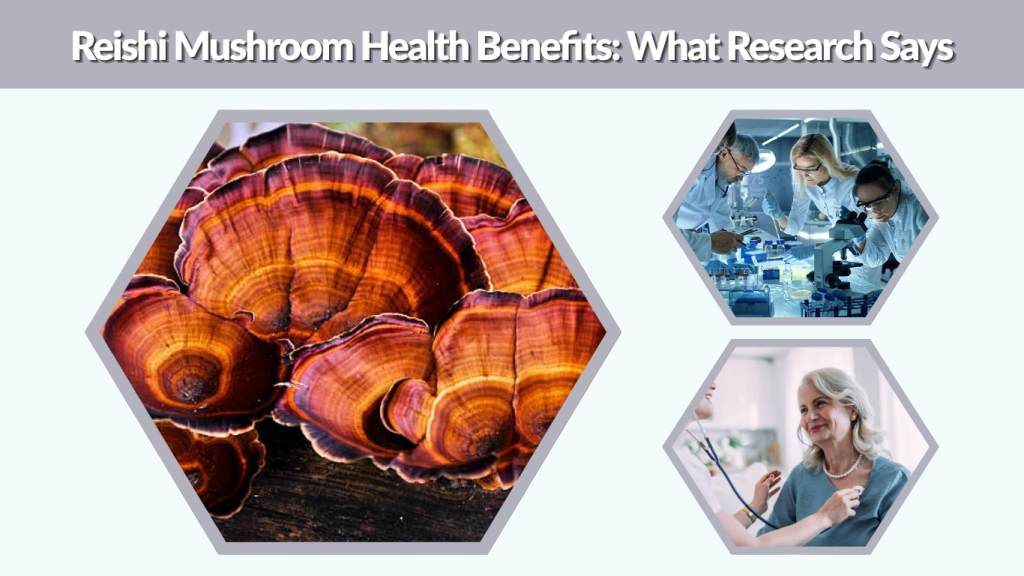
While reishi mushroom has a long history in traditional medicine, modern research is still working to fully understand its effects. Many studies focus on isolated compounds such as beta-glucans and triterpenes, which are believed to be responsible for much of its biological activity.
Research suggests that reishi may influence immune cell activity, including natural killer (NK) cells and certain white blood cells. These findings support its traditional reputation as an immune-supporting mushroom. However, many studies are small or conducted in laboratory settings, meaning more large-scale human trials are needed.
Reishi has also been studied for its potential role in supporting individuals undergoing cancer treatment. Some research explores its use as an adjunct therapy to help maintain immune function. It is important to note that reishi is not a cure for cancer and should only be used alongside conventional treatment under medical supervision.
Studies on inflammation, metabolic health, and fatigue are ongoing. While early results are promising, reishi should be viewed as a complementary wellness supplement rather than a replacement for medical care.
Reishi Mushroom Side Effects
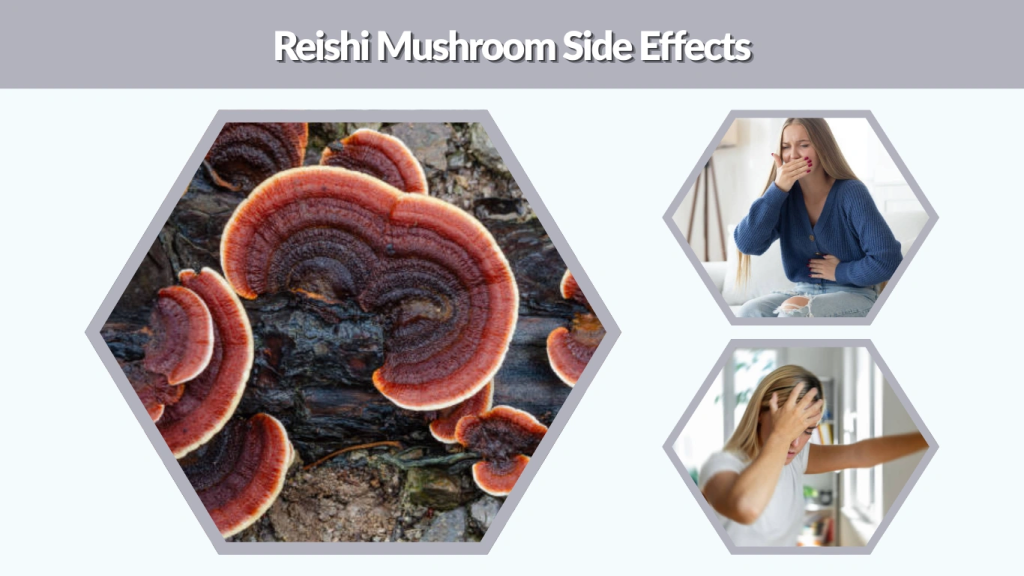
Reishi is generally considered safe for most healthy adults when taken in appropriate amounts. However, side effects can occur, especially when used in high doses or over long periods.
Common Mild Side Effects
Some individuals report:
- Dry mouth or throat
- Digestive discomfort
- Nausea
- Dizziness
These effects are usually mild and may improve by reducing the dosage.
Potential Risks and Interactions
Reishi may have blood-thinning properties. This can increase the risk of bleeding, especially in individuals taking anticoagulant or antiplatelet medications.
It may also influence blood pressure and blood sugar levels. People taking medications for hypertension or diabetes should consult a healthcare provider before using reishi supplements.
Because reishi affects immune activity, individuals with autoimmune disorders should seek medical advice before use.
Who Should Avoid Reishi
Reishi may not be appropriate for:
- Pregnant or breastfeeding women
- Individuals taking blood-thinning medications
- People preparing for surgery
- Those with bleeding disorders
As with any supplement, discussing use with a qualified healthcare professional is the safest approach.
Reishi Mushroom Dosage and Forms
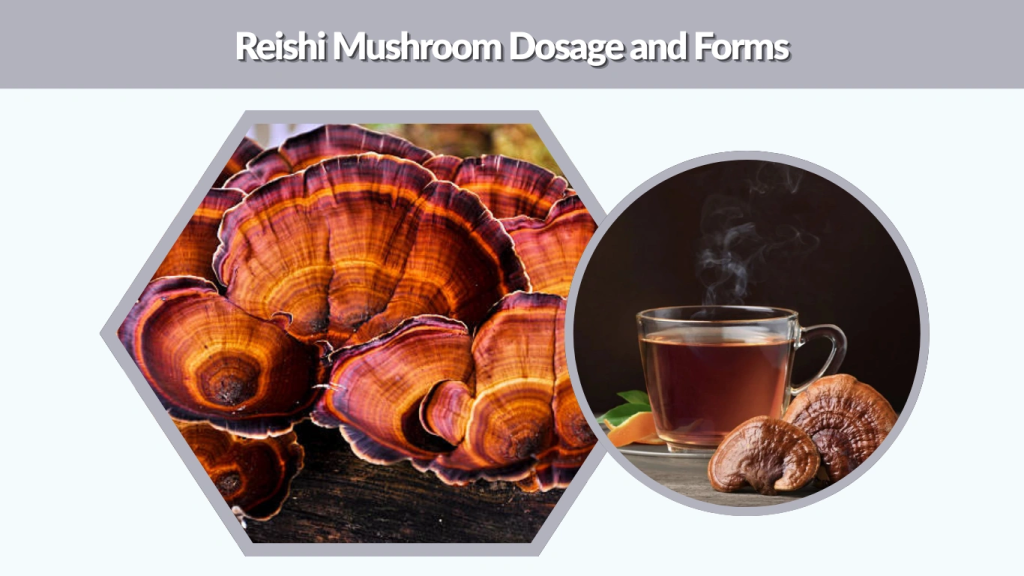
Reishi is available in several forms, each with different preparation methods and concentrations.
Reishi Tea
Traditional reishi tea is made by simmering dried mushroom slices in water for at least 30–60 minutes. This long cooking process extracts water-soluble compounds such as beta-glucans.
The tea has a strong, bitter taste. Some people combine it with herbs or honey to improve flavor.
Capsules and Extracts
Capsules and standardized extracts are among the most convenient options. High-quality extracts often use dual extraction (water and alcohol) to capture both beta-glucans and triterpenes.
Extracts are typically more concentrated than whole mushroom powder, so dosages are lower.
Powder and Tinctures
Reishi powder can be added to smoothies, coffee, or soups. However, due to its bitterness, it is often mixed with other ingredients.
Liquid tinctures offer flexible dosing and may absorb quickly, though concentrations vary between brands.
General Dosage Guidelines
There is no single standard dosage for reishi. Many supplements recommend between 1,000 mg and 3,000 mg per day of extract, depending on concentration.
Because product strength varies, always follow label instructions and consult a healthcare provider if unsure.
Interesting Reishi Mushroom Facts
- Reishi has been used in traditional Chinese medicine for over 2,000 years.
- Historically, wild reishi was rare and often reserved for royalty or nobility.
- It is known as the “Mushroom of Immortality” in ancient texts.
- Reishi is extremely bitter and rarely eaten as a food.
- Modern cultivation has made it widely available in supplement form.
These historical and cultural associations contribute to its enduring popularity.
Reishi vs Other Medicinal Mushrooms
Reishi is often compared to other functional mushrooms, each with unique characteristics.
Reishi vs Turkey Tail
Both support immune health, but turkey tail is particularly known for its role in gut health and oncology research. Reishi is more commonly associated with stress reduction and calming effects.
Reishi vs Lion’s Mane
Lion’s mane is best known for supporting cognitive function and nerve health. Reishi, by contrast, focuses more on immune balance and relaxation.
Reishi vs Chaga
Chaga is prized for its high antioxidant content. While reishi also contains antioxidants, it is more widely recognized for its adaptogenic and immune-modulating properties.
FAQs
What are the main benefits of reishi mushroom?
Reishi is most commonly used to support immune function, manage stress, and promote overall wellness. Some research also explores its role in heart health and inflammation.
Is reishi safe to take daily?
For most healthy adults, reishi is considered safe when taken within recommended dosages. Long-term use should be discussed with a healthcare provider.
How do you identify reishi mushroom?
Reishi has a shiny, reddish-brown, kidney-shaped cap with a white pore surface underneath instead of gills. It grows on hardwood trees.
Does reishi help with sleep?
Traditionally, reishi has been used to promote relaxation and better sleep. While some users report improved sleep quality, scientific evidence remains limited.
Can reishi thin the blood?
Yes, reishi may have mild blood-thinning effects. People taking anticoagulant medications should consult a doctor before use.
Final Thoughts
Reishi mushroom holds a respected place in traditional medicine and continues to attract attention in modern wellness circles. With potential benefits ranging from immune support to stress management, it offers promising complementary support for overall health.
However, reishi is not a miracle cure. Understanding proper dosage, possible side effects, and individual health considerations is essential. By choosing high-quality products and consulting healthcare professionals when necessary, you can make informed decisions about incorporating reishi into your wellness routine.