
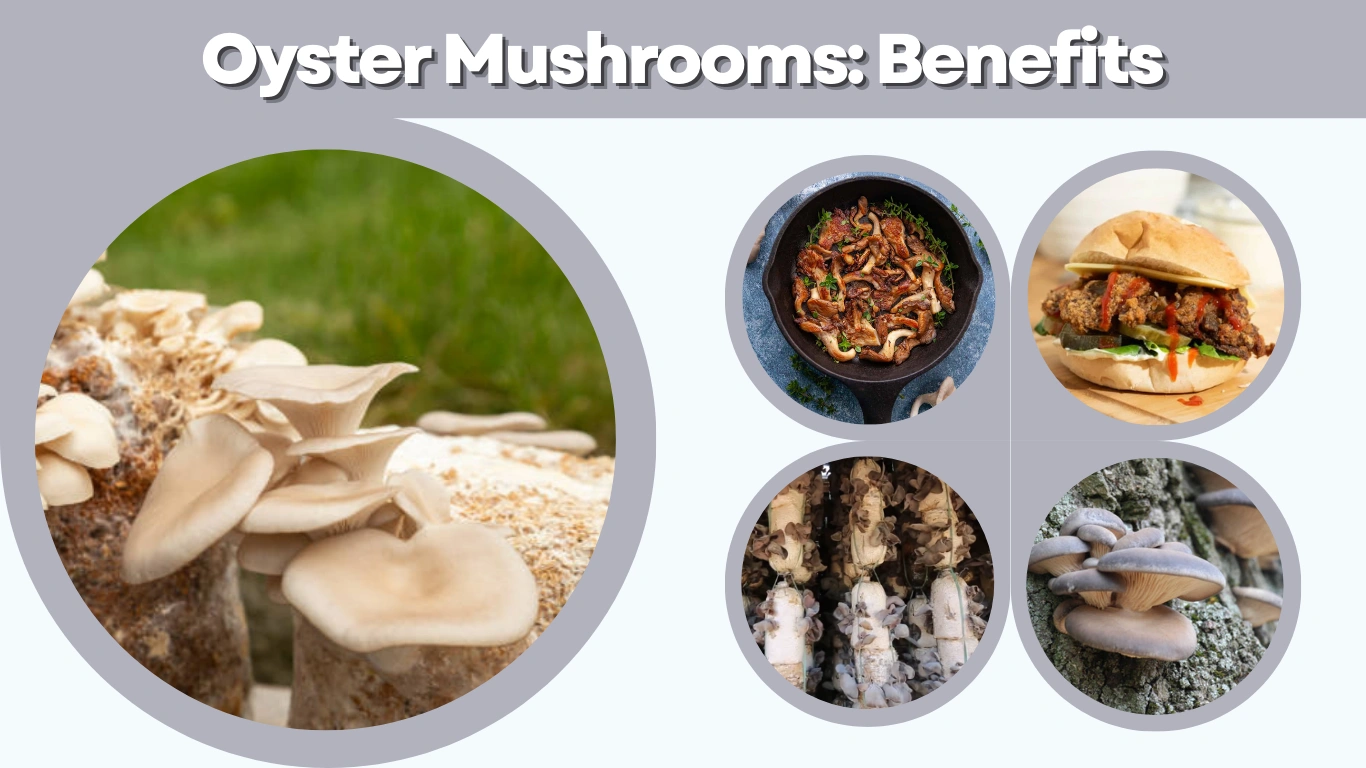
Oyster mushrooms are one of the most popular edible mushrooms in the world, valued for their delicate flavor, impressive nutritional profile, and ease of cultivation. Found in a variety of colors and shapes, these mushrooms are widely used in home cooking, restaurants, and even commercial farming. Beyond their culinary appeal, oyster mushrooms are also known for their health benefits, including immune support and heart health. This article explores what oyster mushrooms are, the different types available, their nutritional value, and the key health benefits that make them a smart addition to a balanced diet.
What Are Oyster Mushrooms
Oyster mushrooms are edible fungi belonging to the Pleurotus genus. The most common species, Pleurotus ostreatus, grows naturally on dead or decaying hardwood trees. These mushrooms typically grow in clusters and are recognized by their broad, fan-shaped caps and short or nearly absent stems.
Oyster mushrooms are widely cultivated because they grow quickly and adapt well to different environments. They are popular among beginner growers and commercial farmers alike. Their mild taste and tender texture make them versatile in a wide range of dishes, from stir-fries to soups and grilled meals.
Why They’re Called Oyster Mushrooms
The name “oyster mushroom” comes from the mushroom’s shape and appearance. The cap often resembles an oyster shell, with smooth edges and a slightly curved form. Some people also associate the name with their subtle seafood-like flavor when cooked, although the taste is generally mild and earthy rather than fishy.
Identification of Oyster Mushrooms
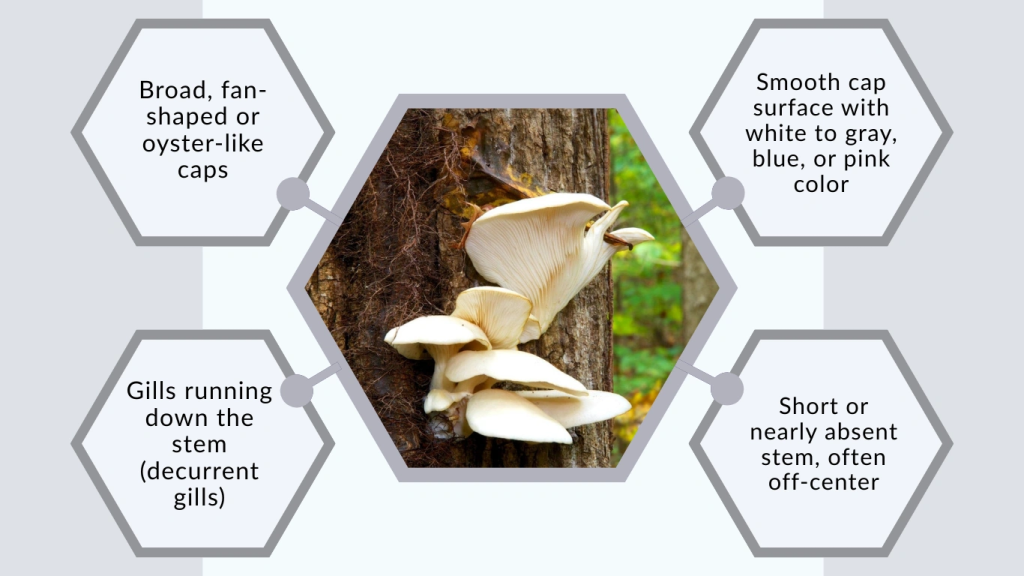
- Broad, fan-shaped or oyster-like caps
- Smooth cap surface with white to gray, blue, or pink color
- Gills running down the stem (decurrent gills)
- Short or nearly absent stem, often off-center
- Soft, tender flesh with a mild aroma
- Grows in clusters on dead or decaying hardwood
Types of Oyster Mushrooms
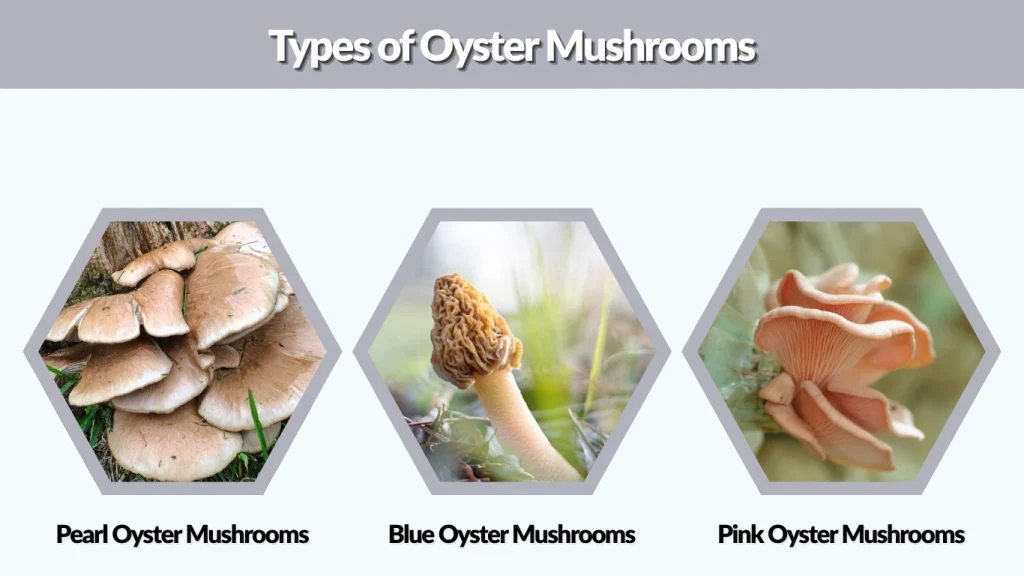
There are several varieties of oyster mushrooms, each with unique characteristics in terms of color, flavor, and culinary use. While all types are nutritious, some are better suited for specific cooking methods or growing conditions.
Pearl Oyster Mushrooms
Pearl oyster mushrooms are the most common variety. They are light gray to pale brown in color and have a soft, tender texture. Their mild flavor makes them ideal for sautéing, soups, and pasta dishes. This variety is widely available in grocery stores and is often used in everyday cooking.
Blue Oyster Mushrooms
Blue oyster mushrooms have a deep blue-gray color when fresh, which fades slightly during cooking. They have a firmer texture than pearl oysters and a richer, more savory flavor. Blue oyster mushrooms work well in stir-fries, roasting, and pan-seared dishes where a meaty texture is desired.
Pink Oyster Mushrooms
Pink oyster mushrooms are known for their bright pink color and striking appearance. They have a stronger aroma and a shorter shelf life compared to other varieties. Pink oyster mushrooms are best cooked thoroughly and are commonly used in dishes where visual appeal is important.
King Oyster Mushrooms
King oyster mushrooms, also known as king trumpet mushrooms, have thick stems and small caps. Their dense, meaty texture makes them a popular plant-based meat substitute. They are often sliced into rounds or strips and grilled, roasted, or pan-fried.
Nutritional Value of Oyster Mushrooms
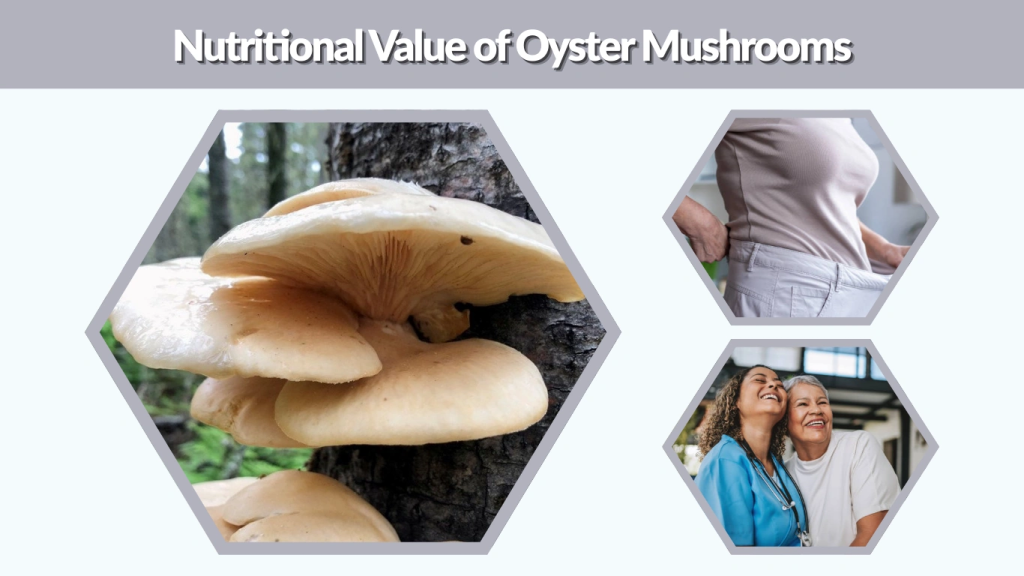
Oyster mushrooms are low in calories yet rich in essential nutrients. They provide a good balance of protein, fiber, and complex carbohydrates, making them a valuable food for both weight management and overall health. Unlike many vegetables, oyster mushrooms contain small but meaningful amounts of protein, which is especially beneficial for vegetarian and vegan diets.
They are naturally low in fat and cholesterol-free, making them suitable for heart-healthy eating plans.
Vitamins and Minerals
Oyster mushrooms are an excellent source of B-complex vitamins, including niacin, riboflavin, and pantothenic acid. These vitamins play a key role in energy production and brain function. When exposed to sunlight or UV light, oyster mushrooms can also provide vitamin D, which supports bone health.
In addition, they contain important minerals such as potassium, iron, phosphorus, and selenium. Potassium helps regulate blood pressure, while selenium acts as an antioxidant that supports immune health.
Health Benefits of Oyster Mushrooms
Oyster mushrooms are more than just a flavorful ingredient. They offer several health benefits when consumed regularly as part of a balanced diet.
Supports Heart Health
One of the most well-known benefits of oyster mushrooms is their potential to help lower cholesterol levels. They contain beta-glucans and other compounds that may reduce LDL (bad) cholesterol. Their potassium content also supports healthy blood pressure, reducing the risk of cardiovascular disease.
Boosts Immunity
Oyster mushrooms contain powerful antioxidants and polysaccharides, particularly beta-glucans, which help strengthen the immune system. These compounds support the body’s natural defense mechanisms by enhancing the activity of immune cells. Regular consumption of oyster mushrooms may help the body respond more effectively to infections and reduce inflammation caused by oxidative stress.
In addition, the selenium found in oyster mushrooms plays a role in immune function and helps protect cells from damage. This combination of antioxidants and immune-supporting nutrients makes oyster mushrooms a valuable food for overall wellness.
Aids Weight Management
Oyster mushrooms are an excellent choice for people looking to manage their weight. They are low in calories but high in fiber, which promotes fullness and helps control appetite. The fiber content also supports healthy digestion and blood sugar regulation.
Because of their meaty texture, oyster mushrooms can replace higher-calorie animal products in many meals. This allows for satisfying portions without significantly increasing calorie intake, making them ideal for balanced and plant-forward diets.
Taste, Texture, and Culinary Uses
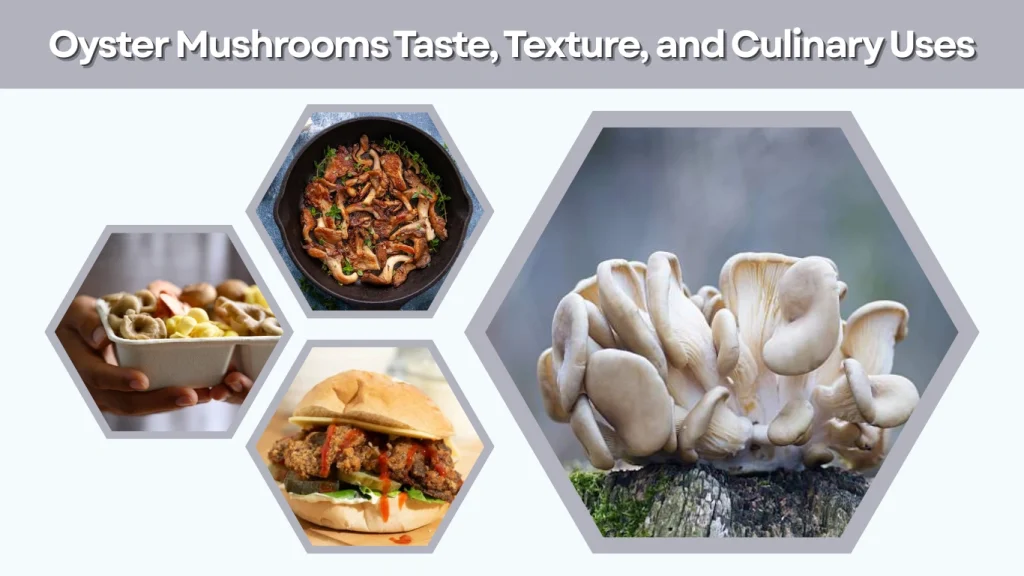
Oyster mushrooms have a mild, slightly earthy flavor that absorbs seasonings and sauces well. When cooked, they develop a tender yet slightly chewy texture, making them suitable for a wide range of recipes. Their versatility allows them to be used in both simple home cooking and gourmet dishes.
Popular Cooking Methods
Oyster mushrooms can be prepared in several ways, depending on the desired texture and flavor. Sautéing is one of the most common methods and brings out their natural umami taste. Stir-frying works well for quick meals, especially when combined with vegetables and sauces. Roasting or grilling enhances their savory flavor and gives them a crisp outer texture.
Oyster Mushrooms in Vegan and Vegetarian Diets
Due to their texture and nutritional profile, oyster mushrooms are widely used in vegan and vegetarian cooking. They serve as an effective meat substitute in dishes such as tacos, burgers, and stir-fries. Their ability to absorb marinades and spices makes them especially useful in plant-based recipes that aim to replicate the richness of meat-based meals.
How to Grow Oyster Mushrooms at Home
Oyster mushrooms are among the easiest mushrooms to grow, making them a popular choice for beginners. They grow quickly and can be cultivated indoors or outdoors with minimal equipment.
Best Growing Substrates
These mushrooms thrive on a variety of organic materials. Common substrates include straw, sawdust, and even used coffee grounds. This flexibility makes oyster mushroom cultivation both affordable and environmentally friendly.
Basic Growing Steps
The growing process begins with inoculating the substrate using oyster mushroom spawn. After inoculation, the material is kept in a warm, dark environment during the incubation phase. Once the mushrooms begin to form, they require fresh air and indirect light to develop properly. Harvesting usually occurs within a few weeks, making oyster mushrooms a fast-yielding crop.
Oyster Mushroom Farming Overview
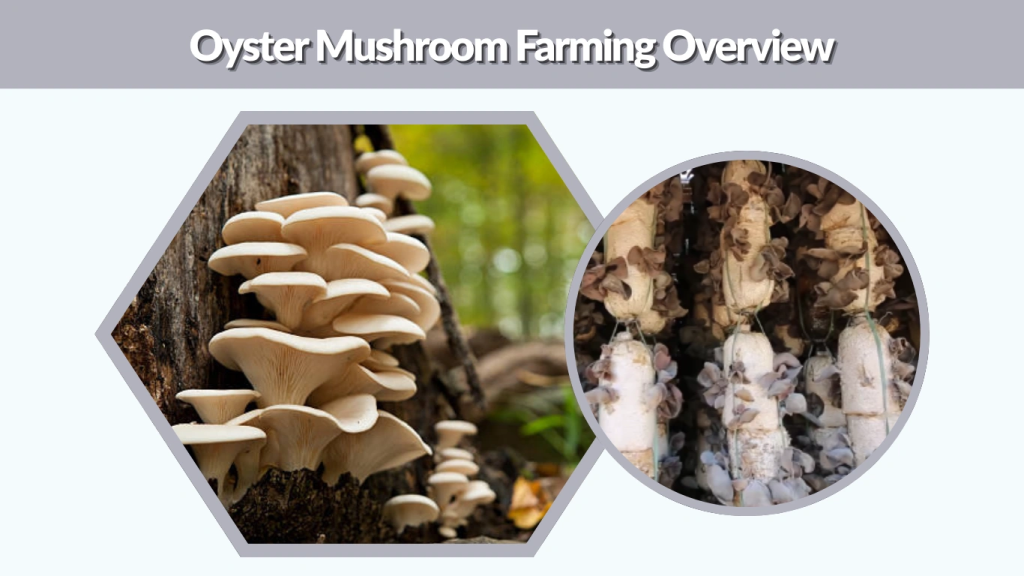
Oyster mushroom farming can be done on a small scale at home or expanded into a commercial operation. They require relatively low investment compared to other crops and have strong market demand due to their culinary and health appeal.
Cost, Yield, and Profit Potential
Initial costs typically include spawn, substrate, and basic growing equipment. Oyster mushrooms grow in cycles and can produce multiple harvests from a single batch. With proper management, they offer good profit potential, especially in local markets and restaurants.
Oyster Mushrooms vs Other Mushrooms
Oyster Mushrooms vs Button Mushrooms
Compared to button mushrooms, oyster mushrooms generally offer more fiber and a broader nutrient profile. They also have a more pronounced flavor and softer texture, making them popular in gourmet cooking.
Oyster Mushrooms vs Shiitake Mushrooms
Shiitake mushrooms have a stronger, smoky flavor, while oyster mushrooms are milder and more versatile. Nutritionally, both offer health benefits, but oyster mushrooms are often easier to grow and more affordable.
Side Effects and Safety Tips
Oyster mushrooms are safe for most people when cooked properly. However, some individuals may experience mild digestive discomfort if consumed in large quantities. Eating them well-cooked and in moderation helps minimize any potential side effects.
FAQs
Can you eat oyster mushrooms every day?
Yes, they can be eaten regularly as part of a balanced diet.
Are oyster mushrooms safe to eat raw?
It is best to cook oyster mushrooms to improve digestibility and safety.
How long do oyster mushrooms last?
When stored properly in the refrigerator, they typically last up to one week.
Are oyster mushrooms medicinal?
They contain compounds with potential medicinal properties, especially for immune and heart health.
Conclusion
Oyster mushrooms are a nutritious, versatile, and sustainable food choice. Whether used in everyday meals, plant-based cooking, or small-scale farming, they offer numerous benefits. With their rich nutrient content, health-promoting properties, and ease of cultivation, oyster mushrooms are a valuable addition to both the kitchen and the diet.