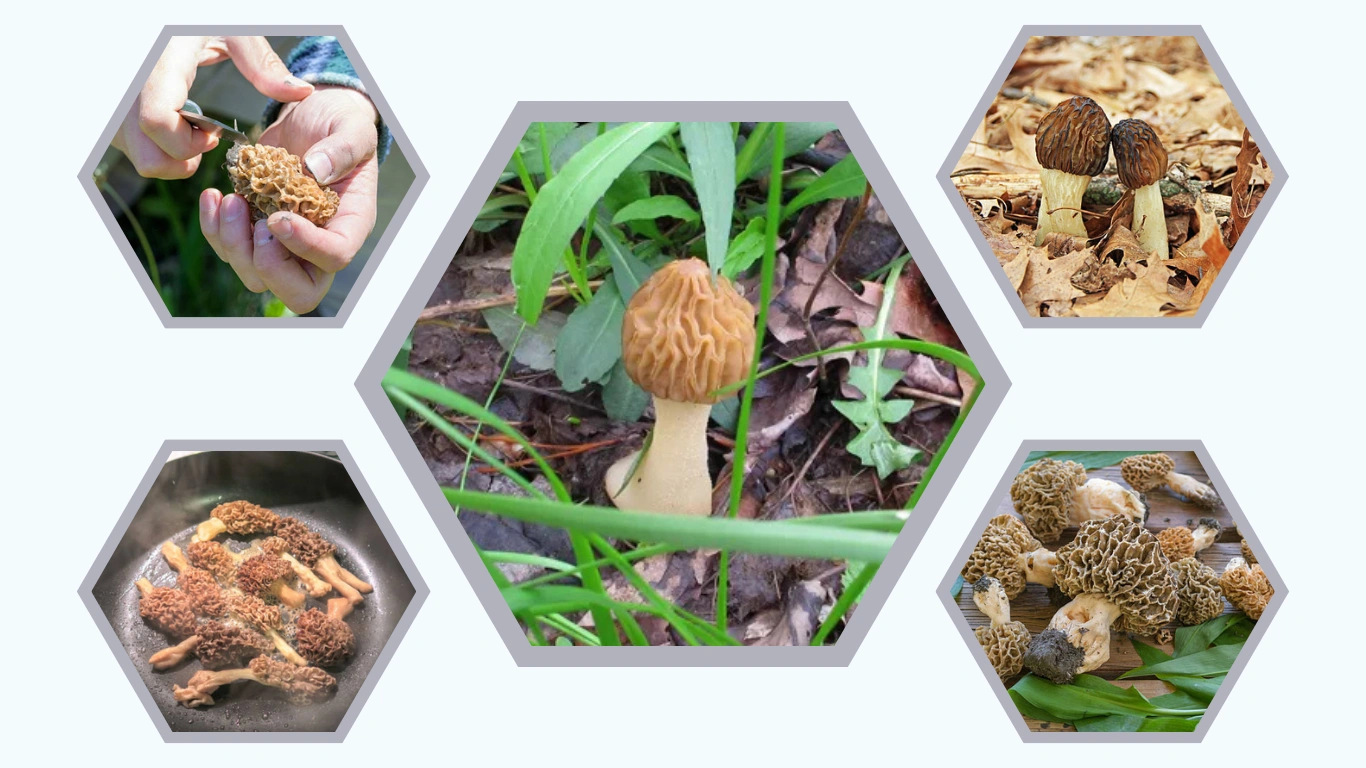
Morel mushrooms are among the most sought-after wild mushrooms in the world, prized for their rich flavor, unique appearance, and short growing season. Found primarily in spring, these mushrooms attract chefs, food lovers, and foragers alike. Their honeycomb-like caps and earthy taste make them stand out from other edible fungi. However, morels also require careful identification and proper preparation. In this guide, you’ll learn what morel mushrooms are, the different types, when and where they grow, and how to safely identify them in the wild.
What Are Morel Mushrooms?
Morel mushrooms are wild edible fungi belonging to the Morchella genus. Unlike common cultivated mushrooms, morels grow naturally in forests and disturbed soils, making them difficult to farm on a large scale. One of their most recognizable features is the sponge-like or honeycomb cap, which sits atop a hollow stem.
Morels vary in color from light yellow to dark brown or black, depending on the species and growing conditions. Their texture is meaty yet delicate, and when cooked properly, they deliver a deep, nutty, and slightly smoky flavor. Because of their rarity and short season, morel mushrooms are considered a delicacy in many cuisines.
Why Morel Mushrooms Are So Popular
Morel mushrooms are highly valued for several reasons. First, their flavor is complex and intense compared to many other mushrooms. Second, their seasonal availability adds to their appeal—fresh morels are only available for a few weeks each year. Finally, foraging for morels has become a tradition for many outdoor enthusiasts, adding an element of adventure and exclusivity to their reputation.
Types of Morel Mushrooms
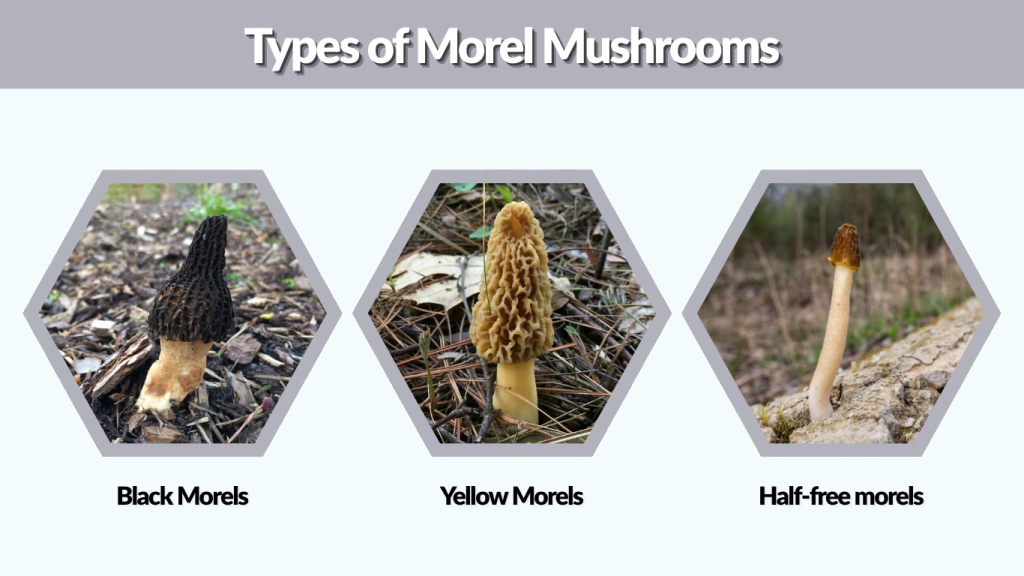
There are several types of morel mushrooms, each with slightly different characteristics. While all true morels are edible when cooked, understanding the differences can help with identification and foraging.
Black Morels
Black morels usually appear earlier in the season and are often found in cooler areas or higher elevations. They have darker ridges with lighter pits and are commonly associated with forest fires or recently disturbed land. Their flavor is strong and earthy, making them popular in gourmet dishes.
Yellow Morels
Yellow morels are the most commonly recognized variety. They typically grow later in the season and are often found near hardwood trees. Their lighter color and slightly milder flavor make them a favorite among beginner foragers.
Half-Free and Other Varieties
Half-free morels have caps that are partially attached to the stem rather than fully fused. While still edible, they are less desirable due to their smaller size and thinner flesh. Other regional varieties exist, but all true morels share the hollow interior that distinguishes them from toxic look-alikes.
Morel Mushroom Season
Morel mushrooms are strongly tied to seasonal and environmental conditions. In most regions, they appear in spring when soil temperatures begin to warm and moisture levels increase.
Best Time of Year to Find Morels
The ideal time to find morels is when daytime temperatures range between 60–70°F (15–21°C) and nighttime temperatures stay above freezing. Rain followed by warm days often triggers growth. Depending on location, morel season can begin as early as March or extend into May.
Regional Differences in Morel Season
In the southern United States, morels tend to appear earlier in spring, while northern regions may not see them until late April or May. In Europe, the season follows a similar spring pattern, though timing varies based on climate and elevation.
Where to Find Morel Mushrooms
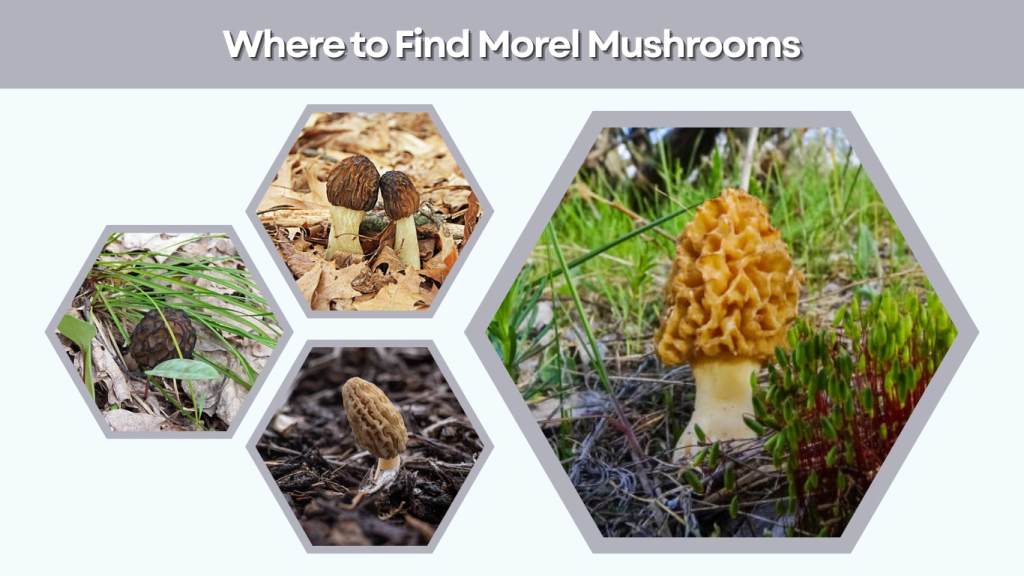
Knowing where to look is one of the most important aspects of finding morel mushrooms. They grow in specific environments and often return to the same locations year after year.
Trees and Environments Morels Prefer
Morels are commonly found near certain trees, including elm, ash, oak, and apple trees. They also thrive in old orchards, riverbanks, and forest edges. Burn sites and areas with disturbed soil are especially productive, as morels often appear one or two years after a fire.
Tips for Spotting Morels in the Wild
Morels blend easily into their surroundings due to their earthy colors. Moving slowly, scanning the ground carefully, and looking from different angles can make them easier to spot. Once you find one morel, there are often others nearby.
How to Identify Morel Mushrooms
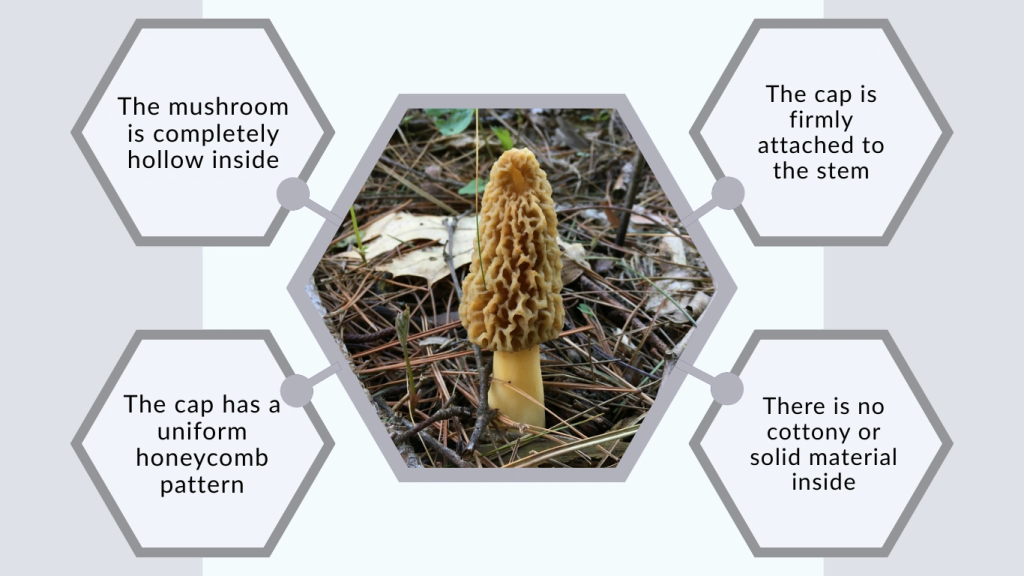
Correct identification is essential when foraging for morel mushrooms, as some poisonous mushrooms closely resemble them. True morels have a distinctive honeycomb-patterned cap and a hollow interior that runs from the tip of the cap down through the stem.
The cap of a true morel is attached directly to the stem, rather than hanging freely. Colors can vary, but the overall structure remains consistent across edible species. Any mushroom that does not meet these basic characteristics should be avoided.
True Morels vs False Morels
False morels differ in several important ways. Their caps often appear wrinkled or lobed rather than evenly pitted, and the inside of the mushroom is usually solid or cotton-like instead of hollow. Some false morels contain toxins that can cause serious illness if consumed.
Because visual differences can be subtle, beginner foragers should avoid harvesting mushrooms unless they are completely confident in their identification.
Safety Checklist for Identification
Before picking a morel mushroom, confirm the following:
- The mushroom is completely hollow inside
- The cap is firmly attached to the stem
- The cap has a uniform honeycomb pattern
- There is no cottony or solid material inside
If any of these features are missing, do not consume the mushroom.
Are Morel Mushrooms Safe to Eat?
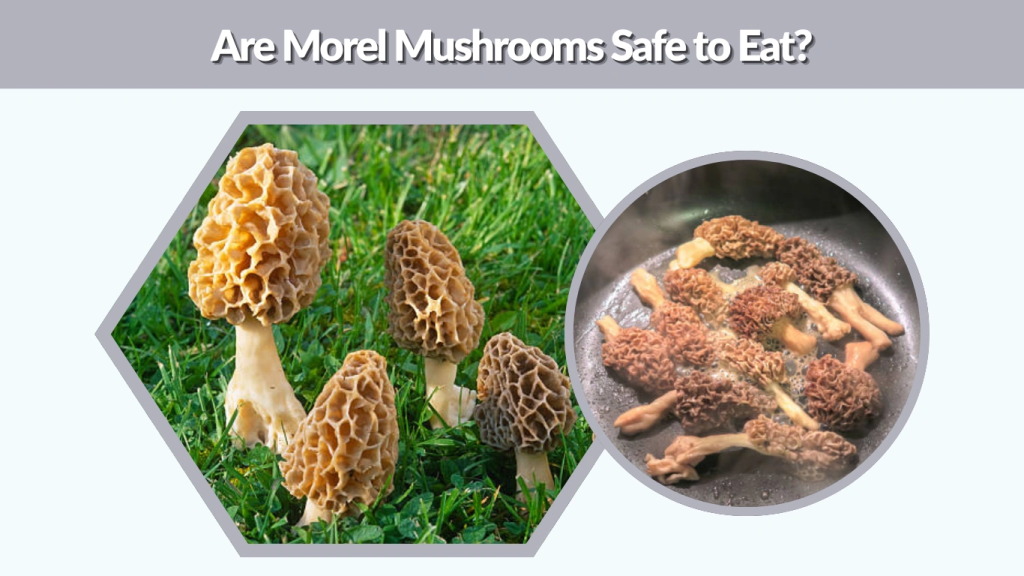
Morel mushrooms are safe to eat when properly identified and cooked. However, eating raw or undercooked morels can cause digestive discomfort, even when the mushroom is a true morel.
Can Morel Mushrooms Be Poisonous?
Raw morels contain compounds that are destroyed by heat during cooking. Consuming them uncooked may lead to nausea or stomach cramps. Additionally, misidentified false morels can be toxic and should never be eaten.
Basic Safety Rules for Beginners
- Never eat raw morel mushrooms
- Cook thoroughly before consuming
- Avoid old, moldy, or damaged specimens
- Do not mix alcohol with morels if trying them for the first time
How to Clean and Prepare Morel Mushrooms
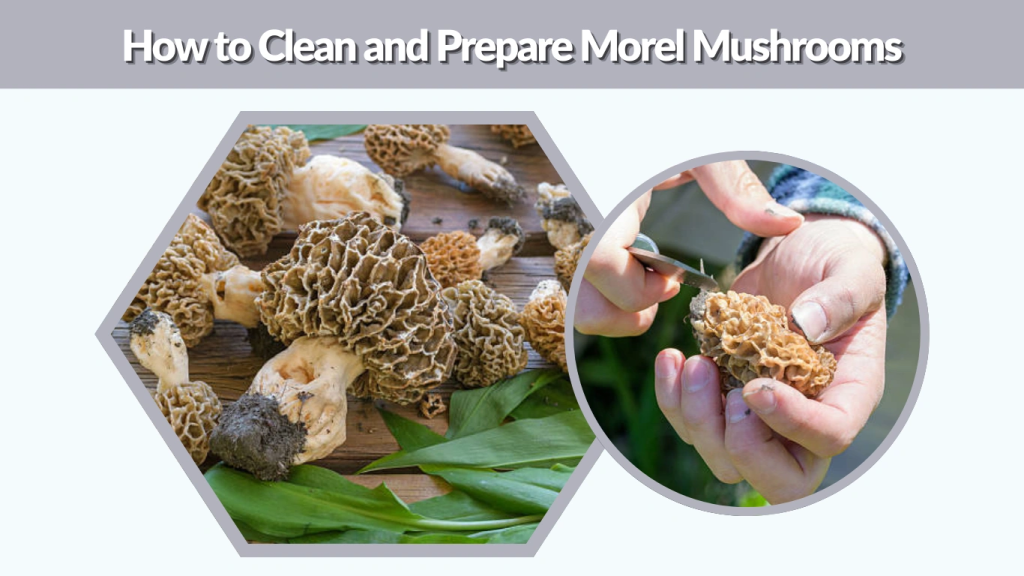
Cleaning morel mushrooms properly helps remove dirt, insects, and debris trapped inside their hollow structure. Begin by cutting the mushrooms lengthwise and gently brushing away visible dirt.
A brief soak in lightly salted water can help remove insects, but soaking should be limited to a few minutes to avoid waterlogging the mushrooms. After soaking, rinse gently and pat dry with a paper towel.
Fresh vs Dried Morel Mushrooms
Fresh morels offer a delicate texture, while dried morels have a more concentrated flavor. Dried morels should be rehydrated in warm water for 20–30 minutes before use. The soaking liquid can be strained and used as a flavorful addition to soups or sauces.
How to Cook Morel Mushrooms
Cooking enhances the flavor of morel mushrooms and makes them safe to eat. Their porous texture absorbs butter, oil, and sauces exceptionally well.
Popular Ways to Cook Morels
Some of the most common preparation methods include sautéing morels in butter, breading and frying them, or adding them to cream-based sauces. They also pair well with eggs, pasta, and risotto dishes.
Flavor Pairings That Work Best
Morels complement rich ingredients such as butter, garlic, cream, cheese, and meats like chicken or steak. Simple preparations often highlight their natural flavor best.
Health Benefits of Morel Mushrooms
Morel mushrooms are not only flavorful but also nutritious. They are low in calories and contain important vitamins and minerals that support overall health.
Vitamins and Minerals in Morels
Morels are a natural source of vitamin D, iron, potassium, and antioxidants. These nutrients support bone health, immune function, and energy levels.
Buying and Storing Morel Mushrooms
Because morels are difficult to cultivate, they are often expensive and sold in limited quantities. Fresh morels are typically available only during the spring season, while dried morels can be purchased year-round.
How to Store Fresh Morels
Fresh morels should be stored in a paper bag in the refrigerator and used within a few days. Avoid sealing them in plastic, as moisture buildup can cause spoilage.
How to Store Dried Morels
Dried morels should be kept in an airtight container in a cool, dark place. When stored properly, they can last for several months.
Conclusion
Morel mushrooms offer a unique combination of flavor, tradition, and adventure. Whether you are interested in foraging, cooking, or simply learning more about these prized fungi, understanding how to identify, prepare, and enjoy morels safely is essential. With the right knowledge and care, morel mushrooms can be a rewarding addition to your culinary experience.